
Data centers were on the ballot this election, and they lost.
While results from the midterm elections are still coming in, as of November 4, 38 out of 39 restrictions on data centers had passed—from temporary moratoriums on new construction to full bans. And multiple candidates who made opposition to data centers a key part of their campaign also won.
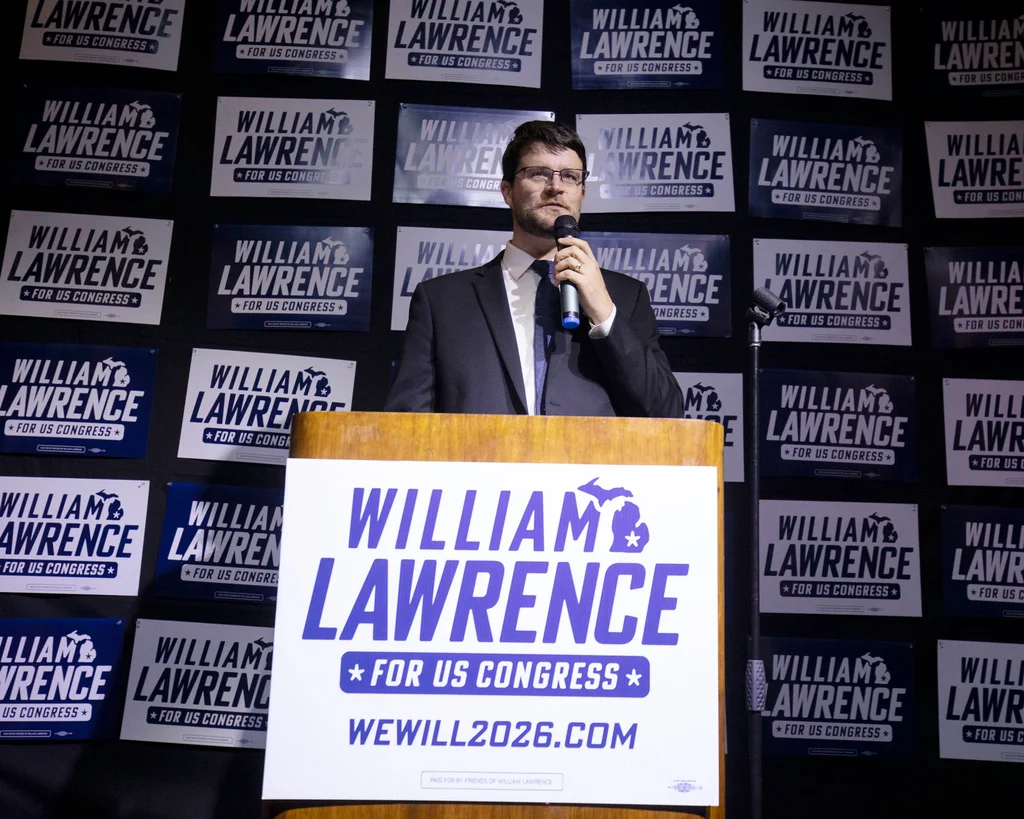
Take the example of William Lawrence, the Democratic candidate for the U.S. House of Representatives in Michigan’s purple 7th Congressional District, which Trump narrowly won in 2024. Lawrence, a progressive community organizer and cofounder of the Sunrise Movement, was new to politics and faced a challenge running against the Trump-backed incumbent, Tom Barrett. In the primary, facing two establishment Democrats who had raised more money, Lawrence won in part because he vowed to fight data centers.
“He found an issue that connected with local residents across partisanship,” says Matt Grossman, director of the Institute for Public Policy and Social Research at Michigan State University. Recent polls say that seven in 10 Americans don’t want data centers to be built in their communities, for reasons ranging from potential impacts on electric bills to noise and water use.
In his first ad, Lawrence stood at a farm and said, “Tech billionaires want to turn this field into a massive data center that’ll jack up our energy bills and ruin our home values.” After going to local planning meetings to watch data center developers pitch projects, he said that it was an “abuse of power” in communities that didn’t have the resources to fight back. He also called for other controls on technology, including a pause on development of advanced artificial intelligence and mandatory safety requirements for AI.
Barrett, his Republican opponent, had supported data centers in the past. That included a vote for a version of the One Big Beautiful Bill Act that would have stopped states’ ability to regulate AI, and likely also data centers, for a decade. (The provision was later taken out of the bill). The OBBBA includes tax breaks for companies building out AI infrastructure. Barrett also voted for the SPEED Act, which accelerates data center construction. As backlash to data centers grew, Barrett argued that communities should have local control over whether projects get built, but the message fell flat. Lawrence won.
Barrett was unpopular for other reasons—including the fact that he’d never held a local town hall—and it’s not clear that data centers were the thing that made voters push him out, versus anger about the Iran war, tariffs’ impact on the Michigan economy, and other factors. It’s probably too early to say that data centers as an issue swung a race, says Daniel Schiff, an associate professor of technology policy at Purdue University. But the election results affirm the opposition.
“If you had seen elections flip the other way, you would have said, oh, wow, this data center stuff actually isn’t that much of a concern for the public compared to other things,” Schiff says. That didn’t happen, and Democrats in other states who campaigned against data centers also won.
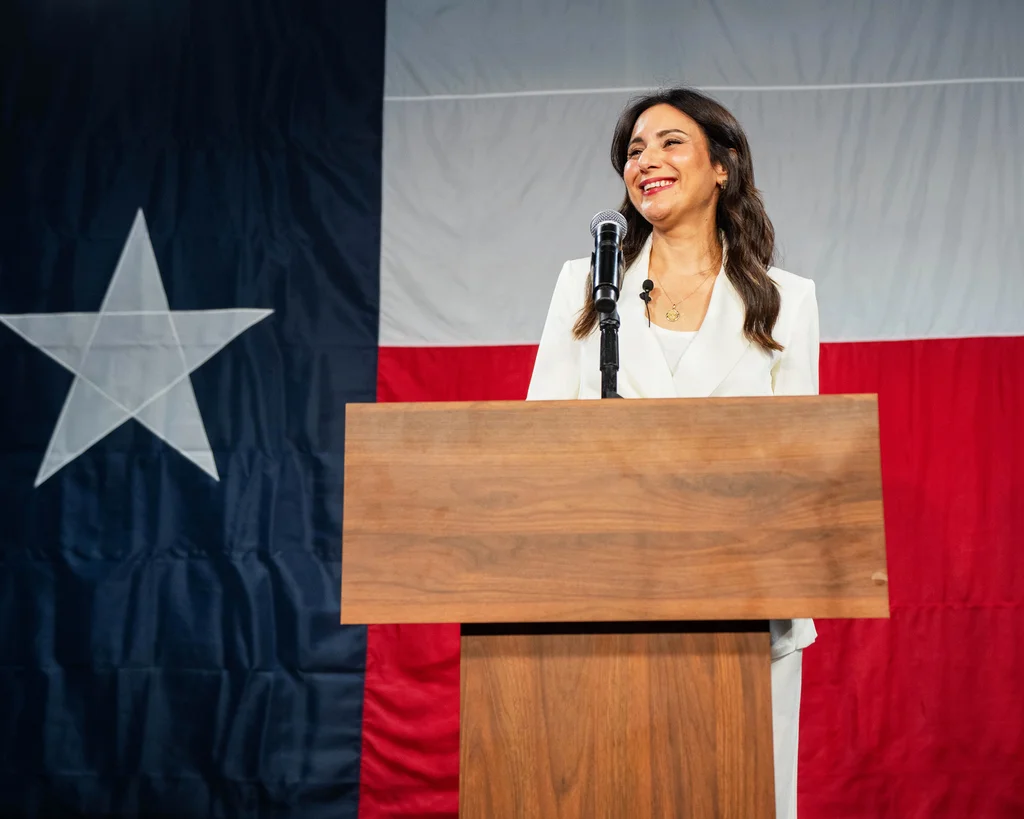
In Texas, Gina Hinojosa became first Democrat elected governor since 1990, beating the Republican incumbent Greg Abbott, after calling for a data center moratorium. (Abbott had called Texas the “epicenter of AI development,” before pivoting to pause new data centers; Hinojosa said she would go further.)
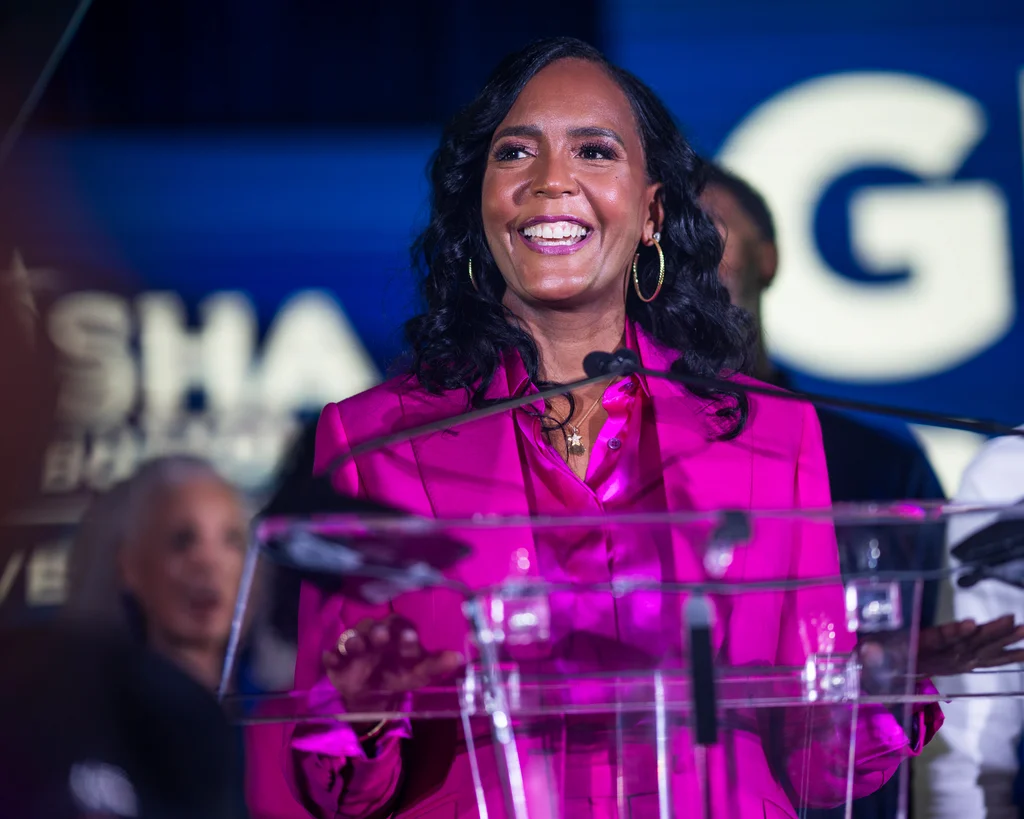
In Georgia, Keisha Lance Bottoms, a Democrat, also won a race for governor after campaigning for a statewide moratorium on data centers. In New Mexico, the Democrat Deb Haaland pledged to implement a statewide moratorium and won the governor’s race. In Ohio, the Democrat Amy Acton called for a conditional moratorium and beat Vivek Ramaswamy in the governor’s race. Multiple candidates for Congress won on anti-data center platforms, like Sherrod Brown, who won a Senate seat after calling his Republican opponent the “face of data centers” in Ohio.
Opposition to data centers arguably was part of the reason that other races were much closer than expected—like in a race in southeast Georgia, where residents have opposed a new OpenAI data center. Trump won the district by nearly 50 points in the last presidential election, but the Republican candidate for Congress this year won by fewer than 3 points.
The question now is what public sentiment about data centers actually means for the tech industry’s plans for AI. It’s not clear that opposition to data centers is as much about AI as it is about issues like electricity prices and the climate impacts of soaring energy use. Those impacts aren’t baked in; it is possible to build data centers that run on clean energy paid for by tech companies, for example. But the skepticism about data centers is now so ingrained that it’s likely more moratoriums will pass.
That could mean that data center developers end up flocking to the few places left that might not fight them. “They’ll say, OK, we need to do this more quietly . . . we need to go to the communities that don’t speak back,” Schiff says. “That would be a plausible and unfortunate consequence.”
Tech companies are already struggling to access power for data centers, and as data centers themselves keep getting harder to build, it could also meaningfully slow down the spread of AI. Anthropic’s IPO filing said that the backlash against data centers could limit its ability to grow.
The tech industry has spent billions betting that it can build AI infrastructure fast enough to stay ahead of demand. But the midterms suggest that it may not be able to build fast enough to stay ahead of public opposition.