

On Patagonia’s website, starting today, you can shop for new and used clothing at the same time.
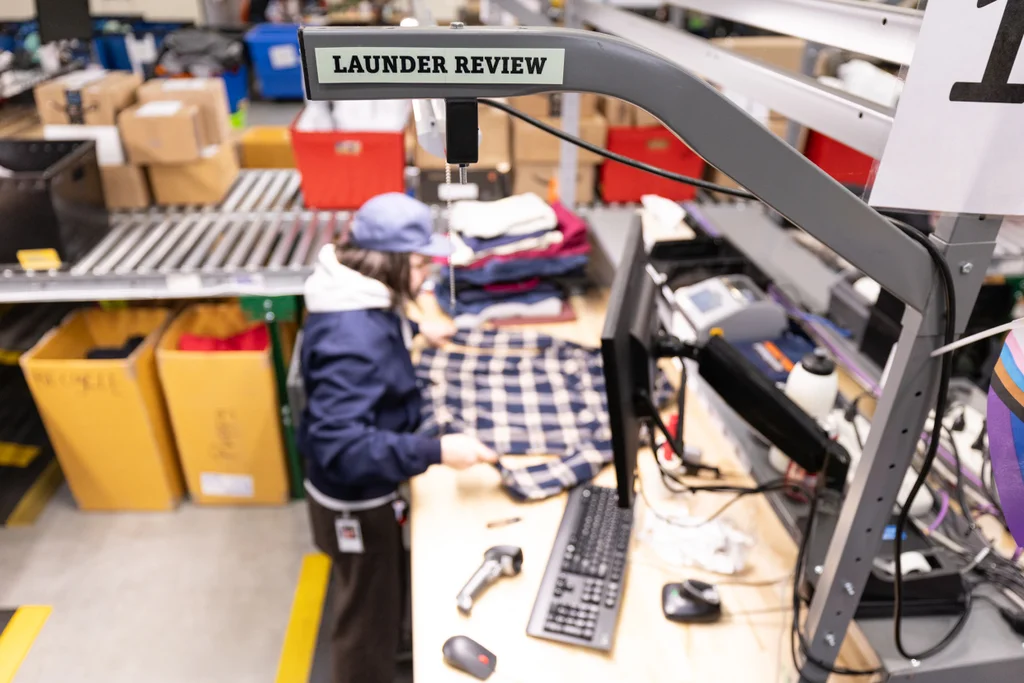
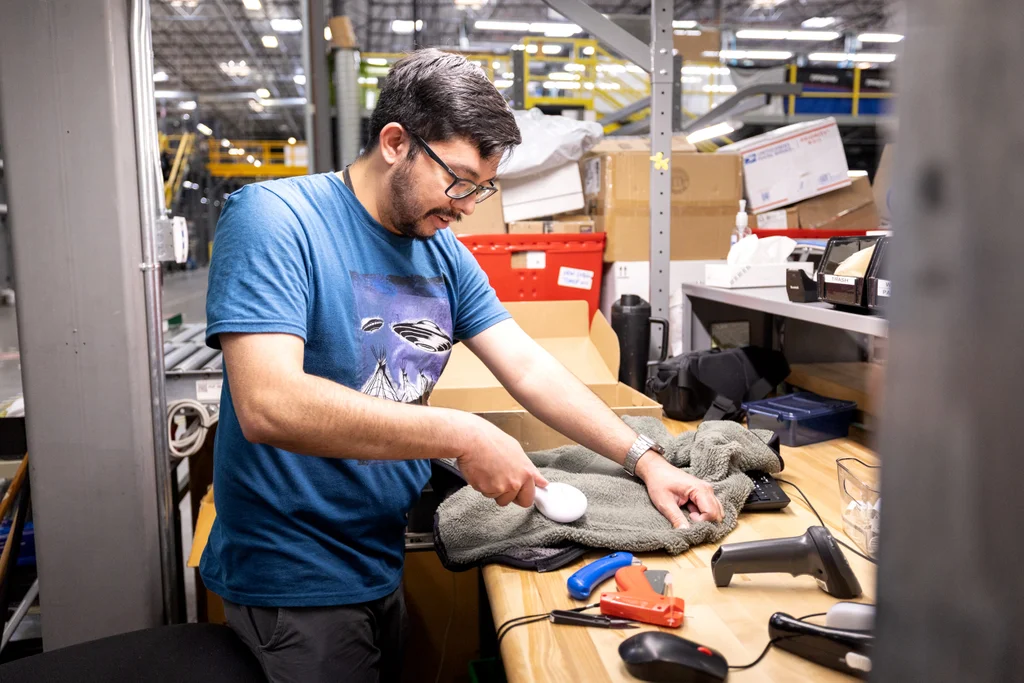
The company first launched its resale platform, Worn Wear, nine years ago, making it a pioneer in the brand-owned secondhand clothing space. The platform lets customers send back used clothing in exchange for a gift card; the clothing is then cleaned, repaired, and sold at a deep discount to someone else.
But until now, you had to open a different website to actually buy refurbished Patagonia clothing. Now it’s in the same place, and you can add new and used clothing to the same shopping cart.
The shift is a way to “bring resale to the center of our brand and the forefront of our customer experience,” says Sam Brown, Patagonia’s head of resale, noting that in the past, many customers haven’t been aware that Worn Wear exists.
Resale has become ubiquitous across fashion brands, but it typically happens separately from new sales. Patagonia’s integration is the next step in making secondhand shopping the new norm.
The brand’s website includes a used section that customers can browse. If you look up a new item, you’ll see links to buy a used version when it’s available. (Previously, new-product pages linked to the separate Worn Wear site.)
Bringing everything to the main site also helps give the resale platform a sense of more legitimacy. “There’s still a gap of customers who are willing to buy used or trade in,” Brown says. “And I think we can close that gap by helping to normalize the shopping experience.”
The project took four years to fully build. “Putting used [products] on a typical main e-comm platform is definitely fitting a round peg into a square hole,” Brown notes. “Nothing about this has been easy.”
First, since it’s not common for brands to sell new and used products in the same place, the company’s UX design team had to find ways to make the differentiation clear for consumers, such as different colored backgrounds for used products.
The team also had to deal with new complexity. Rather than selling a particular new sweater, for example, suddenly it had to work with multiple sweaters with different levels of wear, sometimes in colors that are no longer in production.
“We were figuring out how to come up with a solution where we can manage single-SKU logistics on the back end in the warehouse, and then present something to customers where they’re not choosing across 10 different individual items,” Brown says. “That’s a really hard technical hurdle, and something we’ll probably have to iterate on.”
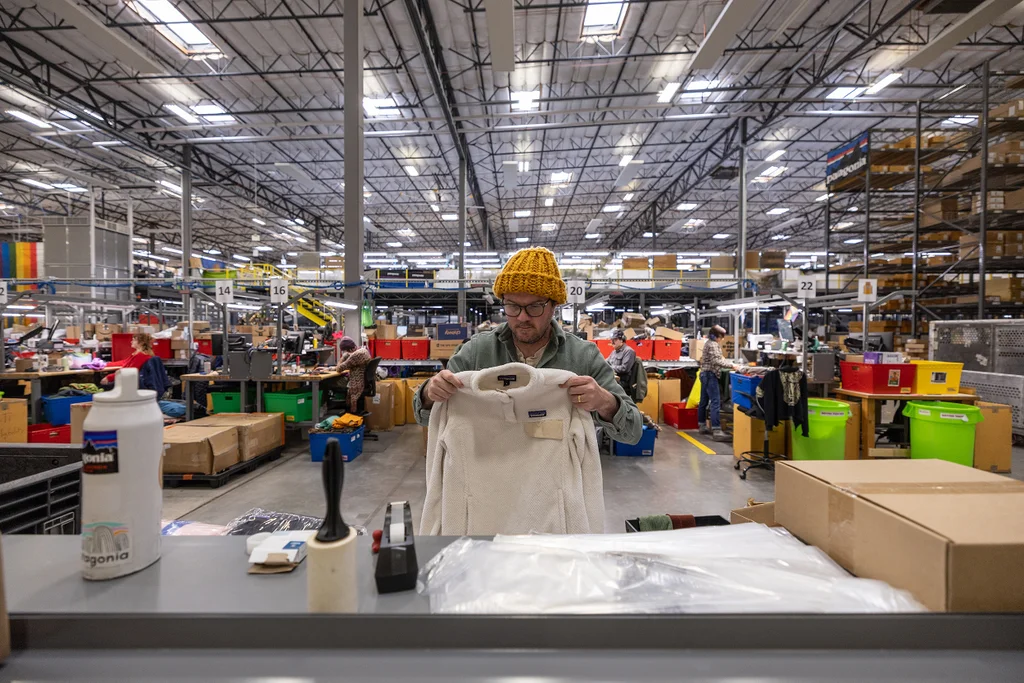
The company now has to manage tens of thousands of products from its 20-year history, with a constantly changing assortment based on what customers decide to sell back, rather than a single season’s worth of styles and colors.
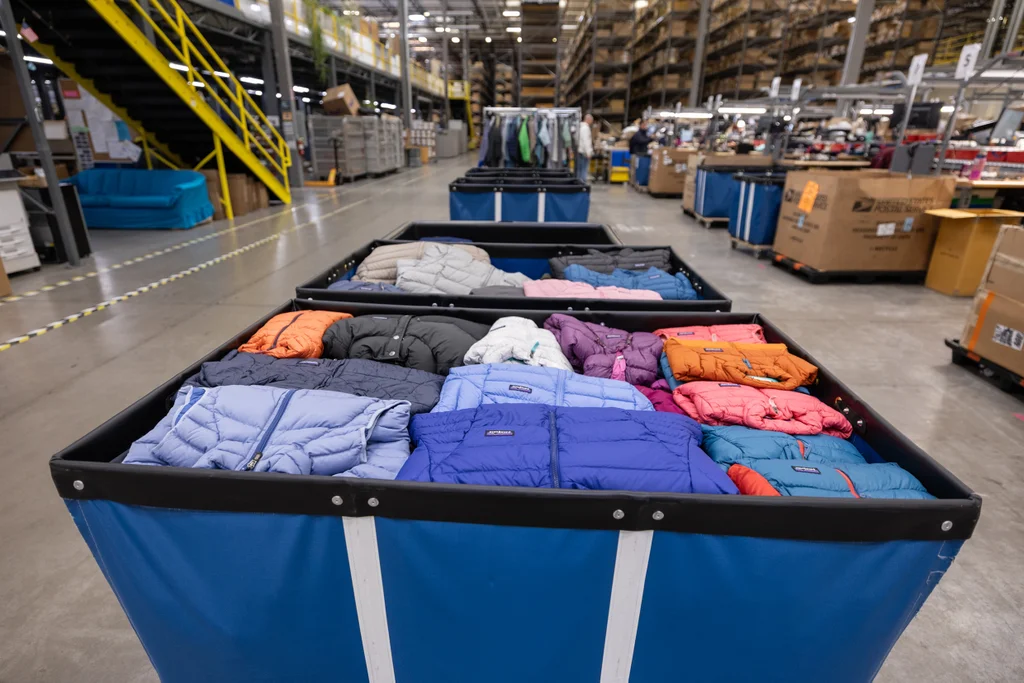
Making it easier to buy used products means more competition with sales of the brand’s new products. But that’s the point, Brown says: The company wants to sell more used items so it can reduce the environmental impact that went into making them in the first place.
Right now, it’s also still relatively limited in scale, because the company can sell only the items that customers happen to send back; this year, the brand has sold nearly 160,000 used items.
Patagonia sees room to do more. “We have our work cut out for us in that so much apparel ends up in a landfill or it sits in people’s closets,” Brown says. “There’s definitely more utility we can get out of the stuff we’re making. It’s just a matter of building the infrastructure and the awareness of these programs.”