
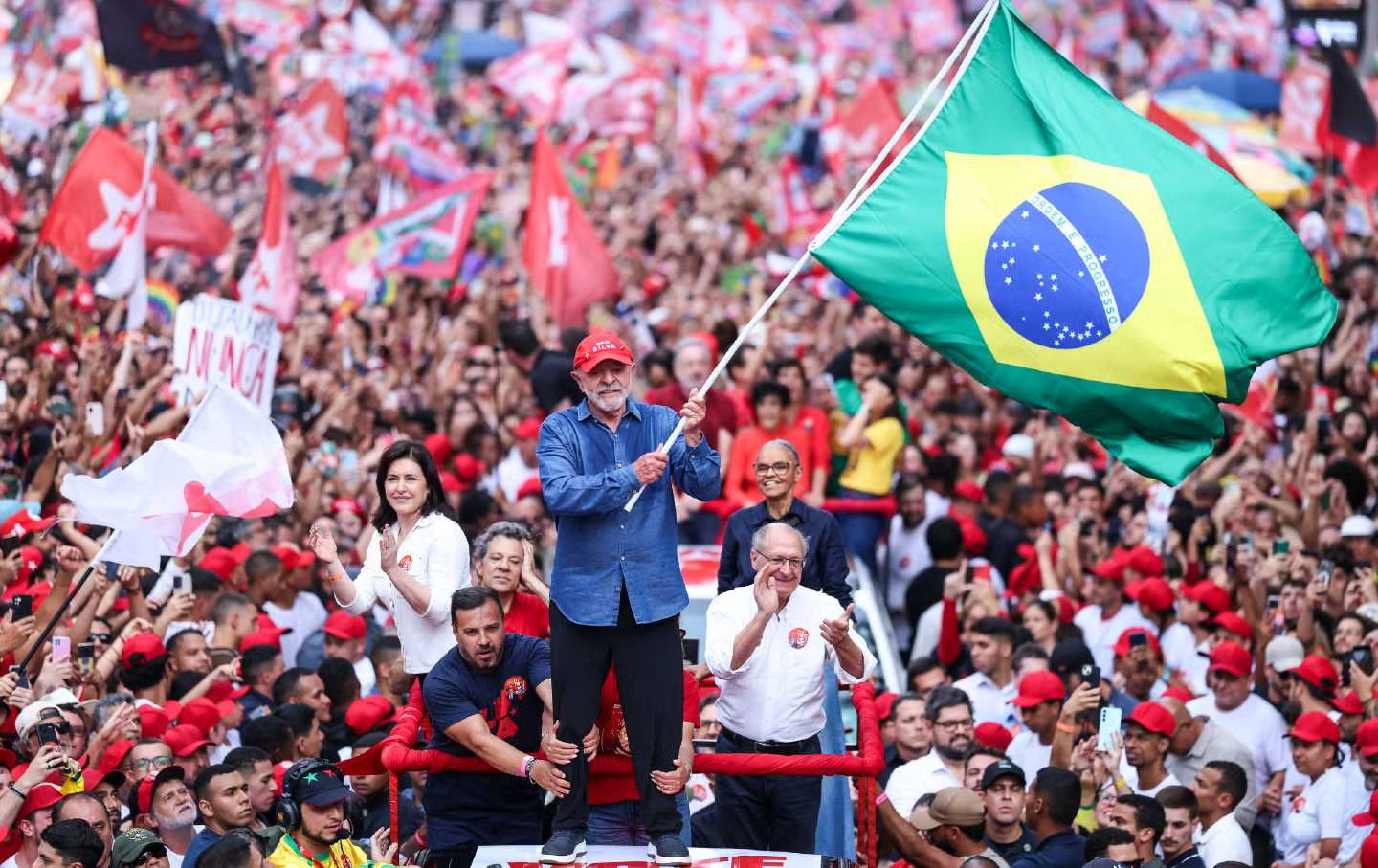
A leading Brazil scholar predicts that Trump will continue to meddle in Brazilian politics.
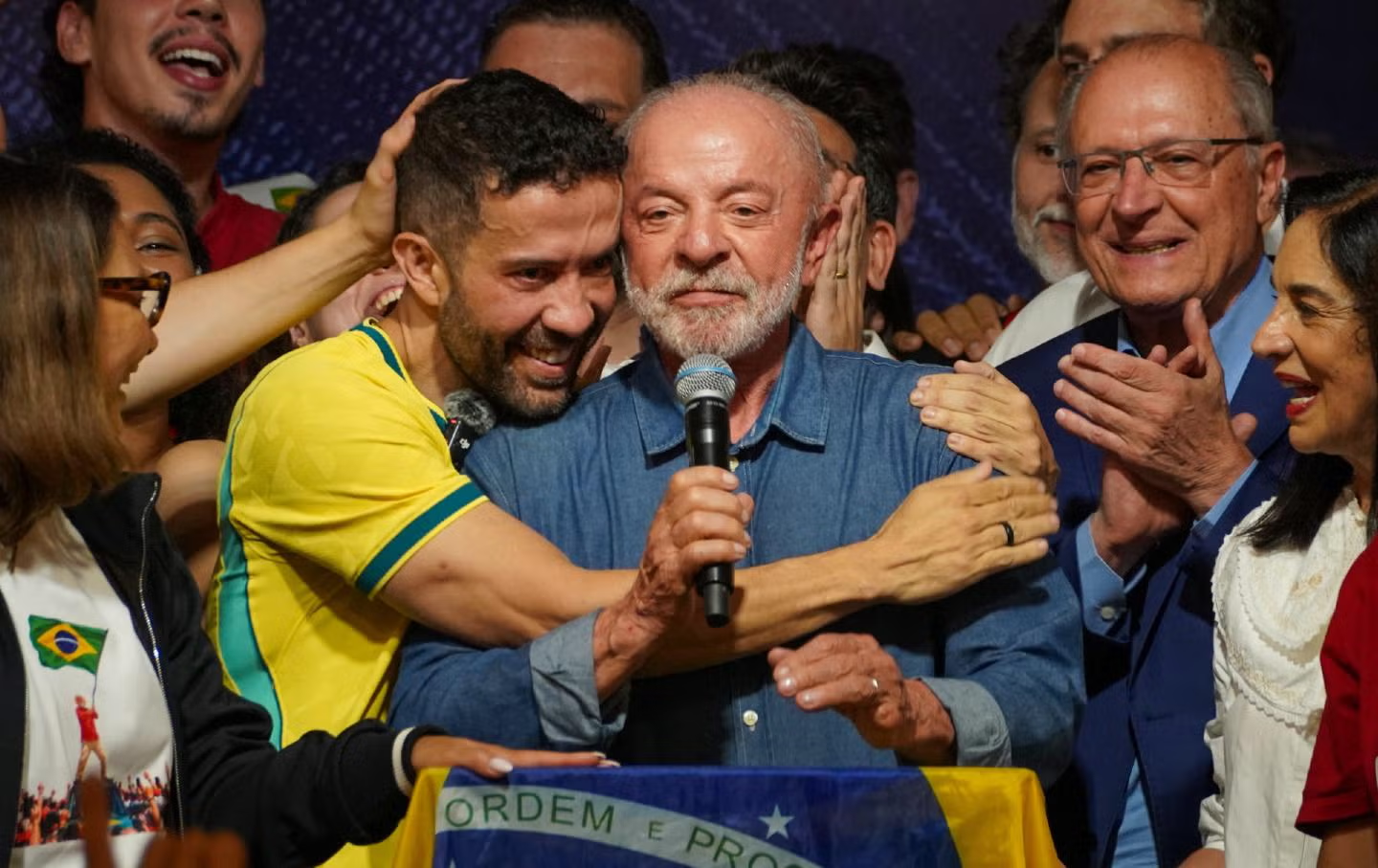
On October 25, Brazil’s incumbent president, Luiz Inácio Lula da Silva, won a momentous, come-from-behind victory over the candidate of authoritarianism, Flávio Bolsonaro. The dramatic electoral outcome has generated a wave of hope in Brazil and beyond; Lula’s win is widely perceived as a rebuke to the march of ultraconservative forces throughout Latin America and to the Trump administration’s flagrant attempts to bolster Bolsonaro and assert US control over Brazil’s political and economic future. Referencing US interference, Lula declared in his acceptance speech that his victory demonstrates that “this country does not accept being anybody’s backyard.”
Flávio is the 45-year-old son of former president Jair Bolsonaro, who was convicted of plotting a coup to stay in power when he lost the presidency to Lula four years ago. Like his father, Flávio has refused to concede his loss. Under investigation for corruption and money laundering, this week he fled Brazil and, on Trump’s order, was allowed free passage into the United States. Hoping for US support to install him in power, Bolsonaro promptly declared himself “president-elect” of Brazil, even though he lost the election by over 4 million votes. The mainstream Brazilian media has accused Bolsonaro of “coup-mongering.”
To understand the implications of these dramatic events, The Nation placed a call to one of the leading international experts on Brazil, Brown University professor emeritus James Green, in São Paulo. This, with a bit of editing for clarity, is what he told us.
—Peter Kornbluh
The Nation: Lula’s win is being heralded as historic. How do you interpret this unexpected and extraordinary victory for the first Brazilian to be elected president for a fourth time?
James Green: It is historic. I think it solidifies Lula as the greatest politician in Brazilian history. But there are reasons for this historic victory.
Current Issue

It is important to note that the first round of voting on October 4 took place amid one of the biggest corruption scandals in Brazilian history—the discovery that the head of a major bank, Banco Master, was bribing numerous Brazilians in the political world, including members of the Supreme Court. [Bolsonaro himself has been implicated in this scandal.] This caused tremendous distraction from the electoral process, and Lula’s campaign was quite lackluster; consequently, he lost the first round of voting by 1.9 points to Bolsonaro, leading to the runoff election on October 25.
After the October 4 vote, Lula’s campaign was in shock for a day, and then they turned it around. In less than three weeks, they did three key things to win the final election runoff.
The first was to carry out massive demonstrations in all the major cities of the country—huge, big demonstrations. This created a feeling of energy and community, and the possibility of winning with massive numbers of people in the streets.
The second was building a very effective social-media campaign. A pro-Lula congressman, André Janones, who is a very energetic and dynamic person, transformed his WhatsApp channel into a “Lula’s Army” website, which quickly garnered 10 million followers. This allowed the campaign to reach out through the Internet and to circumvent the algorithms that Meta was using to favor Bolsonaro’s campaign. For the first time, the left dominated the right on social media.
And the third initiative started spontaneously but then became a key part of Lula’s electoral campaign: asking supporters to draw up a list of friends and relatives whom they could convince to flip their vote or just get out and vote. The campaign targeted 16- to 18-year-olds, who can vote but don’t, as well as people over 70 who are not required by law to vote. There were wonderful videos on social media of people bringing their grandmothers to the polls, wearing their red Workers’ Party shirts and voting, of course, for Lula. This campaign helped bring 4 million people who had not voted in the first round to the polls for the runoff. And Lula won by about 4.5 percent, or about 4.5 million votes.
The night he won, there was just a huge, amazing celebration. It was as if Brazil had won the World Cup! It was that amazing.
TN: As you know, the defeated candidate, Flávio Bolsonaro, refused to concede and then fled into exile in the United States with the help of the Trump administration. (President Trump personally ordered that Bolsonaro be given “a pass” so he could enter the country.) As soon as he arrived in Miami, Bolsonaro cried “electoral fraud” and declared that he was the “president-elect” of Brazil—Brazil’s true “leader.” What do these political machinations mean for the aftermath of the election?
JG: It is still too early to know what Trump’s plan is with Flávio Bolsonaro, but I think Marco Rubio is interested in creating an exile government to pressure and weaken Lula’s administration. I imagine that they will impose more sanctions against Brazil, including on members of the government—performative sanctions against Brazil and some actual economic sanctions on the country.
But it is all going to backfire. There is a tremendously strong nationalist sentiment in the country. People are really questioning Bolsonaro’s commitment to Brazil since he refused to concede the election results and left the country. And because of the mass mobilization around the elections, I think there will be a lot of energy around mobilizing against any serious US measures to punish Brazil for this situation.
That said, Trump’s plan appears to consist of applying pressure from the United States, creating an alleged exile government in the United States, and also pushing the new Brazilian Congress, in which Bolsonaro’s Liberal Party now has a majority, to pressure Lula’s government—including efforts to impeach him. So it is going to be a very rough time for the new Lula administration. There is going to be tremendous pressure from the far right against it.
TN: Trump tried to put his thumb on the Brazilian election and engineer a victory for Bolsonaro. What, in your opinion, has motivated him to take such a keen interventionist interest in Brazil?
JG: The answer to that question lies in the Trump administration’s broader strategic plan for Latin America. Trump wants to return to a neocolonial time when there are spheres of influence and Latin America clearly belongs to the United States. He wants to put Latin America—Central and South America and the Caribbean—under the thumb of the United States again, reassert the Monroe Doctrine and US hegemony in the region.
Popular
“swipe left below to view more authors”Swipe →
That means controlling the economies of Latin America to provide markets and materials to the United States. And in Brazil’s case, also guaranteeing US access to rare earth minerals, which Trump has fixated on controlling. Brazil has the second-largest reserves of rare earth minerals in the world. Trump wants that. And Flávio Bolsonaro offered that to him.
There is also the issue of Cuba. At the end of the day, I think the big goal of both Trump and Secretary of State Marco Rubio is to destabilize and bring down the Cuban government. One of the major countries in Latin America that has maintained diplomatic relations and an open and friendly relationship with Cuba has been Brazil.
TN: Lula’s reelection has generated attention all over the world. Beyond Brazil’s borders, what are the regional and global implications of this very important victory over Bolsonaro?
JG: After a period of time when left-oriented, social-democratic governments were elected to power, there has been a counterwave of the far right throughout the region. And that has demoralized the Latin American left, leaving it weakened and disunited.
Now Brazil offers an inspiration. There is a possibility that Brazil could mark the beginning of a new dynamic, a counterswing away from the far right that now dominates countries like Argentina, Chile, Peru, Ecuador, and Colombia. Lula’s victory, I think, will inspire others to stay in the fight for social justice and equality, environmental protection, etc., rather than being demoralized about the future. That is an element of this dynamic that will be important.
More from The Nation
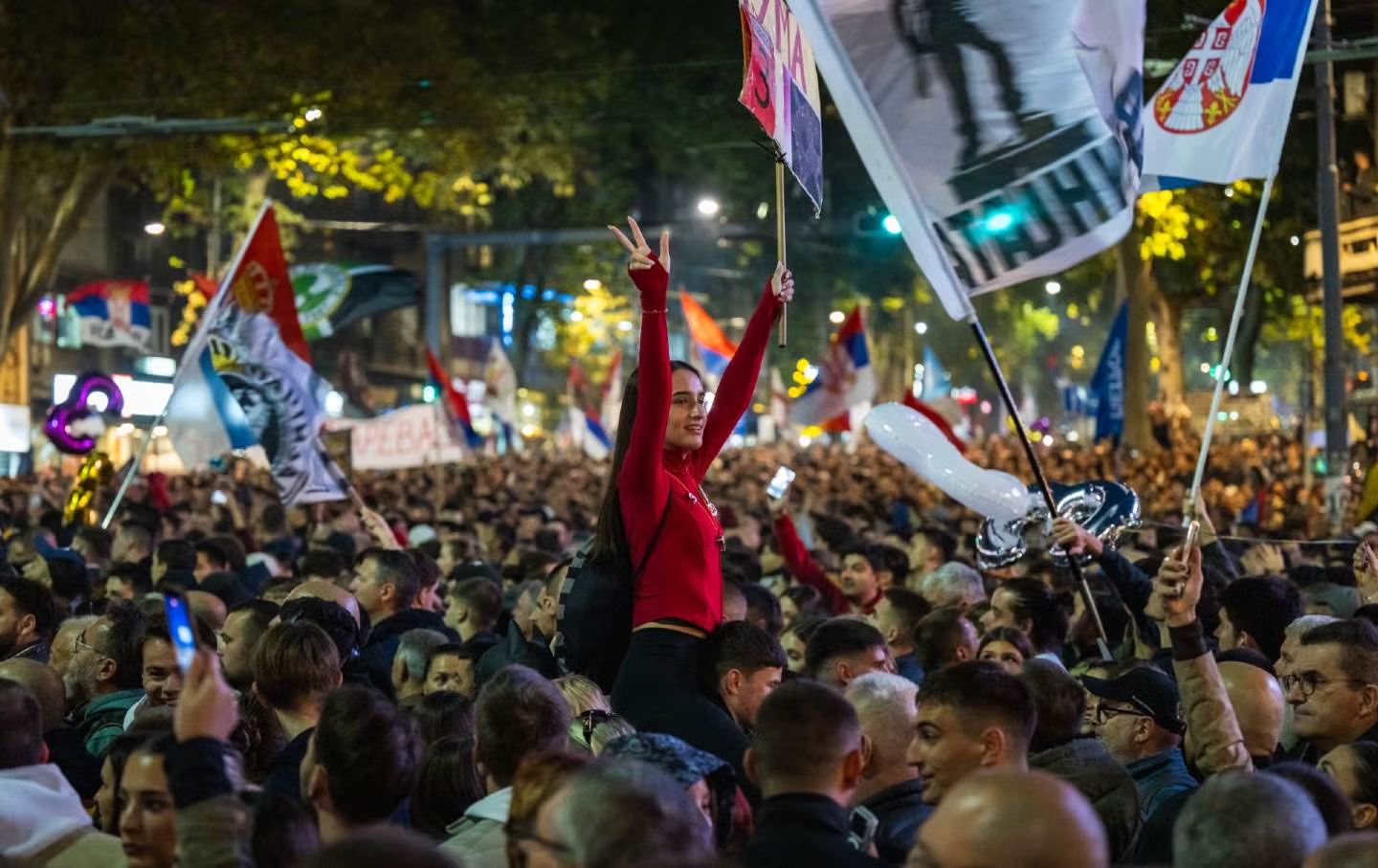
In Serbia, the students may have discovered a formula for rescuing democracy through nonviolence and commitment to collectivism. Students everywhere should take note.
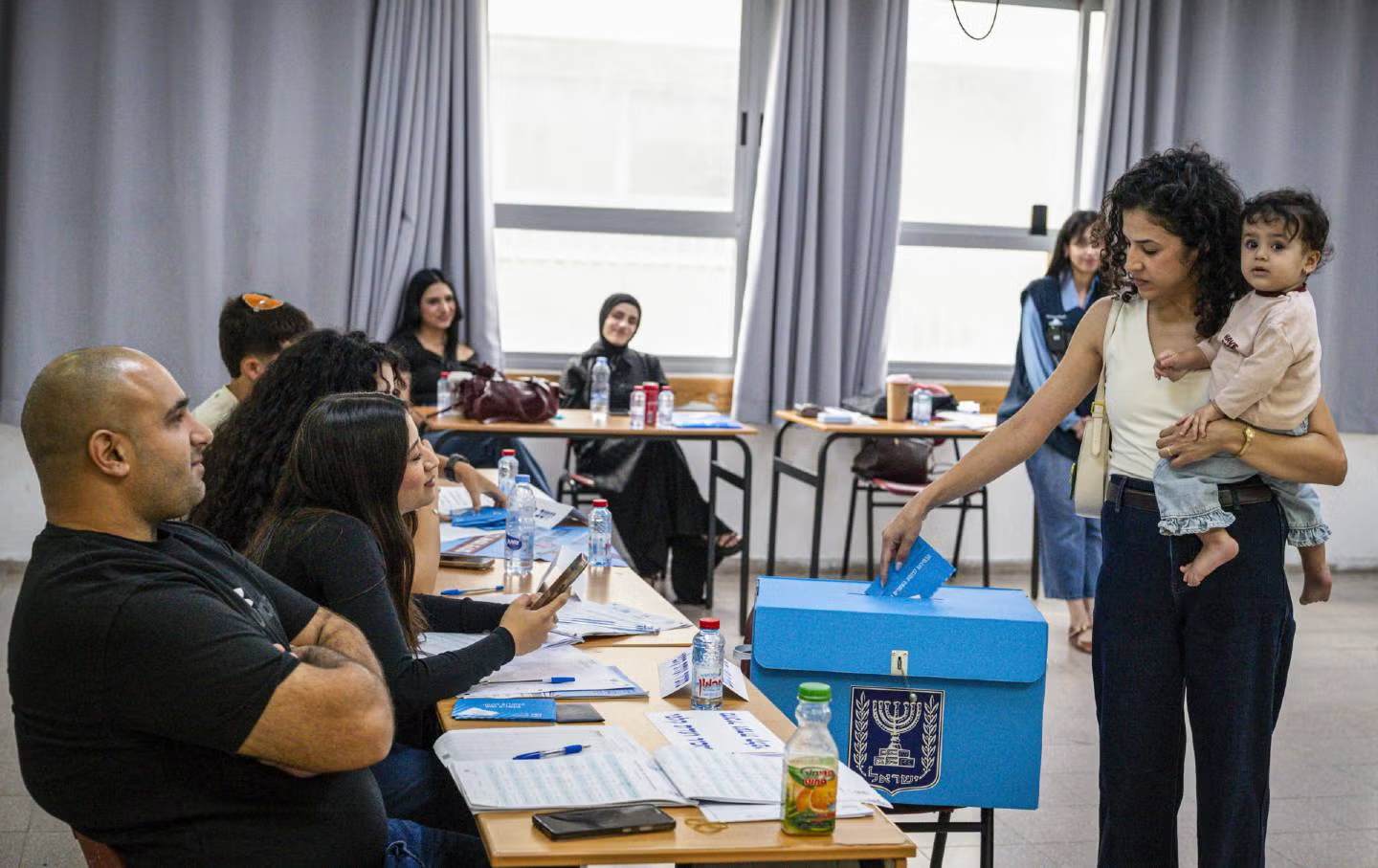
The real story in this election is the extraordinary and uplifting strength of the vote of Arab citizens in Israel.
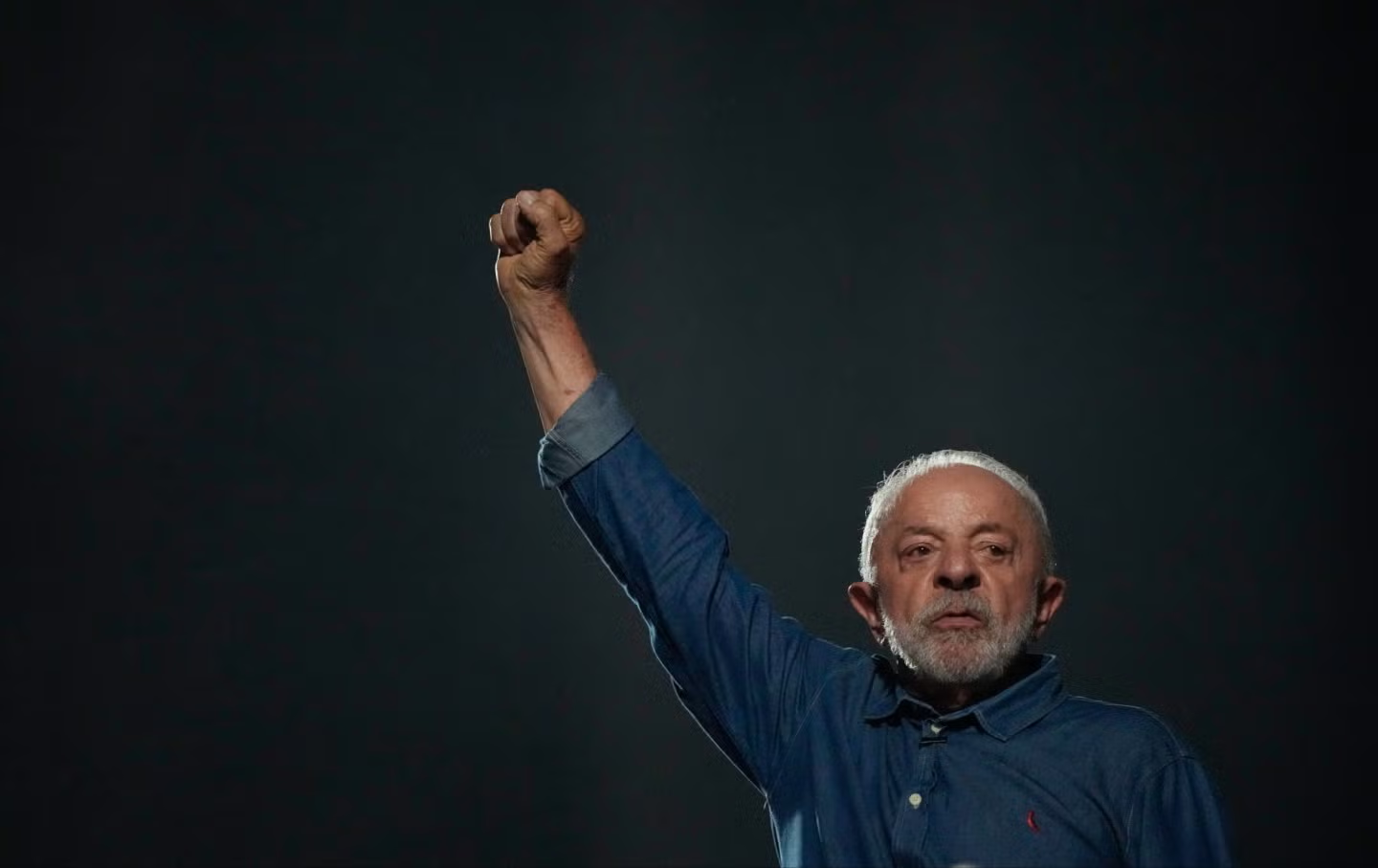
“I doubt that Russia, China, or the United States has an army as victorious as the army of democracy of this country,” the president told his supporters.
The Brazilian left has stopped the right-wing wave in Latin America. Now it has four years to work out a succession plan.