
Mere decades ago, children would quench their thirst with sugary, neon-colored Hi-C, Kool-Aid, and Capri Sun, and in more desperate moments, even the backyard garden hose was sufficient.
But recently, there’s been a proliferation of new children-focused beverage innovations from mainstay brands like Kraft Heinz’s Capri Sun and Kool-Aid and Nestlé’s Gerber, as well as startups founded by Jennifer Garner, the actress, and Michelle Obama, the former first lady, that come with stronger hydration and electrolyte claims. These drinks are frequently made with more natural ingredients and are free of artificial dyes and sweeteners, but retain popular kid flavors like tropical punch and berries.
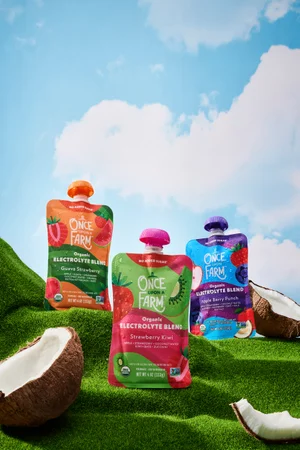
This week, Garner’s organic children’s nutrition company Once Upon a Farm debuts a new lineup of refrigerated pouches called Electrolyte Blends in flavors like strawberry kiwi and guava strawberry. The launch comes mere weeks after Gerber unveiled a rehydration-focused line called Gerberlyte. Capri Sun’s electrolyte-focused Hydrate line and Kool-Aid’s electrolyte packets launched earlier this year.
These brands are aiming their better-for-you hydration products at Generation Alpha children and the 47% of U.S. guardians who report they are looking for electrolytes, B-vitamins, or prebiotics when buying drinks for children between the ages of 6 and 12, according to Once Upon a Farm. It cited data from the wellness-focused retail market researcher Spins.
“Everyone’s paying more attention to what kids are drinking and to hydrating in general,” Garner tells Fast Company. “What’s available for kids is often a grown-up product in a smaller container, or really full of artificial flavors and colors.”
Sally Lyons Wyatt, an executive vice president at Circana, says the market researcher has found that 43% of consumers seek hydration benefits from their beverages. “We really are seeing that increasingly, families with kids are expecting their beverages to provide additional benefits,” Lyons Wyatt tells Fast Company.
Do kids actually need more electrolytes?
The digitally immersed members of Generation Alpha—the oldest of whom are in their mid-teens—are also more aware of food and beverage health claims. But some experts warn that the functional benefits new drinks are touting aren’t always necessary. Malina Malkani, a registered dietitian nutritionist, tells Fast Company that almost all children have a diet that’s naturally packed with electrolytes, which include minerals like potassium and calcium.
“Anything that is being marketed as a way to displace water is concerning,” says Malkani. “We don’t have an electrolyte deficiency in our children. We have a water habit that hasn’t been adequately built yet in a vast majority of kids.”
“We’re very careful about making firm health claims,” says John Foraker, Once Upon a Farm’s CEO, who tells Fast Company that messaging frequently focuses on the use of organic fruit and vegetable ingredients. The brand’s new Electrolyte Blends are pitched as supporting “daily hydration and electrolyte balance.” Adds Foraker, “We don’t want to overstate.”
Kids’ brands are growing up
Founded in 2015, Once Upon a Farm made its debut on the New York Stock Exchange in February and has since expanded its lineup with new meat and bone broth, snack bars, and smoothies. “Part of our strategy is to continue to age our business up so that we’re holding consumers in the brand longer,” says Foraker.
The Obama-founded Plezi Nutrition is also aiming to expand its reach. When the public benefit company debuted in 2023, it focused on promoting healthier sports drinks and carbonated beverages, especially those targeted at kids. Plezi was an extension of Obama’s efforts to improve children’s health during her time in the White House.
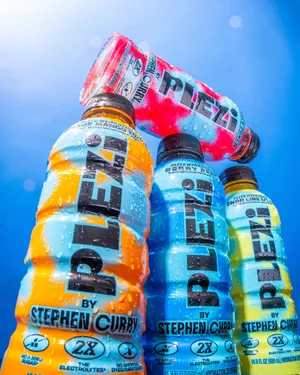
But the brand, which has collaborated with the NBA star Stephen Curry and his wife Ayesha, has “shifted our strategy to more of an age-agnostic approach,” Anup Shah, Plezi’s chief operating officer, tells Fast Company. “We’ve gone to a market that we feel is much bigger and can impact more people.”
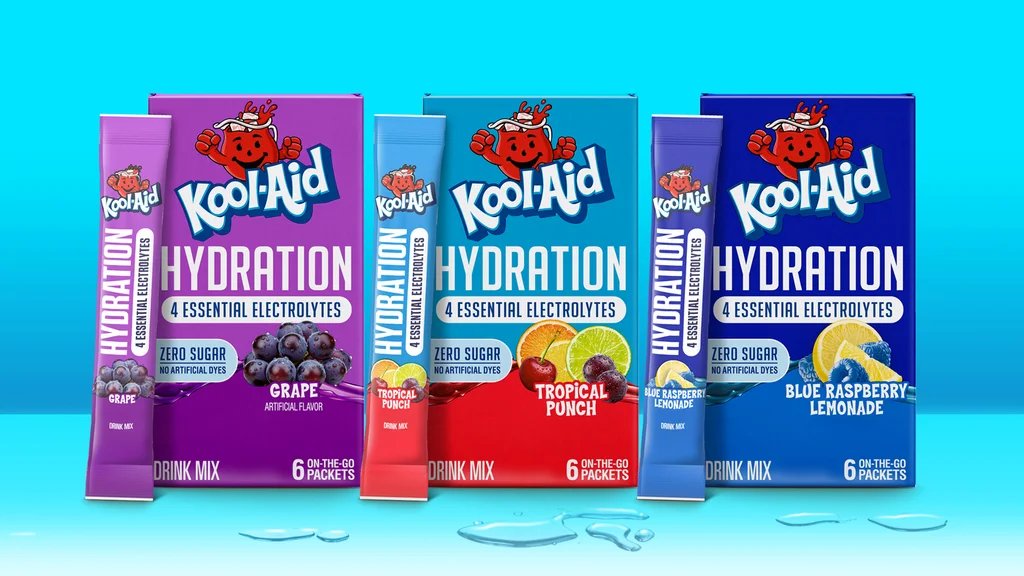
Kraft Heinz’s new Capri Sun and Kool-Aid products align with the food giant’s commitment to remove artificial colors from all of its U.S. products by the end of 2027. The company has also homed in on electrolytes, which Ashley Tople, Kraft Heinz’s VP of marketing for hydration, says has become an especially important benefit claim in the $64 billion functional beverage category.
“What we’ve heard from parents is they have this conundrum of both taste and health, and nothing is being designed specifically for an active kid moment,” Tople tells Fast Company. “That’s a massive white space we took advantage of.”
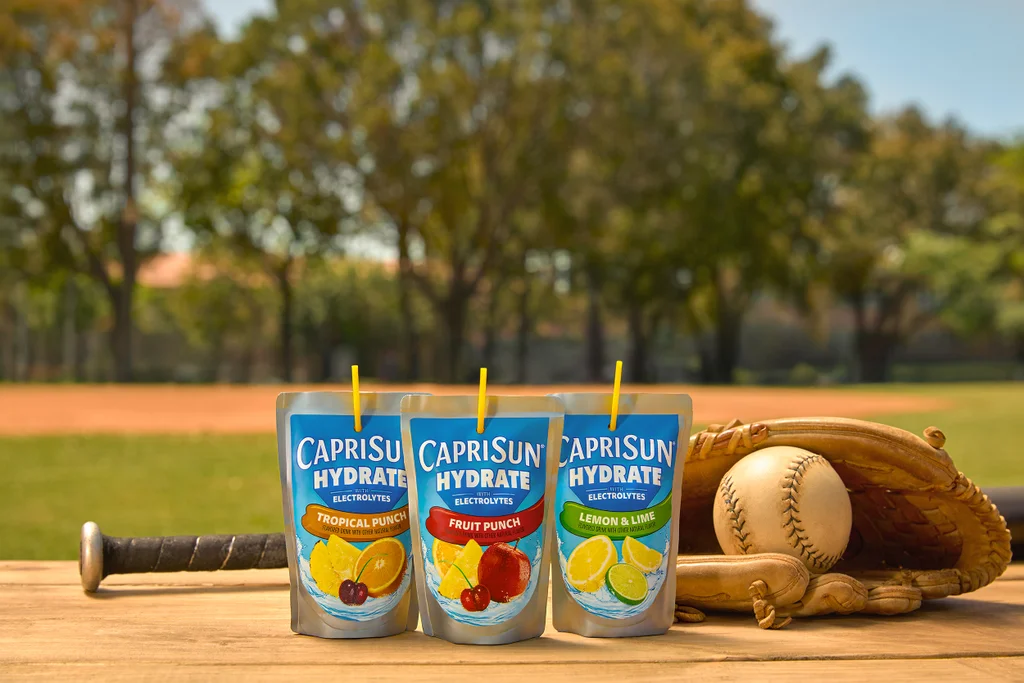
Capri Sun Hydrate, which has electrolytes like potassium and sodium, hit retail shelves in April. A month later, Kool-Aid Hydration debuted as a kid-focused product that’s similar to Liquid I.V.
Kool-Aid Hydration contains no sugar, while Capri Sun Hydrate has 50% less sugar than the leading sports drinks on the market. “Whenever you talk to parents, the first question I hear is, ‘What sugar level is this?’” says Tople.
Even century-old brands are changing
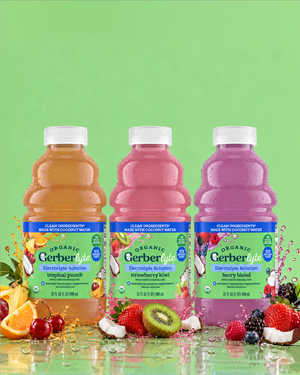
The Kool-Aid innovation debuts just one year before the brand’s 100th anniversary in 2027, the same year that Nestlé’s Gerber celebrates its centennial. Oscar Benítez, president of Nestlé Nutrition U.S., tells Fast Company that the new Gerberlyte formulation is made with organic coconut water, features electrolytes, and is free of artificial dyes or sweeteners.
Like Kraft Heinz, Nestlé has been reformulating much of its portfolio to adhere to modern health trends, a trend that’s been accelerated, in part, by the Make America Healthy Again movement promoted by Robert F. Kennedy Jr., the U.S. health and human services secretary.
Benítez says Gerberlyte was developed with feedback from parents and pediatricians, as well as taste testing with kids at the company’s research and development facility in Fremont, Michigan, to find the right balance for flavors like strawberry kiwi and berry blend.
“We see consumers evolving constantly,” says Benítez. “Hydration is now a key element in the parent’s mind. It wasn’t in the past.”