
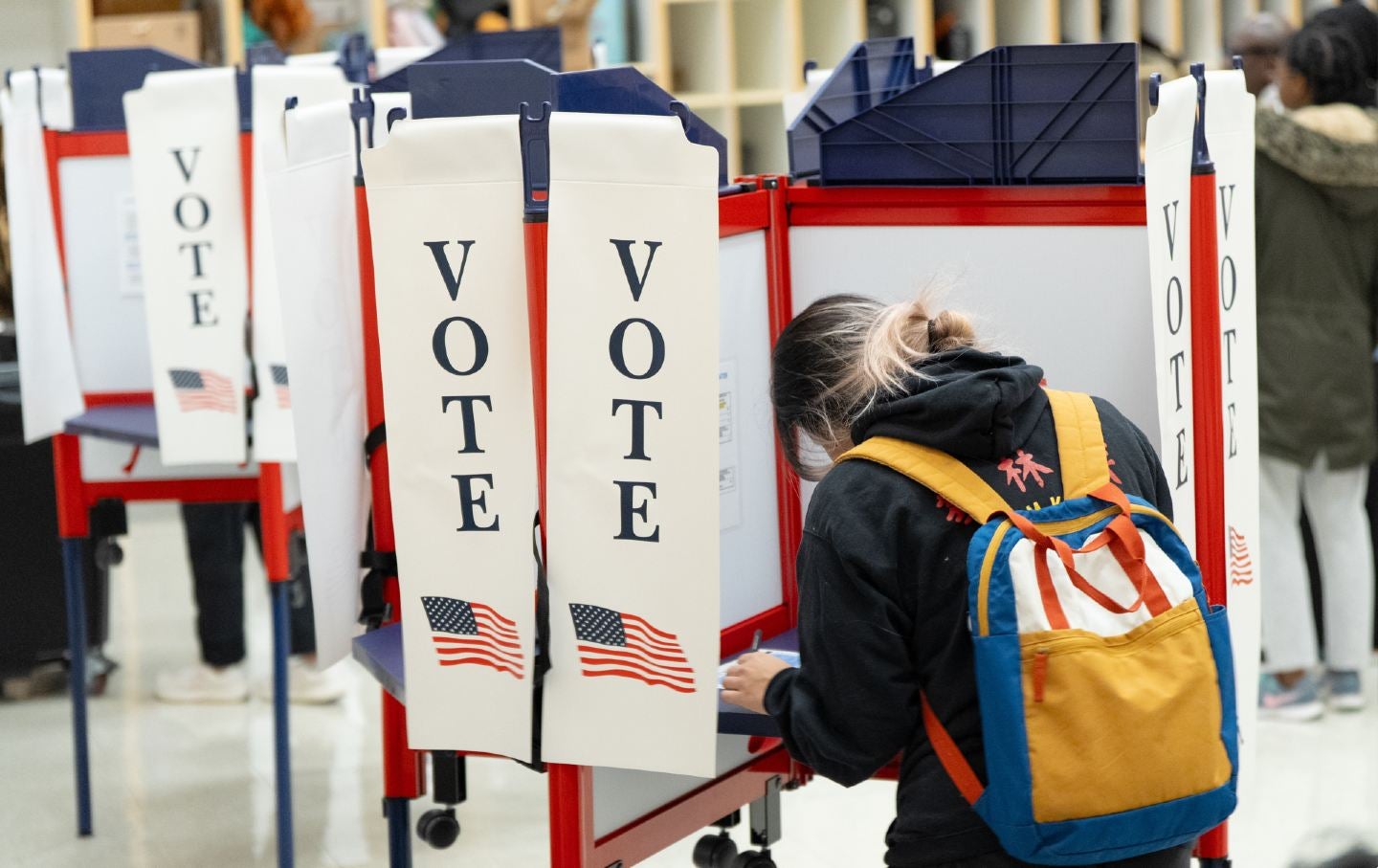
Republican-led efforts threatening young people’s rights to the ballot have sparked efforts to protect the youth vote across college campuses.
In response to increasing federal attempts to limit ballot access, lawmakers, students and college administrators are mobilizing to safeguard young people’s access to voting.
(Mel Musto / Bloomberg via Getty Images)
More than 80 percent of eligible voters aged 18 to 29 in key battleground states said that they “probably” or “definitely” plan to vote in the upcoming midterm elections, according to a recent survey. Despite this enthusiasm, deep concerns remain that thousands of student voters may be thwarted from casting their ballot come November by an absence of polling sites on college campuses.
On October 15, the first day of in-person early voting in North Carolina, more than 100 students walked 40 minutes to the Guilford County Courthouse to cast their ballots after a Republican-majority state board of elections denied requests for early voting sites at two Greensboro universities.
The students, from North Carolina A&T State University, the largest historically Black university in the country, and the University of North Carolina at Greensboro, had access to on-campus early voting during the 2024 election. While dozens of students advocated for adding the two polling sites, the sites were ultimately denied in January, with the board citing low turnout.
“Honestly, it took me back to the same fight that our ancestors were fighting years and years ago in the ’60s,” North Carolina A&T senior Tatiana James, the president of the university’s NAACP chapter, told The Nation. “Today, it’s the same fight, it’s just dressed up differently.”
In 2024, the closest polling site on campus was located at the Dudley Memorial Building, which features a statue of the Greensboro Four—the four Black students from North Carolina A&T who staged a sit-in at a segregated Greensboro lunch counter during the civil rights movement in 1960. “That’s literally the history of A&T. That’s our significance,” James, who is currently mobilizing students on campus to vote early, said.
At North Carolina A&T and college campuses across the nation, Republican-led efforts that threaten young people’s rights to the ballot have sparked efforts to protect the youth vote across college campuses. In an analysis of 35 states offering in-person early voting in 2020, 74 percent of college campuses lacked in-person voting options on campus, and over half of American college students did not have any voting option on campus.
Current Issue

Threats to youth voting rights extend well beyond the absence of on-campus polling locations. Restrictive residency and voter-ID requirements disproportionately burden young voters, who often move frequently and may lack accepted identification, especially in states that do not accept student IDs. Young people also face a disproportionately high risk of provisional ballot rejections and late mail ballots. For first-time voters already juggling coursework, jobs, and navigating an unfamiliar electoral system, these barriers can make casting a ballot especially difficult, experts said.
“For the first time since the Voting Rights Act was passed in the 1960s, we have millions of Americans headed to the polls without clear federal protections to enforce voting rights,” Rebekah Caruthers, the CEO of the Fair Elections Center, told The Nation. She noted that such threats could disproportionately impact young voters, potentially affecting a significant segment of the electorate; nearly 50 million people between the ages of 18 and 29 are eligible to vote in November.
In Texas, the majority-Republican Tarrant County Commissioners Court cut the number of polling places by nearly a third, from 316 in the previous midterms to 224. This included the elimination of four early voting locations on college campuses, including two places at Tarrant County College campuses and another at the University of Texas at Arlington.
“If you combine the [UT Arlington] student population, the faculty, and the staff, that’s about a population of 60,000, and no polling locations except the closest one a mile and a half away,” Janet Mattern, the president of the League of Women Voters of Tarrant County, said. Mattern and her team are offering options for low-cost transportation to the polls in the county.
“If it happens in Tarrant County, it can happen in other places too,” Mattern said.
This April, New Hampshire joined 10 other states in eliminating student IDs as a form of identification. Washington voters aged 18 to 25 faced the highest rate of challenges to their mail-in ballots from 2020 to 2025, according to a recent study. And in Greensboro, North Carolina, the student polling site now located at the county courthouse is “still really inaccessible to students,” according to Olu Rouse, the cofounder and codirector of Protect Ours North Carolina.
“You have to cross multiple highways and main streets to get to the site by walking,” Rouse told The Nation. “For first-year students who do not have cars, this has always been a concern, and why we pushed so hard for an on-campus early voting site,” he said.
The threats facing young voters are not confined to the local level, experts warned. In Washington, Republican lawmakers have pushed to overhaul voter registration requirements through the SAVE America Act, which passed the House earlier this year. The proposed bill requires Americans to present proof of citizenship to election officials when registering to vote for the first time, whenever they update their registration following a change of name or address—measures that could disproportionately impact low-income youth and youth of color.
Although the bill has stalled in the Senate, similar measures have gained traction in state legislatures. Since 2024, 12 states have joined Arizona and Georgia by enacting laws similar to the SAVE Act.
The broader topic of voting rights has also reached the Supreme Court. In April, the justices ruled in Louisiana v. Callais that Louisiana’s effort to create a second majority-Black congressional district amounted to racial gerrymandering that was unconstitutional. The decision also narrowed the circumstances under which the Voting Rights Act can justify race-conscious redistricting.
“We saw it as the last attack, the last takedown of the Voting Rights Act,” Selasi Tagbor Morales, communications manager at the Alliance for Youth Action, said. “That was very much a decision that was a product of this administration,” she said.
These federal actions could have a chilling effect on young voters this November, Molly Metz, a first-year student at Penn State and the president of the university’s NextGen chapter, explained. Speaking in her personal capacity, Metz pointed to President Trump’s unfounded claims of voter fraud associated with mail-in voting and the administration’s rhetoric on election interference as possible deterrents to voting.
“I think a lot of people are also afraid to even go in person to vote,” Metz said. “It is a really scary thing to do in a climate where ICE might be there and monitor the polls, as has been threatened.” Though the administration has denied that it will send ICE agents to the polls, advocacy groups are remaining cautious.
In response to increasing federal attempts to limit ballot access, lawmakers, students, and college administrators are mobilizing to safeguard young people’s access to voting.
Last month, Senator Elizabeth Warren reintroduced the Youth Voting Rights Act of 2026, which, among other measures, would require on-campus polling stations, expand voter registration at public colleges and universities, and allow preregistration before young people turn 18. Representative Nikema Williams introduced similar legislation in the House last year.
Popular
“swipe left below to view more authors”Swipe →
“Young people have a constitutional right to vote, and no politician should be allowed to stand in their way. With Trump and Republicans pushing voter suppression policies and on-campus polling sites being shut down nationwide, we must act now to protect young voters ahead of the midterms,” Warren told The Nation. “The Youth Voting Rights Act will break down barriers to the ballot box and make sure young people have a fair say in the future of our country.”
These various obstacles put in the way of youth political participation collectively reveal a “constellation of abridgements of the right to vote on account of age,” said Yael Bromberg, the architect of the Youth Voting Rights Act and an American University law professor. “They may look like rollbacks to the availability of offering student identification where voter-ID requirements are in place, or continued inconsistencies with equal access to vote by mail,” Bromberg said.
At Bates College, new students stop at a voter registration booth before getting their room keys. Massive student-led outreach campaigns are also conducted, among a host of other efforts to mobilize young voters. “Colleges should not be neutral on democracy,” Jonathan Becker, the acting president of Bates College and co-editor of “Youth Voting Rights: Civil Rights, the Twenty-Sixth Amendment, and the Fight for American Democracy on College Campuses” with Bromberg, said. “The foundations of American higher education are informed by a belief in engaged citizenship—that is a through line in American higher education since the revolution, and voting, as the most foundational of democratic rights, is one they should be supporting.”
One of the biggest barriers to youth voting has been a lack of information, according to Metz. “If the process becomes any bit difficult, it becomes increasingly harder to motivate people who may be on the fence about voting,” she said, pointing out that many students do not know how to start a mail-in ballot away from home or format their dorm addresses. “It’s an objectively confusing process, and it’s hard to blame them when the system is not really set up with college students in mind.” Approximately 40 percent of 18-to-24-year-olds in the nation are enrolled in college, and these young voters could help play a decisive role in closely contested states such as Maine and New Hampshire.
Ahead of the midterms, Alabama A&M student Kelvin Edwards is constantly sending e-mails urging voting as part of the campus’s civic engagement and voter registration team. A combination of tabling events, civic engagement game nights, and a planned “March for Midterms” is energizing a majority of students to show up to vote, according to Edwards.
“Groups like [NextGen America] are doing everything in their power to provide pathways [to voting],” Arianna Jones, the executive director of NextGen America, said. “The big thing for me is that young people take hold of their own futures and step into that power and recognize the fact that no one would be fighting this hard to take it away from them if it wasn’t worth it.”
More from The Nation
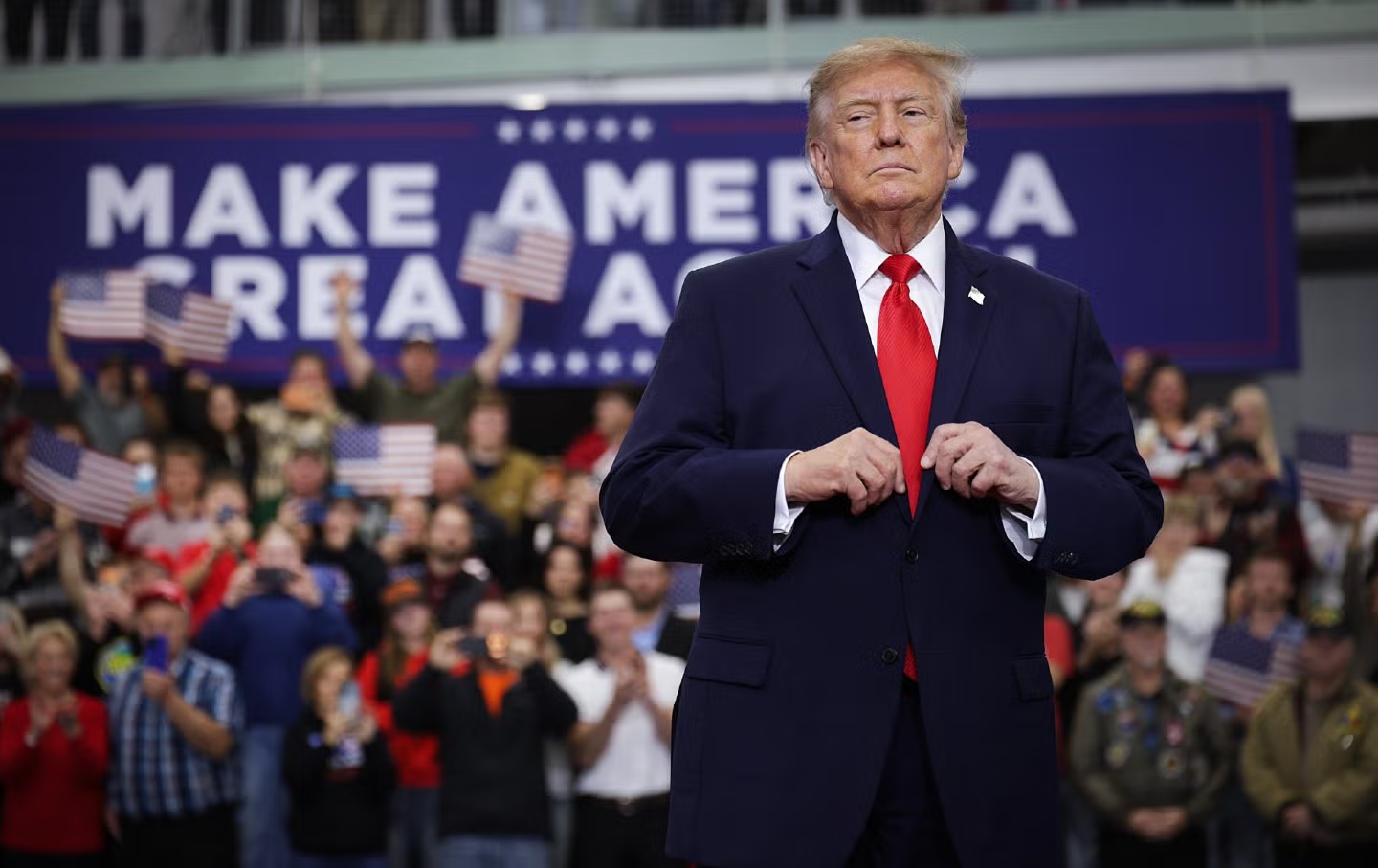
The Alaska case is a red flag that Trump has no intention of accepting the results of an election that Republicans lose.

Peaceful demonstrations were overshadowed by violence and destruction in the streets of Paris and Limoges.
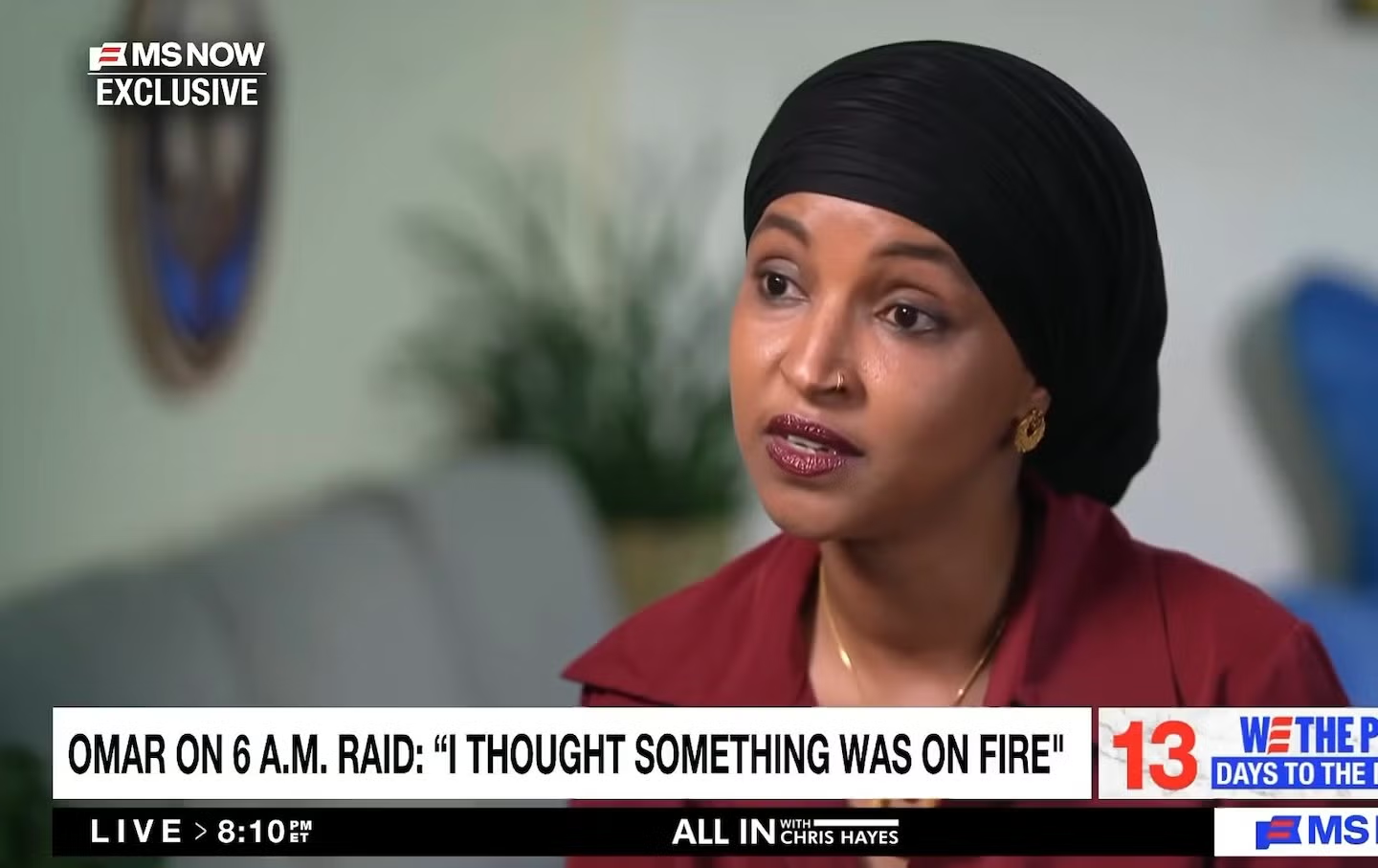
The attempt to strip Omar of her citizenship is part of a much bigger push for the mass denaturalization of American immigrants.
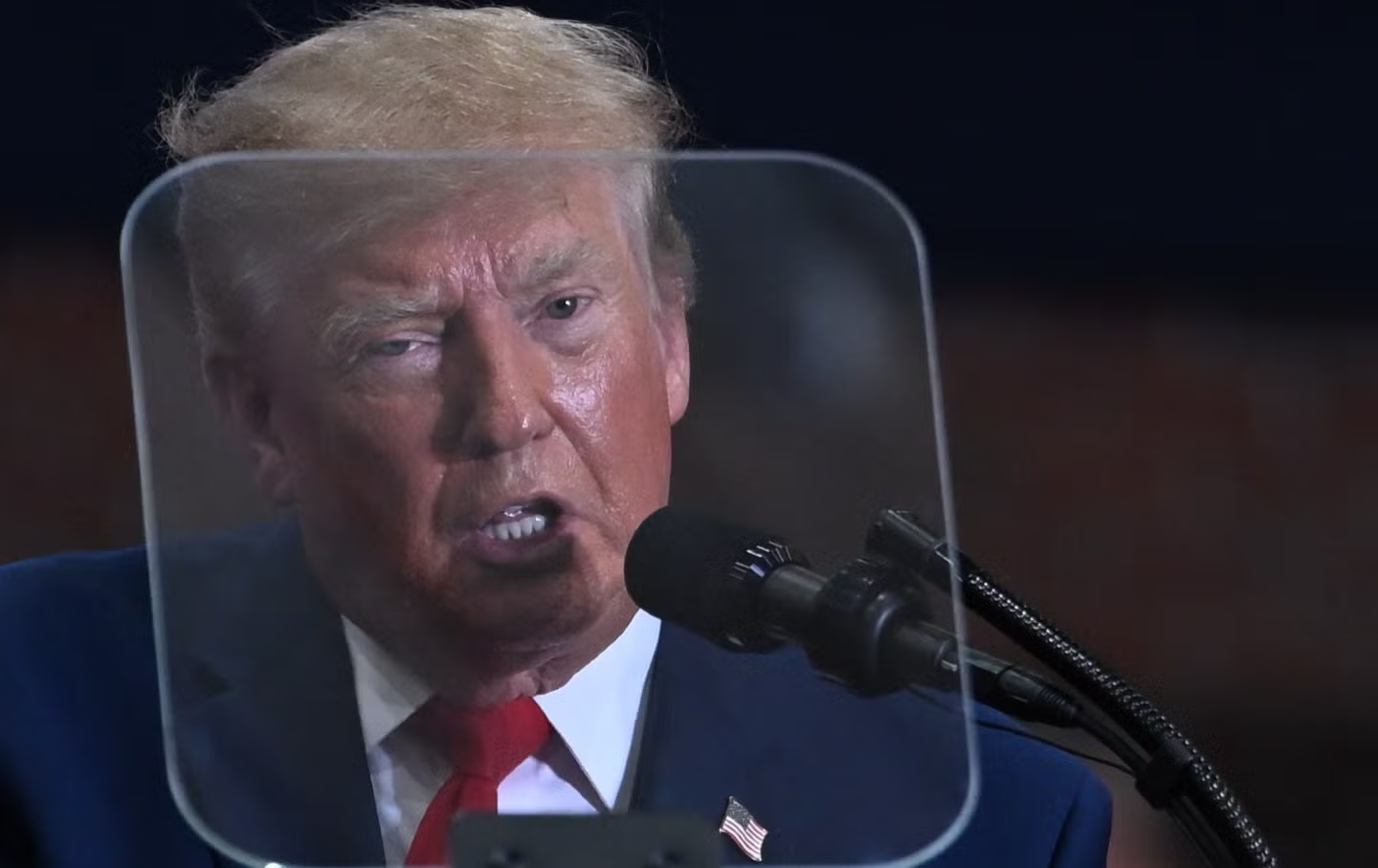
The president’s flailing midterms campaign underscores a truth we should be acknowledging more often: He kind of sucks at this.
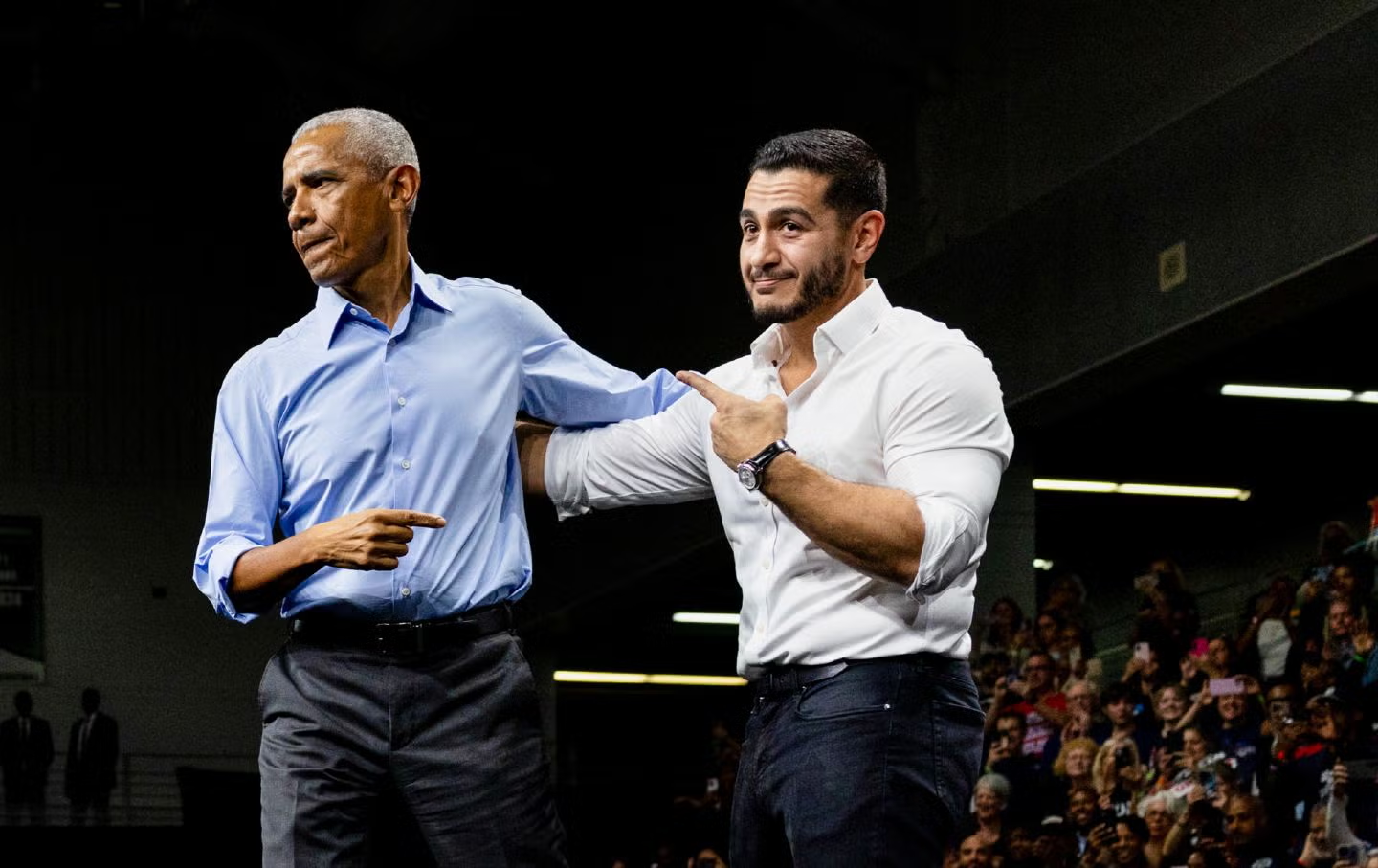
Unlike other establishment figures, the former president isn’t scared to associate with the party’s left flank.