

QUESTION: Marty, your computer forecast for civil unrest beginning in 2026 is plainly correct. Is this becoming a global phenomenon?
Jason

ANSWER: I have stressed that the computer has warned that this is (1) Global Civil Unrest, and (2) It is an International political risk assessment against the abuse of Republics.
There is evidence of a widening wave of civil unrest across Europe and parts of Asia, including Serbia, India, and Indonesia. However, it is not one coordinated revolutionary movement. Different countries are experiencing protests over inflation, energy prices, education, corruption, housing, unemployment, and declining confidence in political institutions. Our models forecasting that we are in the midst of an energy crisis also thanks to the hatred of Russia that has spread from Ukraine to the rest of Europe. Some countries want to abandon Ukraine like Italy. This is the smartest thing they can do and they will have to break with the EU.
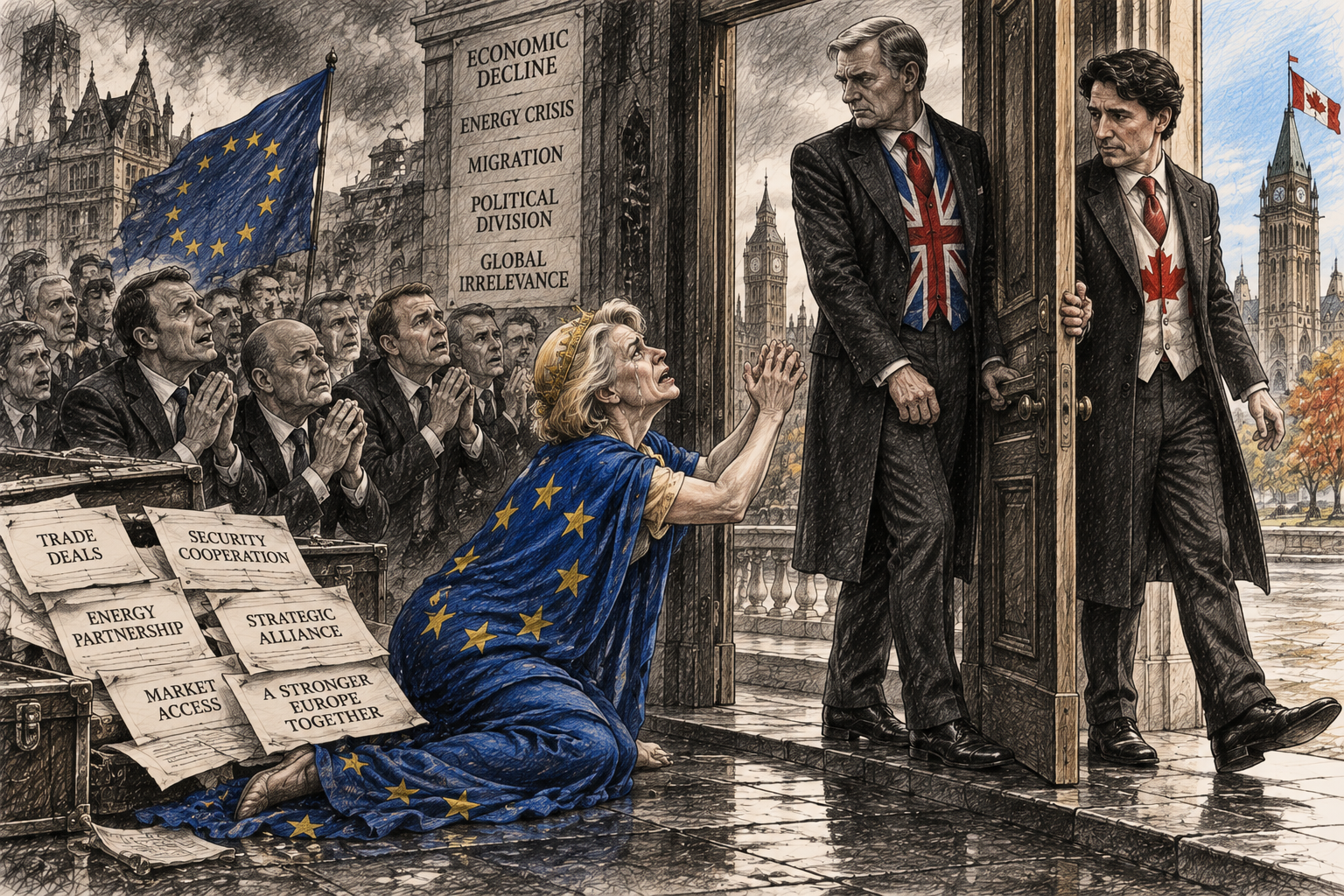
This rise in civil unrest is a threat to the unity of the EU. This is why the EU must demonize Putin for Russia is the best enemy to retain unity and power they can buy for the money. They will need to act to create the external threat from Russia as if this was still the old cold war of capitalism vs communism. They must act before April when the French elections are coming and they can lose Germany to AfD and France and that undermines the EU’s existence when civil unrest is directed at their policies. This is why the EU is now courting Canada and the UK to join to keep the EU alive and to provide their youth to fight Russia to keep the jobs of bureaucrats in Brussels. They understand this rising civil unrest threatens their existence because of their stupid climate change, COVID, and migrant policies.
Youth-led demonstrations are spreading across Europe, particularly in France, Belgium, Italy, Albania, and Serbia. We are witnessing global protests activity in Indonesia and other countries outside Europe. The victory of Serbian youth is encouraging others around the world. I have always said that civil unrest becomes a CONTAGION that often results in revolutions.
The common economic theme is significant: rising living costs and declining expectations are bringing younger generations into confrontation with established political systems. This is the fall of Republics that I have been warning about.
Countries experiencing significant unrest in Europe and the Balkans
France Education, cost of living, government spending, police confrontations Severe, expanding
Belgium Student demonstrations, education funding, police clashes Elevated
Italy Education, inflation, energy costs, labor demonstrations Elevated
Serbia Student-led anti-corruption movement, political accountability Major political upheaval
Albania Corruption, living costs, government accountability Elevated, sometimes violent
Spain Housing affordability, evictions, economic dissatisfaction Large-scale mobilization
Portugal Housing costs, public services, police responses Elevated
Greece Education, austerity concerns, living costs Active demonstrations
Austria University funding cuts Significant demonstrations
Germany Education funding, military service, youth dissatisfaction Mobilization increasing
Ireland Student fees, university funding, housing affordability Notable protests
France is currently one of the most serious flashpoints. Reuters reported hundreds of thousands marching on October 24, with violence developing in Paris and Marseille after largely peaceful demonstrations.
Serbia is particularly important because its student-led movement has already demonstrated the ability to alter the political balance. The movement developed over a longer period and should not simply be characterized as an extension of the recent French protests.
Asia and Southeast Asia
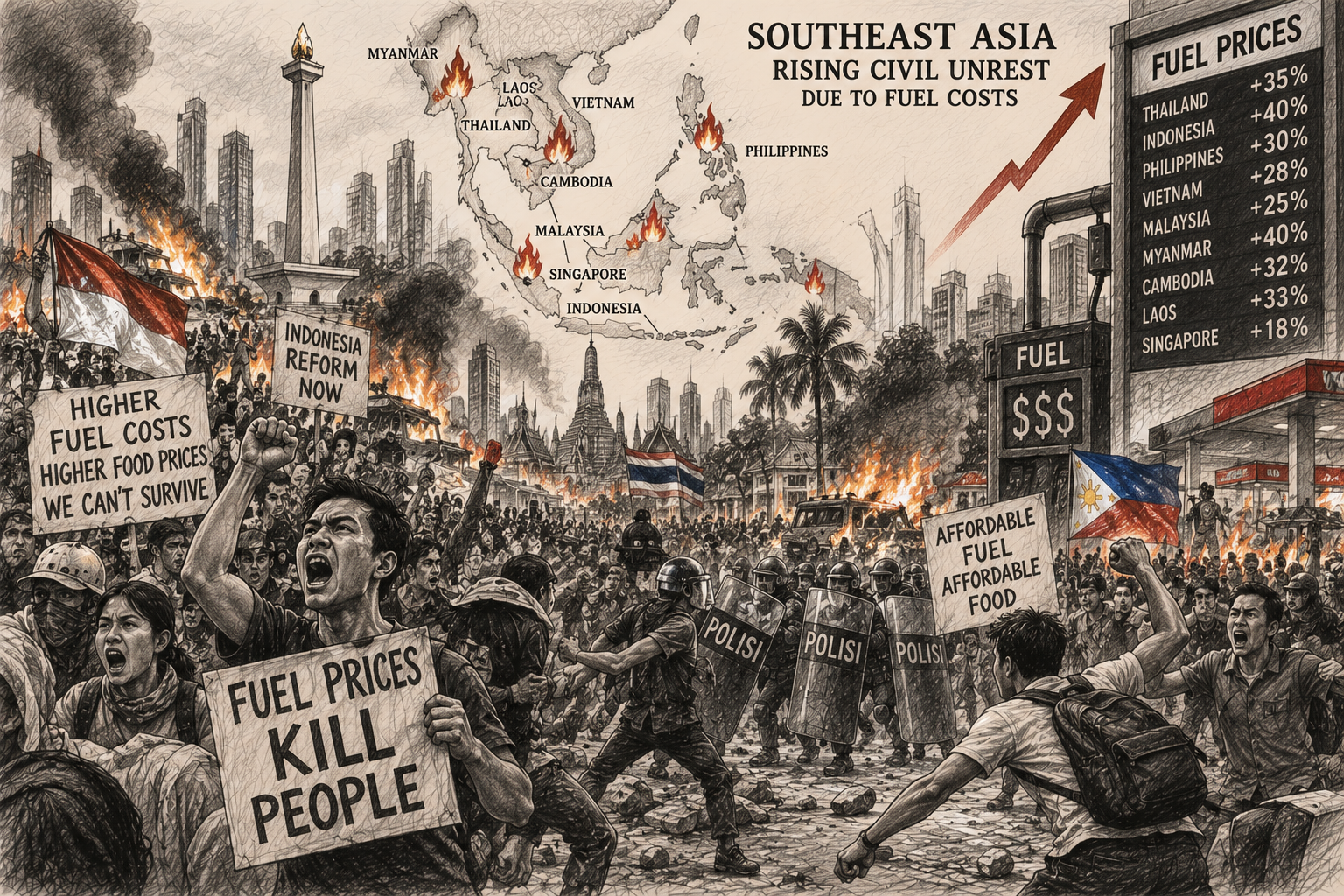
Indonesia Fuel prices, subsidy cuts, forest fires, government spending Renewed protests
India Youth unemployment, education, voting rights, policing Expanding movement
Pakistan Fuel inflation, economic hardship, political tensions Persistent unrest
Nepal Corruption, economic hardship, political reform Continued instability
Bangladesh Political transition, party tensions, fuel costs Localized instability
Sri Lanka Living costs, fiscal pressures, corruption concerns Vulnerable to renewed unrest
Philippines Corruption, accountability, economic grievances Significant recent protest history
Timor-Leste Youth-led political grievances Significant recent protest history
The clearest new development is Indonesia. On October 28, students demonstrated in Jakarta against rising prices, energy-subsidy cuts, and the government’s handling of major forest fires. Similar protests have occurred in other affected regions.
India is another important country to watch. Reuters and The Atlantic describe growing youth mobilization involving employment, education, and allegations concerning electoral administration.
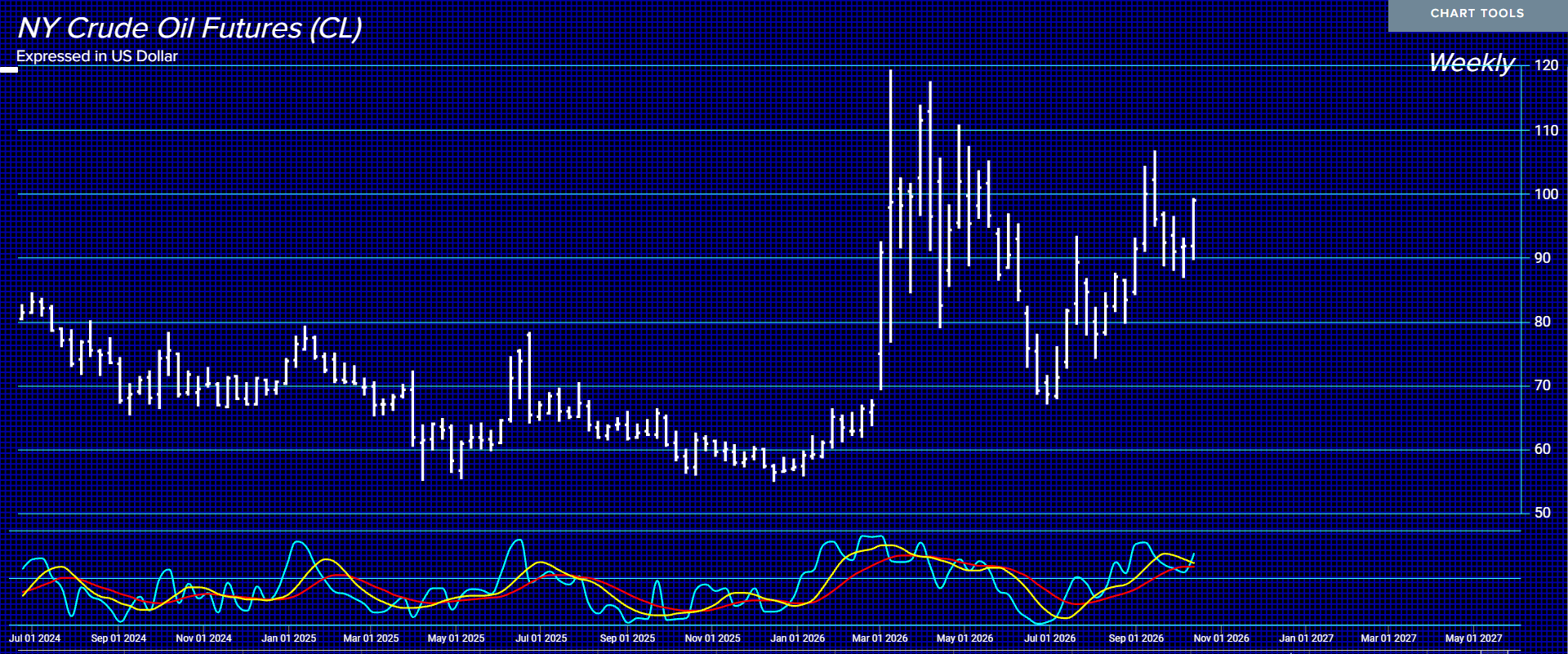
From what our sources in Asia have revealed is that there are more than 1,200 demonstrations across South Asia connected to the economic effects of the Iran and Ukraine conflicts that have developed since the February start of the Iran war. This has been particularly pronounced issues that have increased in Pakistan and Nepal. This is evidence of a regional pattern our computer has warned about. The danger here is that a further escalation of this energy crisis will destabilize the world as a whole.
The most important connection between Europe and Asia is economic rather than organizational. The combination of higher energy prices, fiscal pressures due to the Sovereign Debt Crisis accelerated by the rise in interest rates, stagnant real incomes because of increasing taxes, housing affordability problems as capital has fled government bonds to private assets, and distrust of political elites over corruption and the lack of ability to address these concerns by any democracy process, is creating similar grievances in countries with otherwise very different political systems.
Young people are particularly sensitive to these conditions because they often have fewer assets, weaker employment security, and greater exposure to housing costs. The socialists want to impose wealth taxes and attack capital but that sends investment into hiding resulting in even less employment.
The Ukraine/Iran-related energy shock is a common source of pressure. However, it would be incorrect to attribute all these demonstrations to that conflict alone. Serbia’s movement, for example, developed well before the latest European protest wave over corruption. The energy crisis accelerate the discontent.
What the computer has shown is that the international pattern deserves serious attention, particularly where economic grievances are combining with demands for political accountability. France, Serbia, Albania, India, and Indonesia are especially important to monitor. But large demonstrations are not necessarily revolutions, and the majority of documented protests remain peaceful.
The strongest evidence of further escalation would be sustained nationwide strikes, repeated violent confrontations, defections from governing coalitions (military/police), and/or a breakdown in normal government operations. Zelensky’s attack on Russian refineries will reduce Russian exports of wheat and the Middle East relies on 80% of their grain from Russia while Iran is 100%. Our computer forecasts for the continued escalation in energy prices and just now as Qatar is restricting its LNG exports, the fragility of the world political economy is being torn apart and this is what 2032 is all about.