
Close Menu
    Facebook X (Twitter) Instagram
    TRENDING :
    • ‘People get very giggly’: The rise of getting stoned with your coworkers
    • COVID Harmed Male Fertility | Armstrong Economics
    • From Taxation To Confiscation | Armstrong Economics
    • Does the IRS Work on Sundays?
    • Real-World Examples of Accounts Payable and Receivable
    • 7 Effective Tips: How Do You Handle Employee Conflict?
    • 10 Key Differences: Domestic Business Corporation Vs LLC
    • 5 Tips to Get a Bigger Tax Refund With No Dependents
    Populist Bulletin
    • Home
    • US Politics
    • World Politics
    • Economy
    • Business
    • Headline News
    Populist Bulletin
    Home»Economy»From Taxation To Confiscation | Armstrong Economics
    Economy 3 Mins Read

    From Taxation To Confiscation | Armstrong Economics

    Economy 3 Mins Read
    Share Facebook Twitter Pinterest LinkedIn Tumblr Telegram Email Copy Link
    Follow Us
    Google News Flipboard
    Share
    Facebook Twitter LinkedIn Pinterest Email


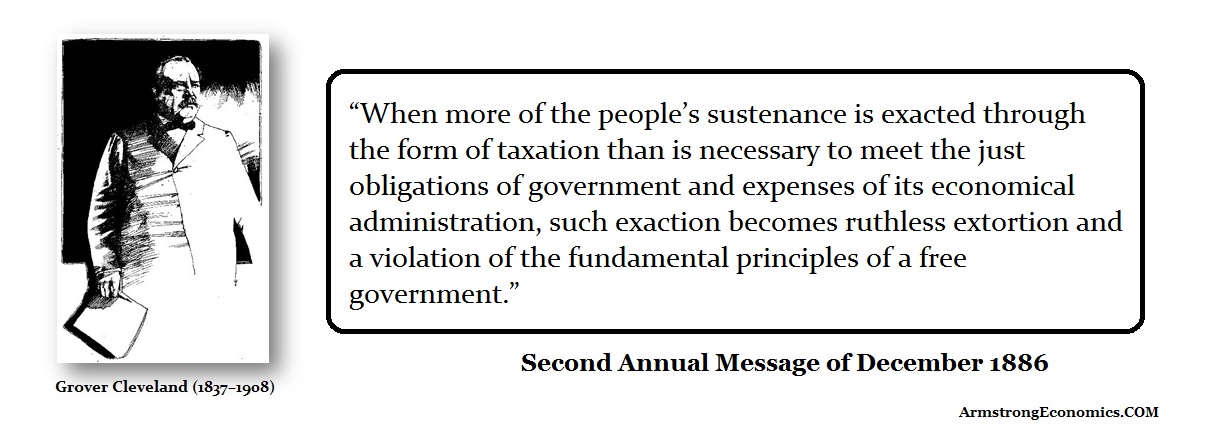
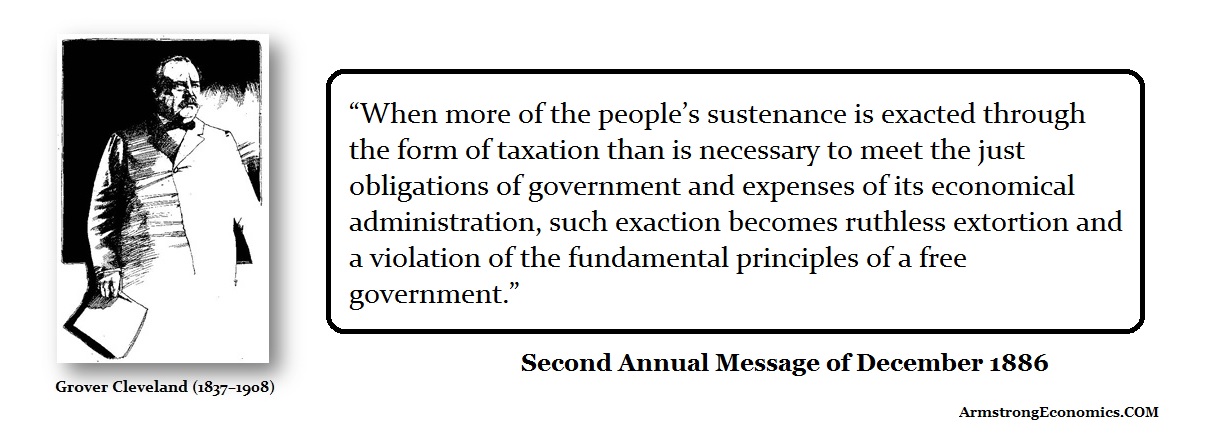
    Governments always begin with taxation because it is the most straightforward and politically acceptable means of raising revenue, yet history has shown repeatedly that when deficits expand beyond control, taxation alone is never sufficient and the system begins to evolve into something far more intrusive. The United States is now running persistent deficits exceeding $1 trillion annually, with the Congressional Budget Office projecting deficits remaining above that level for the foreseeable future as interest payments alone approach or exceed defense spending, and once debt servicing becomes one of the largest line items in government expenditure, the pressure to find new sources of revenue intensifies dramatically.

    At that stage, policymakers begin to explore alternatives that were once considered politically impossible, including wealth taxes, unrealized gains taxes, financial transaction taxes, and exit taxes, all of which are increasingly discussed in mainstream policy circles rather than on the fringe. Recent proposals in the United States have floated taxing unrealized capital gains for high-net-worth individuals, while globally we are seeing similar movements, such as Norway increasing wealth taxes and subsequently witnessing an exodus of wealthy residents, or France historically attempting wealth taxation only to reverse course after capital flight accelerated.

    The people who control the largest pools of capital are often the most capable of relocating. IRS migration data has consistently shown that higher-income households are disproportionately represented in interstate and international migration flows, with states like California, New York, and Illinois experiencing net outflows of high earners, while lower-tax jurisdictions such as Florida and Texas continue to benefit from inflows.

    Net Capital Movement

    What emerges from this dynamic is a feedback loop that governments rarely acknowledge. As wealth leaves, the tax burden becomes more concentrated on those who remain, prompting further outflows, which in turn leads to additional policy measures aimed at preventing that capital from escaping. This is where exit taxes and capital controls enter the discussion more aggressively, as governments seek to tax unrealized gains at the point of departure or impose restrictions on the transfer of assets abroad. The United States already has a form of exit tax for individuals renouncing citizenship, and proposals to expand or tighten such measures continue to surface as fiscal pressures grow.

    The global environment is shifting in ways that reinforce this trend, with growing discussions about digital currencies and financial transparency initiatives that would allow governments to monitor capital flows in real time. The European Union has advanced frameworks for greater financial reporting and cross-border data sharing, while central bank digital currency development continues worldwide, not for convenience but for visibility and control. Once financial systems become fully digitized, the ability to move capital anonymously or freely diminishes significantly, and the concept of financial mobility itself begins to change.

    The objective is no longer simply to collect revenue but to ensure that revenue cannot escape the system.


    Source link

    Share. Facebook Twitter Pinterest LinkedIn Tumblr Email

    Related Posts

    COVID Harmed Male Fertility | Armstrong Economics

    April 20, 2026

    Socrates & The War | Armstrong Economics

    April 19, 2026

    Negotiating With Iran | Armstrong Economics

    April 17, 2026
    Top News
    Business 7 Mins Read

    This home battery company just raised $1 billion to build a new type of power company

    Business 7 Mins Read

    When a winter storm took out the grid across Texas in 2021, Matt Popovits and…

    Mega Bankruptcies On The Rise

    October 23, 2025

    New findings from this Gallup poll show how Americans are using AI for health advice

    April 16, 2026

    Paramount escalates hostile takeover bid of Warner Bros. with new board slate

    January 13, 2026
    Top Trending
    Business 5 Mins Read

    ‘People get very giggly’: The rise of getting stoned with your coworkers

    Business 5 Mins Read

    For its most recent holiday party, the marketing agency Mattio Communications held…

    Economy 4 Mins Read

    COVID Harmed Male Fertility | Armstrong Economics

    Economy 4 Mins Read

    A newly published peer-reviewed study in Scientific Reports confirmed what many refused…

    Economy 3 Mins Read

    From Taxation To Confiscation | Armstrong Economics

    Economy 3 Mins Read

    Governments always begin with taxation because it is the most straightforward and…

    Categories
    • Business
    • Economy
    • Headline News
    • Top News
    • US Politics
    • World Politics
    About us

    The Populist Bulletin was founded with a fervent commitment to inform, inspire, empower and spark meaningful conversations about the economy, business, politics, government accountability, globalization, and the preservation of American cultural heritage.

    We are devoted to delivering straightforward, unfiltered, compelling, relatable stories that resonate with the majority of the American public, while boldly challenging false mainstream narratives that seem to only serve entrenched elitists, and foreign interests.

    Top Picks

    ‘People get very giggly’: The rise of getting stoned with your coworkers

    April 20, 2026

    COVID Harmed Male Fertility | Armstrong Economics

    April 20, 2026

    From Taxation To Confiscation | Armstrong Economics

    April 20, 2026
    Categories
    • Business
    • Economy
    • Headline News
    • Top News
    • US Politics
    • World Politics
    Copyright © 2025 Populist Bulletin. All Rights Reserved.

    Type above and press Enter to search. Press Esc to cancel.