
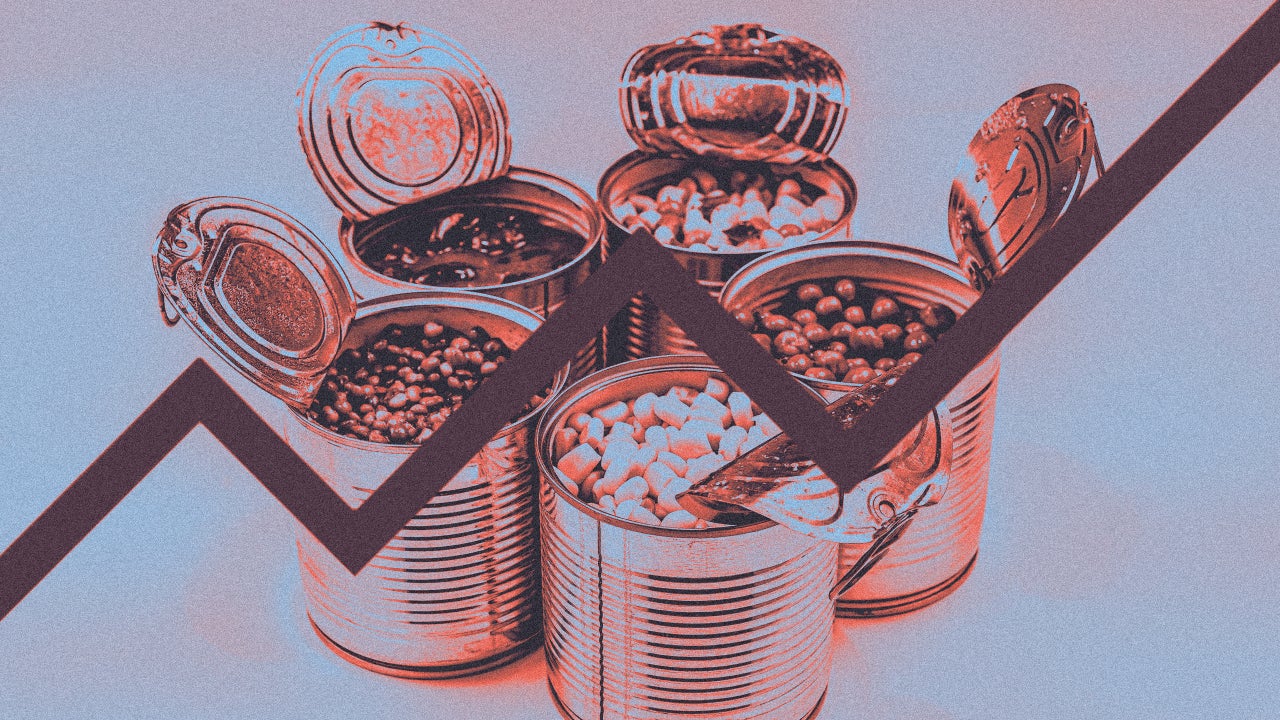
From tomatoes and berries to lettuce and peppers, shoppers are feeling sticker shock in the produce aisle.
Recent headlines have focused in particular on soaring tomato prices. They spiked by roughly one-fifth from June 2025 to June 2026, according to consumer price data published by the U.S. Bureau of Labor Statistics.
But across the board, fruits and vegetables have gotten more expensive. Lettuce prices jumped by about 32% during that same 12-month period, while prices for all fresh vegetables increased about 10%. Fresh fruit saw smaller hikes, with apples up 7% and citrus fruit prices rising 6%.
As an agricultural economist, I see a complex mix of factors at work: extreme weather, worker shortages and rising labor costs, and high energy and shipping prices, as well as fallout from the Trump administration’s trade policies, just to name a few. And because some of these inflation drivers affect multiple sectors, costs are building up throughout the supply chain.
The breadth of these factors suggests that widespread relief may not come quickly. But inflation-weary shoppers can still take some steps to ease the sting of high prices.
What’s driving higher fruit and vegetable prices?
To start with, weather disruptions have cut supply and pushed prices up.
Unusual freezes in Florida in early 2026, for example, hit a variety of crops—including citrus, strawberries, blueberries, tomatoes, and sweet corn—leading to yield losses and higher prices.
Imports also play a critical role in the U.S. food supply, especially during the winter and early spring months, when domestic production is limited. And if adverse weather conditions coincide with changes in trade policy, as is the case with the U.S.-Mexico relationship, produce supply and prices are especially affected.
The surge in tomato prices is a good example.
To protect the domestic tomato industry, the U.S. Commerce Department withdrew in June 2025 from a deal with Mexico, known formally as the U.S.-Mexico Tomato Suspension Agreement, to end duty-free access for Mexican tomatoes. This move effectively imposed a 17% antidumping duty on most tomato imports.
With imports accounting for about three-quarters of the U.S. tomato supply and Mexico supplying the overwhelming majority of foreign-grown tomatoes, U.S. consumers ultimately picked up the tab. In addition, reports suggest that Mexican tomato production declined after the agreement ended, with tomato imports dropping by 13% year over year. That diminished supply likely pushed prices higher.
Rising costs across the produce supply chain
Growing everything from strawberries to collard greens is labor-intensive, and for many years worker shortages have compelled farms to hike wages. Amid those pressures, producers are reporting that having to pay more for labor is adding to their own rising production costs.
Another factor is fertilizer prices, which have spiked due to disruptions caused by the Iran war. This geopolitical shock has affected the flow of goods, including fertilizer and oil passing through the Strait of Hormuz, hiking prices and fueling volatility in global fertilizer markets.
Fertilizer prices paid to manufacturers jumped by more than 20% year over year in June 2026, while nitrogen fertilizer prices increased a whopping 46%, according to U.S. government data.
With all these factors driving up costs, farmers have little control over the prices they receive for their products. Market prices are largely determined by the forces of demand and supply, including domestic production and imports. And considering that producer costs account for only about one-third of the retail price for fresh produce, those increases aren’t always fully passed through to consumers.
Beyond production costs, higher fuel prices have made doing business throughout the supply chain more expensive. The Iran war has resulted in a significant spike in fuel prices—roughly 27% over the year—which trickles down through the economy.
This jump has a pronounced effect on refrigerated truck rates, which are critical for shipping fresh produce. Those were 20% higher in June 2026 compared with June 2025, according to data from the Department of Agriculture.
In effect, these increases raise both the cost of producing fresh produce and of getting it from the farm to the final consumer.
What can shoppers do?
Food inflation delivers a major hit on consumer budgets, particularly for low-income Americans, who are more sensitive to price increases. When the quality of diet in vulnerable households drops, rising food costs may be among the contributing reasons. A May 2026 survey of shoppers illustrates this financial squeeze, with one in three households reporting a drop in fresh produce purchases as a result.
But there are still work-arounds if you’re seeking affordable yet healthy options. For example, certain types of produce and legumes have been less affected by inflation, including bananas, oranges, potatoes, dried beans, peas, and lentils.
Shoppers should also look to canned and frozen fruit and vegetables to save money. They’re just as healthy but less affected by inflation because their longer shelf life means that factors such as weather and transportation play less of a role. Prices for processed produce increased year over year by just 3%, and 2.4% for frozen.
The substitution for cheaper alternatives is already evident in consumer choices, as one in five shoppers have reported shifting from fresh to frozen produce.
That said, sustained produce inflation makes healthy eating more difficult, which is why the search for affordable alternatives is increasingly important.
With so many factors contributing to higher inflation, some of the challenges affecting produce prices may be too long-lasting and hard to resolve overnight. As a result, relief at the checkout line may take longer than many consumers would like.
Elizabeth Canales is an associate professor of agricultural economics at Mississippi State University.
This article is republished from The Conversation under a Creative Commons license. Read the original article.