
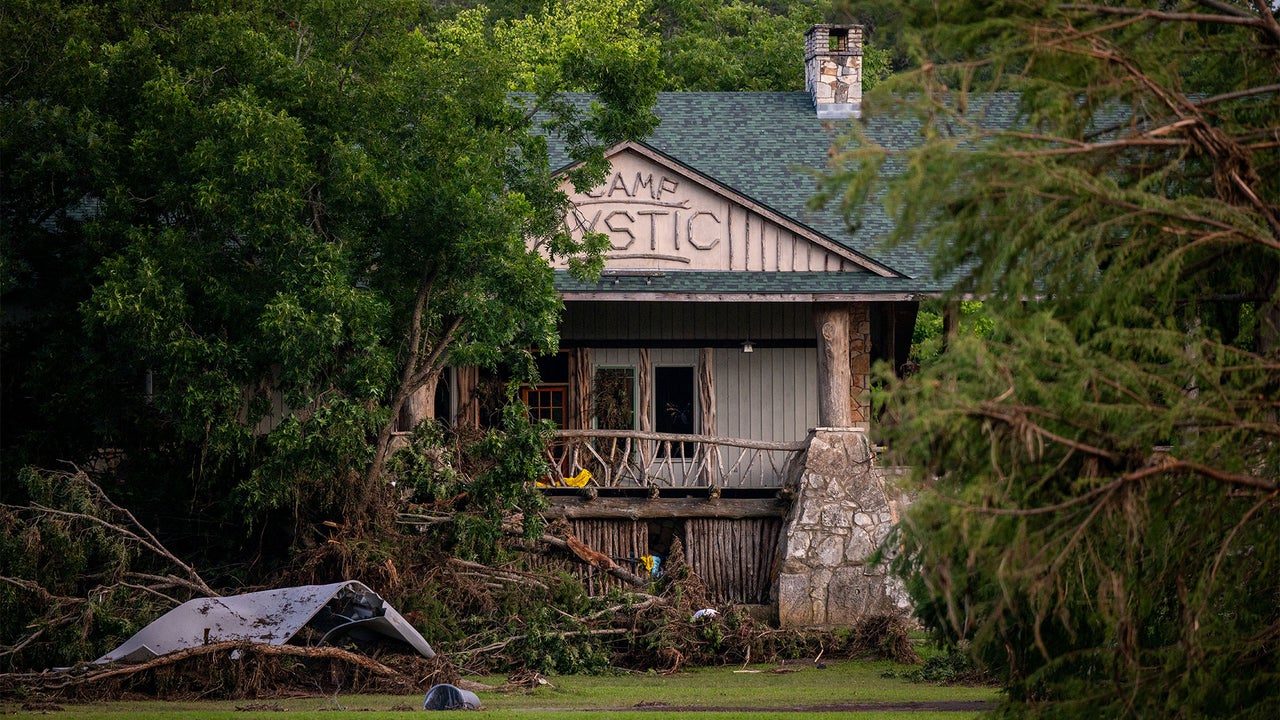
On July 4, 2025, 28 people died in a catastrophic flood at Camp Mystic, an all-girls Christian summer camp in Texas. Two teenage counselors, 25 campers, and the camp’s co-executive director all died in the disaster, being trapped in floodwater when the nearby Guadalupe River reached a height of 37 feet in only an hour.
Nearly a year later, Camp Mystic’s owners are filing for bankruptcy following a state investigation and a failed attempt to reopen the camp. In their court filing, the camp’s operators revealed that Camp Mystic’s total debts were between $10 million and $50 million, while its assets were only between $1 million and $10 million.
In November, families of the victims filed a lawsuit seeking more than $1 million in damages, accusing the camp of failing to take necessary precautions to keep campers and counselors safe as the flood approached.
‘Precious lives were lost’: Abandoning plans to reopen
As recently as April, Camp Mystic’s owners still intended to reopen the camp this summer. But after an emotional legislative hearing where parents of the deceased campers spoke, the camp issued a statement that it had withdrawn its application to operate this year.
“Twenty-eight precious lives were lost,” read the camp’s statement. “We recognize that no statement and no decision can undo that loss or ease the burden carried each day by parents, siblings, loved ones, survivors, first responders and our beautiful Kerr County community.”
“Rather than risk defending our rights under Texas law in a manner that may unintentionally effect further harm, we choose rather to withdraw our application for the 2026 camp season,” it continued.
A damning investigation
Though the deaths at Camp Mystic were accidental, a newly released investigation by state investigators found that camp failed to adequately prepare for storms, evacuate in a timely fashion, train its staff for emergency situations, and communicate efficiently with families of the campers in the aftermath, as laid out in the 115-page report.
“The lessons to be learned from the camp’s inadequate emergency planning and response are worthy of careful study for opportunities to avoid similar future tragedies,” reads the report’s introduction.
During the evacuation of the camp, the report details, only three adult staff members were actively evacuating campers, and were doing so one cabin at a time. At no time was the camp’s PA system used to alert other campers and staff members, nor were campers instructed to evacuate on foot even while it was safe to do so.
“This report does not mark the end of legislative inquiry,” reads the report’s preface. “It is, instead, a starting point for the next stage of reform as we strive continuously to make camps safer, emergency response more effective, and disaster relief more compassionate for our fellow citizens in their moments of crisis.”