

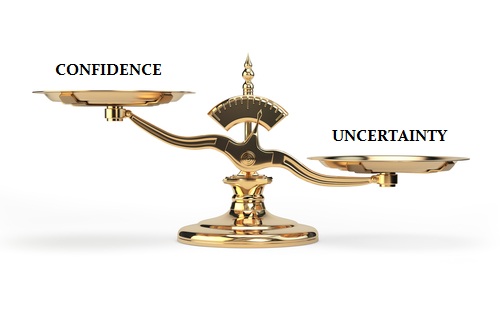
There is one economic indicator governments consistently underestimate because they cannot control it with legislation or manipulate it with an interest-rate announcement: confidence. The Conference Board’s Consumer Confidence Index collapsed 6.7 points in September to 81.9, the lowest reading since April 2014. Economists expected 89.2. This was not some marginal statistical miss. Americans are becoming increasingly pessimistic about their jobs, their purchasing power, and what they see coming over the next six months.
This is how an economy changes direction. People do not wake up one morning because the government announces a recession and suddenly stop spending. They begin changing behavior long before the official statistics catch up. They cancel the vacation, stop eating out as often, hold off on that new car purchase, and begin putting whatever they can aside because they no longer TRUST what tomorrow will bring. That change in confidence then becomes economic reality because consumer spending is the backbone of the American economy.
The Conference Board’s Present Situation Index dropped 7.9 points to 109.3, while its Expectations Index fell another 5.9 points to just 63.6, the third consecutive monthly decline. The Expectations Index is particularly important because people are telling you what they THINK is coming. Confidence is not merely about whether somebody has a job today. It is whether that person believes the job will still exist six months from now.
That confidence in employment is clearly deteriorating. Only 23.6% of consumers now say jobs are “plentiful,” the lowest since February 2021. The share saying jobs are “hard to get” increased to 21.9%, the highest since January 2021. The gap between those two measures has collapsed to just 1.7 percentage points from 4.2 points in August. That labor-market differential has historically moved with unemployment, and consumers are clearly sensing weakness beneath the surface.
The government’s own job-opening data confirms that something is changing. Open positions fell by 256,000 in August to 7.079 million. There are now roughly 1.01 job openings for every unemployed person, compared with nearly two openings for every unemployed worker during the frenzy of 2022. Professional and business services lost 119,000 openings while healthcare and social assistance lost another 115,000. Construction, manufacturing, and government openings also declined. People feel these changes before economists sitting behind computers recognize them.
At the same time, the cost of living refuses to cooperate. Consumers told the Conference Board that references to prices, goods and services, and particularly oil and gasoline had risen to new highs. The University of Michigan’s separate survey tells essentially the same story. Its September Consumer Sentiment Index fell to 48.1, down 15% since January, while consumers’ one-year inflation expectations have risen to 4.6%. Views of both current and future personal finances deteriorated sharply.
This is precisely why confidence matters more than politicians understand. Inflation does not have to continue rising at 8% or 9% for people to remain angry. Prices NEVER went back to where they were before the COVID inflation. The rate of increase may slow, but the accumulated increase remains. A family paying substantially more for groceries, insurance, electricity, gasoline, housing, and automobiles does not care that some economist announces inflation has moderated. Now add interest rates.
The Federal Reserve raised rates this month for the first time in three years, taking the federal funds target to 3.75%-4.00%, because renewed inflation pressure has left policymakers with little choice. Meanwhile, the average 30-year mortgage has climbed above 7%. A young couple trying to purchase their first house is being crushed from both directions. The house itself costs more and the money required to buy it costs more.
Americans are becoming less willing to voluntarily leave their jobs. That is not necessarily a sign of a healthy labor market. During periods of strong confidence, workers quit because they believe they can find something better. When people become frightened, they cling to whatever employment they already have.
The stock market can make new highs while Main Street confidence collapses. There is nothing contradictory about that. Capital moves internationally and increasingly concentrates into assets when people lose confidence in governments, currencies, banks, or alternative investments. The Dow is not a national opinion poll. A rising stock market does not automatically mean the average household believes the economy is doing well.
Confidence is the foundation of every monetary and political system. A dollar is worth something because people have confidence somebody else will accept it tomorrow. A Treasury bond has value because investors have confidence the government will honor the obligation. A bank functions because depositors have confidence their money will be there when they ask for it. An economy expands because consumers and businesses have confidence that taking risks today will produce rewards tomorrow.
Once confidence begins to crack, governments cannot simply order it back. The September data is therefore more important than another monthly economic statistic buried in a government report. Americans across political affiliations, income groups, and age groups are becoming more pessimistic if not outright worried.
Confidence turns BEFORE the economy because the economy is nothing more than the collective decisions of human beings. Governments can manipulate interest rates, create money, borrow trillions, subsidize industries, and produce whatever economic forecast they please. What they cannot command is confidence. Once the public stops believing tomorrow will be better than today, their behavior changes, and eventually the statistics have no choice but to follow.