
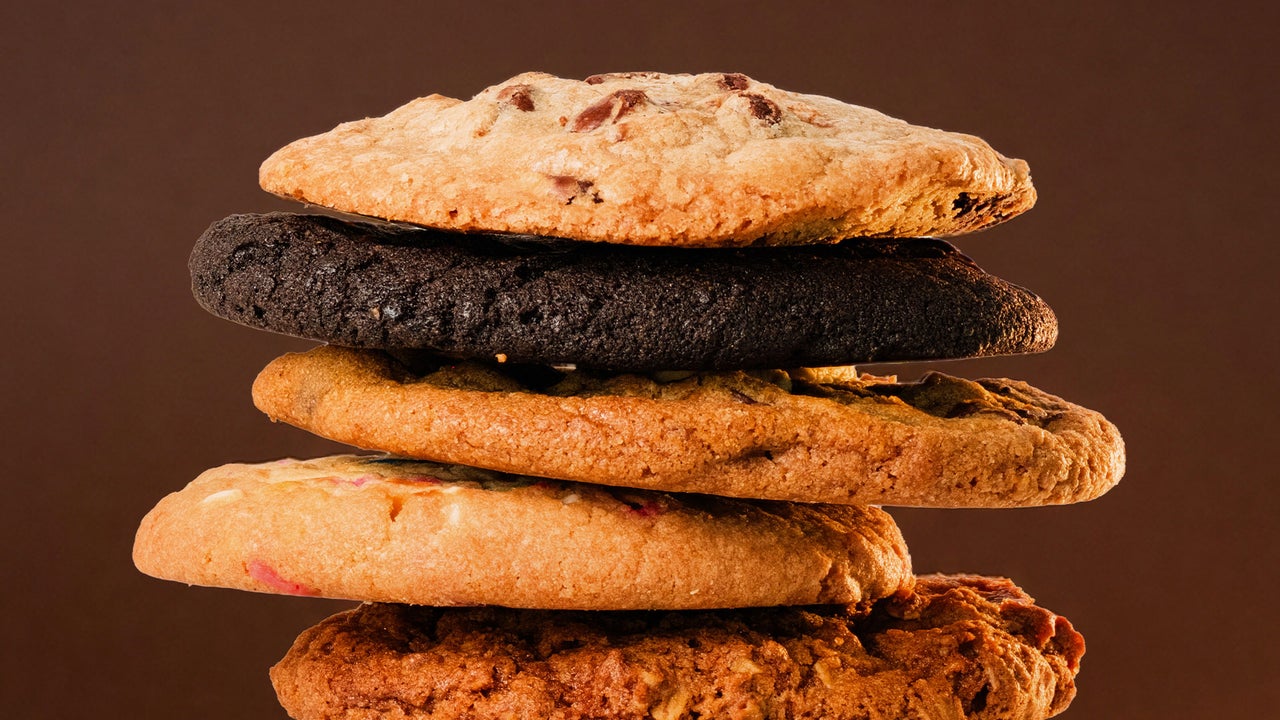
Chip City, a once-popular cookie chain that began in the Astoria neighborhood of Queens, New York, has abruptly closed all of its stores.
The chain stunned its customers with the October 2 announcement on social media and its website.
“Despite extensive efforts to stabilize our business in the face of significant macro-economic headwinds, we have made the very difficult decision to close all of our Chip City locations,” the company wrote.
It continued, “We are grateful to our dedicated employees and loyal customers who have supported us for the past 10 years.”
The history of Chip City
Chip City was founded by childhood friends Peter Phillips and Teddy Gailas in 2017. Similar to Crumbl, another cookie chain founded that same year (around two months later), the brand became known for its giant cookies and ever-changing menu.
Like Crumbl, the cookies thrived online, too.
Soon after the baking began, customers started sharing the aesthetically pleasing “ooey-gooey” cookies as content, and the chain took off.
By 2022, Chip City had already opened 14 locations in New York, and had attracted interested from Enlightened Hospitality Investments (EHI), a growth equity fund affiliated with restaurateur Danny Meyer’s Union Square Hospitality Group, Forbes reported at the time.
The investors put up $10 million so that Chip City could move outside state lines.
At its peak, the chain had more than 50 locations across nine states.
Why did the cookie crumble?
At the end of September, Chip City began closing stores, including all of its shops in Connecticut, as reported by local media.
Then, came last week’s announcement that it would close its remaining 22 locations. The post blamed “macro-economic headwinds” as the main culprit of the chain’s speedy demise.
Chip City president Nicholas Baizan, who was promoted to the role in July to help the chain grow, echoed that sentiment in a message sent to employees, explaining the decision.
“We have decided to cease all store operations,” Baizan reportedly wrote in the message, which was later shared on Reddit. The message continued, “Consumers are spending less and their preferences are evolving and that has negatively impacted our sales.”
Some employees wrote on Reddit that they were “blindsided” by the closures. Fast Company reached out to Chip City for comment, but did not hear back by the time of publication.
The announcement also came just days after cofounder Peter Phillips filed a lawsuit against Chip City and EHI. In the suit, Phillips claims he was entitled to his base salary and health insurance coverage for an additional nine months after his employment ended.
However, Phillips says his salary was abruptly cut off when he failed to transfer personal Chip City-related web domains and sign third-party borrower authorization forms for Small Business Administration (SBA) loans worth over $640,000, for which he says he was a guarantor.
It’s tough to imagine that the lawsuit wasn’t part of the recipe for disaster.
However, it’s also hard to ignore that customer preferences are truly shifting, with even the largest cookie and dessert chains feeling the burn. Crumbl, for one, has seen foot traffic dip by 32% year-over-year as of late 2026.
And at the end of last year, Sprinkles Cupcakes, another sweet-tooth brand turned viral sensation, abruptly closed all of its locations.
A tough time for retail
There are likely meany factors contributing to these closures, some of which are impacting retail brands across the board, like rising operating costs and increasingly price-sensitive consumers. Economically speaking, not paying $5 to $6 for a cookie seems like an easy way to save.
From a health standpoint, meanwhile, customers may also be feeling weary. On social media, thousands of videos advise customers against dining at the big cookie stores due to the fact that the giant sweets are full of sugar and have a high calorie content.
Some health content creators have even begun standing outside such chains and paying would-be customers to eat somewhere healthier.
Aside from online health trends about intentional eating taking off, the GLP-1 movement continues to grow, too. While a midday cookie may already feel like a well-deserved treat, as health-consciousness rises, even the biggest of the big cookie chains might be cooked.