
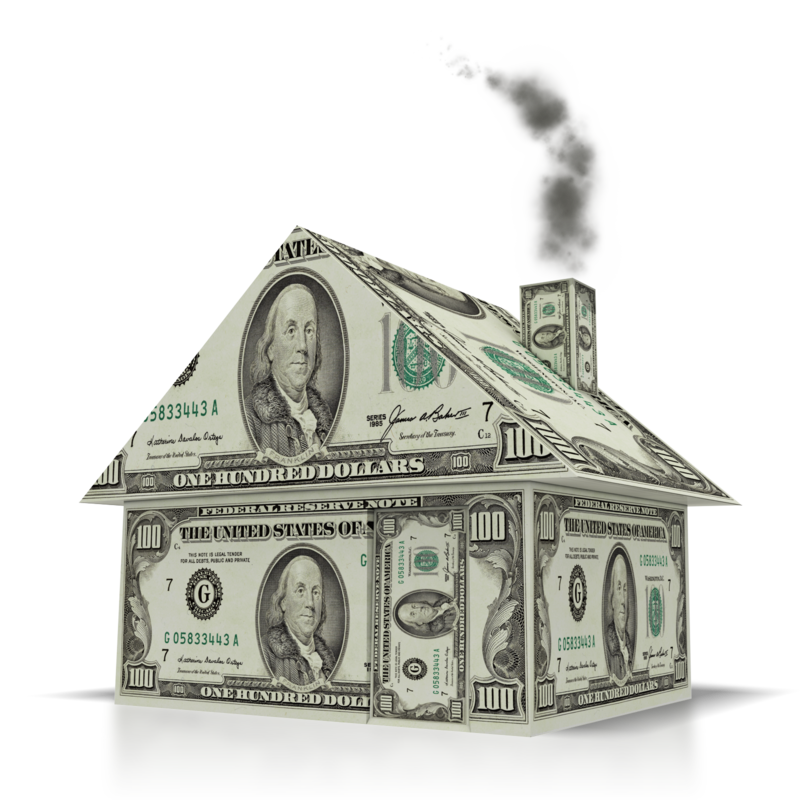
April existing home sales in the U.S. came in at an annualized pace of just 4.02 million units, barely rising 0.2% from March and missing expectations yet again. We are now looking at one of the weakest spring housing seasons in decades, despite population growth and years of underbuilding.
Real estate has always been driven by confidence in the future. People buy homes when they believe their job is secure, taxes will remain manageable, and the economy is stable enough to justify taking on long-term debt. That confidence has been steadily collapsing under inflation, rising insurance costs, property taxes, and geopolitical uncertainty.
Mortgage rates briefly dipped below 6% earlier this year and everyone rushed out claiming the housing market was recovering. Then rates shot back toward 6.4%-6.5% as inflation fears returned and war tensions escalated globally. That immediately froze buyers again. A $500,000 mortgage today carries monthly payments hundreds of dollars higher than buyers were paying only a few years ago. For younger generations already struggling with rent, food, insurance, and student debt, ownership is becoming mathematically impossible in many regions.
The median existing home price still rose to $417,700 in April, marking another record high for the month. This is the real crisis. Sales volumes are stagnating, yet prices remain elevated because inventory is still historically tight. We do not have a healthy market. We have a distorted market where people locked into 2%-3% mortgages refuse to sell because replacing that loan with a 6.5% mortgage would double their financing costs. That traps inventory and prevents natural market clearing.
The National Association of Realtors admitted inventory rose 5.8% to 1.47 million homes, but even that remains well below historical norms. A balanced housing market typically requires roughly a 5-6 month supply. We remain around 4.4 months. That means the market is simultaneously weak and expensive, which is the worst possible combination for society because it destroys mobility and locks younger generations out of ownership entirely.
What is unfolding now mirrors the broader sovereign debt crisis model. Governments kept rates artificially low for years to support endless borrowing and deficit spending. That created massive asset inflation in stocks, bonds, and real estate. Once inflation appeared, central banks had no choice but to raise rates, but they cannot normalize rates without crushing the very debt bubble they created. Housing is now caught directly in that trap.
The regional split is also important. The South and Midwest saw slight sales increases while the West continued weakening. That reflects the capital flow trend we have been monitoring for years. People are fleeing high-tax, high-cost regions in favor of states with lower taxes and cheaper living costs. California, New York, Illinois, and parts of the Northeast continue losing population to states such as Florida and Texas. Real estate is no longer just about location. It has become a referendum on government policy itself.
The broader danger is what comes next. Real estate historically drives consumer confidence because homes are the largest asset for most households. When housing freezes, consumer spending eventually follows. Construction slows, furniture sales weaken, appliance demand drops, and local tax revenues decline. The ripple effects spread throughout the entire economy.
The political class will eventually demand lower interest rates again to “save housing,” but lowering rates while inflation remains elevated only destroys purchasing power further. This is why the crisis becomes cyclical. Governments intervene to solve one problem and create a larger one. The housing market today is no longer operating under free-market conditions. It is functioning under constant monetary intervention, and every intervention creates another layer of instability.