
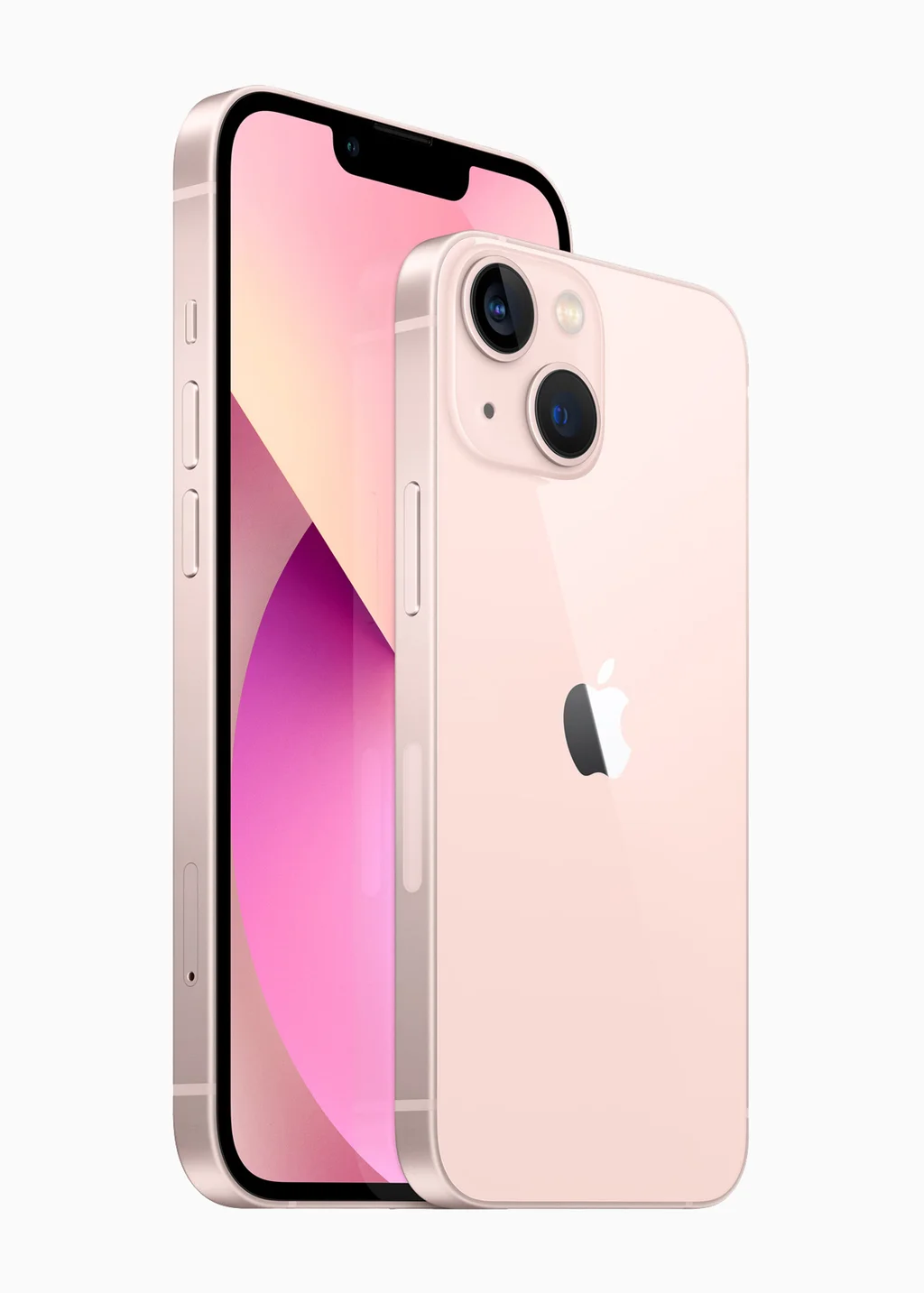
My phone has some existential problems. It’s nearly out of storage, the battery lasts half a day, and every so often, when it thinks a little too hard, it heats up like a brick fresh from the kiln.
I should probably get a new phone, but I can’t bring myself to do it. Not until the experience of using my iPhone 13 mini becomes so miserable that I have no other choice but to trade it in for a bigger, better model.
I’m not alone in my stubborn act of technological resistance. There is a small but passionate group of like-minded people who refuse to let go of their minis. They gather in online forums, trading advice on how to keep an iPhone mini running after years of use. They smugly set their beat up hardware on the table next to their friend’s PopSocket-ed phablet. Often, they can be found digging in their bag for a charger because their phone is probably almost dead.
The cult of the iPhone mini is alive and well. And why shouldn’t it be? It’s the perfect phone for our moment. Holding on to an older, smaller phone represents an intriguing path forward at a time when people are whiplashing between the promises of rapid tech advancements and an earnest desire to reclaim their life from their devices.
iPhone mini devotees are not dumbphone Luddites, nor are they the type to pick up the iPhone Duo at launch. They sit somewhere in the middle of the two extremes, acknowledging a truth that most Silicon Valley companies can’t afford to accept: that sometimes it’s okay for technology to just be good enough.
A compact history of growing phones
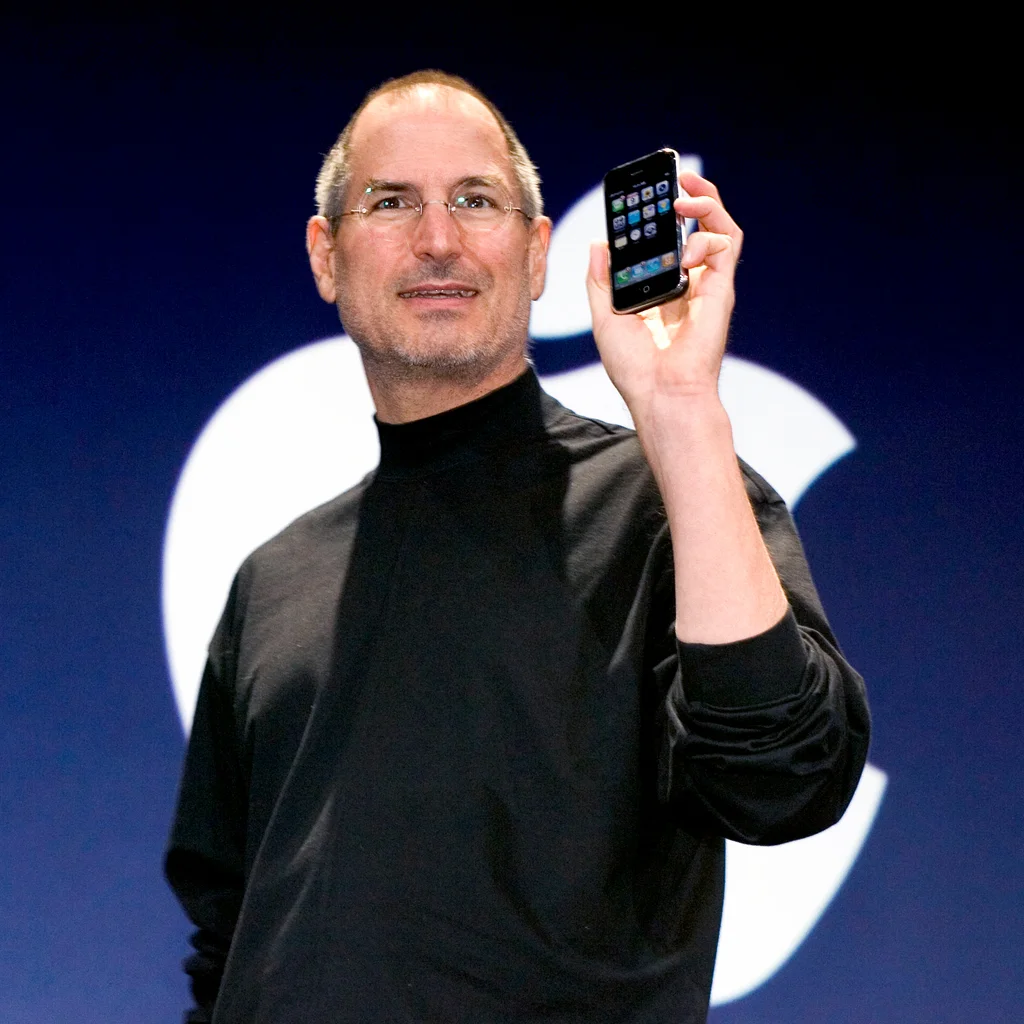
“We’ve designed something wonderful for your hand, just wonderful,” Steve Jobs told a rapt crowd in 2007, holding up the first-generation Apple iPhone. “It’s got a 3-and-a-half-inch screen on it. It’s really big.”
Jobs wasn’t exaggerating. At the time, the first iPhone (measuring 4.5-by-2.4 inches with a 3.5-inch screen) was a departure from the compact, low-resolution screens of BlackBerries and Palm Pilots. Instead of relying on a physical keyboard or stylus like its smartphone predecessors, Apple introduced a totally new mode of interaction for the iPhone called multitouch.
Multitouch allowed people to navigate the screen with a series of gestures—swipes, taps, and pinches. This new way of interacting with a phone presented an interesting ergonomic constraint: The iPhone had to fit comfortably into the average person’s palm. It feels strange to imagine it now, at a moment when phone screens have grown well beyond the reach of our thumbs, but this simple idea shaped the design of the earliest iPhones.
Jobs was famously anti-big phone. He once called larger phones “Hummers” and said no one would want to buy a phone that they couldn’t wrap their hand around.
That prediction didn’t age well.
In 2012, Apple introduced the iPhone 5, the first phone to feature a meaningful jump in screen size—to 4 inches. The iPhone 5 was a response to the market, which had already tasted the big-phone future. A year prior, in 2011, Samsung had introduced the 5.3-inch-screen Galaxy Note, effectively creating the phablet—that’s a hybrid phone/tablet—category. Though Samsung considered the phone an experiment, Apple saw it as a proof point that people were big-screen curious (the iPhone 5 became 2012’s best-selling phone).
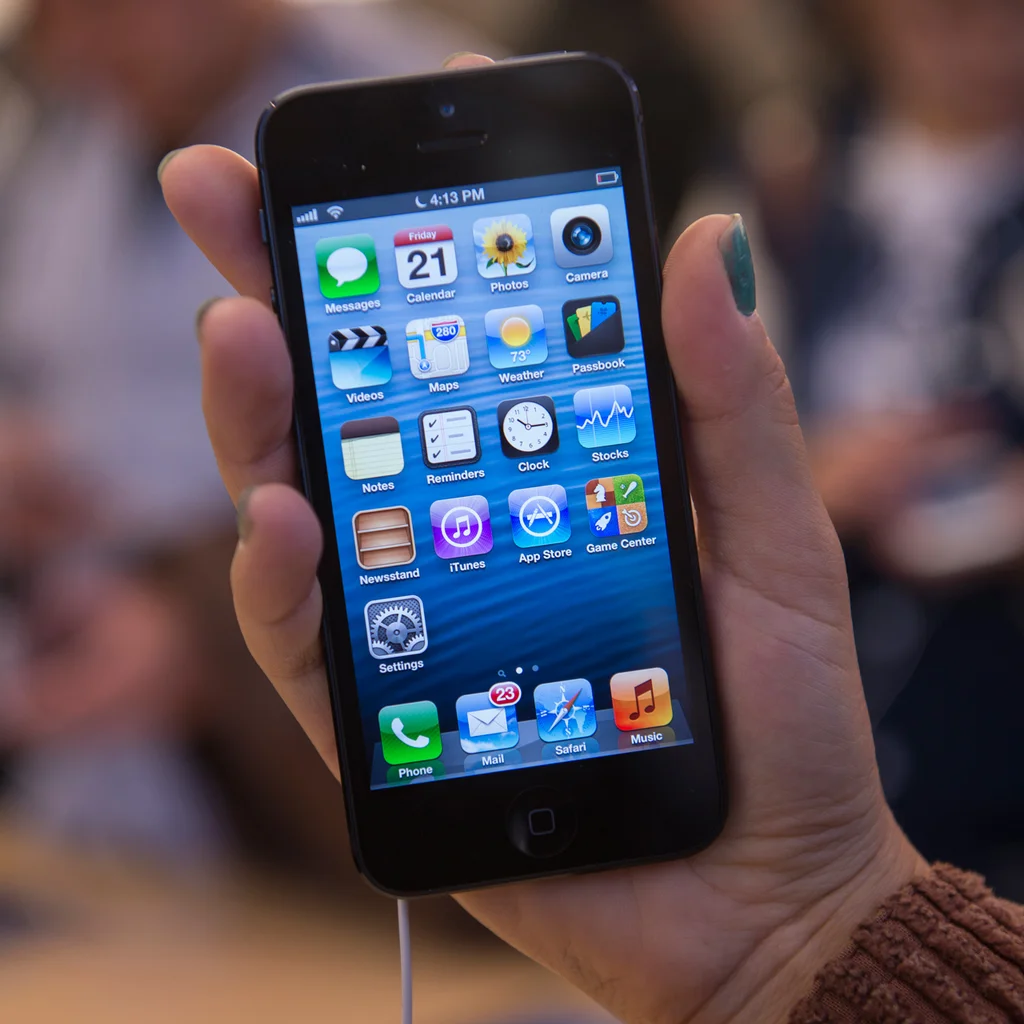
As Apple’s phones grew, they started to require a bit of ergonomic gymnastics. In 2014, with the launch of the 5.5-inch-screen iPhone 6 Plus, it became clear that the average person could no longer navigate their phone with one hand. This led Apple to introduce its “reachability” feature, which allowed people to double click on the home screen as a way to pull the screen’s interface downward, making it easier to swipe across the entire interface with your thumb.
People didn’t seem to mind. The iPhone 6 and 6 Plus were reportedly Apple’s best-selling phones of all time.
Apple’s move into the phablet category has remained more or less consistent, with one notable exception. In 2016, Apple announced its $400 SE model, an affordable phone that went back to the 4-inch display of the 5s. Though the phone was more about affordability than ergonomics, it planted a seed in the company’s mind.
“For some people, they simply love smaller phones,” Greg Joswiak, then the vice president of iPod, iPhone, and iOS marketing, told NBC News at the time.
Four years later, Apple introduced the iPhone mini.
Not quite a dumbphone
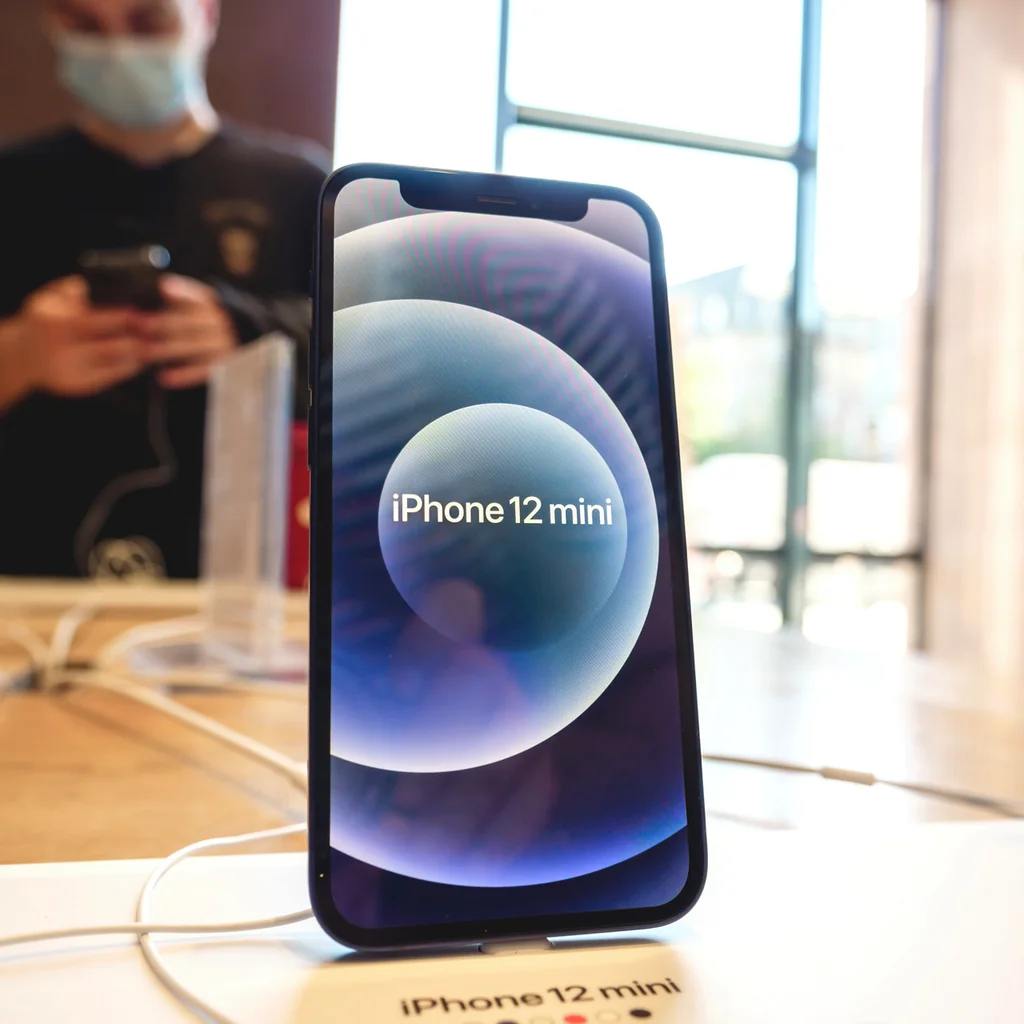
When Apple launched the iPhone mini in 2020, it wasn’t entirely clear who it was for. Compared to the iPhone 12—released at the same time—the screen was smaller, the battery life less robust, and the price difference negligible (an iPhone 12 cost just $100 more than the mini).
For most people who chose the mini over its larger counterparts, it was a matter of practical concern.
“This is why,” my colleague Jon Gluck recently said, patting the mini in his front pants pocket.
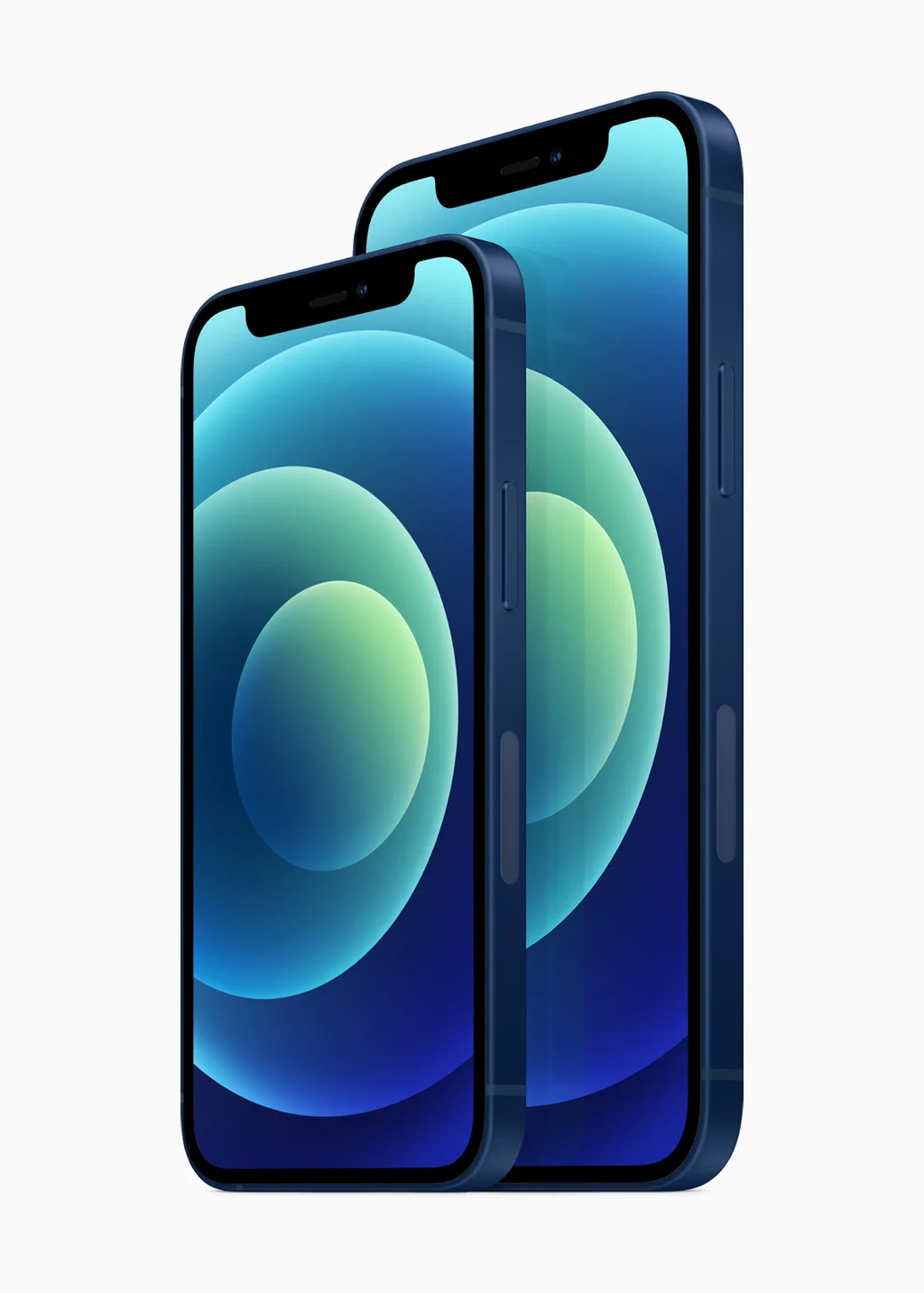
“I have minor carpal tunnel and small, dainty hands,” my friend Allison Davis told me.
Lauren Parikhal, a communications professional in Brooklyn, put it more bluntly: “It fits in my pocket, and I can actually use it with one hand. Why did we decide that that was a bad thing?”
Despite its superior pocketability, the mini never really took off as a product. People complained that the battery life was bad, the performance wasn’t worth the price, and the screen wasn’t big enough for watching media. Apple discontinued the mini in 2023, and, fair enough—reportedly, the iPhone 12 and 13 minis never cracked 5% of iPhone sales.
But those who held on to their mini have found that its shortcomings have matured into weirdly covetable qualities. If you squint, you could argue the mini has aged into something akin to a very sophisticated dumbphone.
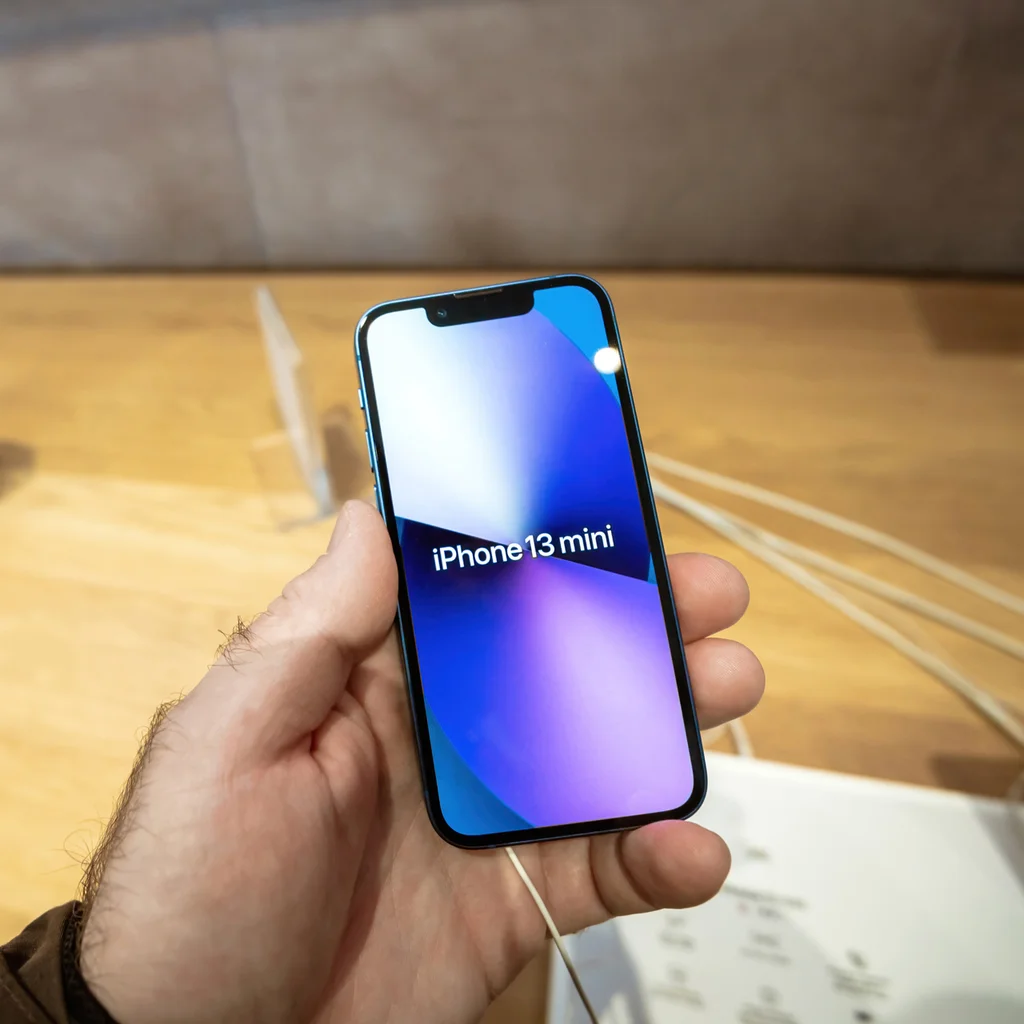
Last month, I posted a note on Reddit, asking the r/iPhone mini community why they still love their mini. I got a torrent of responses, with many people saying they really just wanted a smaller, less capable phone.
“This is a great halfway between dumb phone and modern smart phone,” said one Reddit user who downgraded to a mini in 2022. “Yes, I know it’s still a smart phone but the shitty battery life and slower experience actually make me want to doom scroll less.”
Another user wrote: “Size and weight. I also don’t want more technology. I’m good with what we’ve done with smartphones.”
It’s hard to deny that modern life increasingly necessitates carrying around a phone that can do it all. Apple and every other gadget maker has bet on the phone as the command center of our life. Case in point: the Duo, a folding phone that unfurls to the size of a small iPad, effectively cramming the functionality of two products into one.
But there’s a counterargument to make around what a phone can and should be for, especially as we enter an era of more capable ambient computing. In some ways, our bigger phones betrayed one of the core promises of technological advancement: that eventually our devices would liberate us from the grips of technology, not bind us to it more tightly. As one friend who’s held on to his mini told me, “I thought technology was supposed to get smaller as it advances.”
It’s easy to lose sight of the fact that a more useful machine isn’t always the one that can do more. It’s the one that lets us live our lives more fully. That doesn’t mean swapping a smartphone for a dumbphone, or logging off of social media for good. It means having the option to downshift your reliance on technology without feeling like you’re being left behind.
I’ll never let you go
All of this has culminated in what I can only describe as a techno vibe shift that has been slowly emerging since the late 2010s. In 2019, B.J. Fogg, founder of Stanford’s Behavioral Design Lab, who helped pioneer the persuasive interaction models behind apps like Facebook and Instagram, wrote a prescient tweet: “A movement to be ‘post-digital’ will emerge in 2020. We will start to realize that being chained to your mobile phone is a low-status behavior, similar to smoking.”
It’s not news to anyone reading this that it’s no longer cool to be on your phone all the time. In fact, it’s a little embarrassing. Using an iPhone mini doesn’t exempt anyone from phone addiction. Most of us who own one still walk around like zombies with our chins pinned to our chest—we maybe just do it a tiny bit less.
Still, owning a mini is a little like using wired Airbuds: It’s a way to broadcast that we’re at least aware of how much technology acts as the air traffic tower of our lives.
“It might be a very tiny sliver of my identity,” says writer Reeves Wiedeman, who is still using a mini. “People pick up my phone and they’re like, ‘What is this?’ Then I get to brag about how I have this old phone and how it works totally fine for me.”
And so, the cult of the mini lives on. It will live on until our phones die, until iOS updates kill the mini’s ability to function, or until Apple decides to release a new version.
As Wiedeman says, and many of the mini users I talked to agree: “If they released a new one, I would buy it tomorrow.”