
Close Menu
    Facebook X (Twitter) Instagram
    TRENDING :
    • Victoria’s Secret quietly closed 38 stores. What shoppers should know
    • Top High School Football Teams Heading Into Labor Day
    • Louisiana judge rules against NCAA in high-profile LSU case over ex-NFL players
    • Lake County High School Football Rankings and Top Week 2 Players
    • I Put AI Agents to Work on My SoftWare. Here’s What Happened
    • Mistrial Declared in Lindsay Clancy Case
    • HTeaO Generated $147 Million in Sales Obsessing Over Its Water
    • Scott Faces John Hay in High School Football Preview
    Populist Bulletin
    • Home
    • US Politics
    • World Politics
    • Economy
    • Business
    • Headline News
    Populist Bulletin
    Home»Economy»Surveillance For Sale – FBI Increases Data Tracking
    Economy 3 Mins Read

    Surveillance For Sale – FBI Increases Data Tracking

    Economy 3 Mins Read
    Share Facebook Twitter Pinterest LinkedIn Tumblr Telegram Email Copy Link
    Follow Us
    Google News Flipboard
    Share
    Facebook Twitter LinkedIn Pinterest Email


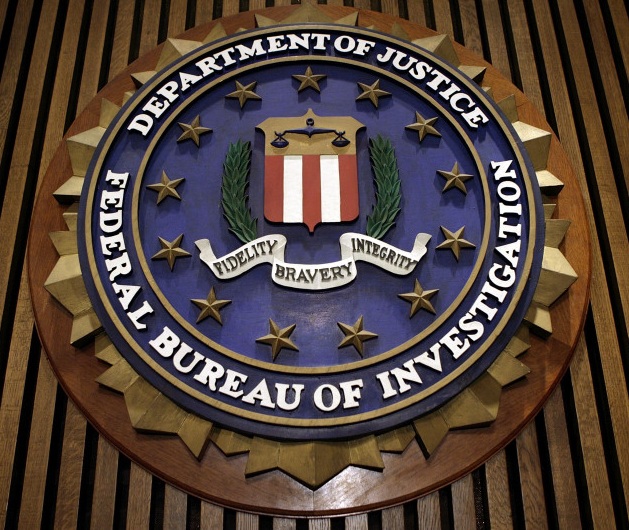
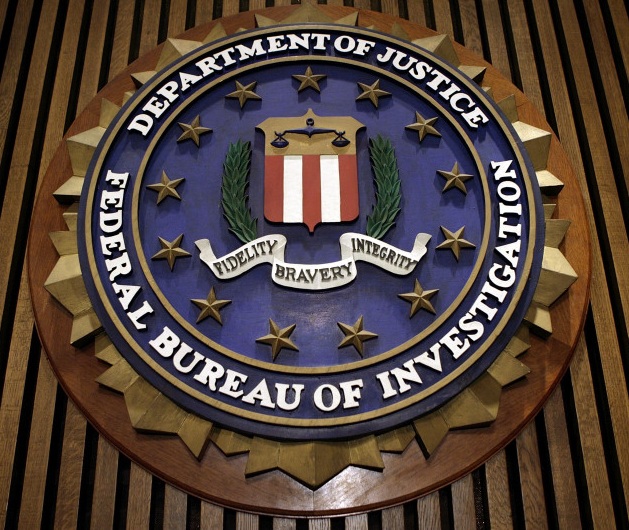
    The FBI has now openly admitted that it is purchasing location data on Americans, confirming what many suspected for years. Director Kash Patel testified that the agency “does purchase commercially available information” and uses “all tools” to carry out its mission, which includes data capable of tracking people’s movements without a warrant.

    This is being framed as a legal technicality, but that misses the entire point. The Constitution requires a warrant to obtain this type of information directly from telecom companies, yet by purchasing the same data from private brokers, the government simply bypasses that requirement. Lawmakers have already called this an “outrageous end-run around the Fourth Amendment,” and that is exactly what it is.

    What we are witnessing is not new. Governments throughout history always expand surveillance when they begin to lose confidence domestically. The key detail here is not that the FBI is collecting data. It is how the data is being obtained. This information is sourced from the private sector through a multibillion-dollar data broker industry that aggregates location data from everyday phone apps, advertising systems, and digital platforms. The government is not hacking phones. It is simply buying what corporations already collect. That is what creates the legal gray area.

    Data has become a commodity. Once something becomes a commodity, it can be bought and sold. Governments, like any other participant, will purchase what they need if the law allows it. The problem is that the law has not kept pace with technology, leaving a gap large enough to drive surveillance through.

    This also ties directly into what I have warned about for years regarding financial surveillance. Governments began by monitoring bank accounts, tracking transactions, and implementing reporting requirements under the justification of preventing crime. That expanded steadily. Now we are moving into full behavioral tracking through digital data. The progression is always incremental, never abrupt.

    The involvement of artificial intelligence makes this far more significant. Lawmakers have already warned that the ability to analyze “massive amounts of private information” changes the nature of surveillance entirely. It is no longer about targeting individuals. It becomes about pattern recognition across entire populations. That is a very different level of control.

    The argument that the data is “commercially available” is also misleading. Just because something can be purchased does not mean it should be used without restriction by the state. The Constitution was designed to limit government power, not to be circumvented by market transactions.

    The issue is that the legal framework itself is outdated and being used to justify practices that would have been considered unconstitutional in a previous era. This is how systems evolve. Technology advances, laws lag, and governments exploit the gap. By the time the public recognizes what has happened, the infrastructure is already in place.

    From a confidence perspective, this is a warning sign. When governments begin to rely more on surveillance than on economic growth and stability, it reflects a shift away from maintaining confidence through prosperity and toward maintaining control through information.


    Source link

    Share. Facebook Twitter Pinterest LinkedIn Tumblr Email

    Related Posts

    Our September Webinar Series Is Here

    September 4, 2026

    Authoritarianism Rises As Government Fear Losing Power

    September 4, 2026

    The Ukraine Money Pit — Estonia’s €70 Million Scandal

    September 4, 2026
    Top News
    World Politics 1 Min Read

    What Mortgage Rates Could Look Like Through 2030

    World Politics 1 Min Read

    Mortgage rate forecasts are shaping up to be a critical factor for homebuyers and refinancers…

    7 Recent Consumer Trends Shaping the Today’s Market

    August 3, 2026

    Trump administration plans to open new oil drilling off of California and Florida coasts, sparking bipartisan backlash

    November 22, 2025

    7 Reasons to Choose an Online Accounting Service

    May 23, 2026
    Top Trending
    Business 3 Mins Read

    Victoria’s Secret quietly closed 38 stores. What shoppers should know

    Business 3 Mins Read

    Victoria’s Secret has closed dozens of stores worldwide this year, but the…

    World Politics 1 Min Read

    Top High School Football Teams Heading Into Labor Day

    World Politics 1 Min Read

    As Labor Day weekend approaches, every state’s best high school football team…

    Business 7 Mins Read

    Louisiana judge rules against NCAA in high-profile LSU case over ex-NFL players

    Business 7 Mins Read

    LSU coach Lane Kiffin’s chances of fielding former NFL players improved Thursday…

    Categories
    • Business
    • Economy
    • Headline News
    • Top News
    • US Politics
    • World Politics
    About us

    The Populist Bulletin was founded with a fervent commitment to inform, inspire, empower and spark meaningful conversations about the economy, business, politics, government accountability, globalization, and the preservation of American cultural heritage.

    We are devoted to delivering straightforward, unfiltered, compelling, relatable stories that resonate with the majority of the American public, while boldly challenging false mainstream narratives that seem to only serve entrenched elitists, and foreign interests.

    Top Picks

    Victoria’s Secret quietly closed 38 stores. What shoppers should know

    September 4, 2026

    Top High School Football Teams Heading Into Labor Day

    September 4, 2026

    Louisiana judge rules against NCAA in high-profile LSU case over ex-NFL players

    September 4, 2026
    Categories
    • Business
    • Economy
    • Headline News
    • Top News
    • US Politics
    • World Politics
    Copyright © 2025 Populist Bulletin. All Rights Reserved.

    Type above and press Enter to search. Press Esc to cancel.