
Close Menu
    Facebook X (Twitter) Instagram
    TRENDING :
    • The GOP Sells the Mirage of a Hormuz Victory
    • Social media users are gaming the algorithm to protect Cornell’s Jane Doe
    • The Top 10 Causes of Death Worldwide
    • Reclaiming Worker Power in the Age of AI
    • Expanded pasta recall impacts Walmart’s Bettergoods brand as Listeria contamination fears spread
    • John Wayne Western Flop Becomes Enduring Classic
    • Your CRM was built backwards
    • Georgia Football Losing Recruiting Battle to Florida
    Populist Bulletin
    • Home
    • US Politics
    • World Politics
    • Economy
    • Business
    • Headline News
    Populist Bulletin
    Home»Business»Social media users are gaming the algorithm to protect Cornell’s Jane Doe
    Business 4 Mins Read

    Social media users are gaming the algorithm to protect Cornell’s Jane Doe

    Business 4 Mins Read
    Share Facebook Twitter Pinterest LinkedIn Tumblr Telegram Email Copy Link
    Follow Us
    Google News Flipboard
    Share
    Facebook Twitter LinkedIn Pinterest Email

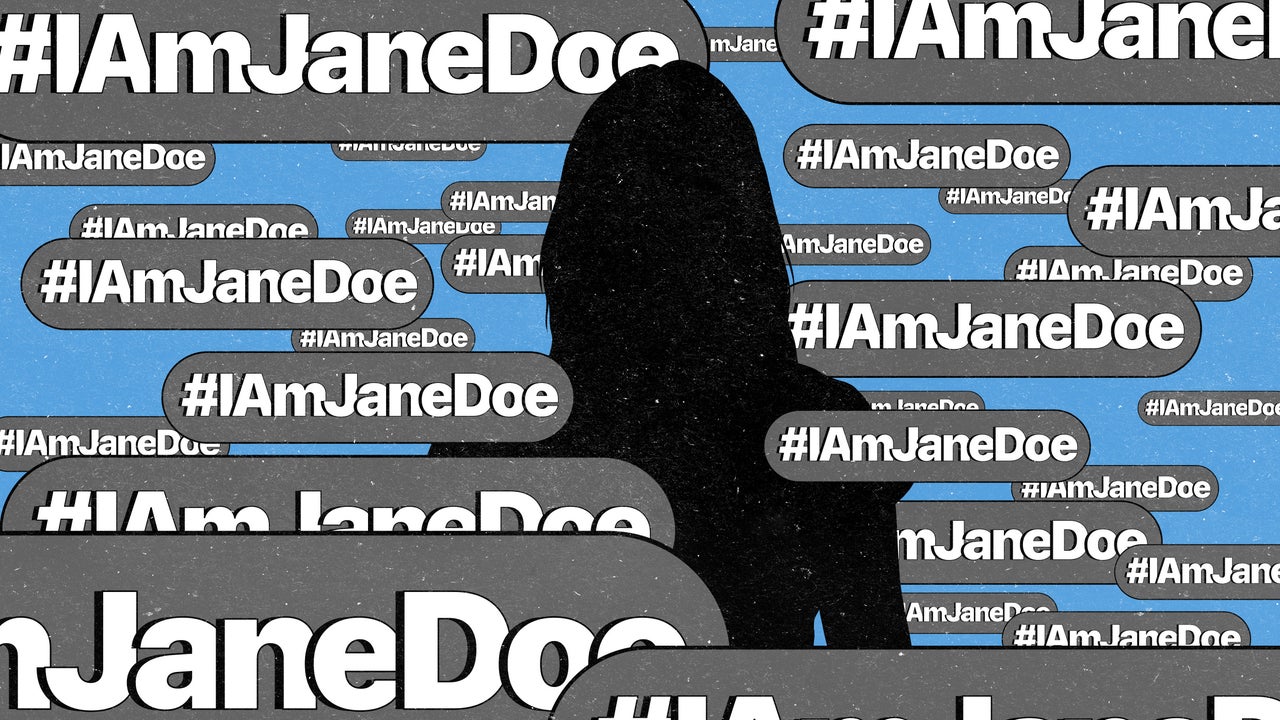
    Jane Doe. 

    Across social media, people are posting in solidarity with the young woman implicated in a sexual assault case that has horrified the country. 

    The details of the case are chilling: In 2024, seven men, students and members of Cornell University’s Chi Pi fraternity, allegedly drugged and assaulted a 20-year-old woman. In the aftermath, reportedly two of the men were expelled; others had to write an essay as punishment.

    Two years after the alleged events, the young woman filed a civil lawsuit against Cornell University, the fraternity, and her own sorority. In the filings she is anonymously identified as “Jane Doe.” 

    As the news spread across social media in the last week—following Cornell’s student newspaper breaking the story—the typical dynamics of online discourse ensued. Many have taken to social media to voice their concerns over what is being called the ‘Cornell Seven’ case. Others are using online platforms to try and dox Jane Doe. 

    But efforts to uncover the victim’s identity have instead fueled its own sort of movement, leading users on platforms like TikTok, Threads, and X to turn the witch hunt into a collective action of solidarity.

    In a clever manipulation of the algorithm, users across platforms have begun flooding timelines with posts from each user claiming to be Jane Doe themselves.

    @mommacusses

    I am Jane Doe.

    ♬ original sound – jane

    The videos and posts often include phrases like “congrats you found her,” and “it’s me, I’m Jane Doe,” in an effort to trick the algorithm into displaying their content over efforts to uncover the real identity.

    The efforts have since coalesced into its own hashtag—#IAmJaneDoe—with thousands of users posting and interacting with one another.

    The sudden viral hashtag mimics that of its predecessor: #MeToo. But rather than users taking the tag as a platform to share their own experiences, the phrase is meant to occupy space in the timeline and obfuscate any potential revealing of Jane Doe’s personal information.

    But hashtag movements are not the first or only form of collective action on social media, and their success has been varied—as the line between performative activism and genuine contribution becomes increasingly blurred.

    Think of the infamous “Blackout Tuesday” black squares that filled Instagram’s timeline in 2020. Meant to convey a user’s support of the Black Lives Matter movement, the collective action was instead met with criticism calling the actions useless; or even worse, actually detrimental to activist efforts by burying critical safety information by flooding hashtags with black squares.

    But in other cases, the collective action can be used to benefit victims and survivors beyond just bringing visibility to a case. Take the case of Ingrid Escamilla—a Mexican woman who in 2020 was murdered and had her body disposed of in the sewers by a man she lived with. When leaked graphic images went viral, users instead used the social media algorithm as a way to honor Escamilla.

    Instead of resharing images of her mutilated body, users flooded social media platforms like Twitter and Instagram with images of flowers or blue skies with the victim’s name as a caption. In doing so, those searching for the name would immediately see flowers instead of her body.

    As the case continues to unfold both in the media and in the legal space, social media users see an opening use the same algorithmic dynamics that fuel our “For You Pages” as a form of collective action.

    “It’s really beautiful seeing women on the internet all saying ‘I’m Jane Doe. In fact she’s actually me,’” one user said on X.

    Another added, “we are all Jane Doe until none of us are.”


    Source link

    Share. Facebook Twitter Pinterest LinkedIn Tumblr Email

    Related Posts

    Expanded pasta recall impacts Walmart’s Bettergoods brand as Listeria contamination fears spread

    October 2, 2026

    Your CRM was built backwards

    October 2, 2026

    Independent candidates are making their independence their biggest brand asset

    October 2, 2026
    Top News
    World Politics 1 Min Read

    Travel Chaos: 1,469 Flights Delayed, 91 Canceled

    World Politics 1 Min Read

    Widespread disruptions hit U.S. air travel on Monday as over 1,469 flights face delays and…

    A major game publisher is shutting studios and killing six titles — here’s why

    January 22, 2026

    The MacBook Neo establishes Apple as an affordable tech brand

    March 7, 2026

    Honesdale, Wallenpaupack Climb LFC Football Rankings

    September 29, 2026
    Top Trending
    US Politics 9 Mins Read

    The GOP Sells the Mirage of a Hormuz Victory

    US Politics 9 Mins Read

    The American action in the contested strait isn’t sustainable—and won’t alter the…

    Business 4 Mins Read

    Social media users are gaming the algorithm to protect Cornell’s Jane Doe

    Business 4 Mins Read

    Jane Doe. Across social media, people are posting in solidarity with the…

    World Politics 1 Min Read

    The Top 10 Causes of Death Worldwide

    World Politics 1 Min Read

    The World Health Organization has released its latest analysis of the leading…

    Categories
    • Business
    • Economy
    • Headline News
    • Top News
    • US Politics
    • World Politics
    About us

    The Populist Bulletin was founded with a fervent commitment to inform, inspire, empower and spark meaningful conversations about the economy, business, politics, government accountability, globalization, and the preservation of American cultural heritage.

    We are devoted to delivering straightforward, unfiltered, compelling, relatable stories that resonate with the majority of the American public, while boldly challenging false mainstream narratives that seem to only serve entrenched elitists, and foreign interests.

    Top Picks

    The GOP Sells the Mirage of a Hormuz Victory

    October 2, 2026

    Social media users are gaming the algorithm to protect Cornell’s Jane Doe

    October 2, 2026

    The Top 10 Causes of Death Worldwide

    October 2, 2026
    Categories
    • Business
    • Economy
    • Headline News
    • Top News
    • US Politics
    • World Politics
    Copyright © 2025 Populist Bulletin. All Rights Reserved.

    Type above and press Enter to search. Press Esc to cancel.