
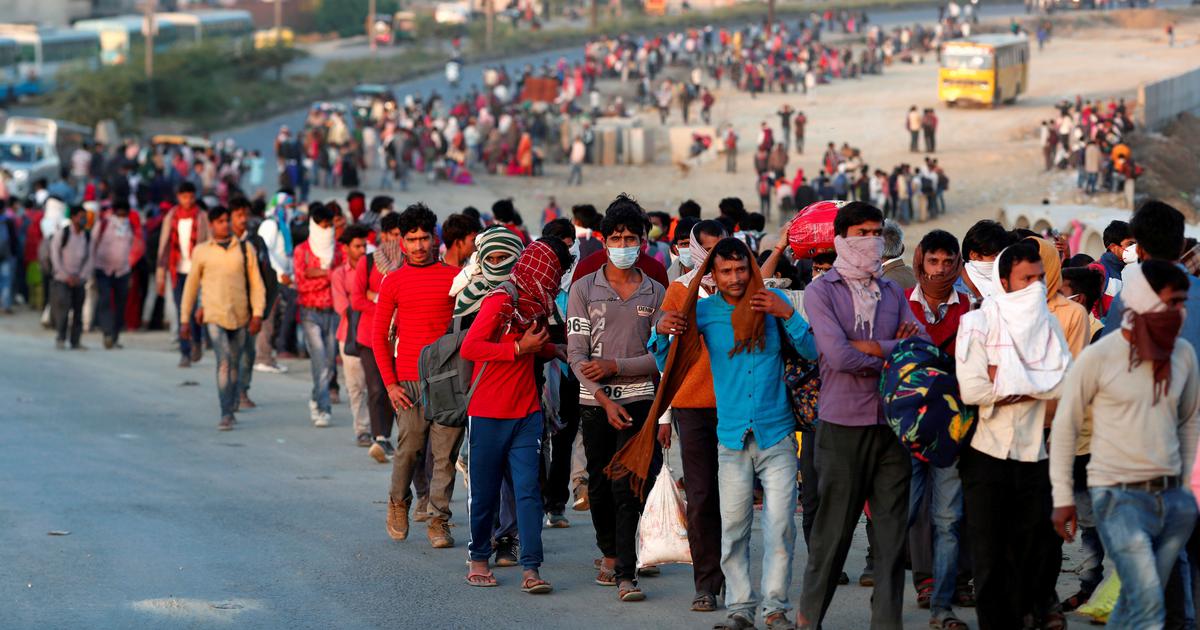
Politicians continue insisting that mass migration carries no economic consequences. Anyone who questions the policy is immediately accused of being anti-immigrant. That has always been the tactic. Rather than debate the economics, they attack the person asking the question. Yet reality eventually catches up with political slogans, and now even economists are beginning to quantify what common sense should have told us years ago.
A new working paper from economists at the Federal Reserve Bank of Dallas examined the unprecedented surge in unauthorized immigration between 2021 and 2024. The researchers estimate that unauthorized immigrant workers accounted for roughly 30% of employment growth in the average metropolitan area during that period. More importantly, they found that in markets where housing supply could not expand quickly enough, a 1% increase in unauthorized worker inflows was associated with approximately a 2.2% increase in home prices and about a 1.4% increase in rents.
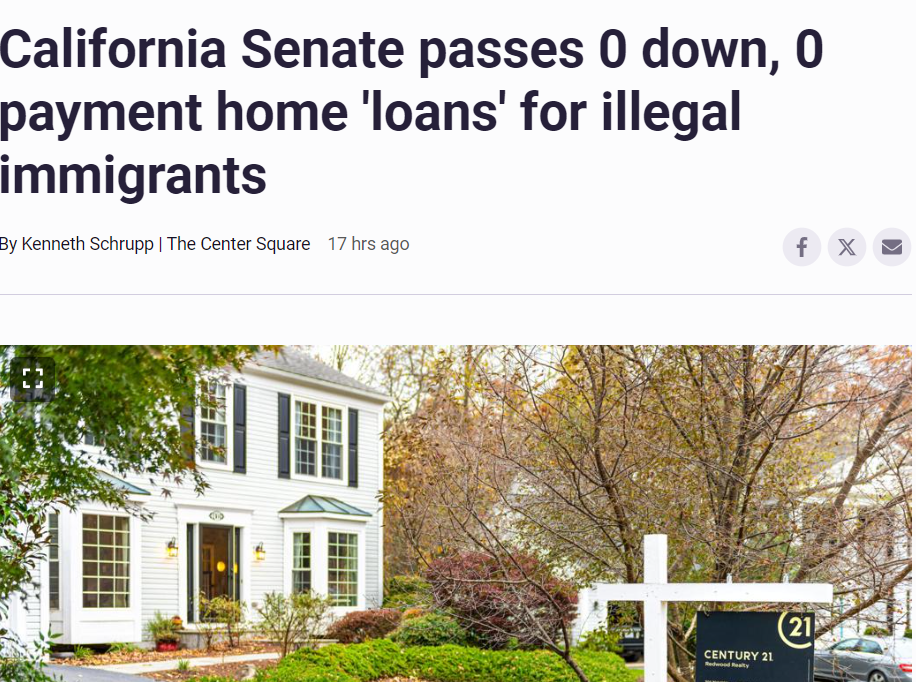
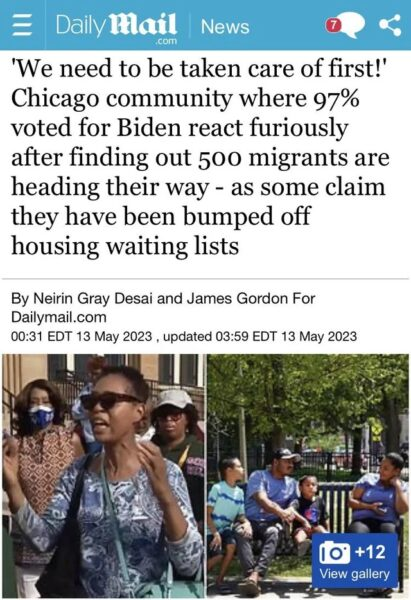
When population rises rapidly while housing construction fails to keep pace, prices climb. More people competing for a limited number of homes means higher prices. Demand rises faster than supply. The laws of supply and demand do not disappear because politicians prefer open borders. The Federal Reserve researchers also noted that housing construction did not expand sufficiently to absorb the additional demand, leaving existing residents competing for the same inventory. This is basic economics that governments have chosen to ignore.
The numbers illustrate just how severe the housing shortage has become. Freddie Mac estimates the United States remains short roughly 3.7 million housing units. The National Association of Realtors has repeatedly reported that existing home inventory remains well below historical norms, while the median existing-home price reached another record high during 2025. Meanwhile, mortgage rates have remained around 6% to 7% for much of the past two years, dramatically increasing monthly payments and pushing homeownership further out of reach for younger Americans. The result has been exactly what our computer projected years ago, employed adults increasingly remaining with their parents because housing has become unaffordable.
Politicians will inevitably try to blame investors, landlords, or speculators. Those factors exist, but they are only part of a much larger picture. Housing costs have also been driven higher by inflation, elevated interest rates, soaring insurance premiums, rising construction costs, zoning restrictions, and years of underbuilding following the 2008 financial crisis. Mass immigration adds another layer of demand on top of an already constrained market.
Civil unrest rises whenever governments ignore economic reality. Housing affordability has become one of the defining issues across the Western world, not just in the United States but throughout Canada, Britain, Australia, and much of Europe. You cannot continue adding demand while restricting supply and expect prices to remain stable.