
Close Menu
    Facebook X (Twitter) Instagram
    TRENDING :
    • The personal brand trap: Why humans shouldn’t think of themselves as brands
    • Why the founder of David protein bars says controversy can be good for business
    • Women could solve the AI trust gap, but they aren’t in the room
    • US Strikes Deal For Kenya’s Rare Earth Minerals
    • Gloria Steinem talks parental leave, women in leadership, and saving democracy
    • Japan: The First Domino In The Sovereign Debt Crisis?
    • Pete Hegseth got a live look at the Pentagon’s laser weapons
    • The Death Of Homeownership For The Next Generation
    Populist Bulletin
    • Home
    • US Politics
    • World Politics
    • Economy
    • Business
    • Headline News
    Populist Bulletin
    Home»Business»New research suggests the microplastics health risk may not be as bad as we thought
    Business 2 Mins Read

    New research suggests the microplastics health risk may not be as bad as we thought

    Business 2 Mins Read
    Share Facebook Twitter Pinterest LinkedIn Tumblr Telegram Email Copy Link
    Follow Us
    Google News Flipboard
    Share
    Facebook Twitter LinkedIn Pinterest Email

    Scientists may have overestimated the potential health risk of microplastics, according to a new study from the University of Michigan, which identified a major culprit that could have unintentionally skewed results over multiple studies.

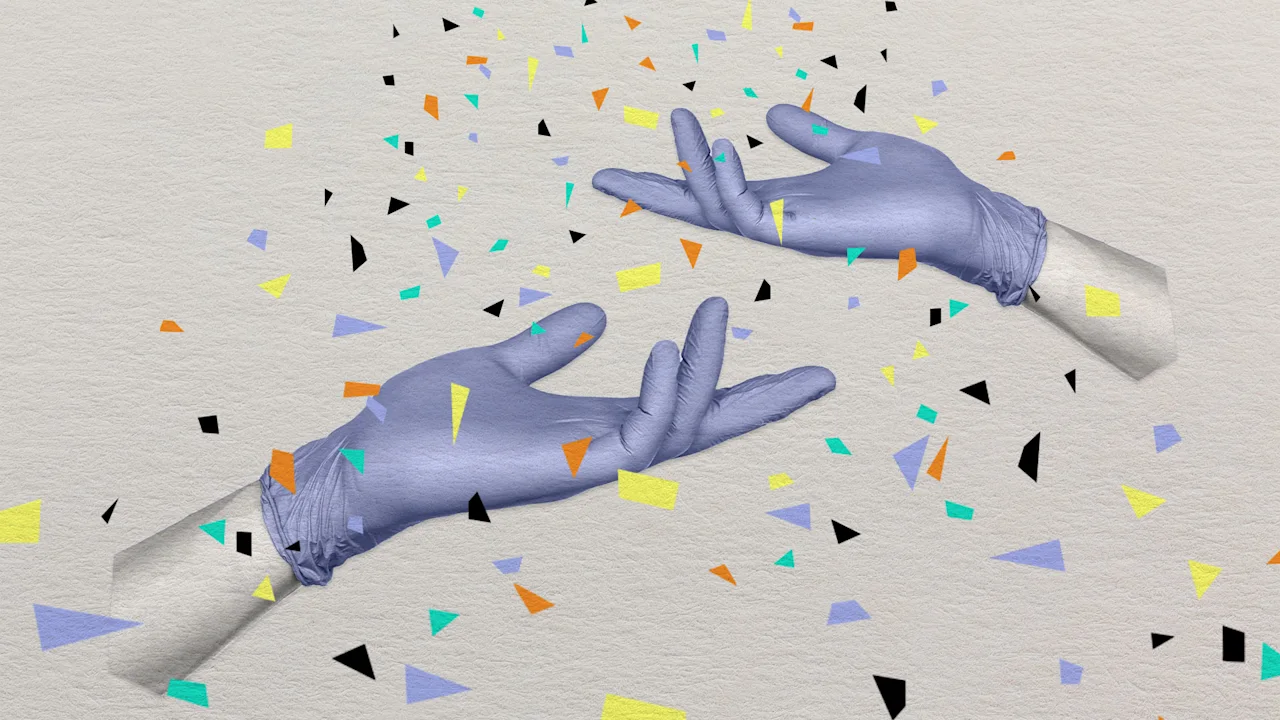
    Researchers found that the nitrile and latex gloves that scientists wear while measuring microplastics may be leading to false positives of the tiny pollutants. That’s because the gloves are coated with non-plastic particles called stearates—soap-like particles which can rub off or shed onto lab equipment, “creating thousands of false positives per square millimeter (or about one-thousandth of a square inch.”

    However, the study author warns, that’s not to say microplastics aren’t a big problem.

    “We may be overestimating microplastics, but there should be none,” Anne McNeil, senior author of the University of Michigan study, said in a statement. “There’s still a lot out there.”

    What are microplastics?

    Microplastics are literally small pieces of plastic, less than five millimeters long, released into the environment. They are the most common source of debris on our oceans and lakes, according to the National Oceanic and Atmospheric Association’s (NOAA) National Ocean Service.

    In their tiniest form, microplastics are added as microbeads in beauty products, including cleansers and exfoliants such as soaps and washes; creams; hair gel; and even toothpaste. They are small enough to bypass filtration, ending up in our tap drinking water.

    Microplastics are still a big problem

    The news comes as the Environmental Protection Agency (EPA) on Thursday flagged microplastics and pharmaceuticals as contaminants in drinking water in its latest draft of its Contaminant Candidate List, which identifies toxins not regulated under The Safe Drinking Water Act.

    That’s also as Americans are growing increasingly concerned about the health risks of ingesting plastics, amid a push by health secretary Robert F. Kennedy Jr.’s Make America Healthy Again (MAHA) agenda to remove harmful pollutants from our food, environment and water.


    Source link

    Share. Facebook Twitter Pinterest LinkedIn Tumblr Email

    Related Posts

    The personal brand trap: Why humans shouldn’t think of themselves as brands

    June 24, 2026

    Why the founder of David protein bars says controversy can be good for business

    June 24, 2026

    Women could solve the AI trust gap, but they aren’t in the room

    June 24, 2026
    Top News
    Economy 3 Mins Read

    Market Talk- January 9, 2026

    Economy 3 Mins Read

    ASIA: The major Asian stock markets had a mixed day today: • NIKKEI 225 increased…

    KneeMo Wants to Help Knee Pain Sufferers Get Moving

    September 16, 2025

    Trump’s plan to ‘obliterate’ Iran’s power plants is now on hold, extending deadline for Strait of Hormuz

    March 23, 2026

    The rise of fake online shopping platforms that let you pretend to buy things: Would you use a ‘dopamine site’?

    June 17, 2026
    Top Trending
    Business 7 Mins Read

    The personal brand trap: Why humans shouldn’t think of themselves as brands

    Business 7 Mins Read

    When I was a wee little boy growing up, I wanted to…

    Business 8 Mins Read

    Why the founder of David protein bars says controversy can be good for business

    Business 8 Mins Read

    David protein bars went from startup to one of the hottest consumer…

    Business 5 Mins Read

    Women could solve the AI trust gap, but they aren’t in the room

    Business 5 Mins Read

    When I was offered the CEO role at Smart Communications, a digital…

    Categories
    • Business
    • Economy
    • Headline News
    • Top News
    • US Politics
    • World Politics
    About us

    The Populist Bulletin was founded with a fervent commitment to inform, inspire, empower and spark meaningful conversations about the economy, business, politics, government accountability, globalization, and the preservation of American cultural heritage.

    We are devoted to delivering straightforward, unfiltered, compelling, relatable stories that resonate with the majority of the American public, while boldly challenging false mainstream narratives that seem to only serve entrenched elitists, and foreign interests.

    Top Picks

    The personal brand trap: Why humans shouldn’t think of themselves as brands

    June 24, 2026

    Why the founder of David protein bars says controversy can be good for business

    June 24, 2026

    Women could solve the AI trust gap, but they aren’t in the room

    June 24, 2026
    Categories
    • Business
    • Economy
    • Headline News
    • Top News
    • US Politics
    • World Politics
    Copyright © 2025 Populist Bulletin. All Rights Reserved.

    Type above and press Enter to search. Press Esc to cancel.