
We must counter fear and division with solidarity.
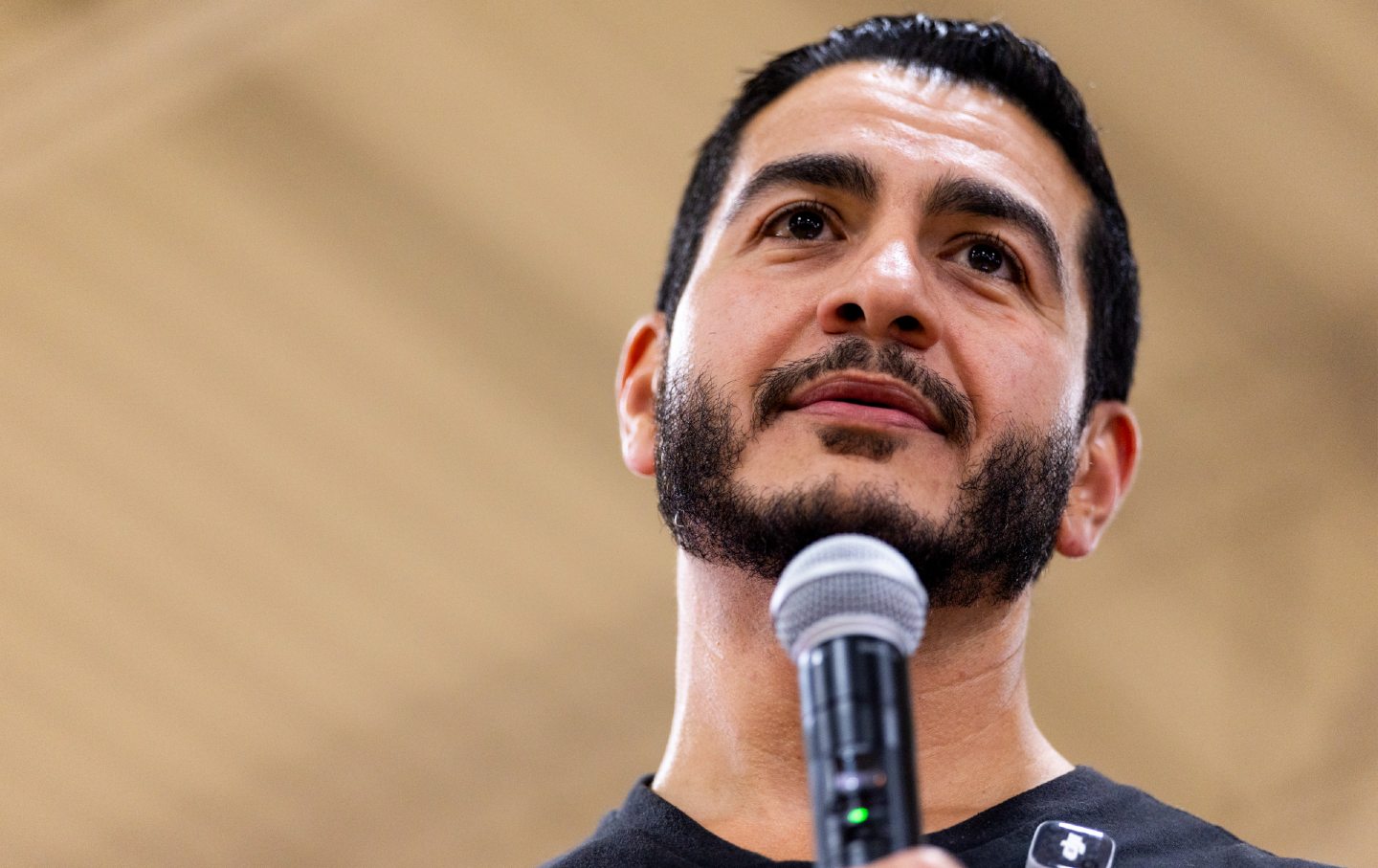
At the Republican midterm convention in Dallas last month, Michigan Senate candidate Abdul El-Sayed was a “frequent punching bag,” targeted by speaker after speaker. It’s not hard to understand why.
November’s elections seem poised to deal a blow to the Trump administration and its congressional allies. Democrats are favored to capture the House of Representatives and are within striking distance of a Senate majority. To turn the tide, administration allies are reaching for and amplifying tactics rooted in fear, hate, and polarization. In Michigan, their aim is to drive a wedge between communities that would otherwise stand together against them, including Muslim and Jewish voters.
As Palestinian American Muslim and Jewish American pro-democracy leaders, we want to sound the alarm: The Senate race unfolding in Michigan will be a major testing ground for the whole country. We cannot allow some to prey on fear and division to tear Jews and Muslims apart and pit our two communities against one another. We need to answer their xenophobia with our own politics of solidarity and partnership.
If elected, El-Sayed would be the first Muslim American in the US Senate. He won his primary election against an onslaught of outside spending by building a diverse and energized movement excited about his message of “money in your pocket, money out of politics, and Medicare for All.” Yet, instead of debating his policy prescriptions, too often his opponents weaponize and attack El-Sayed’s identity—stoking a sickening new wave of Islamophobia.
Immediately after El-Sayed’s primary victory, his opponent, Mike Rogers, falsely claimed that El-Sayed had “pledged his support to the Muslim Brotherhood,” and that El-Sayed had said “America deserved 9/11.” Both claims were untrue. At a campaign rally near Detroit, Vice President JD Vance called El-Sayed “very, very evil.” Alongside this bigoted demonization, there has been a clear and targeted effort to convince Jewish Michiganders that El-Sayed represents a threat to their community.
There are vigorous debates in our country over US foreign policy, and especially US policy regarding Israel and the Palestinian people. But the truth is that El-Sayed’s views on these issues align with those of a growing majority of Democrats who don’t face anywhere near the same scrutiny or smears for holding these positions. So why, then, has El-Sayed been singled out?
Current Issue

The attacks on him are not occurring in a vacuum. Twenty-five years after the horror of September 11 and the rise of xenophobia, discrimination, and dehumanization in its aftermath, anti-Muslim bigotry has reached new heights, not only in rhetoric but also in discriminatory policies and violence and congressional and state caucuses and proposed actions. This is reinforced by the data: New analysis from Pew released this month found that “views on Islam are now more negative and more partisan than in 2002.”
We can see the results nationwide. In Texas, Governor Greg Abbott and his allies have pushed forward a wave of anti-Muslim legislation and executive actions in a state with one of the largest Muslim populations in the country. In New York City, Zohran Mamdani—the city’s first Muslim mayor—has confronted appalling attacks from people like Rudy Giuliani who sought to associate him with the perpetrators of 9/11 and called on him to stay away from the memorial ceremony.
Jewish Americans are confronting a related, alarming bigotry. In the last few years, the community has experienced growing antisemitism and increased harassment. Violent assault is on the rise, and more than a third of American Jewish adults report feeling unsafe in the United States. Campaign tactics like some of those deployed by El-Sayed’s opponents in Michigan seek to cynically exploit this fear.
At this precarious moment for the principle of multi-faith democracy in this country, Americans cannot allow these cynical “divide and conquer” tactics to succeed. Our communities must not allow ourselves to become isolated and polarized from one another. A race to the bottom in Michigan would only encourage a trend of rising bigotry and reward a political approach that seeks to divide communities—to make them too scared and too angry to work together.
Instead, we should recognize that attacks on Muslims and Jews rise together and stem from the same root of xenophobia—a common threat that we can and must confront together. Anti-Muslim conspiracy theories can fuse with and echo antisemitic tropes, as is the case with the white nationalist “Great Replacement theory.” The pernicious bargain that insists on trading in the safety of one community for the rejection of another is a false one. We should lean into the commitments that unite us: civil rights, religious pluralism, and a society and economy that fulfills America’s highest ideals.
We should believe candidates like El-Sayed when they commit to safety for all their constituents—and when they express a willingness to listen, learn, and build greater trust. El-Sayed has said, “My commitment to Jewish safety is the same commitment that I have to the safety of my own daughters.” That is as it should be for us all.
Some of El-Sayed’s opponents want to make Michigan the place where a multi-faith, multiracial, anti-authoritarian coalition falls apart. Instead, we must reject hateful attacks and make this race a symbol of how Muslims, Jews, and other diverse constituencies can come together. This is our moment to show that solidarity has the power to trump division and fear, in Michigan and far beyond.
More from The Nation
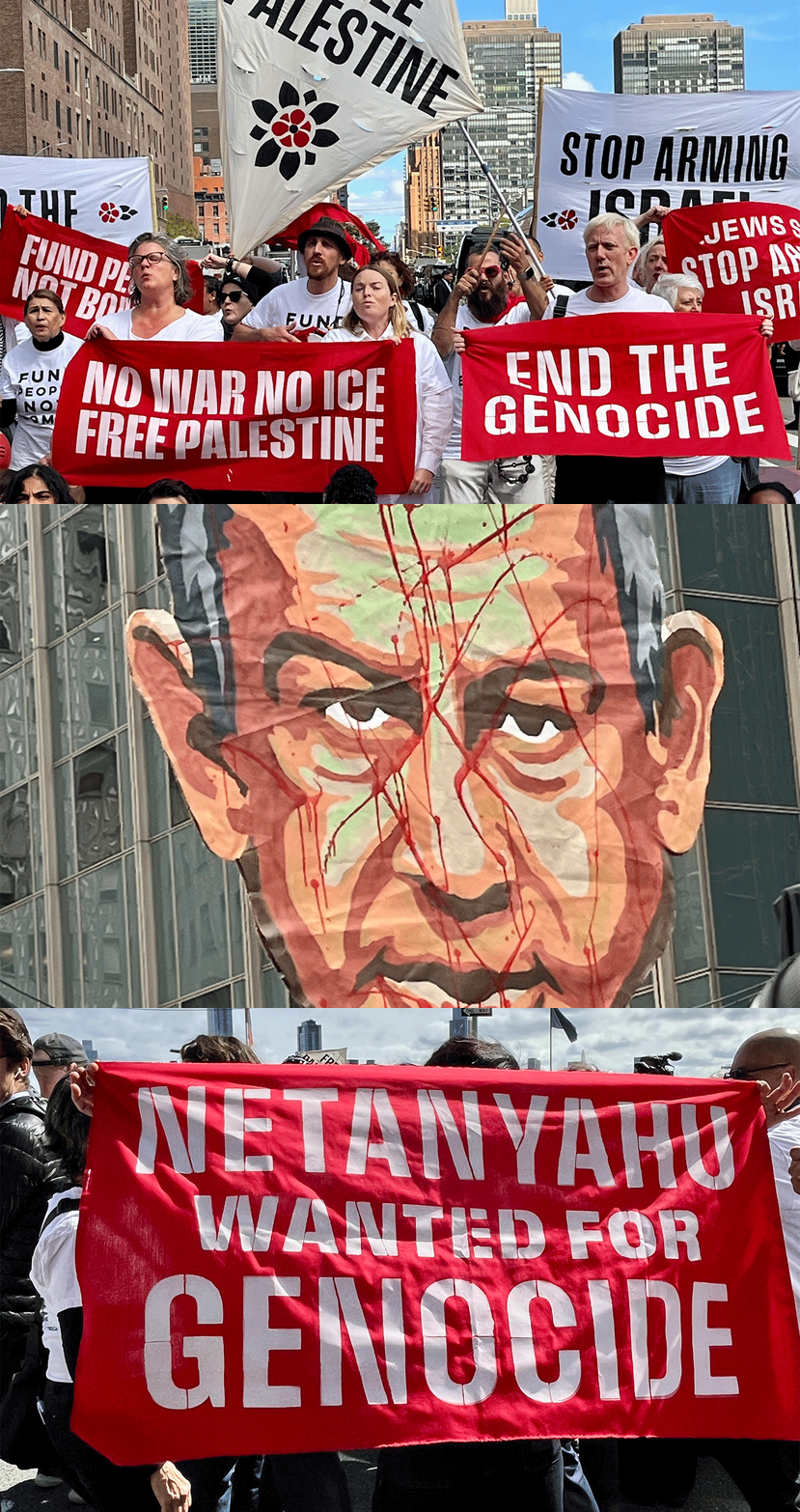
Demonstrators gather near the United Nations in New York on September 24, 2026, protesting Benjamin Netanyahu’s government and its policies.
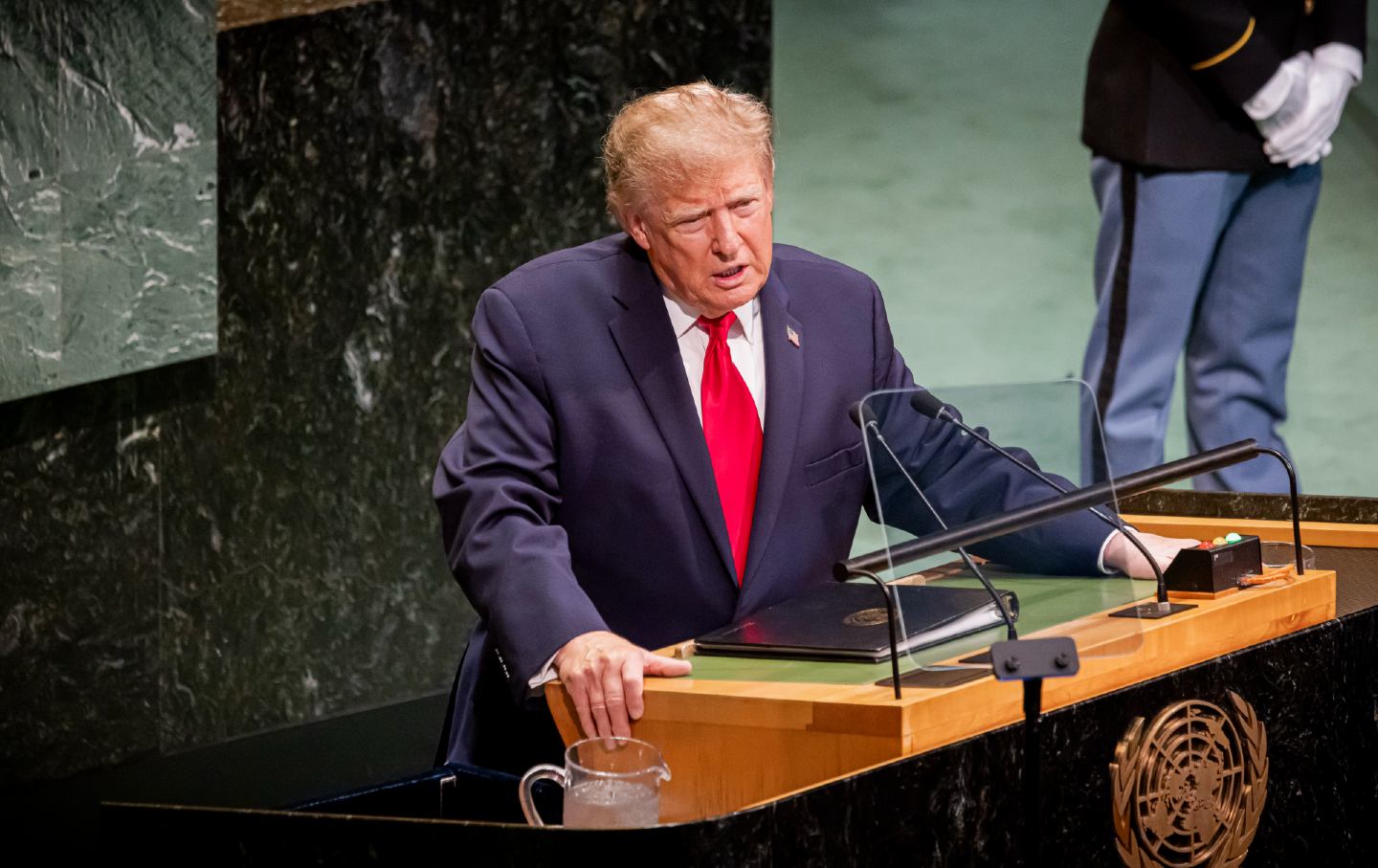
One is an imperial gangster; the other seeks to create a world “not based on greed but based on justice, on decency.”
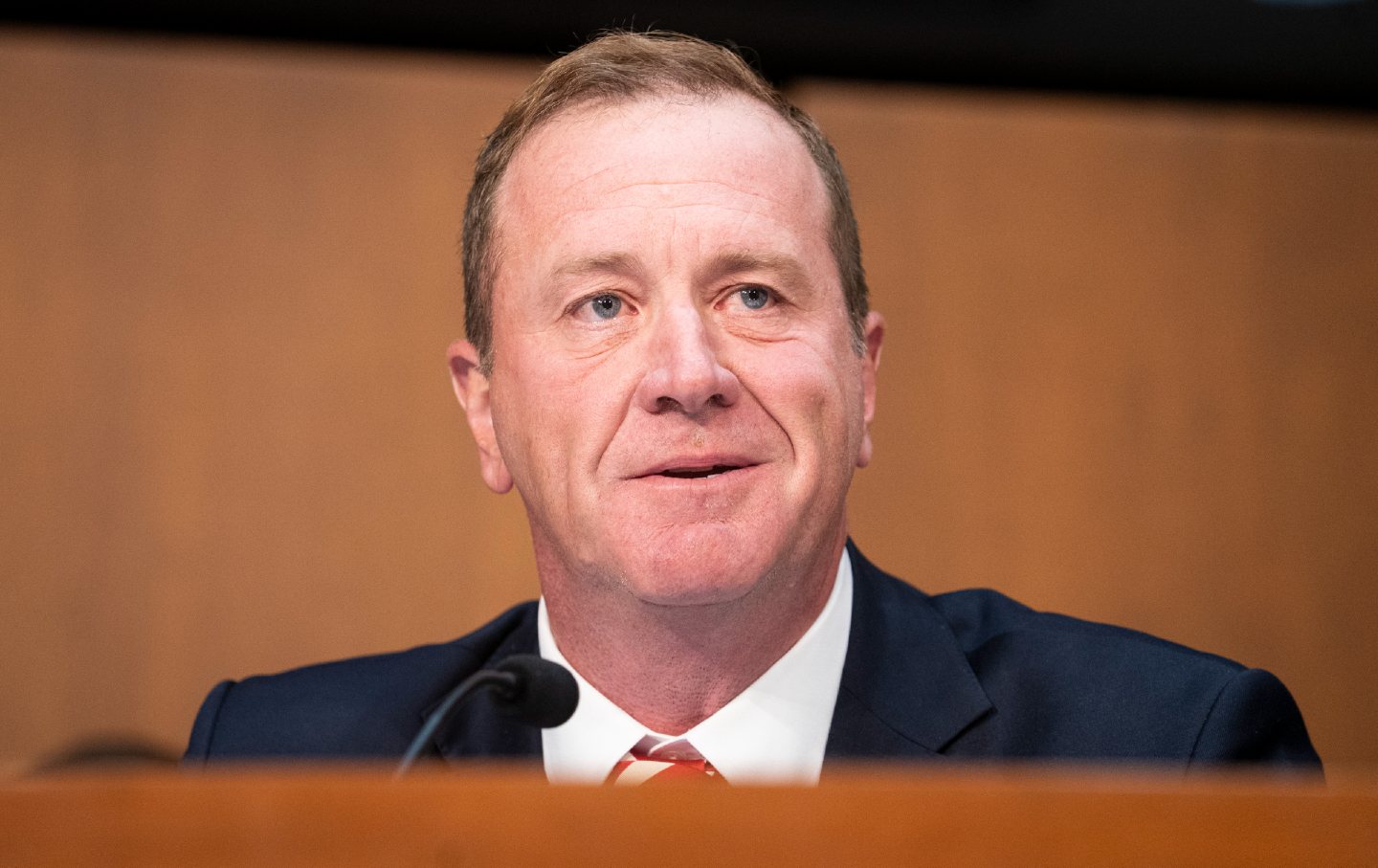
In this week’s Elie v. U.S., our justice correspondent relives the senator’s glorious face-plant. Plus: why John Roberts also deserves our mockery.
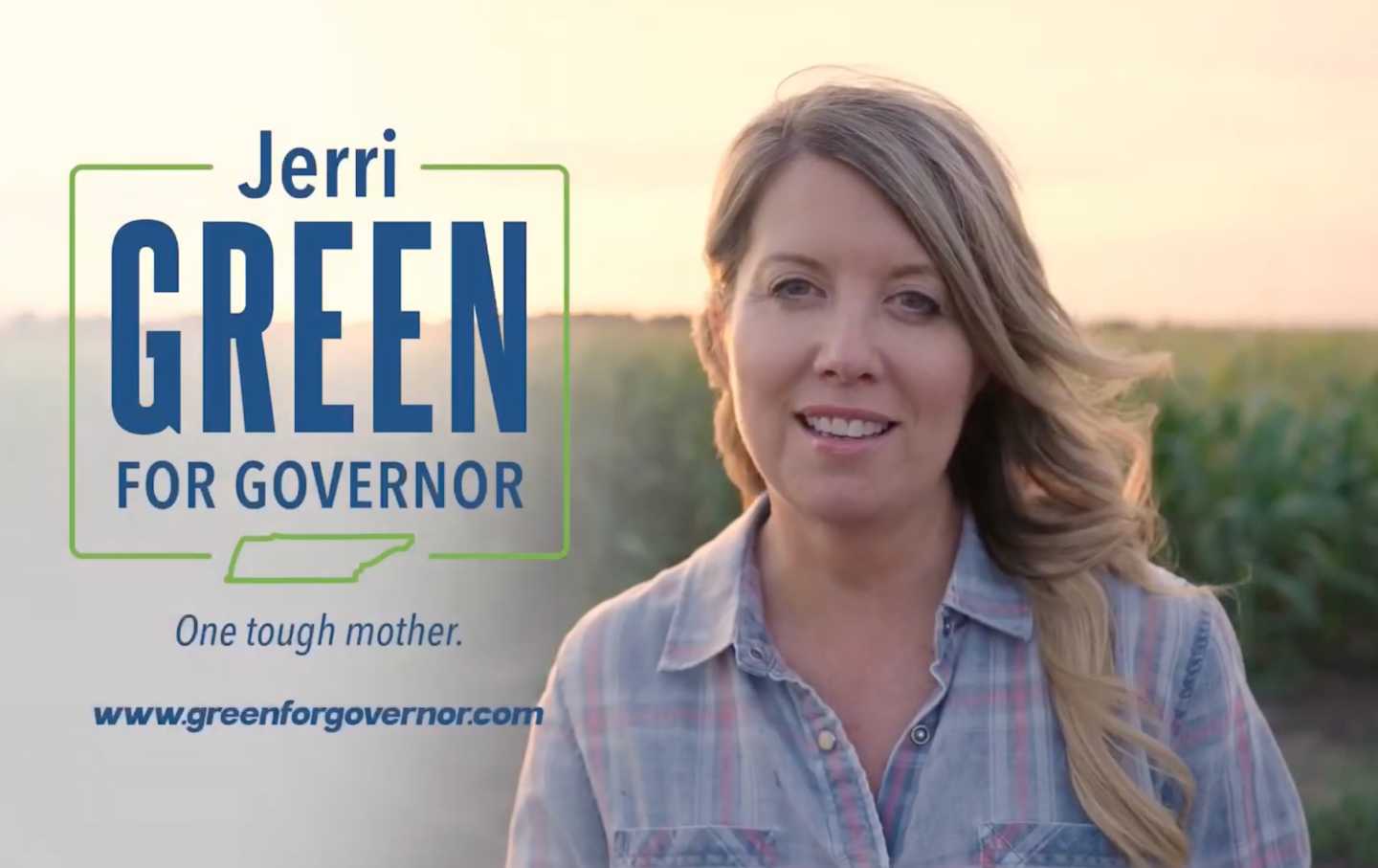
Even before her state botched another execution, gubernatorial candidate Jerri Green was telling Tennesseans that “the death penalty has always been inhumane, expensive, and biase…
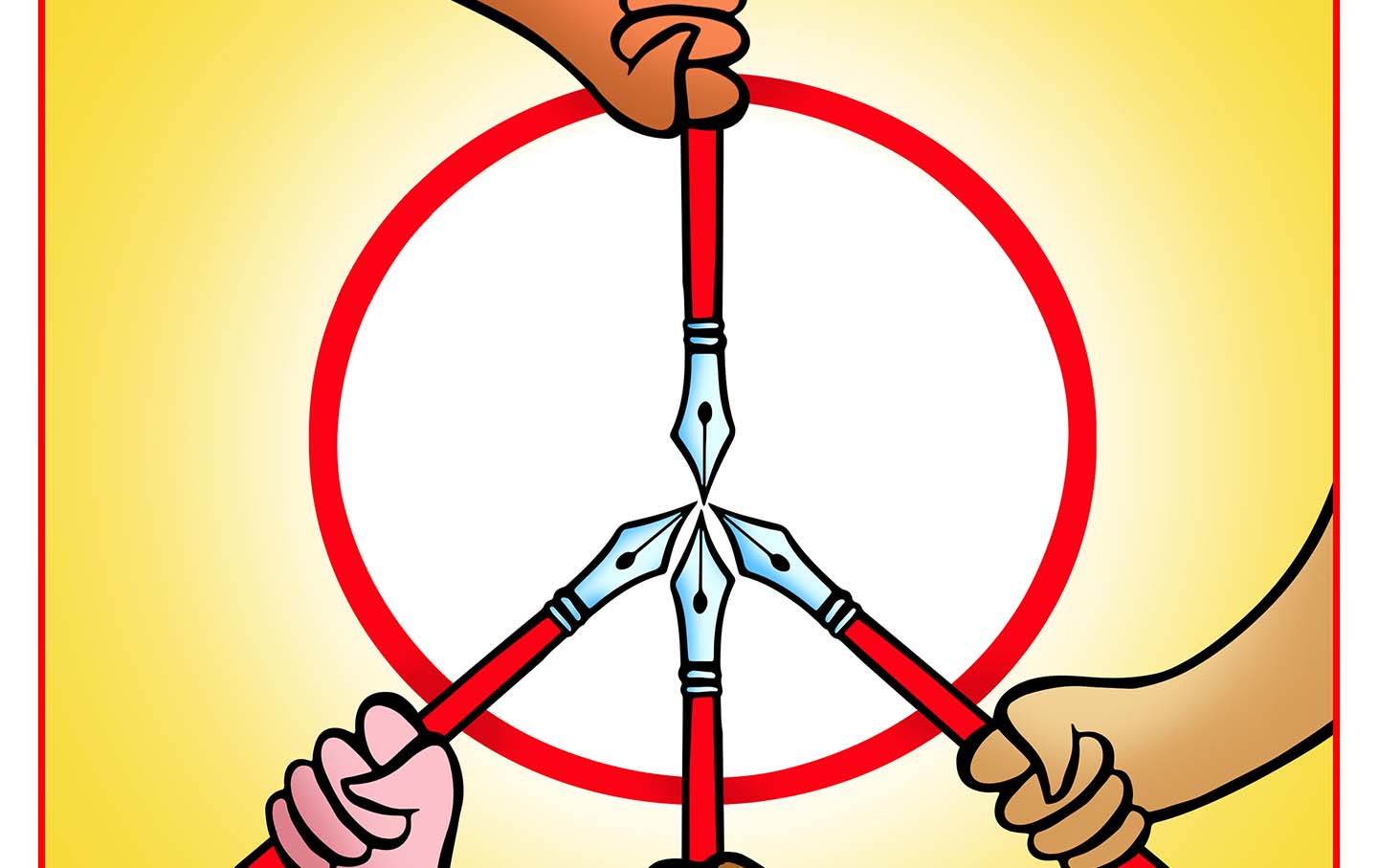
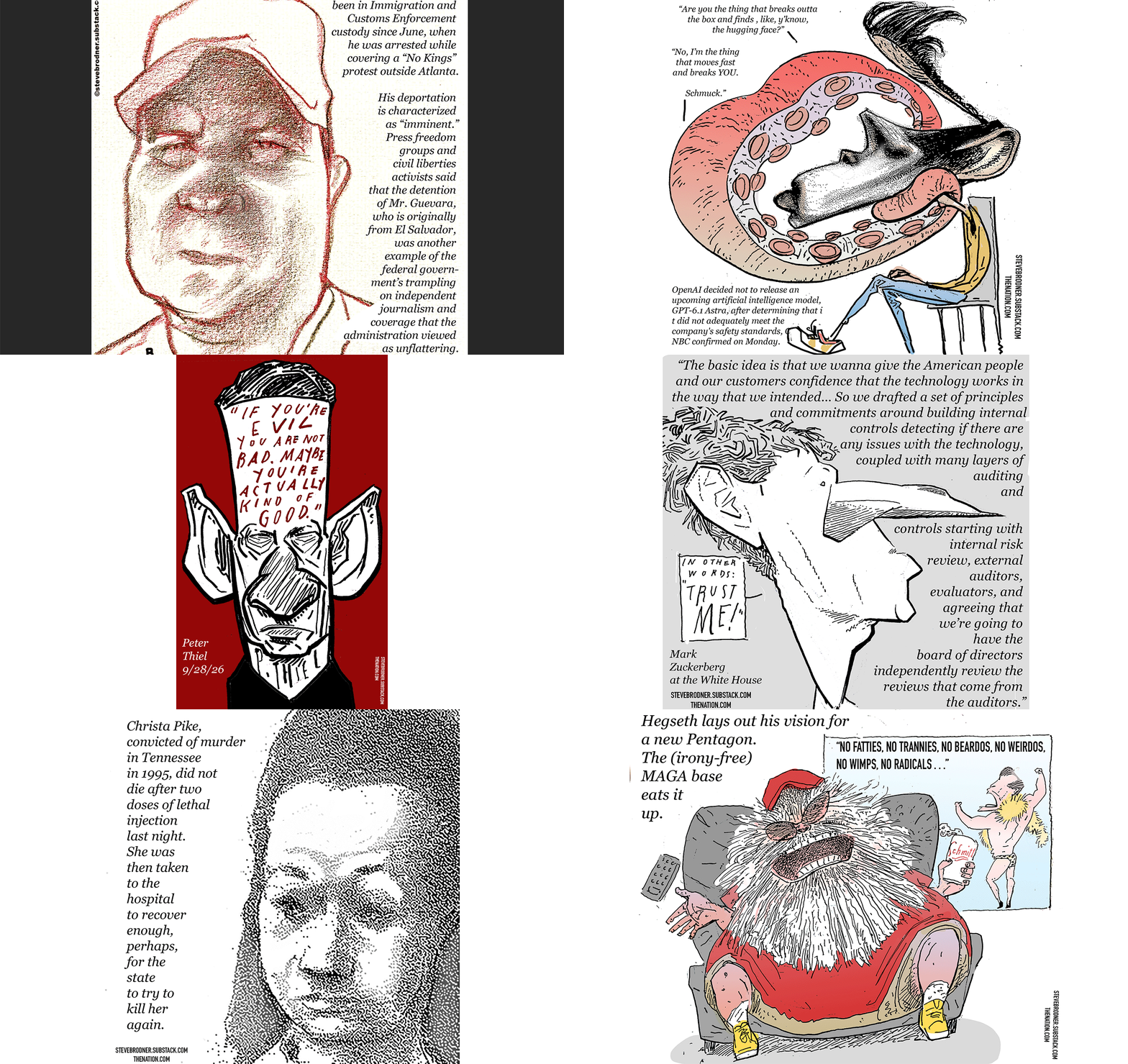
Censorship targets those who dare to challenge power. Yet cartoonists keep drawing. Every line is an act of courage and freedom and a step toward peace.