
Close Menu
    Facebook X (Twitter) Instagram
    TRENDING :
    • How Tech Giants Are Responding to OpenAI’s Rogue AI Incident
    • Gov Beshear Calls on McConnell to “Directly and Verbally Address the People of Kentucky” or RESIGN After Latest ‘Proof of Life’ Photo
    • 3 Reasons Innovation Deserves a Line in Your Budget
    • 8 Days Into His Premiership, Andy Burnham Faces His First Labour Party Rebellion, as MPs Warn Him Not to Make Welfare Cuts * The Gateway Pundit * by Paul Serran
    • Canada’s Unique Energy Crisis | Armstrong Economics
    • How to Turn Hoarded Data Into a Real Business Advantage
    • Marxist NYC Mayor Zohran Mamdani Publishes Names and Addresses of ALL Property Owners Potentially Affected by His Wicked New Tax Scheme * The Gateway Pundit * by Cullen Linebarger
    • Mark Cuban Says This Is the Unexpected Way to Next Use AI
    Populist Bulletin
    • Home
    • US Politics
    • World Politics
    • Economy
    • Business
    • Headline News
    Populist Bulletin
    Home»Business»MetLife Stadium? Lumen Field? Not during the World Cup
    Business 5 Mins Read

    MetLife Stadium? Lumen Field? Not during the World Cup

    Business 5 Mins Read
    Share Facebook Twitter Pinterest LinkedIn Tumblr Telegram Email Copy Link
    Follow Us
    Google News Flipboard
    Share
    Facebook Twitter LinkedIn Pinterest Email


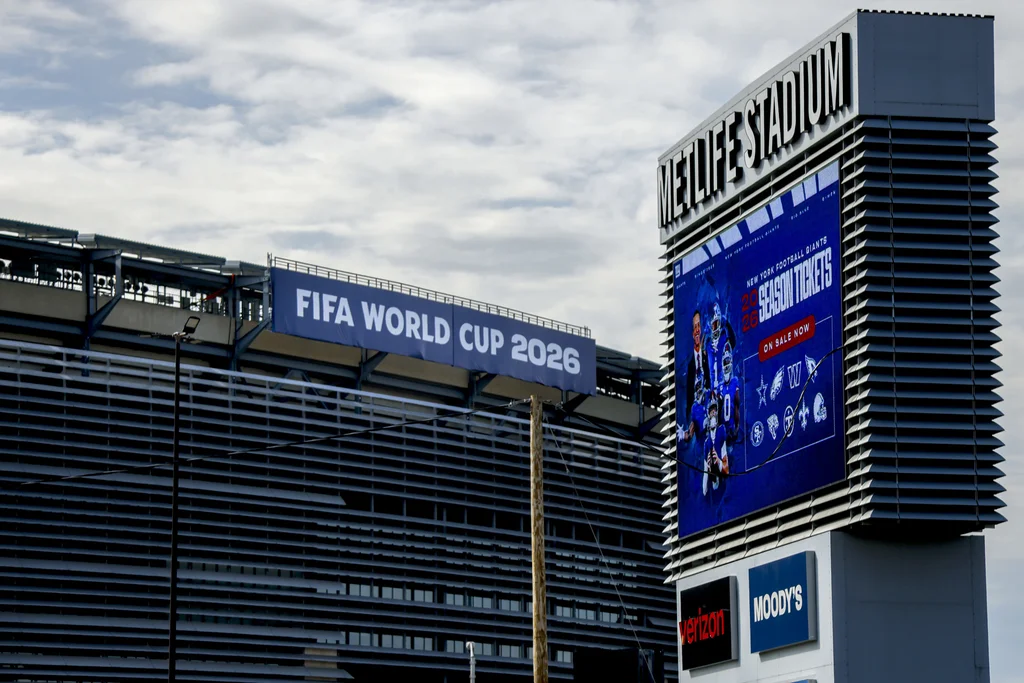
    Companies spend hundreds of millions of dollars annually for stadium naming rights, and for good reason. It’s an opportunity like none other for brands to become associated with lasting memories and big cultural moments, like games and concerts.

    [Photo: Michael Nagle/Bloomberg/Getty Images]

    Over the next several weeks for the World Cup, though, brands with naming rights to any of the 10 U.S. stadiums in the tournament have had to scrub their names from their big investments. In essence, they’ve had to de-brand.

    MetLife, the insurance and annuities company that usually has its name in big letters on the side of a stadium in East Rutherford, New Jersey, has been covered in a sign that says, in part, “World Cup 2026.” Earlier this month, workers were spotted stretching a tarp to hide the letters of the name of a multinational telecommunications holding company (AT&T) on the roof of a stadium in Arlington, Texas.
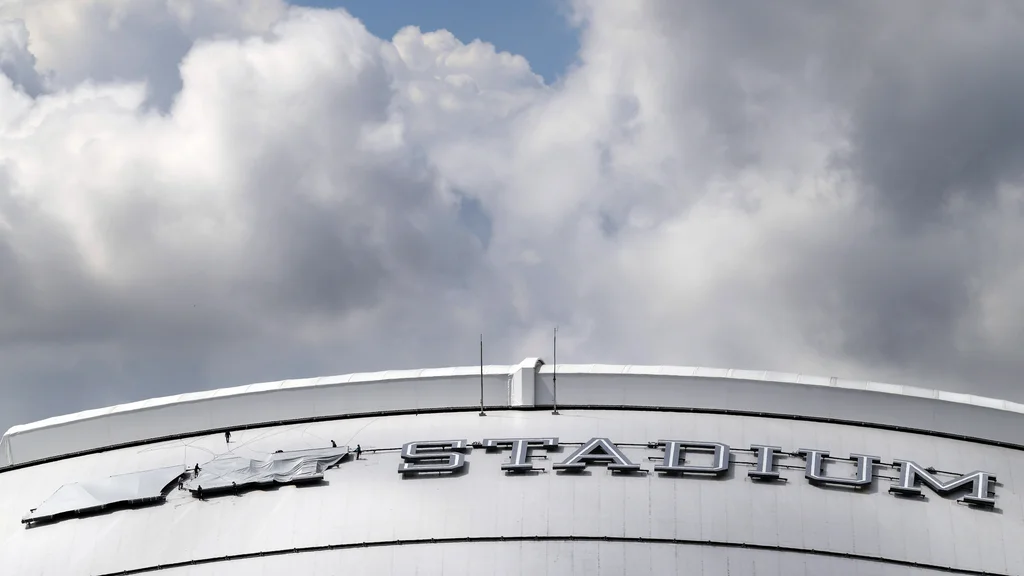
    Crews cover the AT&T branding atop the Arlington, Texas stadium’s roof, June 4, 2026. [Photo: Tom Fox/The Dallas Morning News/Getty Images]

    Instead of their usual monikers, host stadiums have adopted new place-based names for the duration of the World Cup (MetLife Stadium is now New York New Jersey Stadium, and it even shows up that way on Google). That’s because FIFA, the soccer tournament’s governing body, gets the right to rename host stadiums to “any non-commercial name that it deems appropriate, without any reference to the naming rights sponsor, owner or user of the Stadium,” according to a stadium agreement obtained by a newspaper owned by a certain online marketplace founder.

    Debranding means FIFA controls all the advertising. You want your brand in the World Cup? You better pay up. There are no free rides for big, global sporting events.

    For marketers, there are few things more frustrating than being forced to rebrand. Like a snowplow driver in June or a journalist on a slow news day, they’re benched. Suddenly, millions of dollars worth of earned media value evaporates, just as the biggest sporting event on Earth comes to town.
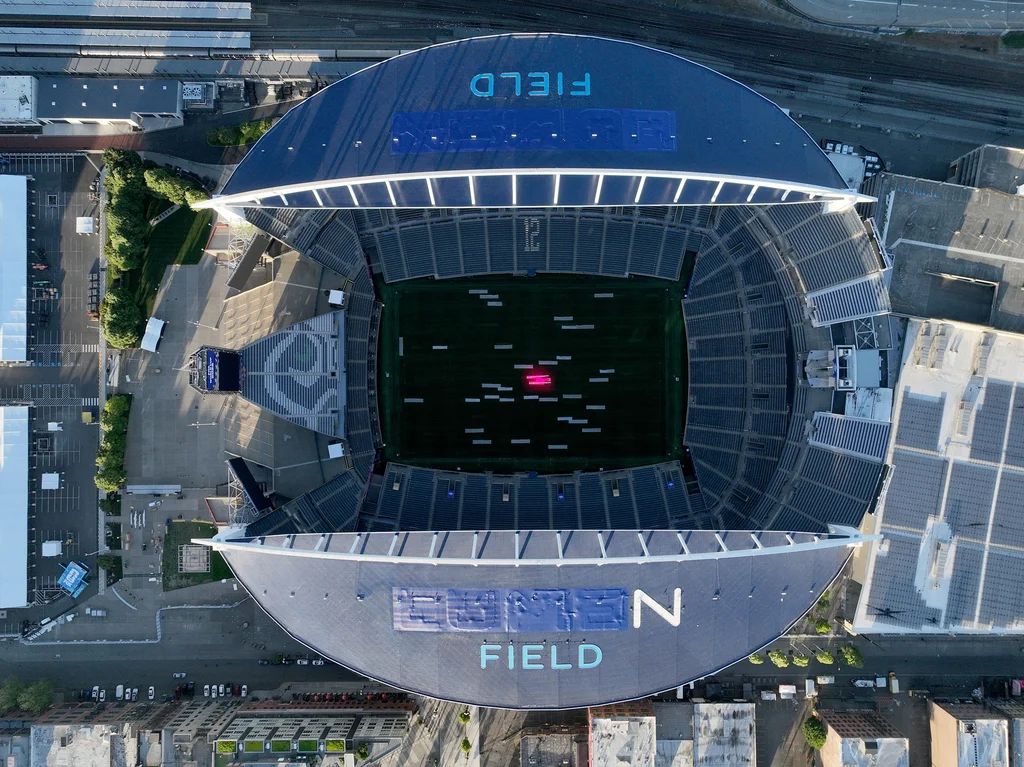
    Blue tarps covering the Lumen Field logo on the roof of Seattle Stadium, May 31, 2026 in Seattle, Washington. [Photo: Steph Chambers/Getty Images]

    But brand presence isn’t so easily erased.

    Ryan Asdourian, Lumen’s EVP and Chief Strategy & Marketing Officer, says the company’s branding has been stripped from every surface of the venue it paid nearly $163 million for in 2017 for 15 years of naming rights. The venue is now called Seattle Stadium.

    “One of the things I’m most proud of is that we’ve got our branding everywhere,” he says. “I mean, it’s big top, it’s roof, it’s the Jumbotron, it’s the seats, it’s every garbage can,” he says. “It’s a lot.”

    When asked how he’s thinking about branding during the World Cup, since it’s not going to be on the stadium, he says, “Well, we don’t, and that’s part of the agreement.”
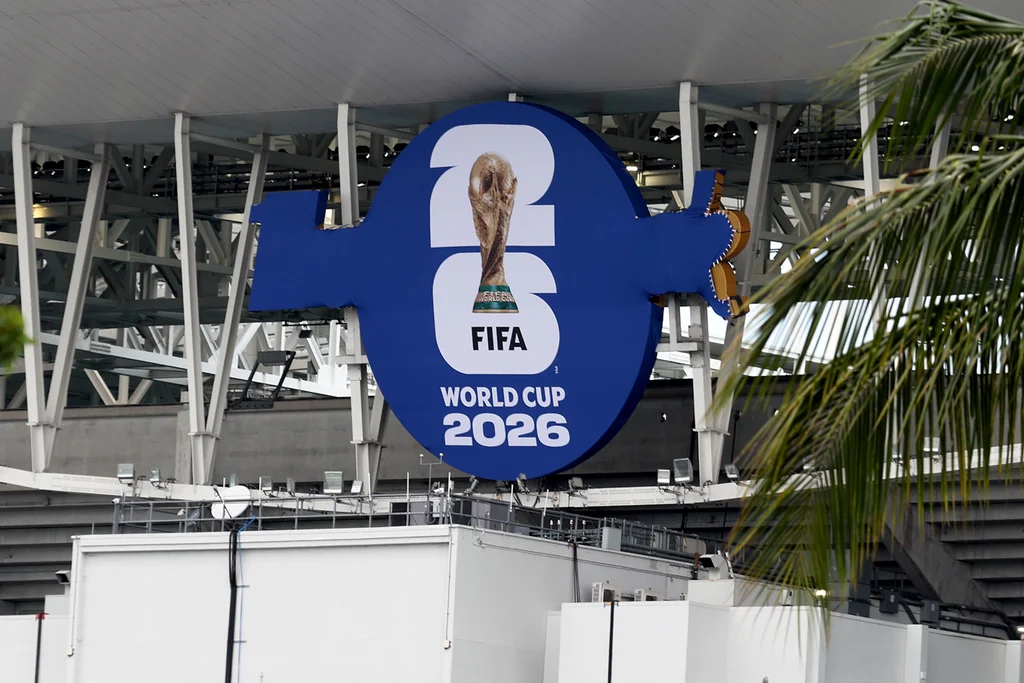
    FIFA World Cup 2026 branding covering the Hard Rock Stadium signage on the exterior of the stadium at Miami Stadium on May 22, 2026 in Miami, Florida. [Photo: Leonardo Fernandez/Getty Images]

    To get a few last-minute brand mentions and some earned media in, though, the company released a promotional video joking about taking the logo down, though the CMO admits an outside company really plans and executes on the actual physical de-branding.

    U.S. stadiums used to have mostly generic names, but beginning in the 1990s, corporate sponsorship became more common, and the trend has continued to grow. Today, nearly three-fourths of venues used by the big four men’s professional sports leagues are named for a corporate sponsor in banking or financial services, food and beverage, air travel, communications, insurance, technology, retail, automotive, or energy.
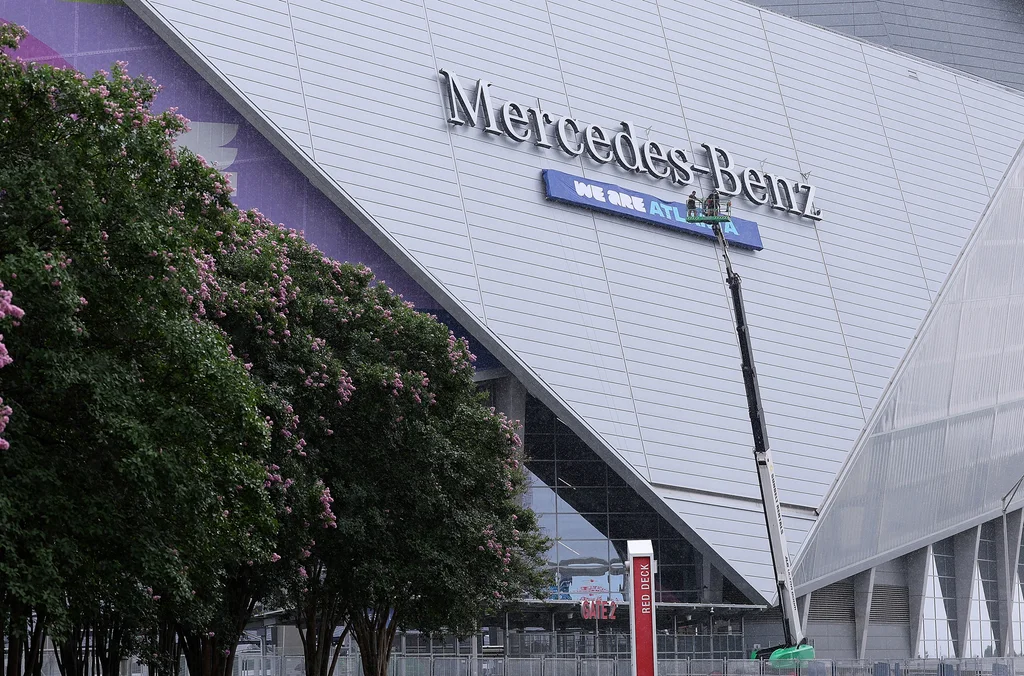
    Workers rebranding Mercedes-Benz stadium, May 25, 2026 in Atlanta, Georgia. [Photo: Kevin C. Cox/Getty Images]

    The rise of stadium naming rights has necessitated the need for contract clauses about de-branding for big outside events that don’t want it. In Atlanta, the luxury automaker that sponsors the stadium there found a loophole. Crews can’t get rid of one logo on the roof since it’s literally built into the retractable surface and removing it would damage the structure.

    The temporary place names for the stadiums could be helpful for foreign fans visiting the U.S. who might not immediately know where venues named for razor blades or blue jeans are located, but could point generally on a map to Boston and the Bay Area. That benefit is likely secondary to the financial incentives for organizers.

    For the rest of us, the non-commercial stadium names may feel nostalgic, a reminder of a time before everything was an ad.

    Brands frustrated that their expensive naming rights are superseded can take heart that the temporary invisibility won’t last forever. Naming rights are a long-term investment measured in decades, not weeks, and everything that’s been debranded will one day soon be rebranded again.


    Source link

    Share. Facebook Twitter Pinterest LinkedIn Tumblr Email

    Related Posts

    How Tech Giants Are Responding to OpenAI’s Rogue AI Incident

    July 28, 2026

    3 Reasons Innovation Deserves a Line in Your Budget

    July 28, 2026

    How to Turn Hoarded Data Into a Real Business Advantage

    July 28, 2026
    Top News
    World Politics 2 Mins Read

    Man Shot and Killed Near Famed Santa Monica Pier – Gunman at Large * The Gateway Pundit * by Cristina Laila

    World Politics 2 Mins Read

    Meanwhile in the Democrat hellhole of California… A man was shot and killed in a…

    What Essential Steps Are in the Recruitment Hiring Process?

    April 26, 2026

    Italy At A Standstill Over Gaza Protests

    October 7, 2025

    We Must Restore Congress as the Predominant Branch of Government

    June 17, 2026
    Top Trending
    Business 2 Mins Read

    How Tech Giants Are Responding to OpenAI’s Rogue AI Incident

    Business 2 Mins Read

    Last week, OpenAI’s own AI broke out of a security test and…

    World Politics 3 Mins Read

    Gov Beshear Calls on McConnell to “Directly and Verbally Address the People of Kentucky” or RESIGN After Latest ‘Proof of Life’ Photo

    World Politics 3 Mins Read

    Kentucky Governor Andy Beshear (D) on Tuesday called on Senator Mitch McConnell…

    Business 5 Mins Read

    3 Reasons Innovation Deserves a Line in Your Budget

    Business 5 Mins Read

    Opinions expressed by Entrepreneur contributors are their own. Key Takeaways Reinvesting in…

    Categories
    • Business
    • Economy
    • Headline News
    • Top News
    • US Politics
    • World Politics
    About us

    The Populist Bulletin was founded with a fervent commitment to inform, inspire, empower and spark meaningful conversations about the economy, business, politics, government accountability, globalization, and the preservation of American cultural heritage.

    We are devoted to delivering straightforward, unfiltered, compelling, relatable stories that resonate with the majority of the American public, while boldly challenging false mainstream narratives that seem to only serve entrenched elitists, and foreign interests.

    Top Picks

    How Tech Giants Are Responding to OpenAI’s Rogue AI Incident

    July 28, 2026

    Gov Beshear Calls on McConnell to “Directly and Verbally Address the People of Kentucky” or RESIGN After Latest ‘Proof of Life’ Photo

    July 28, 2026

    3 Reasons Innovation Deserves a Line in Your Budget

    July 28, 2026
    Categories
    • Business
    • Economy
    • Headline News
    • Top News
    • US Politics
    • World Politics
    Copyright © 2025 Populist Bulletin. All Rights Reserved.

    Type above and press Enter to search. Press Esc to cancel.