
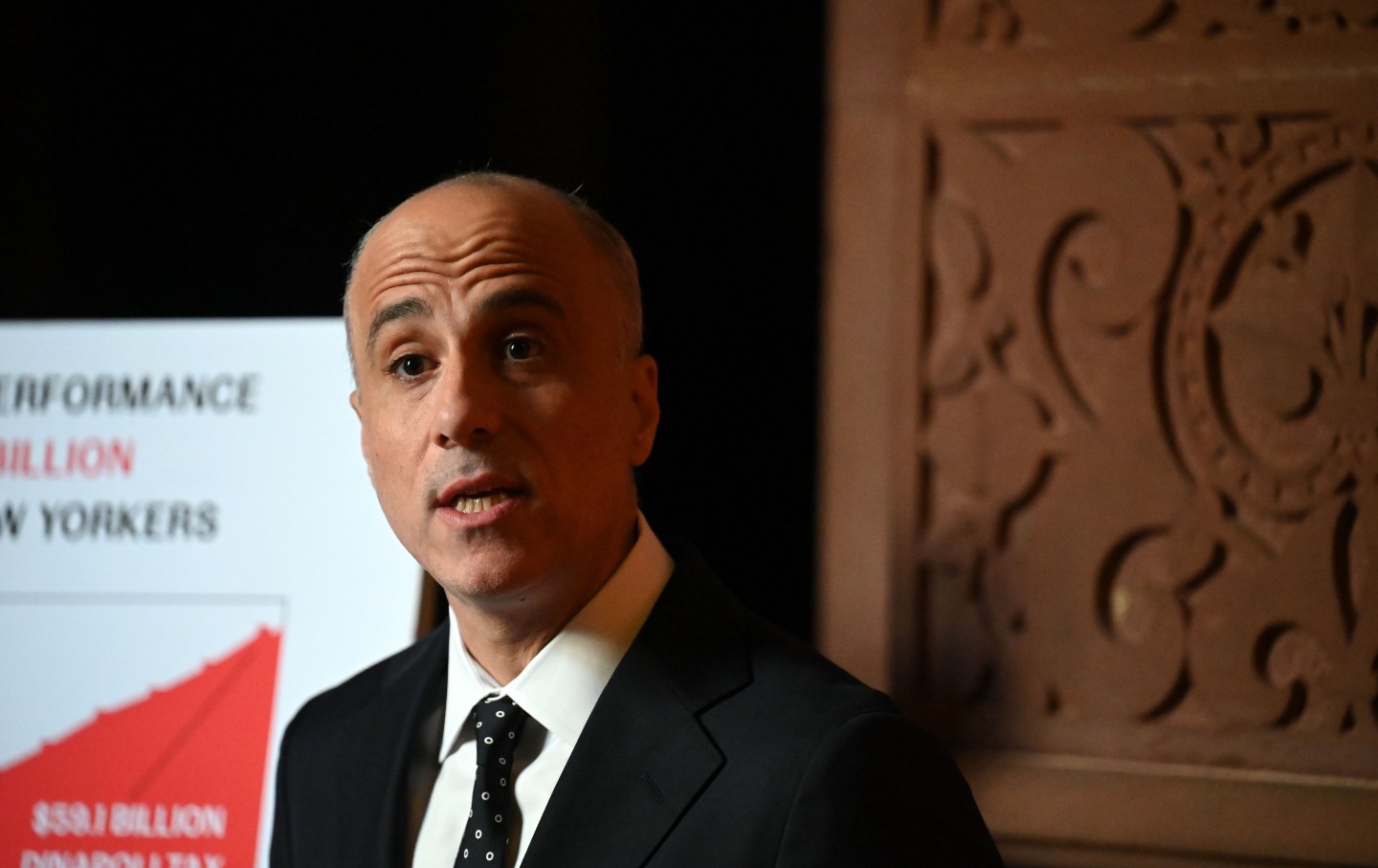
Drew Warshaw recently left the affordable housing nonprofit he was leading to run for a position most have never heard of and can barely pronounce—the office of New York State comptroller.
That office, currently held by a 20-year Democratic incumbent running for a sixth term, is quietly among the most powerful in the entire country, unilaterally controlling the investments of a $298 billion public pension fund. This makes the comptroller the third-largest investor in the United States. And that figure represents the retirement security of teachers, nurses, sanitation workers, and public employees across the state of New York.
Warshaw argues that money has been mismanaged over the last two decades. The campaign estimates that just over 650 Wall Street bankers and investment managers have been paid over $11 billion in fees to manage the state’s investments, and because those investments have underperformed, taxpayers have been forced to pay an estimated $59.1 billion in higher property and income taxes to make certain the pension fund is fully funded, which it must be by state law.
In short, as Warshaw puts it: “This cycle represents the largest transfer of wealth that no one knows anything about.”
Warshaw’s solution? To fire the bankers, move pension assets out of private equity and hedge funds, and bring them into a diversified set of practically free, low-cost index funds. If that sounds like radical change, it isn’t. Most of the pension fund’s public stocks are held in index funds already, and New York wouldn’t be the first state to take this sort of simplified, passive approach.
For a while, the Nevada Public Employees’ Retirement System was run by one guy. Steve Edmundson’s strategy: invest in low-cost, low-risk funds, and then quite literally do nothing for years. This approach has matched or outperformedother states that hire teams of money managers to make more complex investments.
Current Issue

So not only could Warshaw’s plan improve outcomes for New York’s public employees, it could also serve as a model for reform in other states. America’s public pension funds hold roughly $6 trillion in assets. Warshaw could reaffirm that private equity need not touch a cent.
Beyond that signature proposal, Warshaw is pushing for a number of other game-changing reforms. He wants to divest the fund from fossil fuel assets, companies like Palantir which enable the Trump administration’s anti-immigrant enforcement apparatus and the surveillance state, and foreign governments—including Israel bonds, in which New York currently holds a record $368 million.
Meanwhile, he’s aiming to invest more in affordable housing—pledging to commit $20 billion of pension capital to permanently affordable homes across New York State, which would be the largest affordable-housing fund in the United States. He would tackle the rising cost of electric bills by challenging the utility monopolies’ regulated profit margin, which is currently guaranteed by state regulators. He plans to use the power of the office to audit New York’s building codes and reduce the high cost of construction, and audit the New York Department of Financial Services to address soaring property insurance costs.
Oh, and then there’s free money. Over the last 20 years, New York State’s pool of unclaimed funds—money owed by banks and other companies to consumers that eventually becomes the state comptroller’s responsibility—has ballooned from $7.2 billion in 2006 to over $20 billion today. That’s the most that any state in the country owes its residents. Right now, if you want the money you’re owed, you have to proactively search your name, file a claim if you’re eligible, verify your identity, and wait for the check to come in the mail. Warshaw would cut out the middlemen and send out money automatically using data and information technology that has already been proven across other states.
But if Warshaw manages to prevail, the biggest impacts could reverberate beyond New York. Just as attorneys general, secretaries of state, and governors were thrust into the national spotlight during the pandemic and ongoing efforts to overturn elections, the cost-of-living crisis has the potential to elevate a new class of officials. In a world where New York State’s comptroller can enact these kinds of reforms, why couldn’t state auditors or treasurers or, if we’re feeling really ambitious, the chief financial officer of Florida?
And beyond even his class of political officials, Warshaw could offer all Democrats a model for what to do with power and where to find it. When government successfully addresses common problems—and citizens actually know it, and feel it—that strengthens the very idea of the common good. But to get there, you need public servants of uncommon competence and commitment. Drew Warshaw might just fit the bill.
Election Day is June 23.
From illegal war on Iran to an inhumane fuel blockade of Cuba, from AI weapons to crypto corruption, this is a time of staggering chaos, cruelty, and violence.
Unlike other publications that parrot the views of authoritarians, billionaires, and corporations, The Nation publishes stories that hold the powerful to account and center the communities too often denied a voice in the national media—stories like the one you’ve just read.
Each day, our journalism cuts through lies and distortions, contextualizes the developments reshaping politics around the globe, and advances progressive ideas that oxygenate our movements and instigate change in the halls of power.
This independent journalism is only possible with the support of our readers. If you want to see more urgent coverage like this, please donate to The Nation today.
More from The Nation

The president’s falsehoods about the White House Correspondents Dinner shooting continue a grim pattern.

As executive orders reshape the border, and Trump’s administration is trampling American laws and foundational values.
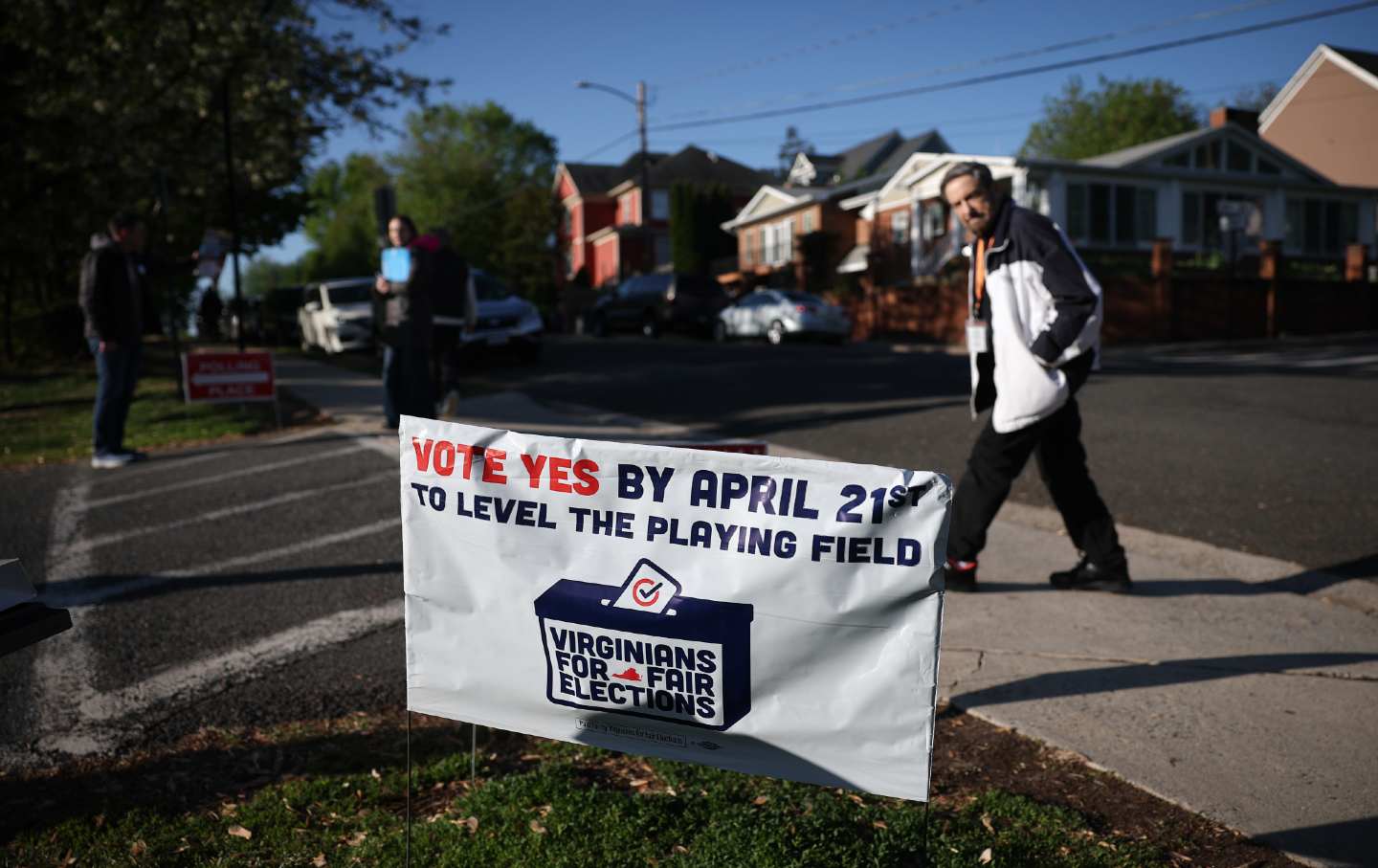
The party needs to pursue major reforms to defeat the structural demographic inequities threatening democracy.
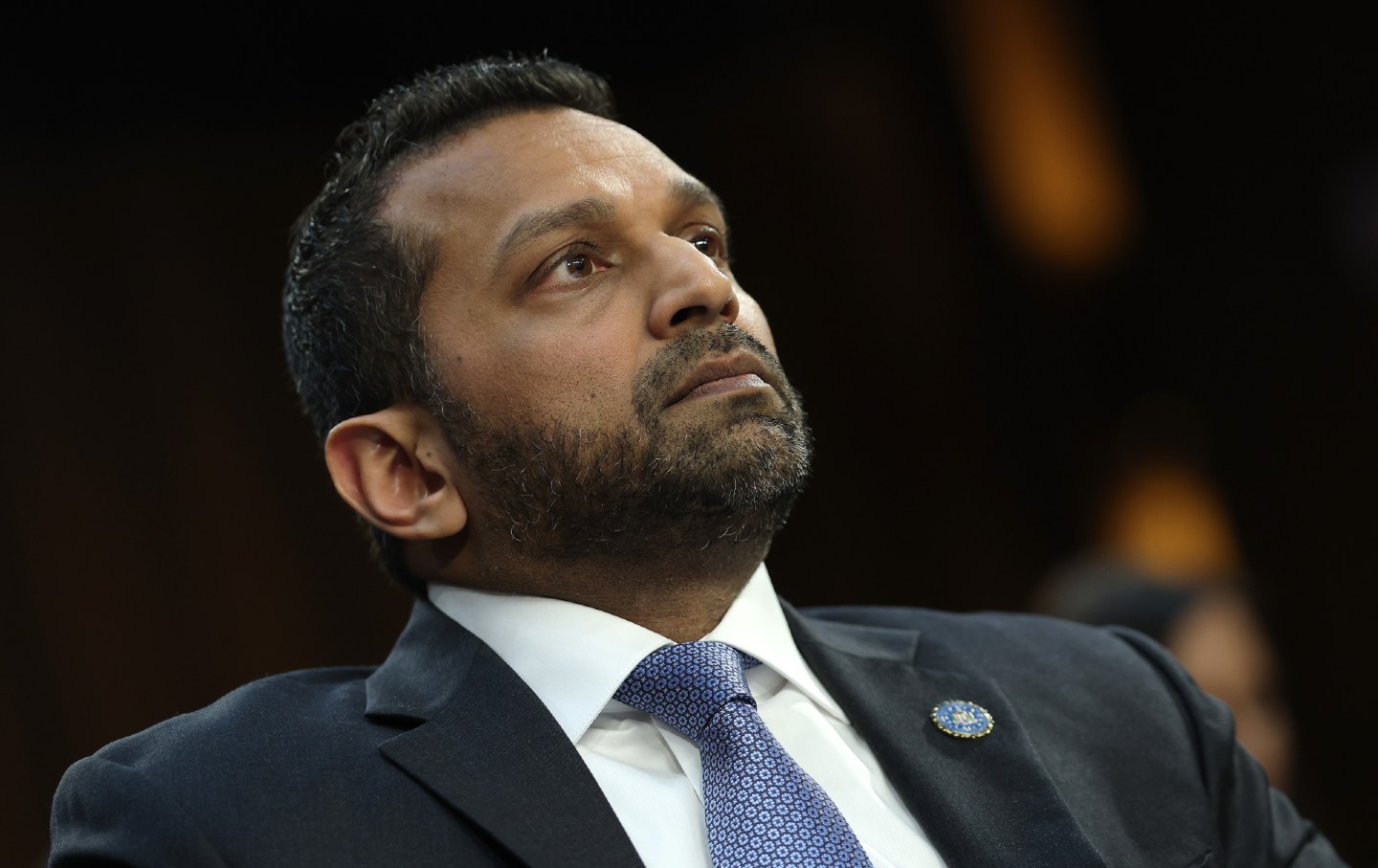
In this week’s Elie v. US, our justice correspondent deconstructs Patel’s preposterous defamation arguments. Plus: a fascinating gun-control lawsuit. And: All hail The Onion!
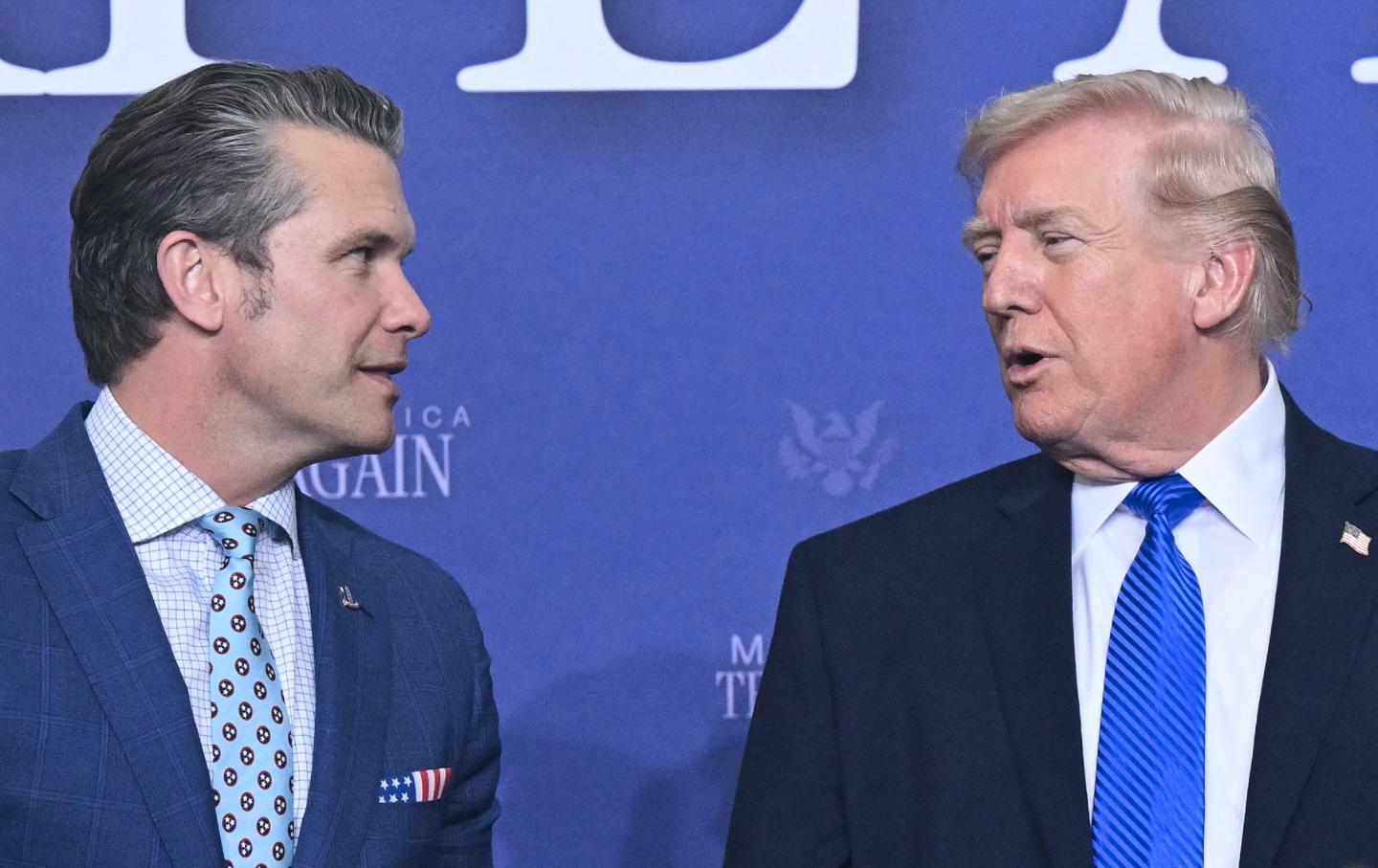
The president and the defense secretary are being humiliated abroad, so they’re purging scapegoats at home.