
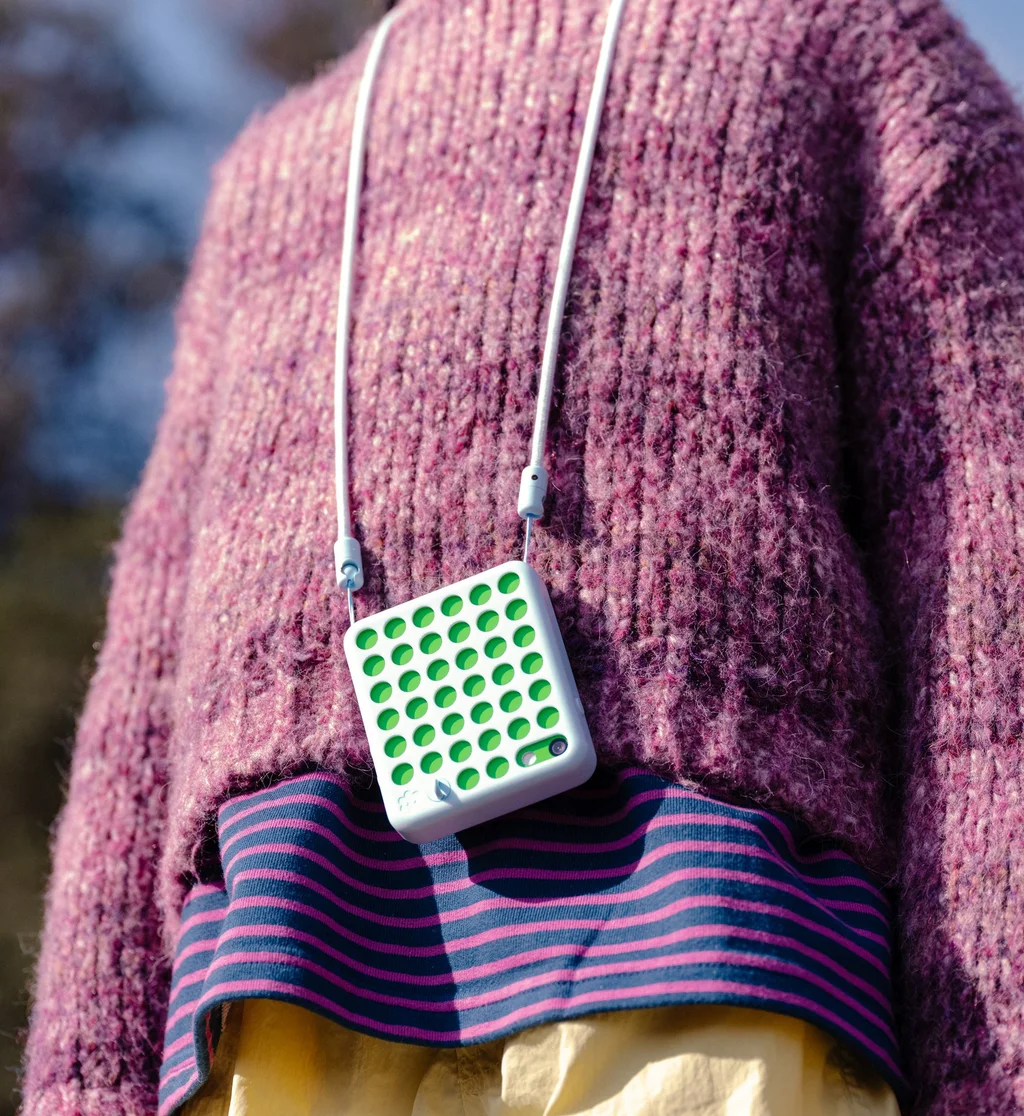
On our video call, Shreyas Narlanka holds up a 3-inch square screen called Meadow. It looks like a thick, equilateral iPhone 13 mini. It would easily fit in my jeans’ front pocket.
I instantly wanted one.
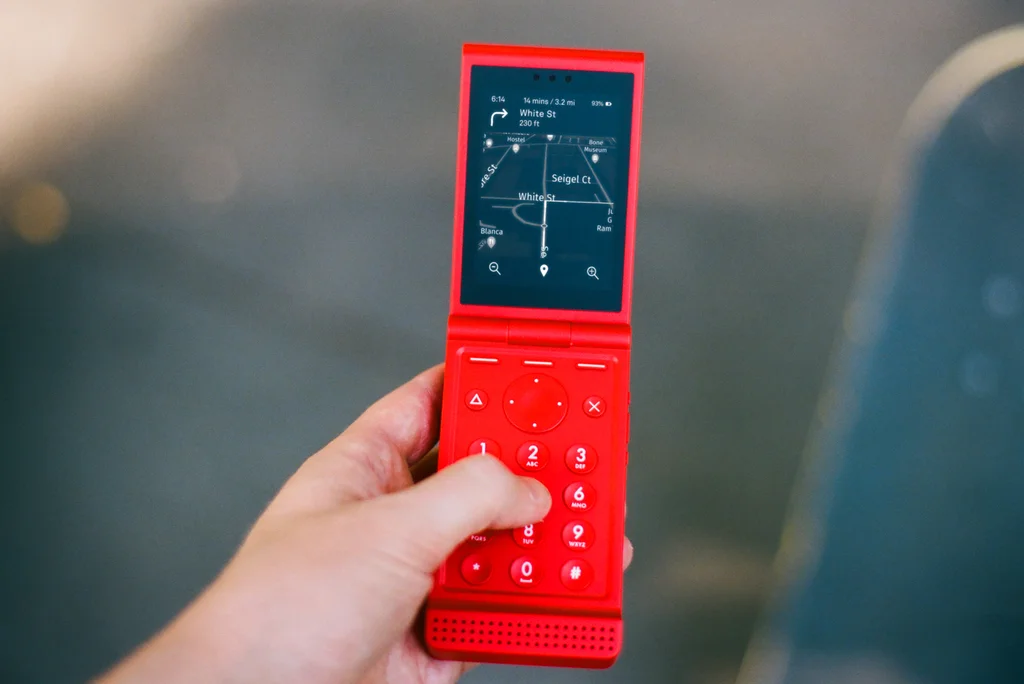
The Meadow is just one of a small but growing merry band of devices that want to help people cut their hyperdependency on their smartphones. There’s Ikko’s MindOne Pro, a kids’ phone called Freckle, the Light Flip phone, and even an aluminum case called RePod designed to turn obsolete Apple Watches into iPhone-iPod hybrids.
These gadgets are coming at an opportune time because every day I hate my iPhone and my Mac a little more. I ache for a compact device that gives me the convenience of digital life that doesn’t take the life out of me. Which explains why I keep dreaming awake about ditching my iPhone only to end up doomscrolling Instagram (the irony!) so I can watch reels that show how people use these new gadgets to stop doomscrolling Instagram.
Plenty of others seem to be as tempted as I am. The Hong Kong startup that makes the RePod tells me that it has sold more than 50,000 units since July. Ikko’s MindOne drew 3,411 backers on Kickstarter, who pledged nearly $1.5 million. And Meadow’s first two preorder batches sold out, Narlanka tells me. Its second production run is now underway.
I like to believe that, eventually, there will be a flip in the gadget spacetime continuum. One in which a big silent majority of people, fed up with their own toxic digital stupor, decide that it’s time to get rid of the smartphone in favor of a new class of device. I don’t know what the final form of this device will be. Perhaps AI agents will enable something different, hopefully not tied to Google, Apple, or Meta? Maybe. For now, I look at these gadgets and I see promise.
Rethinking the user experience
Narlanka, 25, dropped out of University of California, San Diego, where he was studying cognitive science focused on human-computer interaction. He sold his previous startup, an e-commerce and inventory management platform built for sneaker and collectable resellers, and decided it was time to craft a phone designed to stop using your phone.
He knew that this phone would require a new user experience. Just like the designers at Light, who are betting that “intentional friction” will help a generation quit doomscrolling, notifications, and anxiety-driven app checking, Narlanka and his team knew that the first thing that needed to go was the apps that enslave us to our screens. But that wasn’t enough.
“We started with a prototype that was basically a small smartphone, shrunken down like an iPhone mini, but it didn’t feel any different,” Narlanka tells me. Since almost every app on earth is drawn for a tall, skinny rectangle, their brains wanted to do what they were doing before: “We still checked it like a smartphone. We pulled it out and tried to scroll it.”
With the Meadow, the objective was to create a useful tool, not another phone. It’s a tool you’re supposed to put away—one that doesn’t sing a promise of endless entertainment, like a mermaid living in your back pocket. “When you put it away, it should feel like it’s really gone until you need it,” Narlanka says.
The team went looking for the shape “that made your brain think it was totally different.” The answer, they discovered, had less to do with the shape itself than with what the shape lets you refuse more easily. The square works because it helps our smartphone-trained brains anticipate a new kind of experience. And, as a bonus, it also turned the phone into a conversation starter.
“It doesn’t look like an iPod. It doesn’t look like a phone,” Narlanka says. “So people naturally go, ‘Oh, what is that?’”
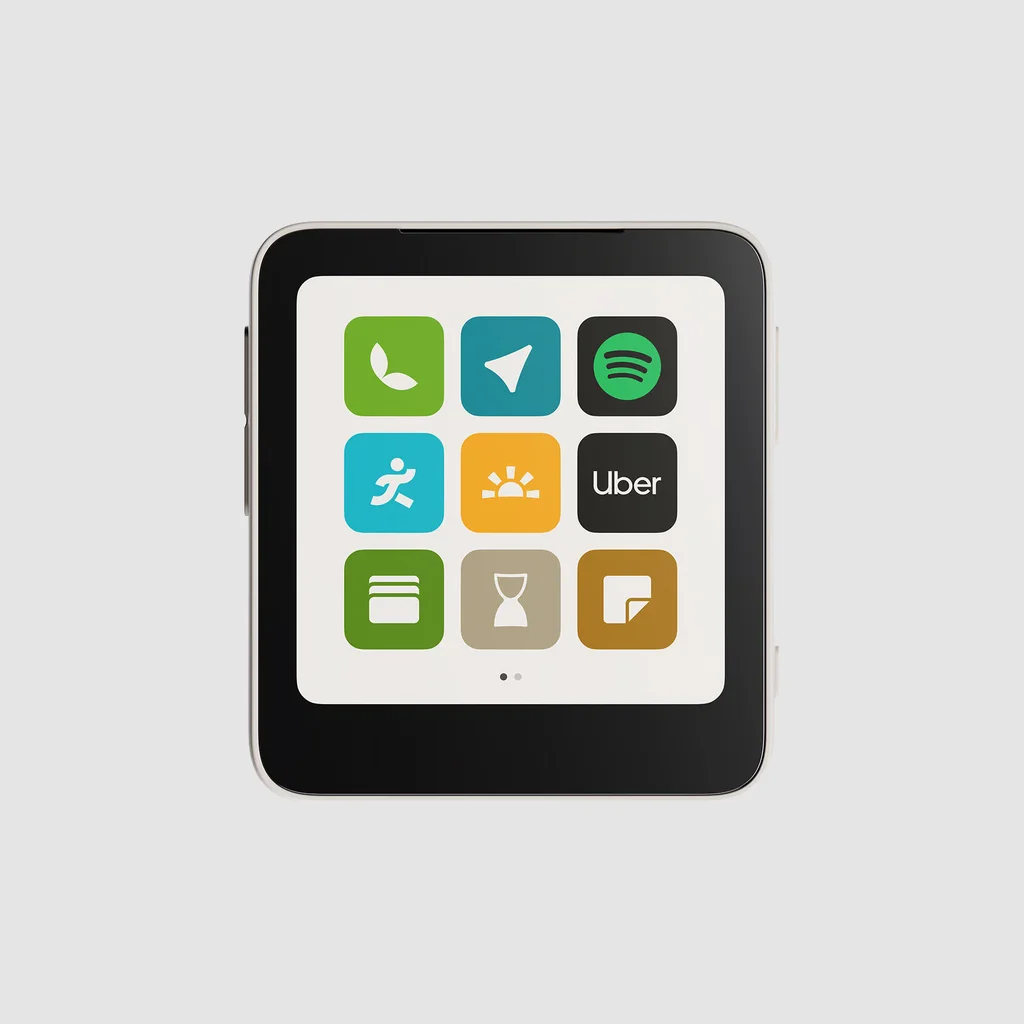
But that was only half of the Meadow equation. If you install an ordinary app into a square window, it turns into a cramped, cropped mess. So the design team decided to offer only a handful of apps that its customers might want on the go.
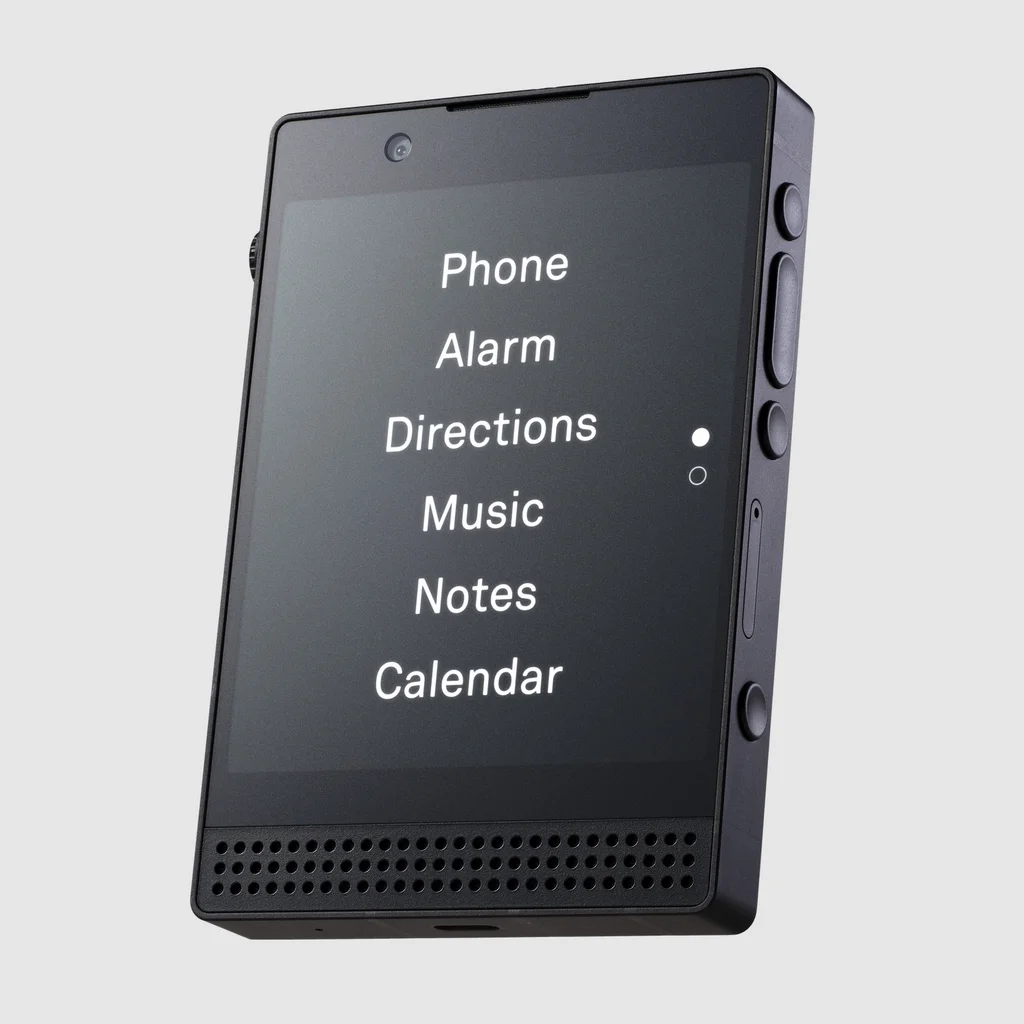
Before Meadow, Light went the same route back in 2015, when the company started to push digital detox with its first “dumb” phone. Built as the anti-Google, anti-Apple, anti-Meta phone, Light’s devices are designed to function as a tool, with apps that enable users to call, consult their calendars, or check for directions with minimalist user interfaces.
Instead of building every tool from scratch like Light did, Meadow handpicked a short list of real apps and made them fit into the square format: calls and texts; navigation; Uber and Strava for getting around; Spotify and Apple Music for the ride. There’s also a camera, location sharing, note-taking, memo recording and a way to show a QR code. The first software update also brought in voice dictation, swipe typing, and an optional ringtone. That’s it. There is no browser, no social media, no news feed, no Instagram or TikTok.
“When you have an app and you can just freely download any app and you have hundreds on your phone, it makes it a really anxiety-inducing thing,” Narlanka says. “When you’re bored, you’ll naturally go toggle between the apps.”
I asked him how it is possible to have square-interface Spotify and Apple Music apps. Meadow didn’t build new apps with those companies, Narlanka explains. Instead, he says, the phone runs the official apps, untouched under the hood. But when it’s time to create the interface, Meadow is able to tweak it thanks to the way Android OS is layered, Narlanka says.
“If you go a level deeper into Android, you can actually affect how things are rendered out, how text is laid out [on the screen],” he says. The elements of the UX get carefully rearranged for the square format, he says, without actually changing the official app.
It would be impossible to do this UI rearranging for the millions of apps out there but, since Meadow’s design philosophy is reaching a digital anxiety-free nirvana, the company doesn’t have to translate the whole Google Play Store into squares. Just the handful of tools that ship with the phone.
One size doesn’t fit all
For some people, that will be too limiting. There’s always “one more app” that someone will ask for. That’s why, a few months before unveiling its new Light Flip phone model, Light released a software developer kit. The kit allows third parties to build focused tools like a wallet app to store and show QR boarding passes, which are not built into Light OS. But that app store will be extremely limited and curated. The apps’ UI must fit Light’s UX guidelines, forbidding infinite scrolling, app monetization, and any form of social media.
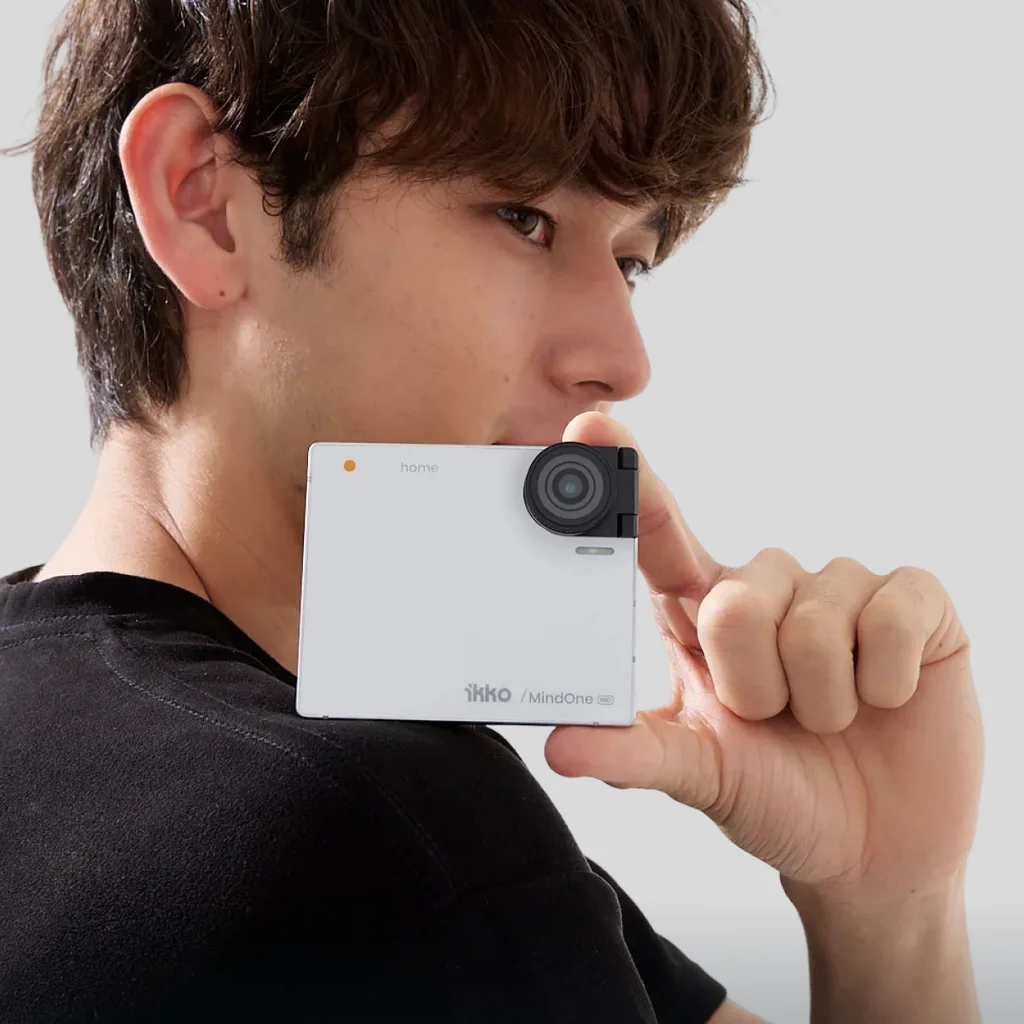
Ikko took another route, showing what happens when users can install anything on a square phone. The company, based in Shenzhen, China, and best known for earbuds, is saturating Instagram with testimonials from users trumpeting its MindOne Pro phone, a slim, card-size Android phone with a nearly square 4.02-inch display and a $500 price tag.
It looks very pretty and very well made. Sspai, a Chinese gadget site, says the workmanship “is quite exquisite,” from its tight seams to the feeling of the material. “Holding it in your hand, you can really feel a sense of quality. . . . This almost square body proportion is visually very cute and small. When holding it with one hand, the thumb can almost touch the upper edge and the other side of the screen,” it points out. “It feels wonderfully like holding a smart home panel with excellent texture.”
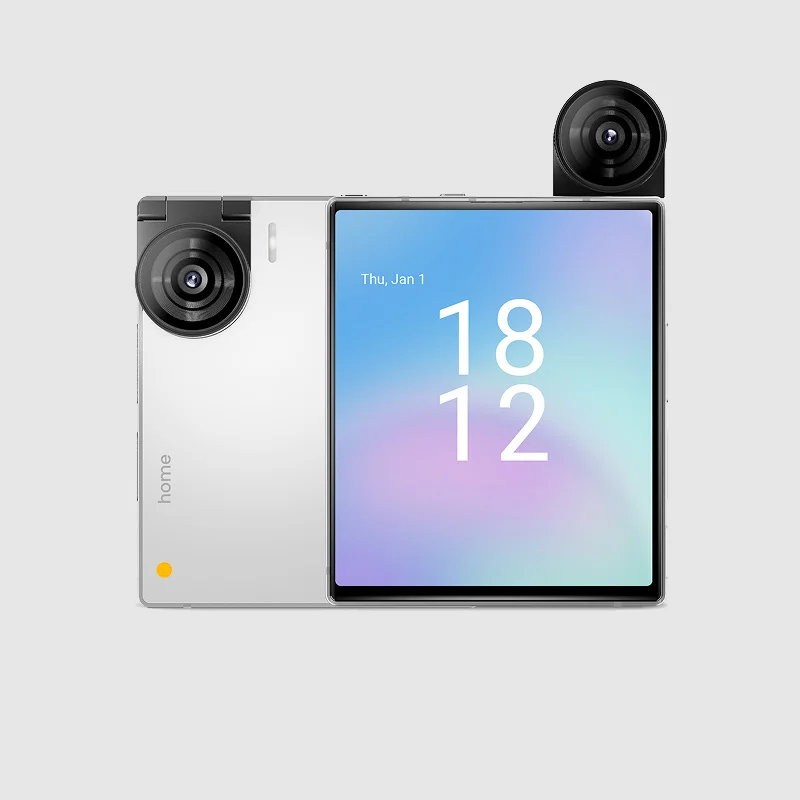
The problem is the apps. The phone stretches everything to fill the square in any way it can, cropping the tops and bottoms of videos and web pages. Even Ikko’s custom phone and messaging apps aren’t well adapted to the screen’s proportions, says Sspai. The Verge’s Allison Johnson writes that “fighting to look at webpages and apps built for rectangles through a square-shaped window is just a losing battle.”
The screen is also too big, at least according to Meadow’s philosophy. After choosing the square form, the design team went shopping for a display that matched the sketch. They met with Ikko’s display manufacturer and passed.
“It was too big,” Narlanka says. “For us, the size is really important.” Meadow’s rule is that a single thumb has to reach across the whole screen, a principle that Steve Jobs himself pointed out about the original iPhone when it was introduced. “The square [Meadow got] is really satisfying,” he adds.
Friction as a feature
The main contrast between Ikko and Meadow, however, is the friction both devices introduce and the way they do that. Ikko’s MindOne Pro has lots of friction, but the annoying kind. It feels less like the result of a design philosophy than a byproduct of a poorly thought-out approach. The Meadow introduces the friction on purpose. It is the feature, by design. It is baked into the design, designed throughout the entire UX.
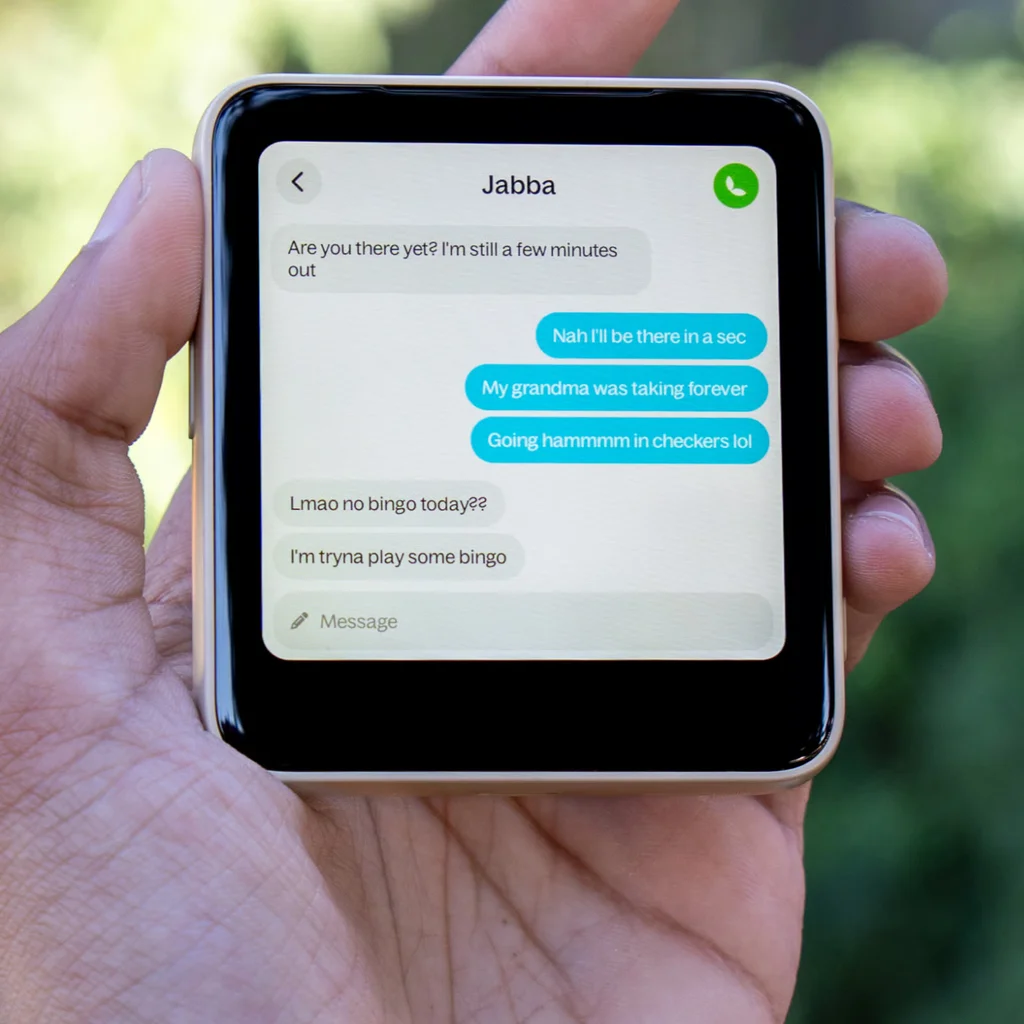
On the Meadow, you can text, but there’s no inbox to doomscroll. “To text someone, you have to actually go into the contact and click ‘message,’” Narlanka says, which is “much more intentional than just like, oh, let me see who texted me and let me scroll this thing and refresh it.”
On the MindOne Pro, you get a conventional inbox-style messaging app. On the Meadow, there’s no front camera; just a little mirror next to the rear lens for framing selfies. You get one look at each photo to check it’s in focus, then it’s locked away until it syncs over Wi-Fi and you open it somewhere else.
“You’re not scrolling your camera roll,” he says. “You’re actually living life.” On the MindOne Pro, the main camera flips around to take the selfie, and offers the same experience as your regular Android photo apps but in a cramped screen.
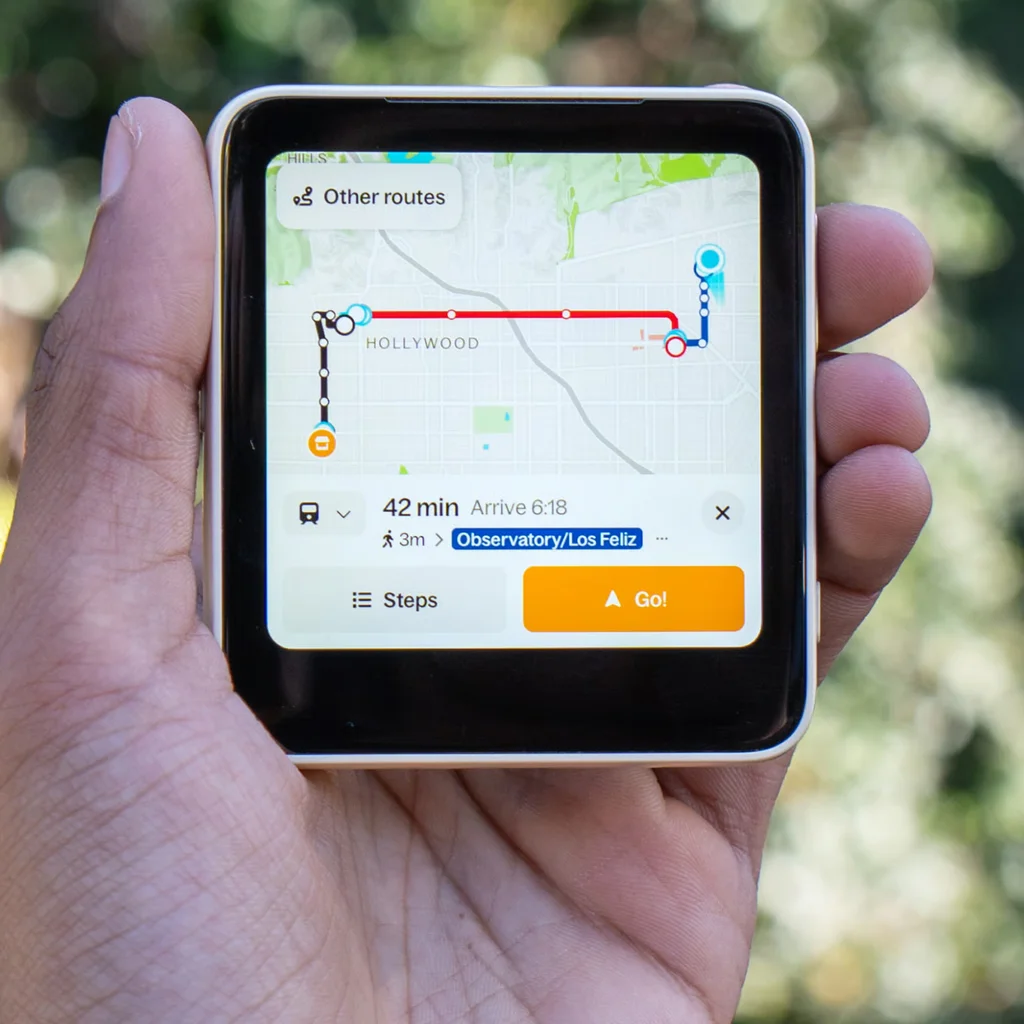
On the Meadow, the square shapes the UX. On the MindOne Pro, the square destroys the UX.
My only worry here is that, just like Light opened a door to apps through its albeit limited SDK, it seems that the friction keeps getting sanded down. One example: Texting wasn’t in Meadow’s original plan. The company added it once the team started using it outside the lab and saw how people wanted to be able to receive texts from people outside of their synced contacts.
Spin to unspin
The search for cures to our digital anxiety doesn’t stop at phone-like devices. Hong Kong-based Techpod had another idea: Repurpose an old strapless Apple Watch to give it a new form factor and functionality using a metal case with a spinning wheel control.
Spinning the wheel physically rotates the Watch’s Digital Crown, operating the Watch’s screen. The RePod C1 (starts at $60, plus whatever your watch was) mixes the rounded, elongated form factor of the fourth-generation iPod nano with the physical controls of the original iPod.
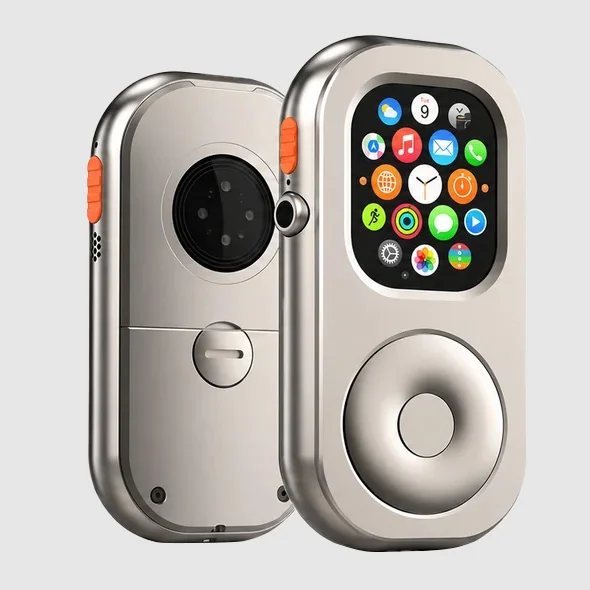
Kore—Techpod’s founder—tells me that his device is partly for people who “want to stay connected without constantly reaching for a full-size smartphone and getting pulled into messages and social feeds.” Depending on the Watch model and setup, he says, the result can feel like a “mini iPhone.” Put an LTE-enabled Apple Watch inside and you get a mini-iPhone mini. Like Meadow, it’s small enough to hold the essentials and too small to swallow your free time.
The RePod’s minimalist design philosophy goes beyond changing the form factor. Recycling a device that otherwise would have died alone in a drawer aligns perfectly with this slow-living philosophy that seems to power the whole digital detox movement. The physical design of the case also aligns with the less digital, more analog part of the philosophy.
Techpod tried a Bluetooth version first, “but the experience wasn’t good enough,” Kore says, so they decided to go with “purely physical controls.” It was very hard, he points out. Getting a metal ring to grip and turn a tiny crown without slipping took “extremely tight tolerances,” several manufacturing partners, and a year refining the manufacturing process, he recalls. On top of that, they had to keep those precision levels across seven versions for different Watch sizes.
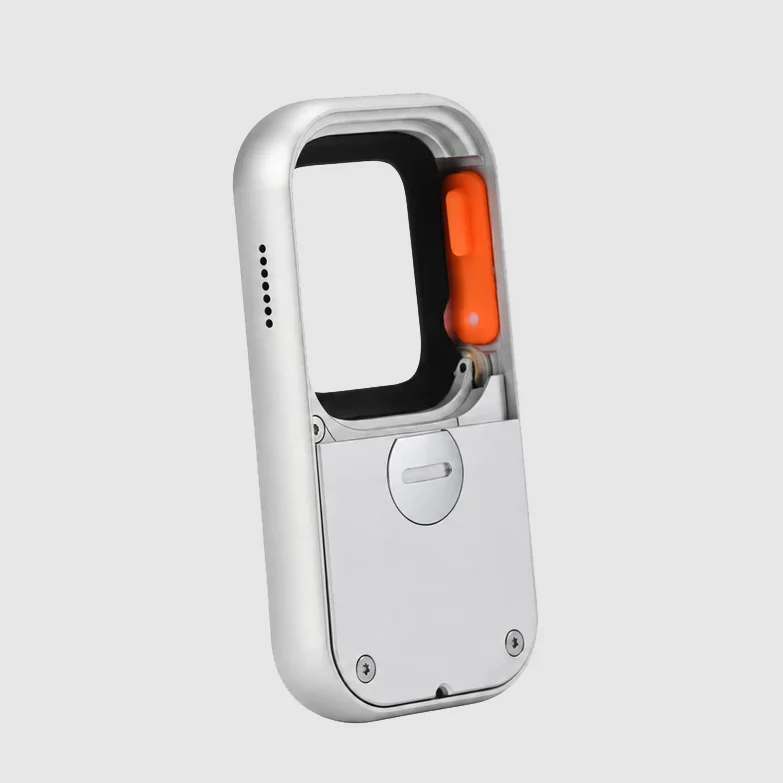
Kore insists RePod isn’t an iPod knockoff, however. “Our tribute is primarily to the wheel-based way of interacting with a device,” he says. But he doesn’t hide his love for the original iPod: “Apple no longer makes the iPod, but the desire for that kind of experience hasn’t disappeared.” His slogan is “Less scrolling, more spinning.” Perhaps the slogan should have been: “Less scrolling, less spinning your wheels. More living your life.”
I’m afraid these devices can’t really get us out of the infinite rabbit hole that we got ourselves into. Neither the RePod, the MindOne Pro, nor the Meadow is capable of that. Narlanka himself tells me that the Meadow is not a phone replacement: “It’s just you leave your phone at home and take this when you want to unplug.” But at $448 plus a mandatory T-Mobile plan from $15 to $35 a month (only available in the U.S.) that seems like a pretty big ask.
At that price, I want a thingamajig that holds all the keys to all the things we truly need on the go, without the noise, leaving everything else to my MacBook. I have the inkling that, perhaps, the advent of truly effective AI agents will be the key to making this happen.
But I digress. Right now, these new-wave devices are making a good case for that dream device. A square that won’t scroll, an app list that won’t grow, and a wheel that won’t let you swipe are a great demonstration that we can do a lot better than our current time-sucking devices. If the worst habits of our phones were designed in, these machines prove that they can be designed out.