
You probably start your morning with some coffee to get your brain online. Classic choice. But for many of us, that buzz lasts only so long.
When your energy begins to flag, you could pull some caffeinated trail mix out of your desk drawer as a midmorning snack. Come lunchtime, to make sure you’re really gleaning every possible benefit from your meals, you could add some caffeinated beef jerky. And then, when your focus inevitably lags in the afternoon, you could munch on caffeinated gummy bears or some bite-sized chocolate with, you guessed it, caffeine.
Caffeine, long the most widely consumed psychoactive drug on the planet, is finding its way into a bevy of unexpected foods and drinks. This caffeine creep is part of a larger, decade-plus trend towards functional foods and drinks (hello proteinmaxxing and fibermaxxing).
Liz Moskow, food futurist and principal of the food consultancy Bread & Circus, characterizes the pivot towards functional foods and drinks as part of “the optimization of everything.” It isn’t enough to just enjoy eating a piece of chocolate. That chocolate needs to improve gut health or memory or provide some other key benefit.
“Enter caffeine,” Moscow says. “It’s a cheap additive. It boosts metabolism. It gives you that quick hit that you feel.”
THE CAFFEINE BOOST
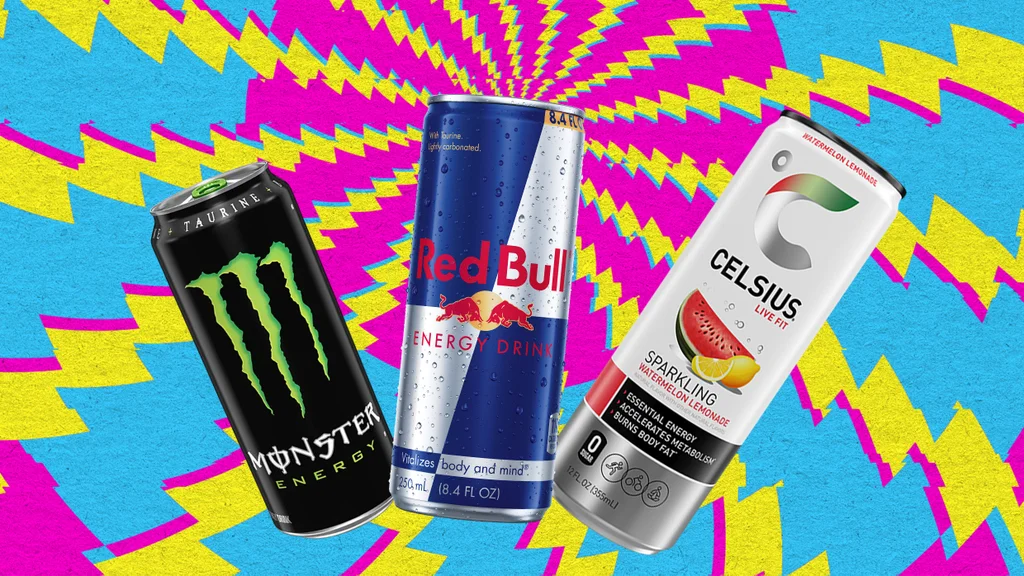
People have been drinking coffee and tea for centuries, but the turbocharged caffeine of energy drinks is a product of modern life. Red Bull made it to the United States in 1997, followed by Monster five years later. These days, Celsius is king.
According to Morgan Stanley, spending on caffeinated beverages in the U.S. is slated to grow 6% annually through 2030, a quicker pace than the overall food industry, with energy drinks leading the way. (Unlike many other food categories, energy drinks get a boost from people who use GLP-1s, according to the investment bank.)
This growth is tied to customers shopping for “benefits and outcomes,” says Sally Lyons Wyatt, chief advisor for consumer goods and food service at the market research firm Circana. “Consumers aren’t really looking for coffee. They’re looking for focus. They’re looking for productivity.”
Imbuing functionality into an everyday products is what led the founders of Orka Beverage to develop their caffeinated water brand. They saw an opening for an energy drink with fewer bells and whistles. “Every single one felt like a super-sweet soda,” says Michael Moriarty, an Orka cofounder. “The question that presented itself was just, why can’t we just take the caffeine from these energy drinks and put in water? Give us what we want, which is the caffeine, with just the least amount of stuff in it.”
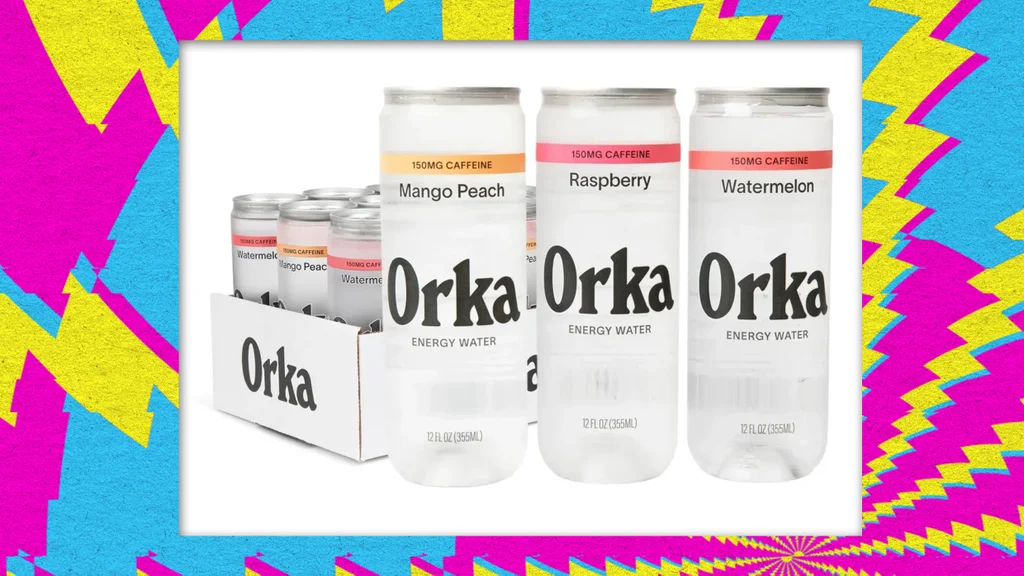
The packaging of Orka—a clear can that boasts its 150 milligrams of caffeine on the label—also looks distinct from many of the other offerings in the energy drink aisle. The transparent packaging is meant to show shoppers that the beverage within looks like water, not an energy drink. The relative simplicity of the can evokes a wellness product.
Matt Sia, executive creative director at the brand agency Pearlfisher, says most energy drinks are packaged with a certain “level of intensity”: fluorescent or bright colors, lightning bolts, associations with high speed vehicles. But he suspects that will change, he says, because it “goes at odds with wellness and the health benefits that people are a lot more conscious of. It starts becoming a little bit less in your face and it starts becoming more the way that you would treat a supplement.”
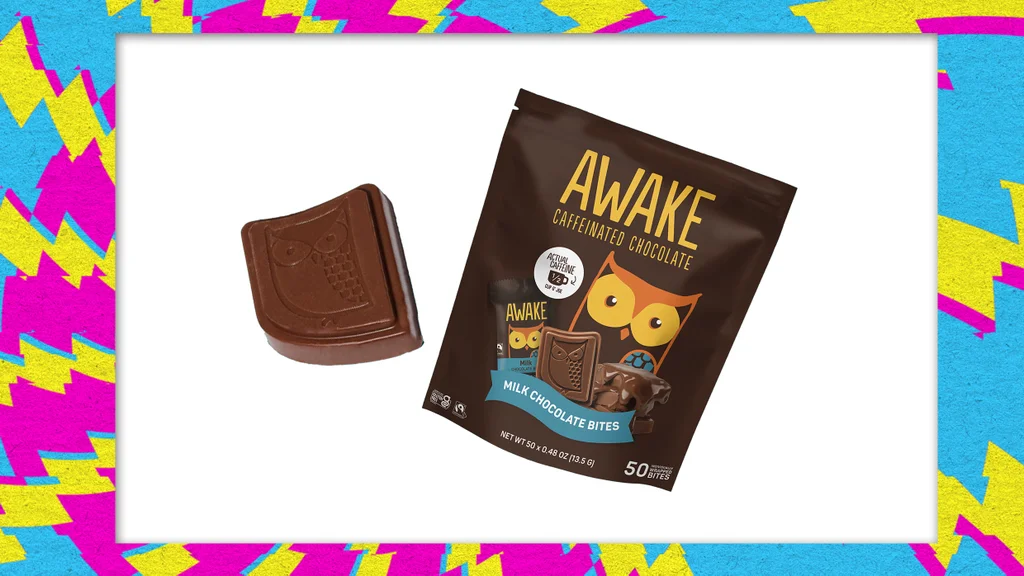
Sia says Awake, which makes caffeinated chocolates, is one example of an energy-enhanced brand that broke the mold when it came to packaging its caffeine by appearing more “grounded.” Its packaging uses rich but not lurid colors. Instead of lightning bolts, there’s a wide-eyed owl. “It felt a little bit less manufactured and a little bit less artificial,” he says. On the shelf, Awake competes against chocolate brands rather than other energy enhancers.
“The driving insight for us was really that we think functionality is the number one trend in all of food and beverage,” says Adam Deremo, who cofounded Awake in 2012 and is its CEO. “Consumers not only understood that functional benefits from your food and drink choices were possible, they’re actually starting to become expected.”
Deremo and his cofounders looked to see which grocery products weren’t yet delivering on that front, and landed on chocolate. The vast majority of households consume it and “it’s got to be the most fun, best-tasting delivery platform there is,” he says.
When it came to deciding which function their chocolate ought to have, they went with energy over other benefits, like relaxation or protein, because repeated market research found that people sought more energy in their daily routines, he says. Plus, the advent of the attention economy means that “people have never had more of a need for focus,” per Deremo.
Far and away Awake’s most popular product is bite-sized chocolate pieces with 50 milligrams of caffeine in them. (That’s the equivalent of about half a cup of coffee.) It accounts for about 90% of the chocolate they sell. Earlier this year, Awake made its way into 2,000 7-Eleven stores.
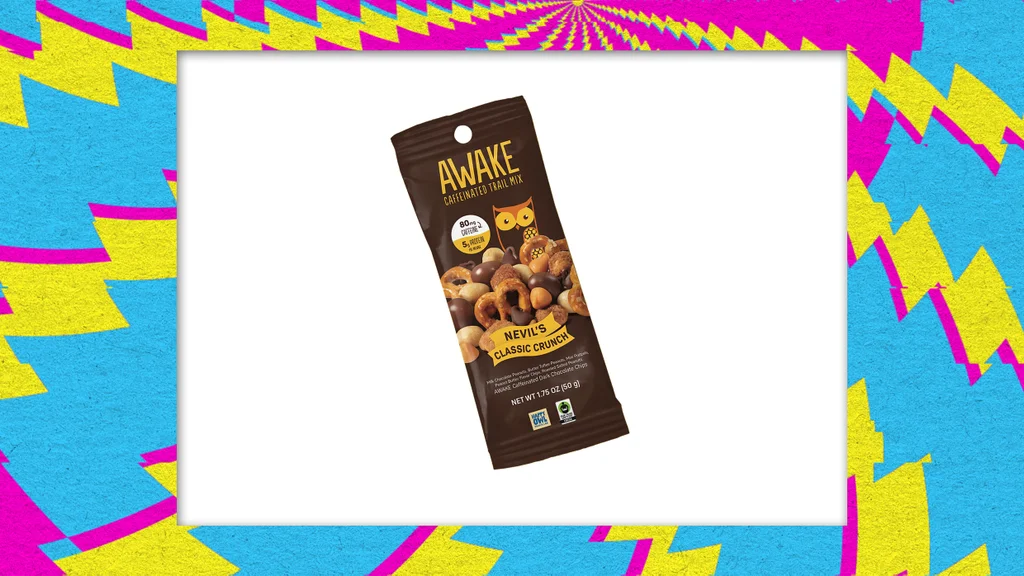
Awake has expanded beyond its chocolate bar and bite products, too. “When the cocoa market started to go crazy and the price of chocolate soared, one of the questions we asked ourselves is, how else could we use our chocolate?” Deremo recalls. They landed on trail mix, which includes their caffeinated chocolate chips and other stalwart gorp ingredients like nuts, pretzels, and dried fruit. Each individually packaged bag contains 80 milligrams of caffeine.
The Food and Drug Administration has picked up on the caffeine creep into new products. The agency announced over the summer that it was making it a priority to publish guidance for labeling caffeine content in food and beverages by the end of the year.
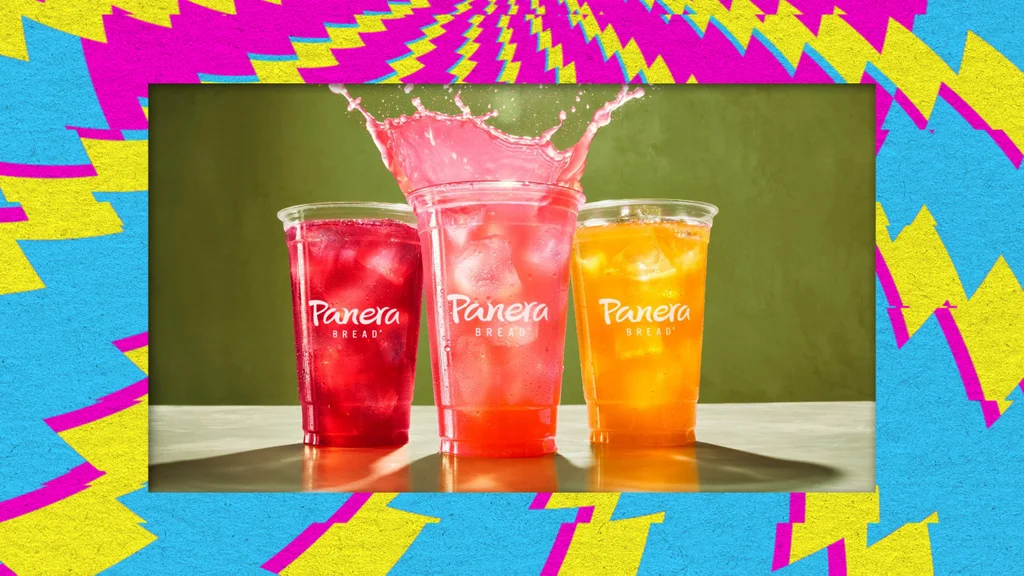
The FDA, in an emailed statement, noted the “growing consumption of caffeinated beverages and foods . . . including in products where caffeine content may not be apparent to consumers. The FDA said its guidance “is intended to help consumers make informed decisions about their caffeine consumption, particularly as caffeine appears in a range of food and beverage products.” The FDA’s action comes after a few high-profile deaths linked to energy drink consumption, including the infamous “charged” lemonade at Panera.
Mark Christou, principal at the brand agency CBX, says consumers want transparency. So companies, especially newcomers to the market, try to find a compelling way to broadcast the benefits of their product on its packaging, which helps from the perspective of branding and marketing. “They are proud to have what they have in their product, and they’re not afraid of putting it on the front of their packaging,” he says.
That’s certainly true for Orka, which intentionally makes no secret of its 150 milligrams of caffeine. “Everyone we know loves caffeine and has a specific amount they like,” Moriarty says. The fact that Orka’s water has caffeine isn’t something to hide. It’s the whole point.