
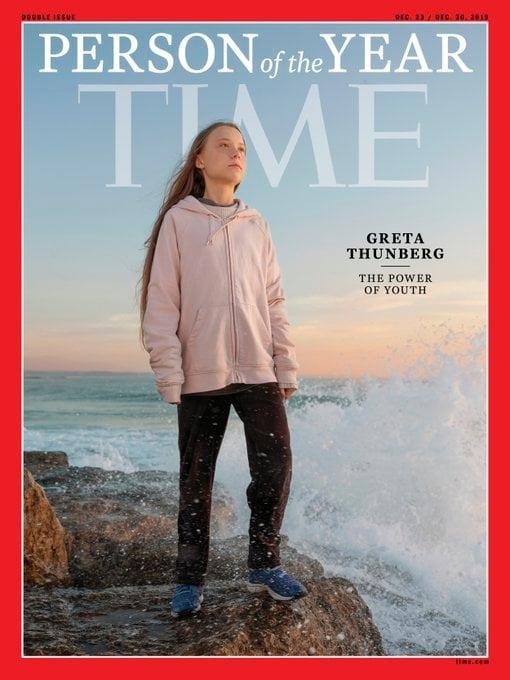
Greta Thunberg, the former child activist paraded before world leaders as the voice of an entire generation, has been caught laughing at the very climate movement she helped create. During a documentary interview, Greta was informed that Fridays for Future, the organization that began with her school strikes in 2018, was still holding demonstrations in Berlin. She appeared genuinely surprised before bursting into laughter and asking, “They still do that?”
Imagine being one of the thousands of young people who followed her example, skipped school, marched through the streets, and genuinely believed they were saving humanity from extinction, only to watch the person who inspired them laugh at the fact that the protests continue.
Greta was only 15 when she began protesting outside Sweden’s parliament, yet within a remarkably short period she was addressing the United Nations, appearing at Davos, and lecturing elected officials about the supposed end of civilization. Al Gore and other prominent climate campaigners used Greta to sell their agenda, just as politicians have historically placed children at the forefront of emotional campaigns. Children are powerful political messengers because criticizing the message can be portrayed as attacking the child. Greta became the face of an entire movement, while the adults behind climate policy pursued legislation affecting energy, transportation, agriculture, and private industry.
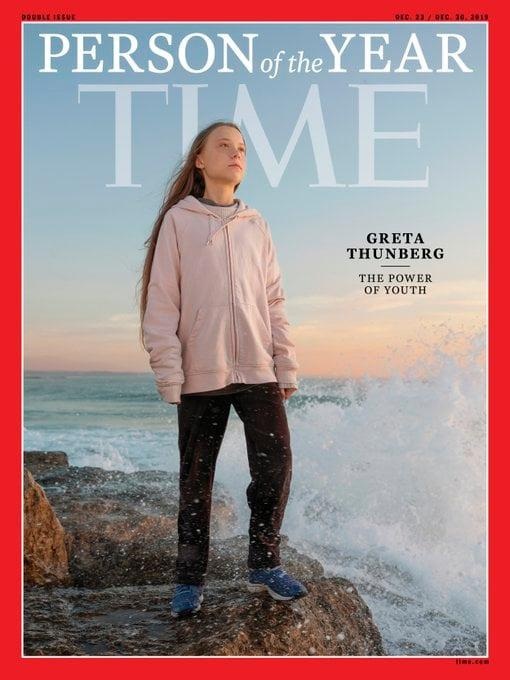
I attended Klaus Schwab’s private screening of The Forum in New York and found it remarkable that a film supposedly celebrating the accomplishments of the World Economic Forum devoted so much attention to Greta. I questioned why a teenager was being presented as an authority on matters involving the global economy. The political establishment used Greta for publicity and eventually moved on when she was no longer useful.
Look at what followed the climate change hysteria. Europe committed itself to Net Zero targets, imposed additional restrictions on fossil fuels, and encouraged enormous investments in renewable energy infrastructure. Germany shut down its remaining nuclear power plants in 2023 while its industrial economy was struggling with high energy costs. Britain continued imposing expensive climate requirements while households faced mounting electricity bills. The politicians promised a prosperous green economy, but the transition has imposed substantial costs on consumers and industries, particularly where reliable energy alternatives and adequate infrastructure were not yet available. The financial burden of these policies does not disappear simply because activists move on to another cause.
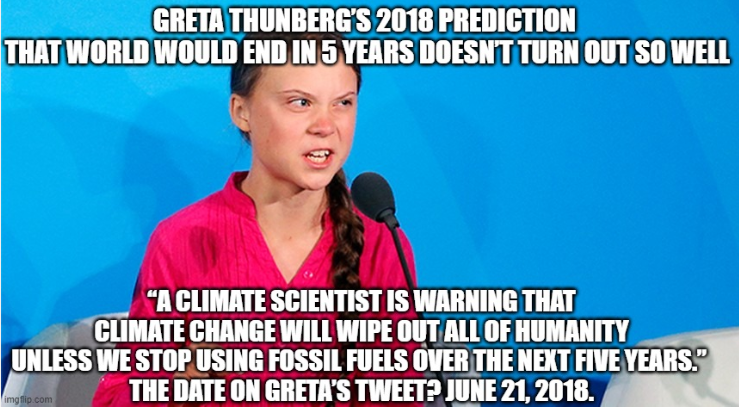
Greta has increasingly devoted her attention to Gaza and the Palestinian cause, creating a visible division between her and the German branch of Fridays for Future. That organization distanced itself from her positions on the Middle East, while Greta continued participating in other forms of activism. She has not completely abandoned climate campaigning, as demonstrated by her recent appearance at COP31 in Turkey.
What should concern people is the ease with which the political establishment can elevate a young activist, build an international movement around that individual, and then allow the movement to fragment while the resulting government policies remain firmly in place. Greta did not personally write Europe’s energy legislation or determine its industrial policies. Those decisions belong to elected officials and regulators who must be held accountable for their consequences. But her celebrity helped generate public enthusiasm for sweeping changes, and the people who followed her example deserve more than ridicule or indifference.
Some students genuinely believed that their lives would be defined by environmental catastrophe. Others joined demonstrations because they trusted the adults, teachers, politicians, and activists telling them that immediate action was essential. Many remain sincerely committed to environmental protection. They should not be mocked for believing what influential public figures encouraged them to believe.
The disturbing part of this episode is how casually a political movement can change direction while the economic consequences of its earlier demands continue. Greta can pursue another cause, and the media can find another personality to promote. Ordinary citizens cannot simply walk away from higher energy bills, expensive regulations, or industrial investments made in response to political pressure. Governments must answer for those decisions long after the cameras have moved on.