
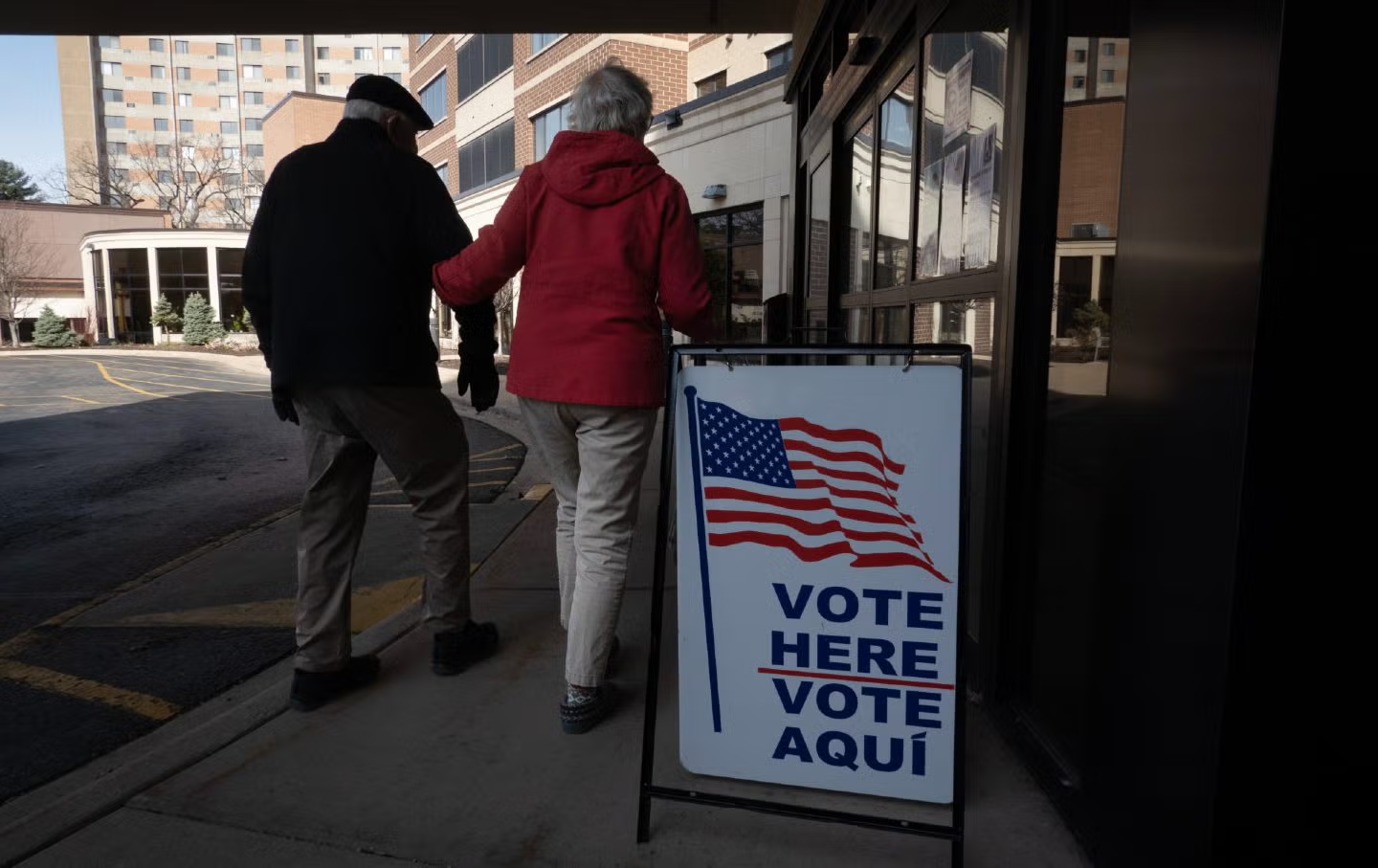
In places like Wisconsin, campaigns can’t win without seniors. They are the second-largest, fastest-growing, and most reliable group of voters.
It feels so good to see: college students marching to the polls after their campus voting sites were shut down, young men and women dancing at El-Sayed’s watch party, 18-year-olds taking selfies with “Just Voted” stickers.
This midterm election, young voters swung dramatically toward more progressive candidates, helping fuel the midterm sweep. But young and first-time voters make up a critical but small portion of the electorate, with voters under 30 casting only one in 10 votes.
A much slower, less dramatic but promising trend is emerging among the most reliable voters in the country—senior citizens. Seniors always show up. Two out of three seniors vote in midterms, and even more vote in presidential elections. And the much-maligned “boomers” have been steadily trending left since 2016.
Progressives shouldn’t be wary of seniors. On the contrary, they should seek them out, explicitly lay out a progressive senior agenda, and engage them in their campaigns.
I’ve spent the last three years organizing with older adults in Wisconsin. I’ve sat in community meetings, talked with them in their homes, shared meals at church, and had hundreds of conversations about aging, caregiving, and politics. Here’s what I’ve learned: For candidates who want to put people over corporations, transform healthcare, fund public transportation, and raise wages for working people—especially care workers—seniors will help lead the way.
Current Issue

In places like Wisconsin, campaigns can’t win without seniors. They are the second-largest, fastest-growing, and most reliable group of voters. That’s serious political power.
Every election cycle, progressives work hard to generate new voters, engage young people, and promote new leaders and voices. This is necessary and smart. Yet if candidates and campaigns aren’t engaging seniors on the issues that matter most to them, in most times and places, it won’t be enough.
Wisconsin saw this during the Democratic primary this year. Progressive Francesca Hong was making headlines by leading in the polls. But a dramatic last-minute shift narrowly handed David Crowley the win. Had the polls failed again?
The polls weren’t wrong so much as misunderstood. Wisconsin’s gold standard, the Marquette Law School Poll, accurately measured Hong’s support but also identified the race’s wild card: a large share of undecided voters.
The poll found that 46 percent of voters age 60 and older remained undecided less than two weeks before the Democratic primary. In other words, seniors decided that primary at the last minute.
I believe Hong could have won their votes, but her message hadn’t reached them. As one senior voter told me: “The only thing I know about her is from the negative TV ads her opponents are running.”
Hong ran an inspiring campaign, and she was the first candidate to commit to the Small Town and Rural Seniors (STARS) candidate forum in July. For an hour, gubernatorial candidates answered questions from the elders who organized the event: What would you do about the caregiver shortage in our state? How would you support transportation for seniors in rural areas? How can we protect seniors from online and phone scammers?
Seniors in attendance sat in a tight semicircle around Hong and the other candidates, listening intently. As rural seniors posed questions, Hong’s answers became stronger, clearer, and more confident. You could see her realize she didn’t need to persuade people to support her progressive agenda; she needed to show them she could deliver it.
When asked about a manufactured homes bill of rights midway through the forum, she stated with conviction that she aimed to make Wisconsin hostile to private equity. The 70-to-80-year-olds in the room interrupted her with applause.
Hong’s responses impressed many seniors in that room. But Wisconsin has over a million seniors, hundreds of thousands of whom hadn’t heard her message.
When senior voters hear about—and are included in—progressive politics, they listen. In the Texas Senate race, voters 65 and older moved away from Trump and toward Talarico by nine points. It wasn’t the biggest swing in the midterm elections, but in a state where seniors make up 29 percent of voters, that’s a critical number of votes.
Back in Wisconsin, Representative-elect Rebecca Cooke’s campaign is a good example. She expanded her appeal in Wisconsin’s rural Third Congressional District by making aging with dignity a priority in her campaign, helping her seal her victory on election night. I suspect we’ll see this slow but steady senior impact everywhere as we continue to crunch the numbers from the midterms.
Popular
“swipe left below to view more authors”Swipe →
The seniors I organize with have been proving for years that elevating senior issues can move local elections, especially in rural areas. They have been organizing there to protect publicly owned nursing homes from sale to private buyers. Many have turned these local organizing campaigns into electoral victories. This spring, Sauk County seniors helped recruit candidates who opposed selling their county nursing home and won eight of nine contested races. In Lincoln County, nursing home supporters were inspired to run for office and won.
When candidates address senior issues, seniors turn out. And it’s not just nursing homes. In rural Walworth County, seniors have won investments in public transportation and are leading the charge for multigenerational care (senior care and childcare). Others are campaigning for reforms to protect manufactured housing from private-equity predators. These, too, can be winning issues for campaigns.
Seniors may or may not call themselves progressive, but the issues they care about and the solutions they favor often are. Seniors are strong proponents of government investment, even across party lines.
A 2024 Hart Research poll found that older voters in Wisconsin believe the government should do more to ensure access to quality, affordable long-term care. Majorities of Democrats, independents, and Republicans support policies including higher wages to attract and retain long-term care workers in smaller towns and rural communities, and expanded access to Medicaid.
I’ve learned a lot working with senior citizens. My assumptions have been challenged, and I’ve become clear-eyed that they are an important, even crucial, part of a progressive coalition. And perhaps most importantly, they are eager to hear from us.
The bottom line: Candidates who directly engage seniors and support a progressive senior agenda will win votes, and in aging states like Wisconsin, Michigan, and beyond, senior votes can push them over the finish line.
More from The Nation
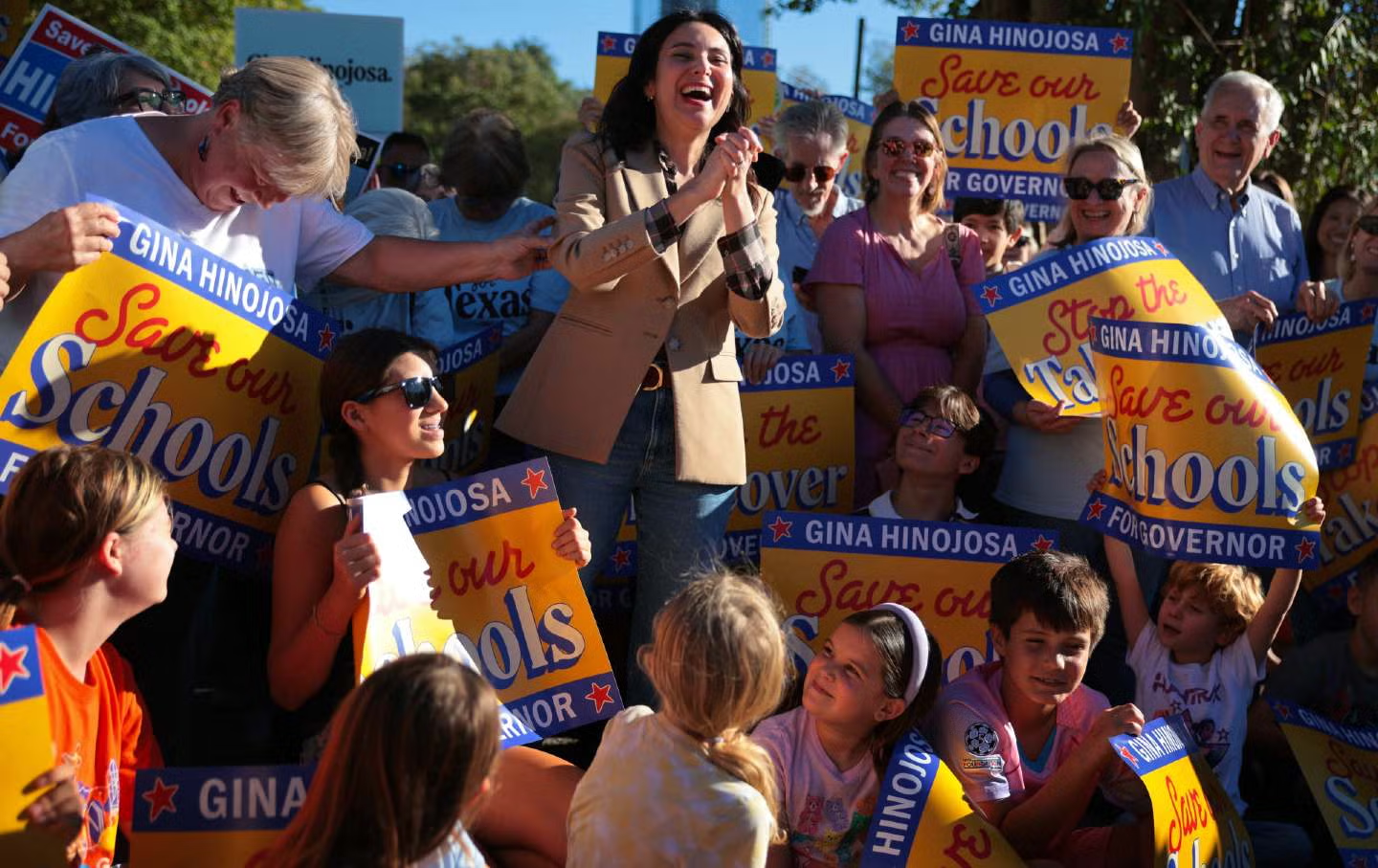
Texas is predominantly and pragmatically populist. If the national Democratic Party wishes to conquer the Electoral College for a generation, it will follow the lead of the voters…

Trump just promoted his worst, most dangerous adviser. Get ready for a constitutional crisis.
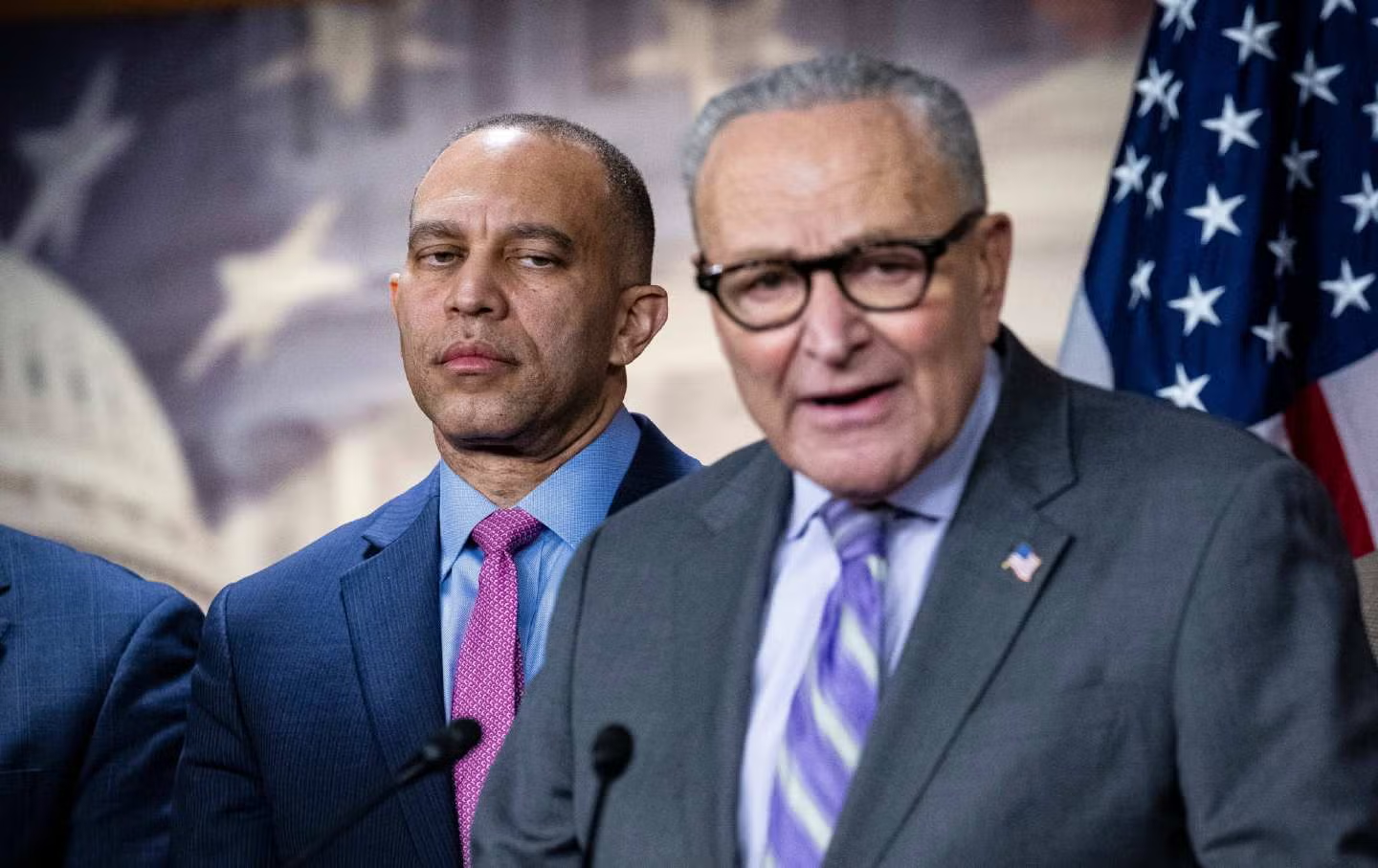
The Democrats’ congressional leaders have been handed an enormous mandate they have no interest in carrying out.

The closing of “Novaya Gazeta” marks the end of what little press freedom remained in Putin’s Russia.