
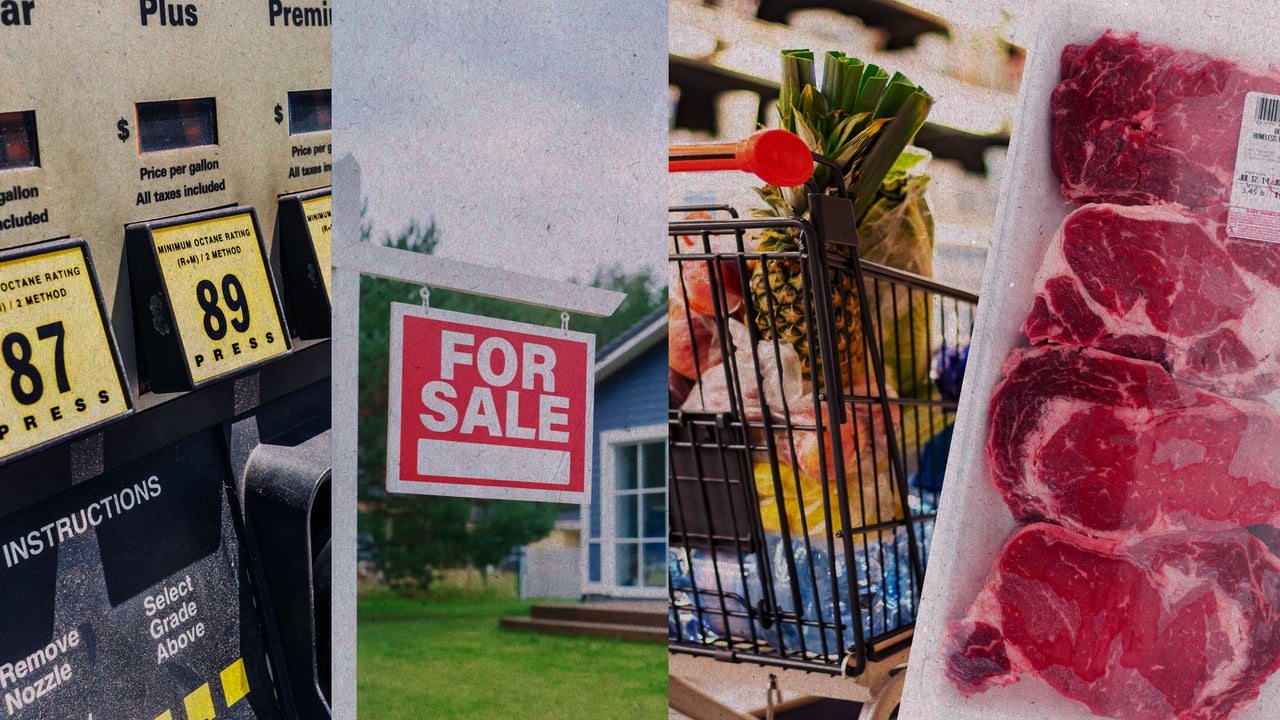
America is in the middle of a cost of living crisis.
The median sale price for a home in 2026 is $410,700, according to the Federal Reserve. Even if you’ve already bought a house, Zillow estimates that the median monthly cost of homeownership is approximately $3,558—with the average American paying around $2,226 in mortgage payments, $912 in maintenance costs, $167 in homeowners insurance, and $253 in property taxes each month.
Unfortunately, renting isn’t more affordable, either. According to Apartments.com, the current median monthly rent is $1,667, with an average apartment size of 695 square feet.
In 2026, the U.S. Department of Agriculture anticipates the cost of beef will increase by 9.4%, fresh vegetables by 5.7%, sugar and sweets by 6.6%, and nonalcoholic beverages by 4.2%. (All of which makes it much more difficult to eat our feelings about the affordability crisis.)
And the median price for a gallon of gasoline is currently $4.465, while a gallon of diesel costs an eye-watering $6.382, on average.
Other than packing it all in to live on a yurt off grid, what can we do to survive this cost of living crisis? While there is no single strategy that will magically make life in 2026 more affordable, here are several creative ways to minimize the impact of high prices.
Creative housing alternatives
Homeownership can feel like a pipe dream to many newly minted adults—but even just moving into your own apartment may seem impossible. Which is why Americans are changing how they live. Rather than compete in the overly expensive housing market, many are making their living situation cheaper and more fulfilling with these options:
Multigenerational housing
The idea that a home is for a single nuclear family of two parents and their 2.4 minor children is both very modern and very American. In many parts of the world, it’s common for grandparents, parents, children, and assorted siblings and in-laws to live together in a single home where they pool resources and share responsibilities.
Americans are coming around to the idea of multigenerational homes, with 18% of the U.S. population living in such a home as of 2021, up from 7% in 1971.
A multigenerational home can not only help everyone in the family save money on housing, but it can also ease financial pressures for retirement, child care, utilities, and transportation. The live-in support system can also improve everyone’s quality of life—provided you’re not living with the sibling who drives up the wall.
Home sharing
Opening your home to nonrelated roommates is hardly a new phenomenon. But this housing option is on the rise in recent years. The National Association of Home Builders reports that a record-high 6.8 million households opened their doors to an unrelated housemate or boarder in 2023.
This option can offer a win-win to both homeowners and their housemates. The homeowner can more easily afford their mortgage, while the housemate typically enjoys lower rent than they’d pay with a traditional rental.
House sitting
Having no fixed address may sound like a nightmare, but a number of Americans make it work via full-time house sitting.
To become a professional house sitter, you need to get established on a reputable listing platform, such as Trusted Housesitters, MindMyHouse, Nomador, or HouseSitMatch. Most listing sites don’t allow for payment of the house sitter and you will typically pay an annual fee to list yourself as a sitter. Depending on which site and payment tier you choose, there may also be a booking fee when you match with a home.
Whether or not you get paid, becoming a professional house sitter will eliminate your largest monthly expense. Additionally, there are a number of long-term house sitting options available—and depending on where you live, there may be more than enough short-term stays to give you months or years of rent-free living.
Reducing food costs
Everyone’s gotta eat, which makes it nigh impossible to lower your food costs when grocery prices soar. There’s only so much that Meatless Monday, clipping coupons, and shopping loss leaders can do for your grocery bill when everything costs an arm and a leg. It’s no wonder many Gen Zers are skipping meals to make their food budget work.
Though the options for cutting grocery costs may seem limited, there are some strategies that can help:
Join the Club
Sam’s Club memberships for young adults of 27 and under have risen by 63% since 2024, and shoppers 28 to 43 years old now make up a quarter of the bulk store’s membership, according to reporting by The Wall Street Journal.
Young adults are joining stores like Costco and Sam’s Club and splitting their bulk purchases among friends and family members. These stores discourage membership sharing, but an individual with a membership can certainly purchase in bulk and parcel out individual shares to whoever they want. Roommates may also be able to share a membership, just as a cohabiting couple can.
Be your own sous-chef
The average American family loses $1,500 per year to wasted food. The rise of DoorDash and similar food delivery options may be part of the problem, since you can easily get a meal delivered to your home on the nights you don’t feel like cooking.
To reduce your food waste, reduce the friction involved in cooking. Try to partially prepare your meals in advance by chopping vegetables, mixing spice blends, and starting the marinade ahead of time. That makes cooking easier and quicker, which will make takeout less tempting.
Saving money on fuel
Once upon a time, filling your tank didn’t require a credit check. But with no end in sight for the war in Iran, high gas prices aren’t going anywhere.
While driving less, making more efficient driving choices, and maintaining your car can all help lower your fuel consumption, there are additional strategies you can use to keep gas prices from destroying your budget:
Work from home
In April, USA Today reported that 12% of Americans have started working remotely more often to save money on fuel. If you are fortunate enough to work for a company that allows remote work, consider switching to a WFH schedule, at least some of the time. Every day you don’t drive to work saves you gas.
If working from home isn’t possible, you may be able to tweak your work schedule so you’re not driving during rush hour. Driving to and from work without heavy traffic will also save you money.
Make your errands fuel-efficient
When running errands, plan out the route that will be the most fuel efficient. While Google Maps defaults to showing you the most fuel-efficient routes between stops, you may not be getting the best route if you have “Avoid tolls” or “Avoid highways” toggled on. Here’s how to turn these settings off.
Apple Maps defaults to your preferred routes rather than giving you the fastest or most fuel-efficient route. You can turn off that function, as well as any directive to avoid tolls or highways, to help you find the most efficient route.
In addition, savvy use of these map apps can also help you determine the most efficient time to run your errands. Kim Komando of USA Today created a tutorial on how to plan future trips for maximum efficiency in both Google and Apple Maps.
Opting out of high prices
Protecting yourself and your wallet from the outrageously high cost of living isn’t easy. None of us can live without housing, food, or energy. But changing the way you live, shop, and drive can help you make more intentional spending decisions and safeguard your financial stability.