
Close Menu
    Facebook X (Twitter) Instagram
    TRENDING :
    • Mystery AI Model Ox Alpha Gains Developer Traction
    • Nuclear power is China’s key for transitioning to a fully renewable grid design
    • Stallone Looks Back on Career and Reality TV
    • Meghan Markle Eyes Acting Comeback in Netflix Series
    • The art of asking questions in a world full of answers
    • Condo Owners Sue Gordon Ramsay Restaurants Over Air Quality
    • Padres Edge Twins 7-5 in Bullpen Thriller
    • Massachusetts Gaming Commission Probes Cardinals Executive
    Populist Bulletin
    • Home
    • US Politics
    • World Politics
    • Economy
    • Business
    • Headline News
    Populist Bulletin
    Home»Business»SoulCycle had a cult following. Then, one decision changed everything
    Business 4 Mins Read

    SoulCycle had a cult following. Then, one decision changed everything

    Business 4 Mins Read
    Share Facebook Twitter Pinterest LinkedIn Tumblr Telegram Email Copy Link
    Follow Us
    Google News Flipboard
    Share
    Facebook Twitter LinkedIn Pinterest Email

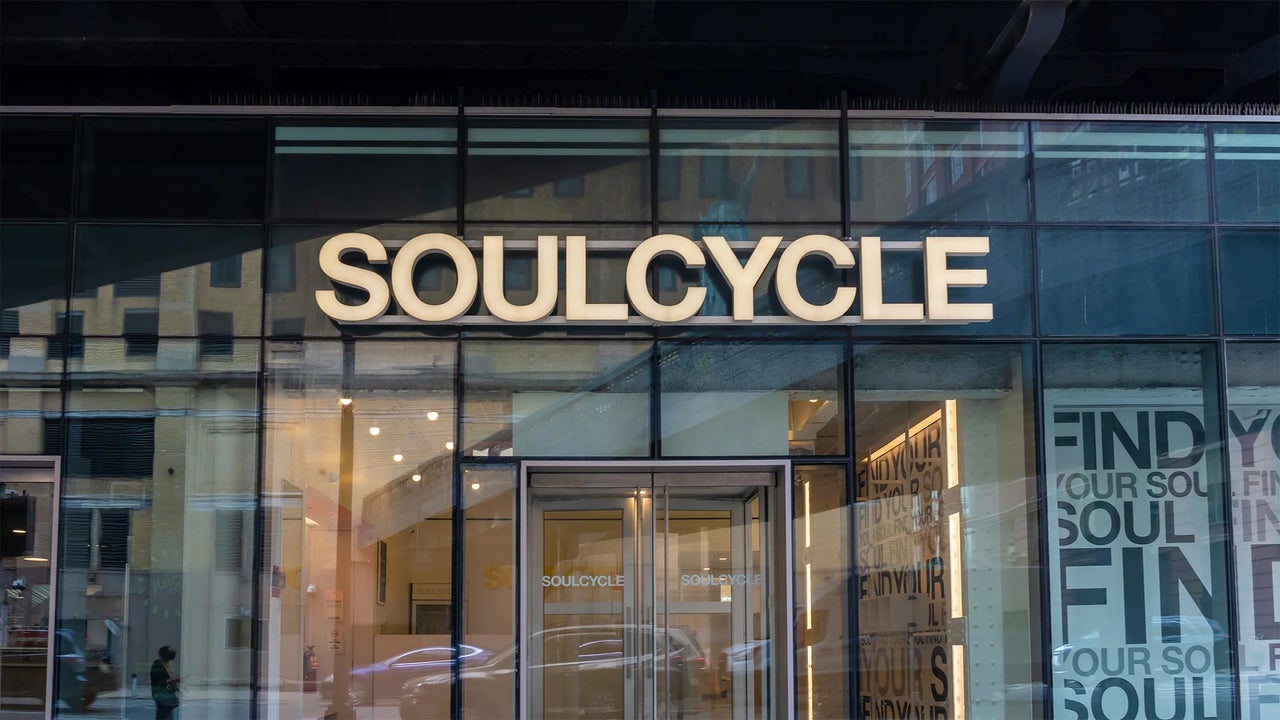
    I used to schlep from my office to a 6:30 p.m. Soul Survivor class, shower, and make dinner by 8 p.m. Every week. The waiting lists were insane. The bike you got mattered. Thirty-four dollars for a cycling class and nobody blinked. That wasn’t about fitness.

    SoulCycle was always about selling a version of yourself back to you, one you could embody if you worked hard enough.

    The brand said as much itself. Its tagline was never about the workout: “Take your journey. Change your body. Find your soul.” That’s a self-transformation pitch with a bike attached to it. When SoulCycle finally launched its first real ad campaign in 2017, the CEO made the strategy explicit. As Melanie Whelan told Marketing Daily, the “Find It” campaign was meant to help riders “discover something, the thing that makes it meaningful to them”—whether that was strength, purpose, or clarity. The class was just where it happened.

    Julie Rice, who cofounded the company, put it more bluntly years later: “People didn’t come to SoulCycle because they got fit. It was the connection they got in the room.” A researcher at Harvard Divinity School who studied the brand found something stranger still—people were bringing questions to their SoulCycle instructors that they used to bring to pastors. SoulCycle was less a fitness brand and more a belief system with a clip-in shoe requirement.

    Which is exactly why the loyalty was so volatile. In 2019, SoulCycle’s owner hosted a fundraiser for Donald Trump. Riders who’d built an identity around the brand’s message of inclusion didn’t just complain; they left. Weekly attendance dropped 7.5% within a week. The brand lost nearly 13% of its U.S. customer base the following month. Not because the workout changed. Because the story the brand told about itself stopped matching what its customers believed about themselves.

    That’s the part most marketers miss when they talk about brand loyalty. It isn’t really loyalty to the product. It’s loyalty to the self-image the product lets you hold on to. The moment the brand’s actions contradict that self-image, even slightly, the relationship doesn’t bend. It breaks.

    Peloton gets blamed for SoulCycle’s decline. So does the pandemic. So does the shift toward Pilates, and the numbers back that one up. Pilates participation grew nearly 40% over the past five years, while cycling fitness dropped 33.5% in the same window, according to TheStreet’s coverage of SoulCycle’s recent outlet closures. That’s a real shift in what people want from a workout.

    But it doesn’t explain why a brand with a decade of devotion lost so much of it in a matter of weeks, years before any studio closures made headlines. Markets shift slowly; identity collapses fast. SoulCycle didn’t lose riders because people stopped wanting connection or stopped wanting to feel like the strongest version of themselves. It lost riders because, for a moment, its own behavior made that story impossible to believe. The Pilates numbers and the Peloton competition came later. The real fracture happened the moment the brand stopped being trustworthy to the people who’d built their identity around it.

    That’s the risk every identity-driven brand carries, whether they realize it or not. The loyalty is real. So is the exposure.

    —By Emily Cody

    The opinions expressed here by Inc.com columnists are their own, not those of Inc.com.

    Get 1 Smart Business Story delivered straight to your inbox when you subscribe to Inc.’s free daily newsletter.


    This article originally appeared on Fast Company’s sister website, Inc.com.

    Inc. is the voice of the American entrepreneur. We inspire, inform, and document the most fascinating people in business: the risk-takers, the innovators, and the ultra-driven go-getters that represent the most dynamic force in the American economy.


    Source link

    Share. Facebook Twitter Pinterest LinkedIn Tumblr Email

    Related Posts

    Nuclear power is China’s key for transitioning to a fully renewable grid design

    August 23, 2026

    The art of asking questions in a world full of answers

    August 23, 2026

    USA Fencing’s scrappy plan to make fencing a hit before the 2028 Olympics

    August 23, 2026
    Top News
    Business 16 Mins Read

    Step-by-Step Guide to Apply for a Business Loan

    Business 16 Mins Read

    Applying for a business loan can seem intimidating, but breaking it down into manageable steps…

    You’re about to see a lot more alcohol on TikTok—and there’s a reason

    April 28, 2026

    Vice President JD Vance to Host ‘The Charlie Kirk Show’ from the White House on Monday | The Gateway Pundit

    September 15, 2025

    This AI startup wants to help smooth complex industrial materials sales 

    May 8, 2026
    Top Trending
    World Politics 1 Min Read

    Mystery AI Model Ox Alpha Gains Developer Traction

    World Politics 1 Min Read

    An anonymous artificial intelligence model called Ox Alpha is gaining significant attention…

    Business 6 Mins Read

    Nuclear power is China’s key for transitioning to a fully renewable grid design

    Business 6 Mins Read

    Between late 2016 and August 2026, China connected 27 new nuclear reactors to its…

    World Politics 1 Min Read

    Stallone Looks Back on Career and Reality TV

    World Politics 1 Min Read

    Sylvester Stallone is reflecting on his remarkable career achievements and his ventures…

    Categories
    • Business
    • Economy
    • Headline News
    • Top News
    • US Politics
    • World Politics
    About us

    The Populist Bulletin was founded with a fervent commitment to inform, inspire, empower and spark meaningful conversations about the economy, business, politics, government accountability, globalization, and the preservation of American cultural heritage.

    We are devoted to delivering straightforward, unfiltered, compelling, relatable stories that resonate with the majority of the American public, while boldly challenging false mainstream narratives that seem to only serve entrenched elitists, and foreign interests.

    Top Picks

    Mystery AI Model Ox Alpha Gains Developer Traction

    August 23, 2026

    Nuclear power is China’s key for transitioning to a fully renewable grid design

    August 23, 2026

    Stallone Looks Back on Career and Reality TV

    August 23, 2026
    Categories
    • Business
    • Economy
    • Headline News
    • Top News
    • US Politics
    • World Politics
    Copyright © 2025 Populist Bulletin. All Rights Reserved.

    Type above and press Enter to search. Press Esc to cancel.