
When ships can’t make it through the Strait of Hormuz, the fallout goes beyond the price of oil: Nearly a third of the world’s fertilizer also passes through the corridor, coming from factories in countries like Qatar. Fertilizer prices have surged due to the Iran war—and added one more reason that food prices are going up around the world.
Better technology could help. Right now most fertilizer is made using the Haber process, a technique developed more than a century ago that starts with natural gas. It’s a major source of emissions, and also a supply chain risk. Countries that don’t have their own large natural gas supplies are the most exposed. The war in Iran, like the the war in Ukraine, has disrupted supplies of both natural gas and fertilizer.
Harvesting nutrients from wastewater
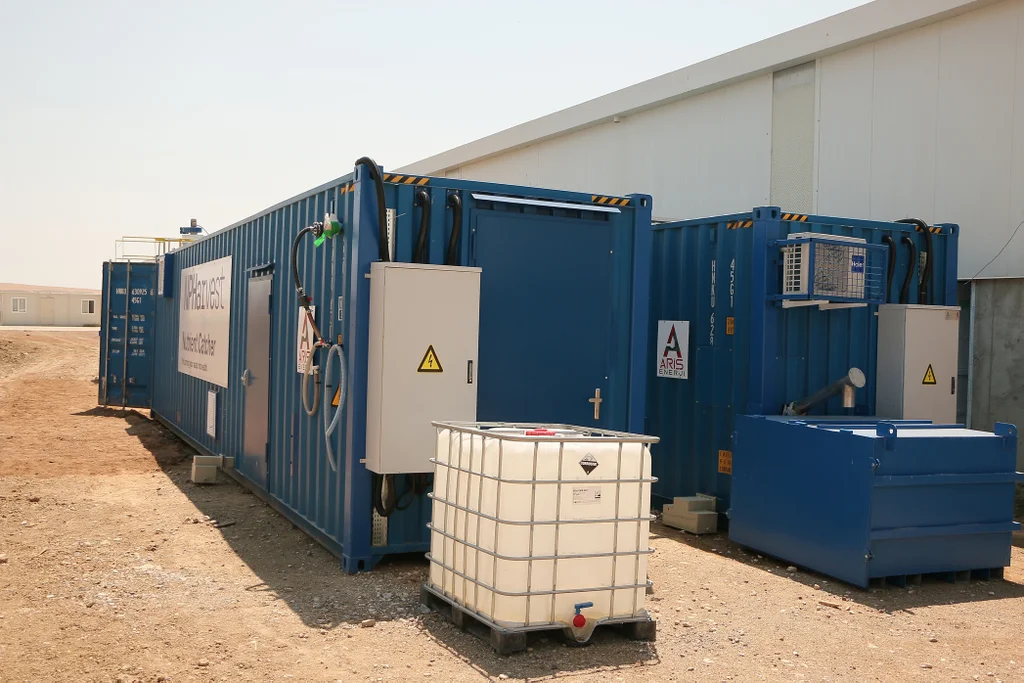
A growing number of startups are developing new ways to make fertilizer that can avoid natural gas and the risks that come with it. One approach: capturing fertilizer ingredients from wastewater. A company called Ostara captures nitrogen and phosphorus from multiple wastewater treatment plants in the U.S. and turns it into fertilizer.
In Finland, a startup called NPHarvest uses membranes and chemistry to do the same thing with less energy, avoiding the heat and pressure used in similar processes. For wastewater treatment plants that need to meet strict European disposal laws, the approach is less expensive than other options for water treatment.
“We help them save money,” says cofounder and business developer Burak Yirmibesoglu. The fertilizer, he says, is a side benefit. Because of the financial model, the startup will be able to sell its fertilizer—now in pilot testing with its first customers—at a lower cost than conventional fertilizer.

Recovered Potential, a startup that spun out of Stanford, uses electricity to help target and recover ammonia from wastewater.
“We can selectively extract the ammonia as opposed to all the other materials in the wastewater,” says cofounder and CEO Kindle Williams. “In other words, we zap wastewater until we pull fertilizer out.”
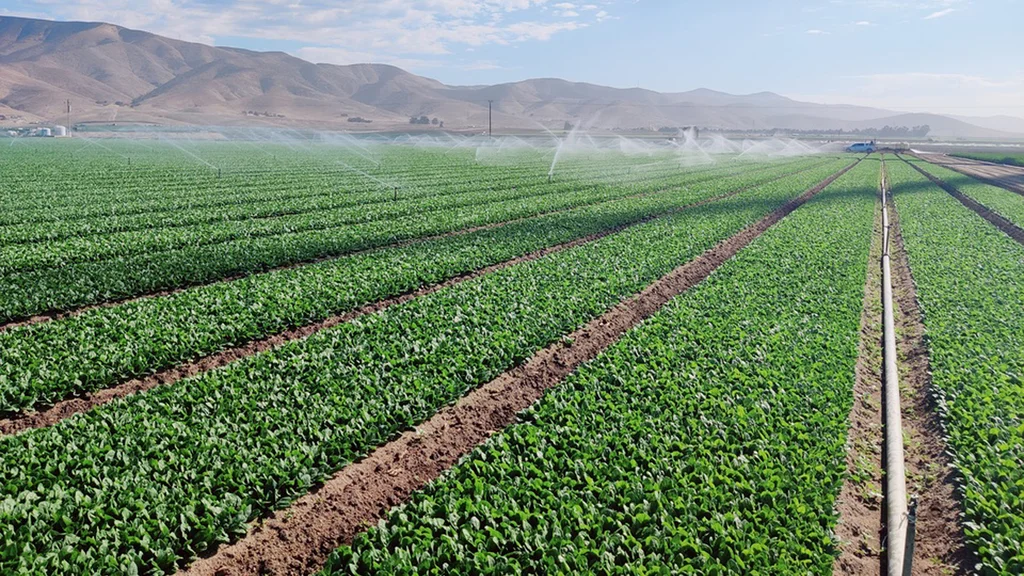
An advantage of the technology, Williams says, is that the reactors have a small footprint, so they can be low cost and quick to deploy. The end result is a liquid ammonia fertilizer that can be added during crop irrigation. After a decade in the lab, the company is preparing to begin a pilot with a large customer.
There are limits to using wastewater; Williams estimates that wastewater nutrients could offset 20% to 30% of conventional fertilizer needs. And while the economics make sense in places like Europe, strict wastewater regulations need to be in place for it to be feasible.
Other approaches
Some companies have developed biotech solutions to reduce conventional fertilizer use, including Pivot Bio, which utilizes gene-edited microbes that live in the soil by plant roots to help them better absorb nitrogen.
Kula Bio, another startup, grows microbes in a bioreactor that can be sprayed on crops, helping the plants pull nitrogen directly from the air.
Windfall Bio developed a process to use microbes to turn methane pollution into fertilizer, though the company reportedly shut down after losing a major grant from the U.S. Department of Energy.
Nitricity, another startup, makes an organic fertilizer using renewable energy and farm waste, beginning with almond shells in California. It already competes on cost with other organic alternatives, but the company says it could eventually compete with conventional fertilizer as well.
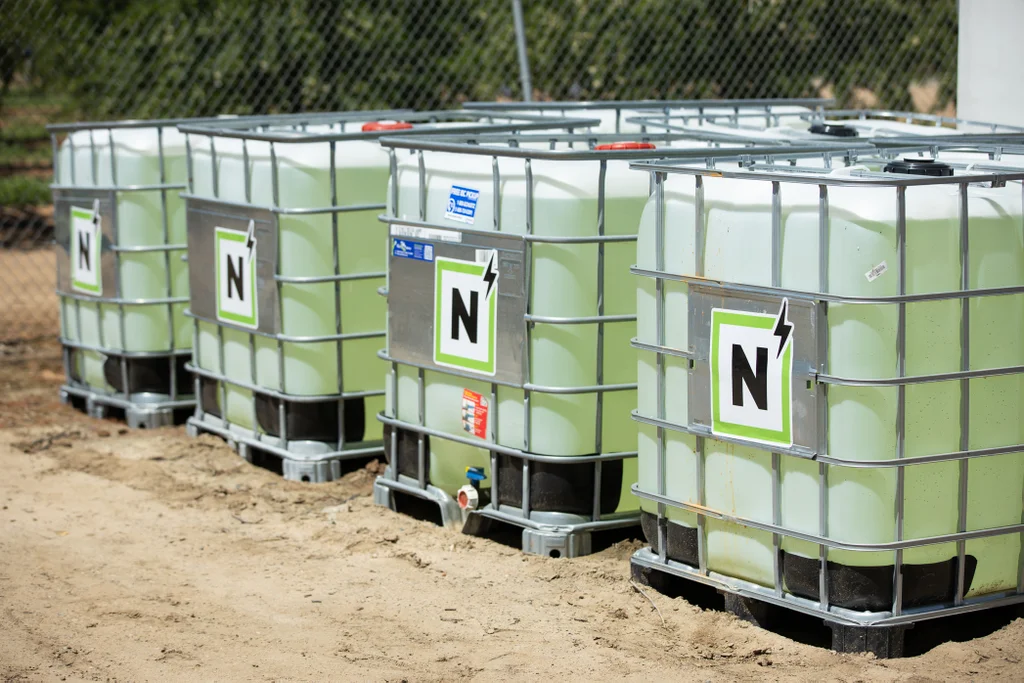
Nitricity is also developing a process that makes conventional fertilizer by heating up air to high temperatures to fix nitrogen, and then cooling it down with water.
“You can use electricity to drive this,” says cofounder and CEO Nicolas Pinkowski. “That’s actually the same process as lightning in a thunderstorm, where lightning heats up air to very high temperatures and water will capture that nitrogen.”
Though it’s still in the R&D stage, Pinkowski says it’s a promising product that the company just needs to scale up. Assuming it comes to market, it could be a game changer for the countries that are most reliant on fertilizer imports.
“If you can deliver a product at a competitive price, but it’s made closer, and it’s less volatile of a price, that would be a really big deal,” he says.
Pinkowski argues that the industry needs to move away from relying on enormous fertilizer plants built near cheap natural gas and instead produce fertilizer closer to the regions where it will be used, with renewable energy powering the process.
Disruptions such as a closure of the Strait of Hormuz, Pinkowski says, expose the risks of the current system and could contribute to food shortages worldwide.
“We think it is possible to do so economically,” he says. “And the supply chain benefits are absolutely needed.”