
Close Menu
    Facebook X (Twitter) Instagram
    TRENDING :
    • Directors in Hollywood close in on a 4-year deal with studios and streaming services
    • Scotch has a Gen Z problem. James Marsden and Sabrina Carpenter are part of the fix
    • Bill Gates is the latest high-profile figure to testify in the Epstein investigation
    • Social Security recipients may see their payments drop by 22% in just six years
    • Heading to Europe this summer? Travelers say this new border rule is causing hours-long airport lines
    • ‘Rust-out’ is the new burnout, and it requires a different fix
    • 5 Fast Food Franchise Opportunities to Consider
    • The Entwined History of Capitalism and Race in the Americas and Beyond
    Populist Bulletin
    • Home
    • US Politics
    • World Politics
    • Economy
    • Business
    • Headline News
    Populist Bulletin
    Home»Business»Social Security recipients may see their payments drop by 22% in just six years
    Business 4 Mins Read

    Social Security recipients may see their payments drop by 22% in just six years

    Business 4 Mins Read
    Share Facebook Twitter Pinterest LinkedIn Tumblr Telegram Email Copy Link
    Follow Us
    Google News Flipboard
    Share
    Facebook Twitter LinkedIn Pinterest Email

    If you currently are receiving Social Security payments—or will begin to by 2032—there’s some very bad news.

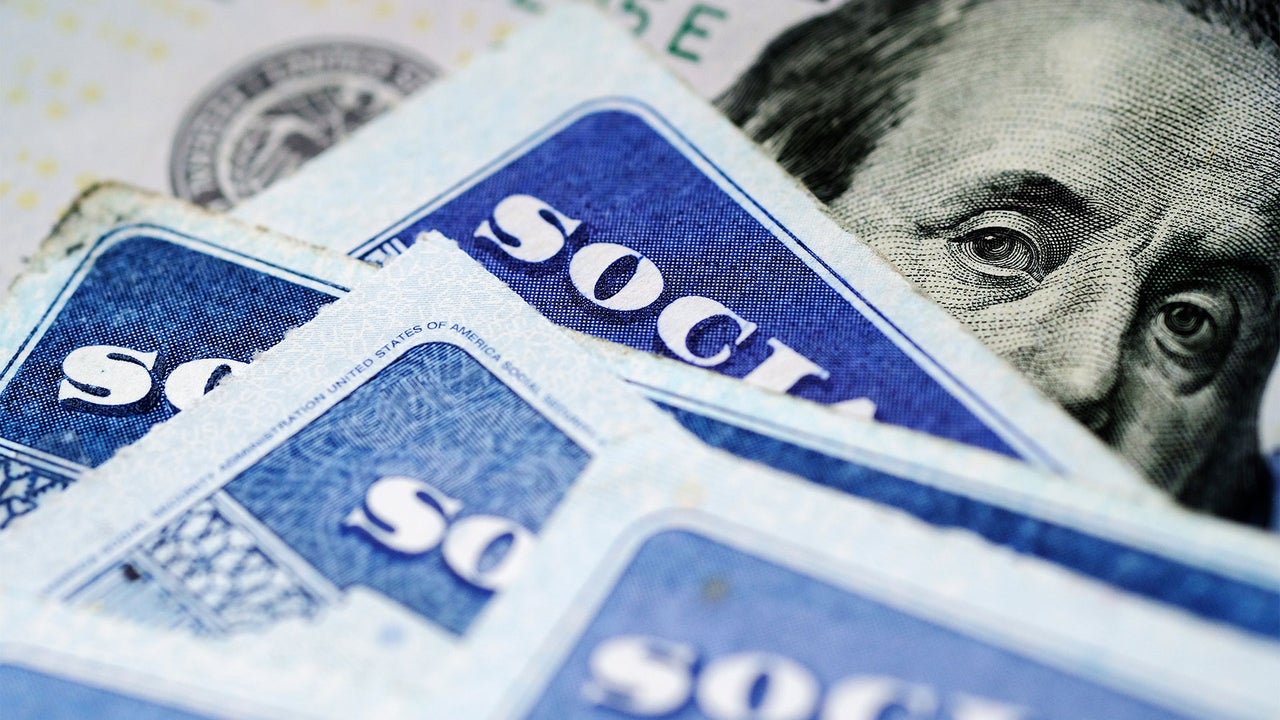
    The Social Security Administration (SSA) has just revealed in a new report that a major trust fund it uses to pay monthly benefits will be depleted in just six years. And when that happens, your monthly Social Security payments will become much smaller. Here’s what you need to know.

    What’s happened?

    This week, the Social Security Administration published its annual OASDI Trustees Report. And the 2026 report had some bad news: a trust fund it uses to pay benefits could run dry in late 2032. As CNBC notes, that’s three months earlier than the previous estimate of early 2033.

    This is a major problem for people who receive Social Security benefits, especially the 43% of seniors whose Social Security payments make up the majority of their income.

    Should the trust fund run out, the SSA will only be able to pay 78% of the benefits due to recipients.

    If this happens, by the 2032 deadline, Social Security recipients would see their monthly payments decline by 22%.

    That drop in monthly benefit payouts would leave millions of elderly Americans potentially unable to pay their bills, including housing, medical, and grocery costs.

    Could social security payments stop completely?

    Thankfully, no. That’s because the majority of social security benefits come from payroll taxes, and those taxes keep coming in as long as people are employed. 

    However, when the payroll taxes are insufficient to meet the social security payout obligations, the Social Security Administration has to dip into specific trusts it has set up to make up the difference. 

    Why is the Social Security trust running out of money?

    There are numerous factors contributing to the potential future insolvency of Social Security.

    Those factors include an aging population that is living longer than their predecessors, a shrinking workforce, and a lack of political will to fix a problem politicians have been aware of for decades now.

    Also, immigration to America is expected to decline in the years ahead, which, when it comes to Social Security, is bad for everyone. With fewer immigrants, there will be fewer people paying Social Security taxes, which reduces the pool the SSA can draw from to pay benefits.

    Another factor contributing to the 2032 shortfall is President Trump’s 2025 One Big Beautiful Bill Act.

    This act, the Bipartisan Policy Center points out, “included multiple provisions that, together, lower tax liability for Social Security beneficiaries. As a result, the trustees project less trust fund revenue from income taxes on Social Security benefits going forward.”

    How much less could a social security recipient receive in 2032?

    If the trust does indeed run out in 2032, the Social Security Administration would only be able to pay 78% of benefits. This would mean that:

    • Low or inconsistent earners would see a monthly benefit cut of $275 ($3,300 annually)
    • Average beneficiaries would see a monthly benefit cut of $440 ($5,280 annually)
    • Above-average earners would see a monthly benefit cut of $594 ($7,128 annually)

    What can be done?

    In order to avoid the shortfall, Congress needs to act—and the sooner the better.

    But, though the SSA’s latest report shows the shortfall moving up by a few months, it’s not like this shortfall problem has come out of the blue. Congress has known about the potential shortfall for decades.

    One way Congress could address the problem, at least in the short term, is to authorize shifting other funds to cover the shortfall, notes CNBC. But experts don’t have a lot of faith that a highly divided Congress will do that.

    As Shai Akabas, vice president of economic policy at the Bipartisan Policy Center, told CNBC, “What’s concerning is that we’ve known about this problem for several decades, and Congress has not done anything to address it.” 


    Source link

    Share. Facebook Twitter Pinterest LinkedIn Tumblr Email

    Related Posts

    Directors in Hollywood close in on a 4-year deal with studios and streaming services

    June 10, 2026

    Scotch has a Gen Z problem. James Marsden and Sabrina Carpenter are part of the fix

    June 10, 2026

    Bill Gates is the latest high-profile figure to testify in the Epstein investigation

    June 10, 2026
    Top News
    Business 5 Mins Read

    Are you preparing or procrastinating?

    Business 5 Mins Read

    When you face a challenge, how do you know how much effort to put into…

    Can OpenAI’s Atlas get people to care about browsers again?

    October 23, 2025

    Delta just added a major new perk to its Amex cards—and travelers are going to love it

    June 5, 2026

    1Password sees AI as both threat and tool

    April 23, 2026
    Top Trending
    Business 1 Min Read

    Directors in Hollywood close in on a 4-year deal with studios and streaming services

    Business 1 Min Read

    Hollywood directors on Tuesday reached a four-year tentative contract agreement with studios…

    Business 6 Mins Read

    Scotch has a Gen Z problem. James Marsden and Sabrina Carpenter are part of the fix

    Business 6 Mins Read

    After James Marsden landed the role of Cyclops in the 2000 blockbuster…

    Business 3 Mins Read

    Bill Gates is the latest high-profile figure to testify in the Epstein investigation

    Business 3 Mins Read

    Bill Gates will appear Wednesday before a congressional panel investigating the Jeffrey…

    Categories
    • Business
    • Economy
    • Headline News
    • Top News
    • US Politics
    • World Politics
    About us

    The Populist Bulletin was founded with a fervent commitment to inform, inspire, empower and spark meaningful conversations about the economy, business, politics, government accountability, globalization, and the preservation of American cultural heritage.

    We are devoted to delivering straightforward, unfiltered, compelling, relatable stories that resonate with the majority of the American public, while boldly challenging false mainstream narratives that seem to only serve entrenched elitists, and foreign interests.

    Top Picks

    Directors in Hollywood close in on a 4-year deal with studios and streaming services

    June 10, 2026

    Scotch has a Gen Z problem. James Marsden and Sabrina Carpenter are part of the fix

    June 10, 2026

    Bill Gates is the latest high-profile figure to testify in the Epstein investigation

    June 10, 2026
    Categories
    • Business
    • Economy
    • Headline News
    • Top News
    • US Politics
    • World Politics
    Copyright © 2025 Populist Bulletin. All Rights Reserved.

    Type above and press Enter to search. Press Esc to cancel.