
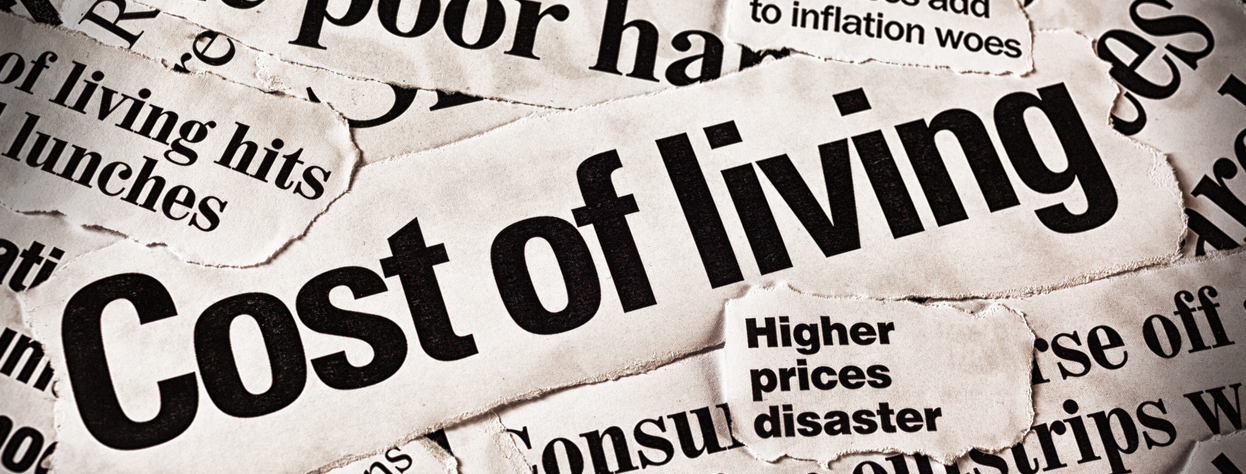
Germany was once considered the industrial engine of Europe. Today, ordinary Germans are increasingly feeling their economic model breaking down in real time as living costs rise, industry weakens, and confidence in the future deteriorates rapidly. The political establishment still talks about “green transitions” and economic resilience, but households across Germany are experiencing something entirely different underneath the surface.
Recent polling from INSA found that nearly 70% of Germans believe the country is heading in the wrong economic direction, while consumer confidence remains near recessionary territory despite years of government stimulus and intervention. Another survey found that over 40% of Germans now say they cannot maintain their previous standard of living because of rising costs tied to food, housing, electricity, transportation, and heating. The middle class is being steadily eroded.
This is precisely what I warned would happen once Europe embraced energy self-destruction under the climate agenda. Germany built its industrial dominance around cheap and reliable energy combined with export manufacturing. Once Berlin shut nuclear plants, restricted domestic energy production, and sanctioned Russian energy flows simultaneously, the entire economic structure became vulnerable. Energy-intensive industries like chemicals, steel, manufacturing, and automotive production immediately faced soaring costs that competitors in Asia and the United States simply do not carry to the same degree.
German manufacturing activity has contracted repeatedly over the past two years while industrial production remains well below pre-crisis levels. Major firms including BASF have openly reduced European operations because operating costs inside Germany no longer make economic sense long term. Volkswagen, Siemens, and countless mid-sized industrial firms are all confronting weakening competitiveness as energy prices remain structurally elevated.
Meanwhile ordinary Germans are absorbing the impact through declining purchasing power. Food prices surged dramatically following the Ukraine war and broader inflation crisis. Housing costs continue rising in major cities. Electricity prices became some of the highest in the industrialized world. Insurance costs, transportation expenses, and debt servicing all moved sharply higher after interest rates normalized from the artificial zero-rate era.
The political class still pretends these are temporary disruptions. They are not temporary. Germany is facing structural decline because policymakers dismantled the foundations supporting industrial prosperity itself. You cannot run a major export economy while intentionally making energy scarce and expensive. The mathematics simply do not work.
This is why the ECM projected Europe entering a depressionary phase into 2028. The sovereign debt crisis was never truly solved after the euro crisis years. Europe merely delayed the reckoning through ECB intervention, money printing, and artificial liquidity. Now the continent faces a second wave of pressure simultaneously involving war spending, migration costs, demographic decline, energy instability, and collapsing competitiveness.
Germany sits at the center of that crisis.
The irony is extraordinary because Germans were repeatedly told their sacrifices would create a stronger, greener, and more stable Europe. Instead, many now feel poorer despite working harder. The younger generation increasingly doubts they will achieve the same living standards as previous generations. Industrial workers fear layoffs while farmers protest rising costs and regulations. Consumers cut spending because household budgets are being consumed by necessities.
The media still points to headline employment numbers while ignoring the deeper deterioration underneath. People feel economic decline long before official statistics fully reflect it. Germans understand instinctively that the country is moving in the wrong direction because they see the pressure every single month through bills, taxes, shrinking savings, and weakening financial security. Germans are feeling the collapse of the European model in real-time.