
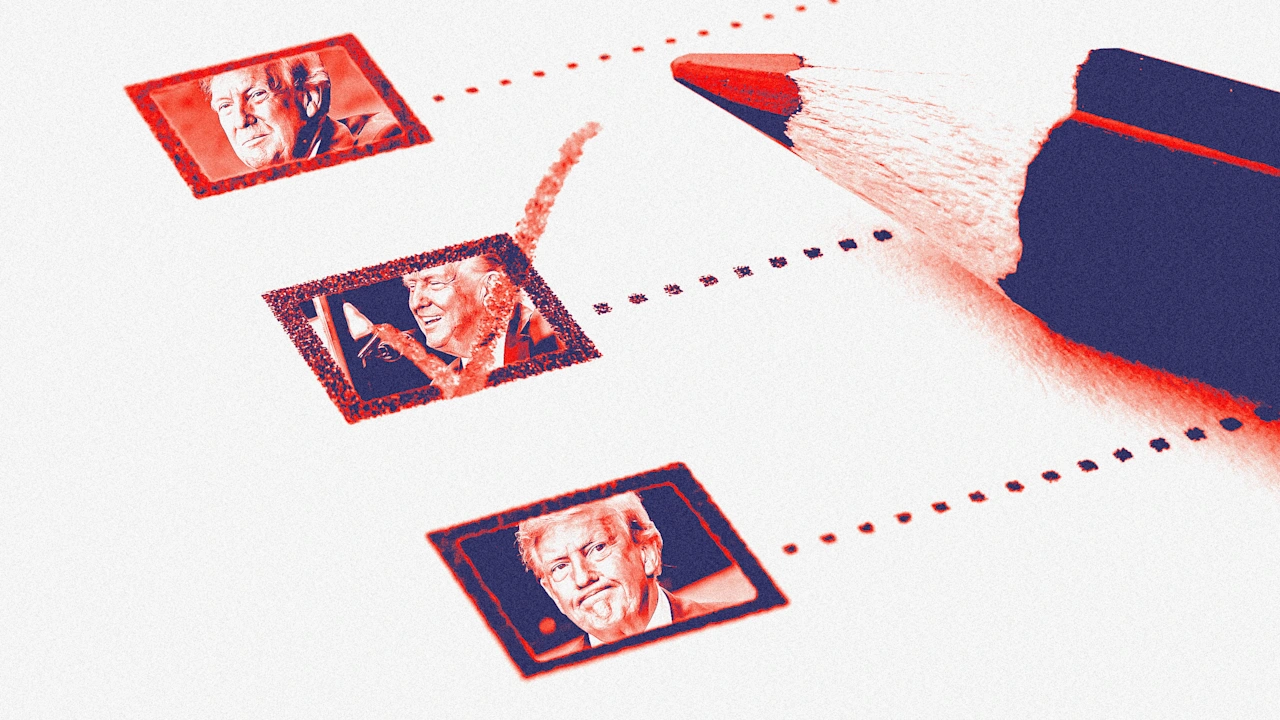
Earlier this week, in a live interview on CNBC’s Squawk Box, President Donald Trump was asked for his reaction to reports that Apple, Amazon, and some other companies had not filed refund requests for tariffs they paid over the past year—tariffs the Supreme Court has ruled unconstitutional.
“I think it’s brilliant if they don’t do that,” Trump replied. “If they don’t do that, I’ll remember them.”
To be clear, this wasn’t negotiation posturing. This was the president openly signaling that companies who forfeit money to which they are entitled will be “remembered” for a symbolic display of loyalty.
The government has collected a combined $166 billion or so from U.S. importers; an act the Supreme Court ruled an overstep of presidential power. The companies in question are in effect taking the administration’s side despite the court’s ruling.
Left unspoken but clearly implied is that those who exercise their legal rights may find themselves remembered, too, but certainly not for being “brilliant.”
Given the Iran war, as well as the panoply of controversies and alleged scandals swirling around the administration, this incident was easy to miss. But it’s worth pausing over and paying attention to what companies affected by the illegal tariff scheme ultimately do.
The tariffs, imposed last year and affecting U.S. trade with practically every country on earth, were struck by way of a 6-to-3 Supreme Court ruling in February, resulting in the $166 billion forced refund.
Despite this lack of ambiguity, it’s not hard to imagine why a company might at least ponder whether it’s worth trying to stay on the president’s good side.
The Trump administration has not been shy about involving itself in the actions of private commerce, taking an unusually active stance over mergers, regulation, even bailouts or direct ownership stakes.
Nevertheless, Trump’s not-so-veiled threat is one that companies should firmly resist. It amounts to betraying shareholders and customers alike.
For starters, the board members and executives of publicly traded companies obviously have fiduciary obligations to their shareholders. Shrugging off millions (or even billions) of dollars in legally recoverable refunds does not square with those duties.
Moreover, it’s a bad look for a brand. Many companies passed along tariff costs through higher prices. Declining to pursue refunds in effect tells customers: We raised your prices because of costs we are now choosing not to recover, because the president said he’d be impressed if we didn’t.
As a contrast, consider Costco, which has been among those striking an aggressive stance on the refunds. In November 2025, well before the high court’s ruling, the discount club chain filed a federal lawsuit challenging the tariffs as unlawful, asking the courts to order full refunds including interest on all tariffs paid.
Costco executives have told investors the company would in effect pass along the refunds to its customers through “lower prices and better values.” Admittedly, that sounds a bit vague, but the company has said it will be open about the process.
And compared to speculation about ignoring the refunds to curry favor with the administration, Costco’s simple clarity about adhering to the rule of law practically sounds like a profile in courage.
Plenty of businesses have shown no hesitation about collecting refunds, particularly smaller enterprises. And shipping businesses FedEx, DHL, and UPS have all indicated they’ll be passing along refunds to customers who were billed to cover tariff fees.
For many others, the process will admittedly be more complex. The payout fund is designed to reimburse entities that paid directly to import the tariffed goods—not the end consumers who may have ultimately absorbed those costs in the form of higher prices.
Unlike the case of shipping, there’s usually not a clean paper trail to quantify what an individual customer might be owed. (Class action lawsuits are already coming together to challenge how the money is being distributed.)
Still, this seems like a moment for companies to at least make clear their intent. The Costco response is a handy and straightforward example: Collect the refund and be vocal about returning value to customers. Treat this as an opportunity to demonstrate loyalty to shoppers.
At the very least, signaling a greater interest in pleasing the administration than in pleasing your own shoppers seems like a shortsighted way to treat consumers, particularly in a moment when affordability is in the zeitgeist. “I’ll remember” cuts both ways.