
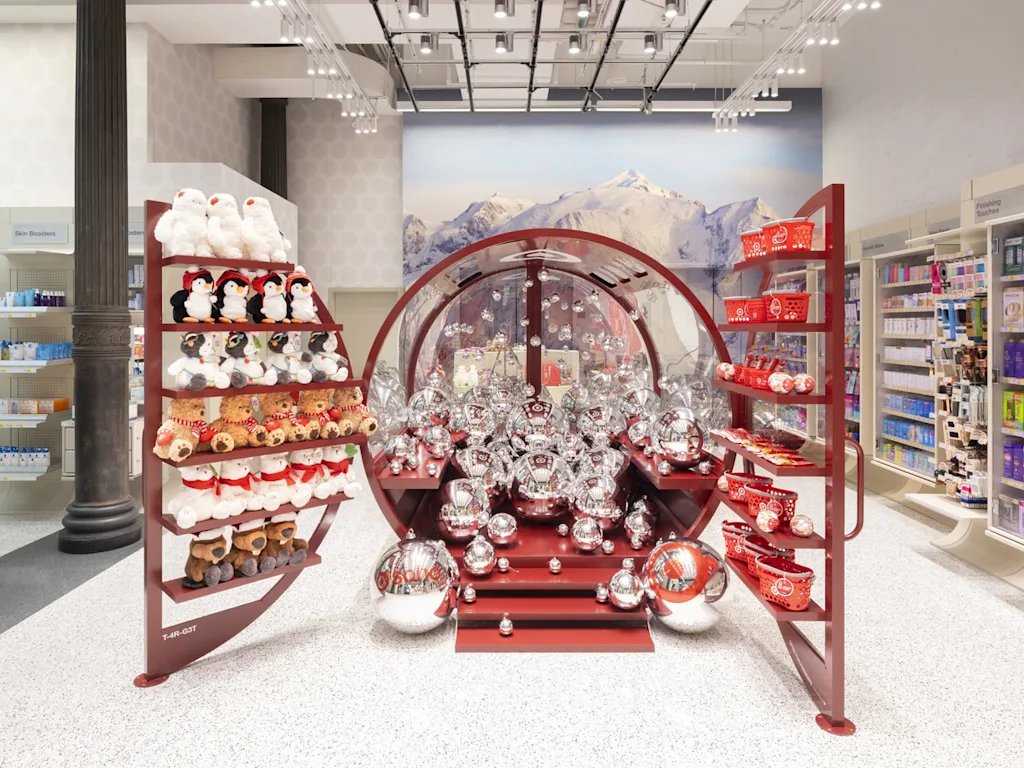
This week, a new fashion boutique quietly opened in SoHo. Much like its neighbors, H&M and American Eagle, the new shop features racks of affordably priced, trendy apparel. You’d be forgiven for thinking it was another fast fashion label, but it’s not: it’s Target.
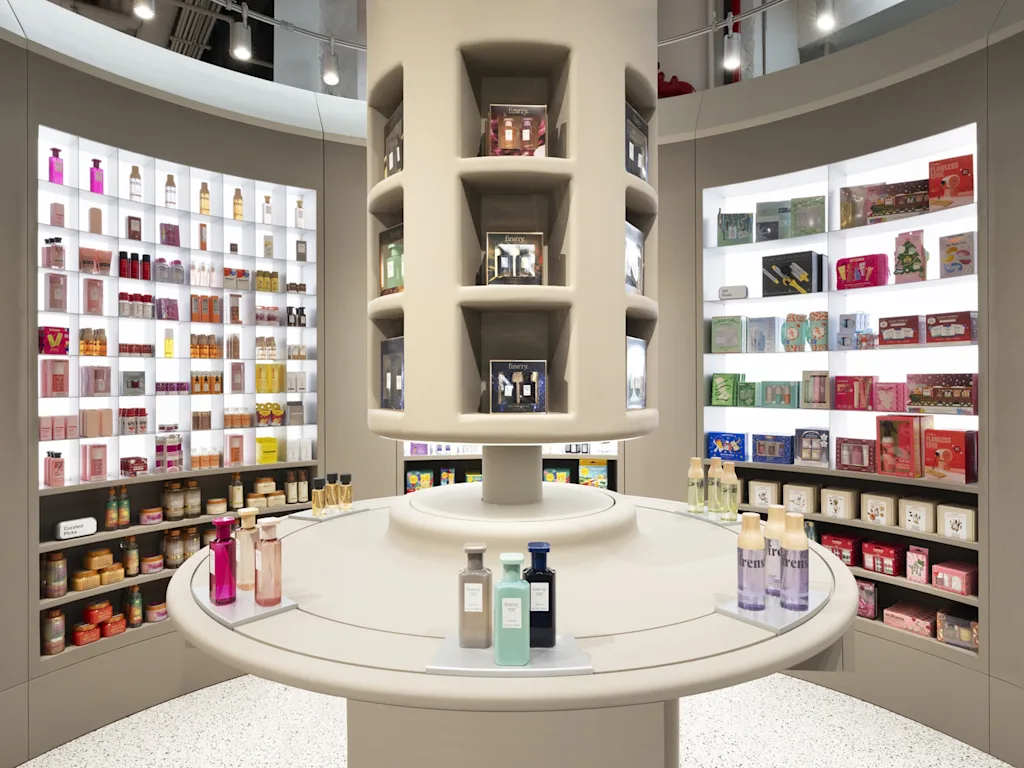
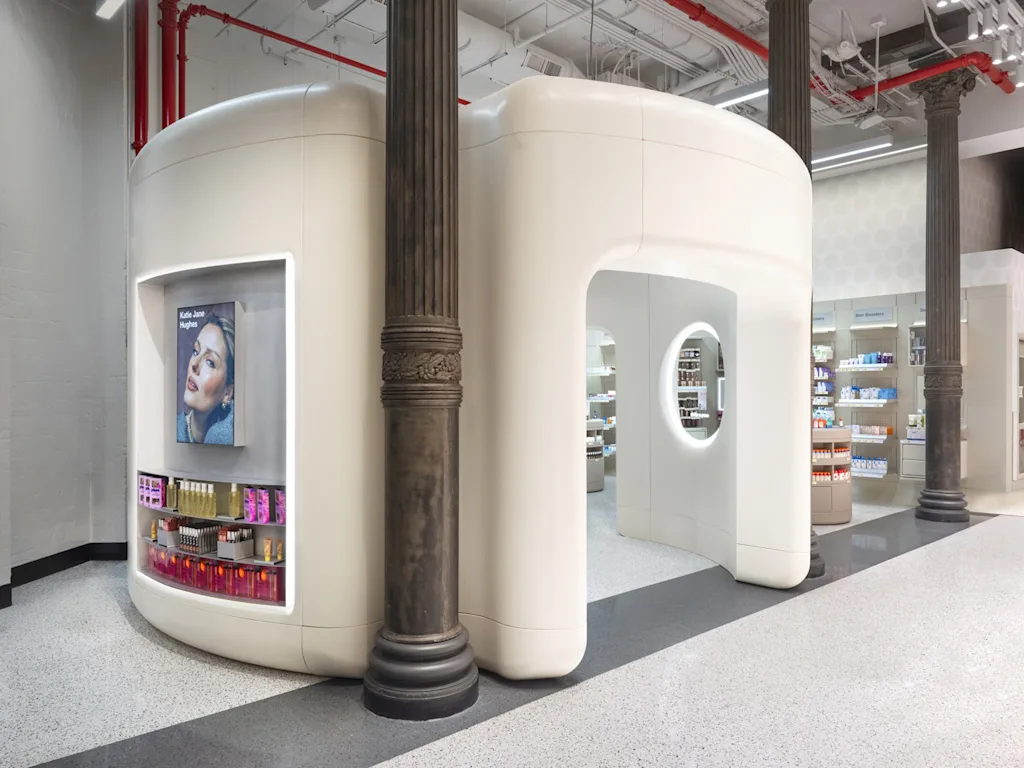
Target has retrofitted its existing SoHo store as a “design-forward concept store,” with a focus on fashion and beauty. The store’s entrance, which features a long hallway drenched in the brand’s iconic red, is full of racks with sparkly skirts and faux-fur jackets for holiday parties. Target has dubbed this area “The Drop” and will feature new, seasonal merchandise that is updated every six to eight weeks. The brand says it will refresh the area with wellness-focused products for New Year’s resolutions in January, and giftable items for Valentine’s Day in February.
The store offers a glimpse into what Target might be cooking up in its efforts to engineer a much-needed turnaround. This past year was calamitous for Target, capping off several years of decline. It began with a boycott, led by Black consumers, who felt that the retailer had let them down by purporting to support diversity in the aftermath of George Floyd’s murder, then dropping most of its diversity, equity, and inclusion efforts when Trump was elected. Last month, it reported a drop in quarterly sales, after four years of flat revenue. In the company’s earnings call, incoming CEO Michael Fiddelke (who is set to replace Brian Cornell in February) declined to say when Target’s sales were likely to turn positive again.
(We reached out to Target for commentary, but it did not make a spokesperson available by the time of publication.)
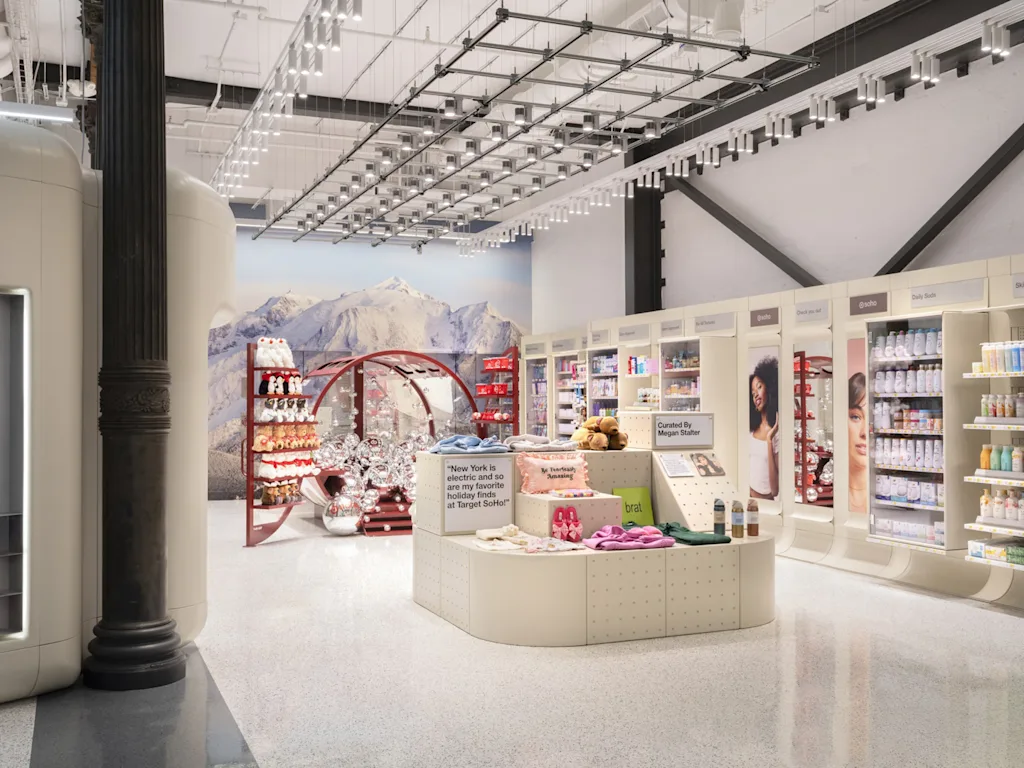
As I’ve written before, Target’s struggles don’t stem from a single problem. Stores have become disorganized, checkout lines are long. Groceries are an important way to get customers into stores, but they make up less than a quarter of Target’s overall business (as compared to 60% of Walmart’s). And more broadly, Target’s customer base of well-heeled, urban consumers no longer think of it as “Tar-zhay,” the place to buy elevated, well-designed products at an affordable price.
Fiddelke has the difficult task of getting Target out of this position. In August, when he was appointed as the next CEO, he articulated three strategies for cleaning up the mess: improving the in-store experience, incorporating technology to improve efficiency, and turning Target back into a destination for style and design. The new concept store in New York appears to be one effort toward reminding Target that it was once the go-to big box store for a trendy outfit.
The power of design
It makes sense that Fiddelke is looking to design to help steer Target out of this rough patch. After all, design is arguably what enabled Target to become one of the country’s top big box retailers in the early 2000s. But the world has changed over the last two decades, and it’s unclear whether the strategy will allow Target to stand out now.
Target first came up with the idea of democratizing great design in 1999, when it launched a multiyear partnership with the architect Michael Graves on a collection of elevated home goods at affordable prices. The sales of the first line weren’t spectacular, but Target was committed to the concept, and over time, sales took off, elevating the retailer’s image. Over the next two decades, Target collaborated with the top fashion designers of the era, from Proenza Schouler to Anna Sui to Missoni. This coincided with a period of steady growth in the 2000s and early 2010s, and led to a loyal customer base.
But Target no longer corners the market on democratic design. Many other retailers have taken a page from Target’s successful playbook of partnering with designers. High-low designer collabs are now a fixture of fast fashion brands like H&M, Zara, and Uniqlo. And now, Target’s biggest competitor—Walmart—is stepping up its game, when it comes to fashion. In 2021, Walmart hired the designer Brandon Maxwell to redesign two of its in-house fashion lines and has been popping up at New York Fashion Week for the last three years to signal that it wants to be a contender in the fashion landscape.
An economic uphill battle
The bigger problem is that in our current economic climate—when Americans are feeling the pinch of inflation, a slowdown in hiring, and the looming threat of a stock market crash—many consumers are pulling back on discretionary spending. And design-forward products, like clothes and home goods, are nonessentials.
Part of the reason that Walmart’s business is booming is that it specializes in selling groceries at the lowest possible prices, which is appealing to Americans of all socioeconomic backgrounds. In its most recent financial results, Walmart says it has been gaining market share with families that make more than $100,000 a year. It’s likely that some of these customers are coming from Target, which has historically attracted a wealthier customer than Walmart.
If Target wants to lean back into design, it can’t just do what it has done in the past. There are many other fashion brands—including many in Soho—that are very good at churning out the latest affordable styles. Target needs to innovate and offer something fresher and distinct from the rest of the marketplace.
It will be hard for Target to compete on price, since Walmart’s scale allows it to get lower prices from suppliers. But there are other ways to stand out. Target could focus on the quality and durability of its products, which would be appealing to consumers looking to maximize their purchases. It could partner with global designers that offer a different point of view. It could focus on the sustainability of its design. It just can’t rehash as 20-year-old strategy in the hopes that it’ll work again today.