
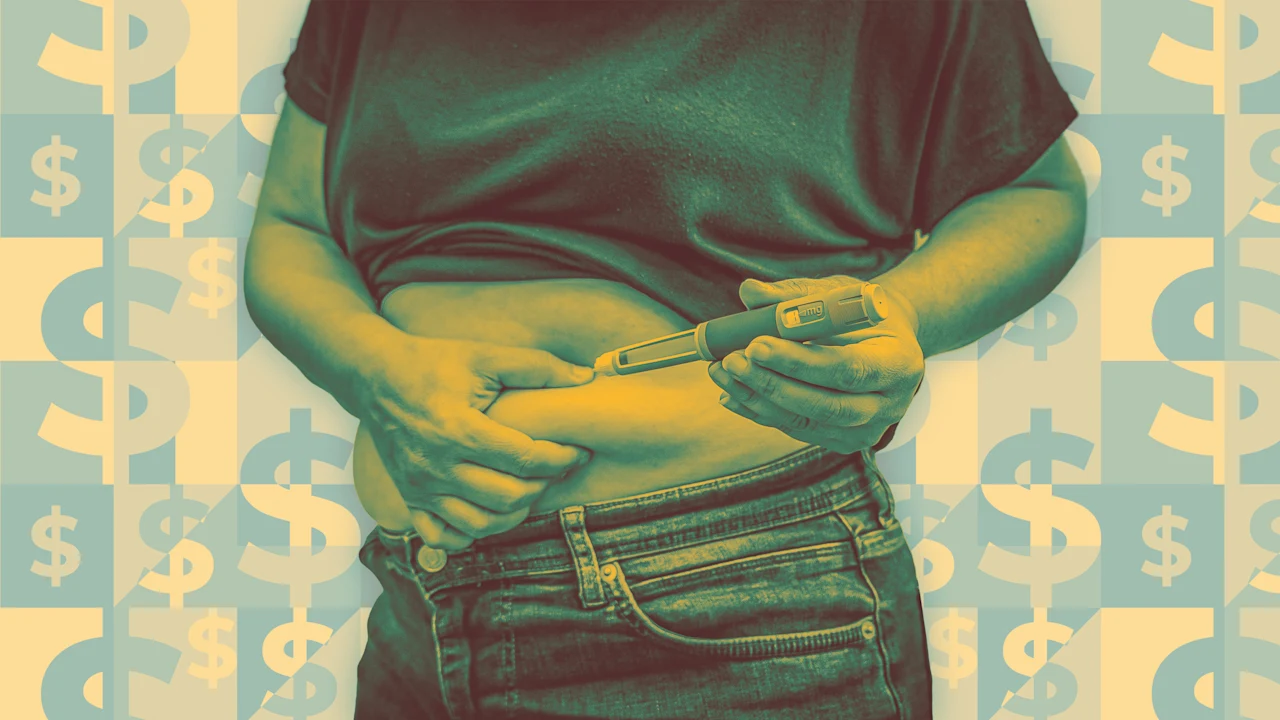
Microdosing isn’t just about mushrooms any more.
While taking tiny non-psychedelic doses of hallucinogens was once the health craze du jour, small, sub-clinical doses of weight loss drugs have taken over the term “microdosing” in 2025.
Little research has been done on the efficacy of GLP-1 drugs like Ozempic when prescribed in smaller doses, but that hasn’t stopped the craze from catching on. People are turning to microdosed GLP-1s to manage their weight, stave off side effects and to make the medications more affordable on a long term basis.
For telehealth companies cashing in on off-brand formulations of popular weight loss drugs, microdosing is an option they’re eager to pitch. Compounded versions of drugs like Novo Nordisk’s semaglutide (Ozempic, Wegovy) and Eli Lilly’s tirzepatide (Zepbound, Mounjaro) proliferated over the last few years due to a shortage of their name brand counterparts. With those shortages officially over in the U.S. – and exact copies of those drugs now banned – companies that sell compounded GLP-1s are getting creative to get around the rules.
One way to do that is to mix things up a little. Telehealth companies and compounding pharmacies can include the key ingredient in a weight loss drug while customizing it just enough to keep selling it to consumers – much to the chagrin of the drug’s developers. A knockoff version of Ozempic offered in a smaller dose or formulated with extra vitamins can skirt the FDA’s ban on copycat drugs.
While these options remain lawful in the U.S. – at least for now – these creatively formulated drugs still aren’t subject to the same safety measures and regulations as their name-brand counterparts – a fact that doesn’t seem to be giving many people pause.
“From the questions we get and the features people request, it’s clear there’s growing demand for tools that support microdosing and other personalized approaches,” Aja Beckett, founder of GLP‑1 tracking app Shotsy, told Fast Company. “That seems driven by a mix of curiosity, cost, and control; people are experimenting to manage side effects, stretch prescriptions, or fine-tune results once they’ve reached their goal weight.”
Some people are tinkering with their dosage at home, while others rely on clinics and compounding pharmacies marketing “custom titration” and microdosing options for the smaller doses. “It’s a gray area, and the popularity of these programs shows how quickly real-world GLP-1 use is evolving beyond the official guidelines,” Beckett said.
Big money, tiny doses
Telehealth’s major players have pounced on the microdosing opportunity.
The telehealth Noom began marketing smaller doses of the compounded version of Wegovy in May to comply with the FDA’s determination that shortages of Wegovy, Ozempic, Zepbound and Mounjaro were over. Noom later launched a full GLP-1 microdosing program for weight loss, recruiting actress Rebel Wilson, now featured prominently on the company’s homepage, as its microdosing spokesperson. Noom cites fewer side effects, improved adherence and lower costs in its marketing materials, with plans that start at $99 per month.
“This approach stays intentionally low, aiming for a personalized balance between results and tolerability,” the company states. “The goal is to find the lowest effective dose that delivers meaningful weight loss benefits while keeping side effects manageable and costs more affordable.”
Last month, telehealth giant Hims & Hers introduced its own microdosing treatment plan. In its announcement, the company touted the program’s flexibility while cautioning that the off-label use of weight loss drugs is an unexplored frontier that research has yet to catch up to.
“While GLP-1 microdosing is an early-stage innovation that requires continued study, there’s emerging research suggesting that GLP-1s may be valuable beyond traditional weight management,” Hims and Hers wrote in the announcement, noting that microdosing plans can minimize side effects and provide a more gentle on-ramp to the class of weight loss drugs.
Ro, which boasts Serena Williams as its GLP-1 spokesperson, has an in-depth info page noting some possible benefits and concerns around microdosing, but isn’t yet in the business itself. The weight loss industry might be out over its skis on the microdosing craze, but the anecdotal benefits are driving a ton of interest toward smaller, cheaper doses of GLP-1s.
“My main concern is simply that without research, we don’t yet know which of these approaches are most effective or safe long-term,” Beckett told Fast Company. “Still, it’s clear that patients want more control and are looking for ways to personalize their care.”