
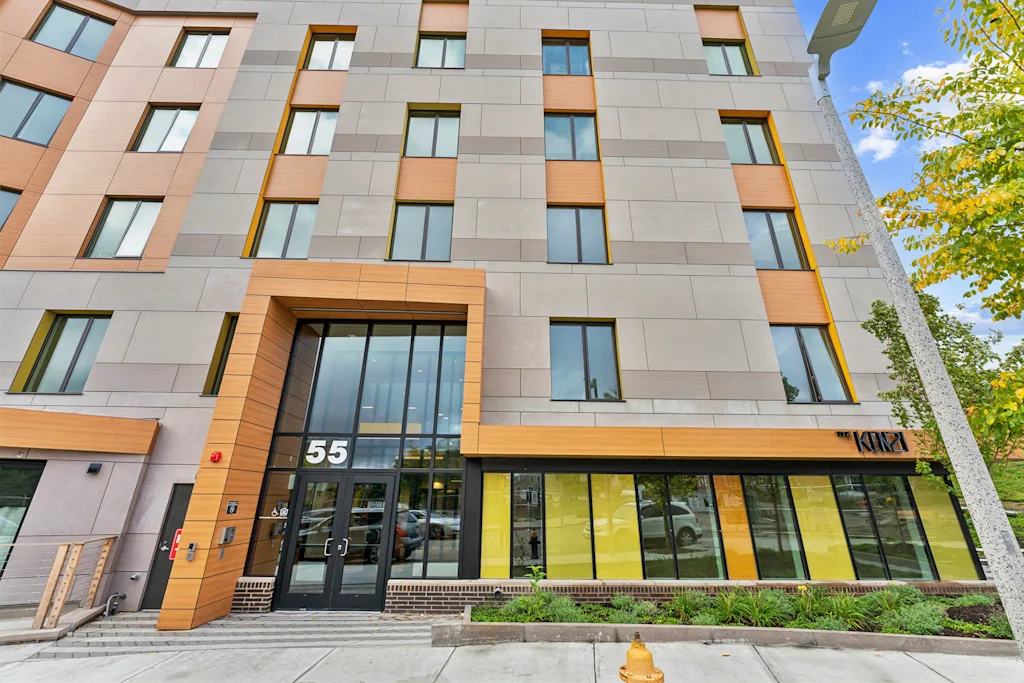
A new type of window on the verge of mass production in the United States will provide a new vision for architects and builders seeking to marry design with energy efficiency.
This window, made from millimeter-thin glass panels, can achieve exceptional energy efficiency scores and make a significant difference in global emissions. Buildings account for about 30% of global energy consumption, and about half of the energy use in residential and commercial buildings is used for heating and cooling.
Corning, the firm that developed Gorilla glass in 2007 for Apple iPhones, helped refine the mass-manufacturing process based on material discoveries made at Lawrence Berkeley National Labs. In the late 1980s, researchers at the lab began looking into window efficiency in the aftermath of the energy crisis of the ‘70s. It led them to develop a new kind of glass that was thinner, yet stronger and more efficient.
In short, by creating these ultra-thin layers of glass, more layers and air gaps can be arranged inside a standard window frame, which multiplies a window’s ability to insulate. Typical double-pane windows utilize two sheets of glass three or four millimeters thick; this new thin glass can be a half-a-millimeter thick.
Corning developed a modified manufacturing process based on the lab’s research that can create glass sheets at scale, as thin as a credit card. It can be cut and modified to suit standard window frames, as well as for more unique designs for custom buildings designed by architects. Corning calls this new, larger commercial glass Enlighten.
A more efficient window
Stephen Selkowitz, a research scientist at the Lawrence Berkeley National Laboratory who theorized this process in the ‘80s, before it was commercially possible to produce, says that windows lose 10 to 20 times more energy per square foot than a well-insulated wall. Within a standard home or business, windows and glass represent the most porous area for heat exchange, letting in cold weather in the winter and heat in the summer.
By cutting down this energy transfer, this new glass—which contains layers of inert gas between thin panes, increasing its insulating properties—can slash the costs of heating and cooling a single-family home or office building.
Andrew Zech, the CEO of Alpen, a company that has collaborated with Corning on commercializing this technology for the last six years, says this new glass can achieve five times the energy efficiency of standard windows. The material also boasts a special coating that inhibits solar gain, or the heating effect of bright sunlight on a room.
As Ronald Verkleeren, Corning’s senior vice president for the Emerging Innovations Group, sees it, energy efficiency codes have in effect provided a limiting factor for glass. Increasingly strict building standards require a more balanced approach to material choices and window sizes to limit energy use. This development, in effect, frees up the industry to use and buy more windows, and will help manufacturers utilizing this process gain market share in the large, lucrative, architectural glass market. Corning has reached out to architects to encourage them to create case studies and new designs utilizing this glass.
“All of a sudden you can show up with a window that comes as close to matching what’s possible from a wall, in terms of energy efficiency, and that gives a lot of degrees of design freedom to be able to meet the code,” Verkleeren says. “That’s the game changer.”
Ramping up production
Alpen was the first domestic firm to manufacture this glass, and will ramp up facilities in Pennsylvania and Colorado later this fall. According to news from Lawrence Berkeley National Labs, which helped develop the breakthroughs that made this process possible, a number of larger producers will begin making these kinds of windows. Manufacturers include Andersen, the world’s biggest window manufacturer, which plans to open a plant in Georgia in October specifically geared towards this product, as well as PGT, which makes hurricane-resistent windows.
The rate of window replacement is rather slow, says Zech, just about 1.4% of the national stock gets updated every year, and the number of windows sold each year is generally split in half between new projects and replacement. As Zech sees it, these new thin glasses can be used for any shape or profile—they can “be as boring as you need them to be.”
This new wave of thin glass production in the United States—coming during a time of heightened tariffs and a loosening of environmental regulations—can help U.S. developers and builders utilize more glass on projects in a way that can not just cut emissions but help architects rethink how they’re designing buildings.
The end of architectural trade-offs
Alpen’s factory utilizes a number of robotics and advanced manufacturing technologies in the production process, says Zech. A vacuum system holds onto the panes as they roll down a conveyor belt—a stiff wind could blow them off—and a series of superfine bristles wash the glass, akin to a microscopic glass carwash.
Alpen’s Zech says the company’s working theory was that they would sell tons of these new windows in cold climates like Alaska or Minnesota. But they’re also selling a lot in hotter climates and temperate areas like San Francisco, as a way to open up walls and facades with glass without creating additional heating burdens through substantial solar gain. Selkowitz believes this tech offers so many commercial opportunities where this technology helps meet real world needs, such as building offices with more daylighting.
In fact, Zech says the trend in recent years has been adding fewer windows to new construction, as energy efficiency standards have demanded builders figure out how to meet more strict insulation goals. He believes this new thin glass will eliminate the need for these kinds of design trade-offs, and allow for larger windows and showier facades.
“There is an energy savings story here, and it’s really potent,” Zech says. “But probably the bigger story is actually, people just want to have massive windows in their homes and businesses, they want walls of glass.”