
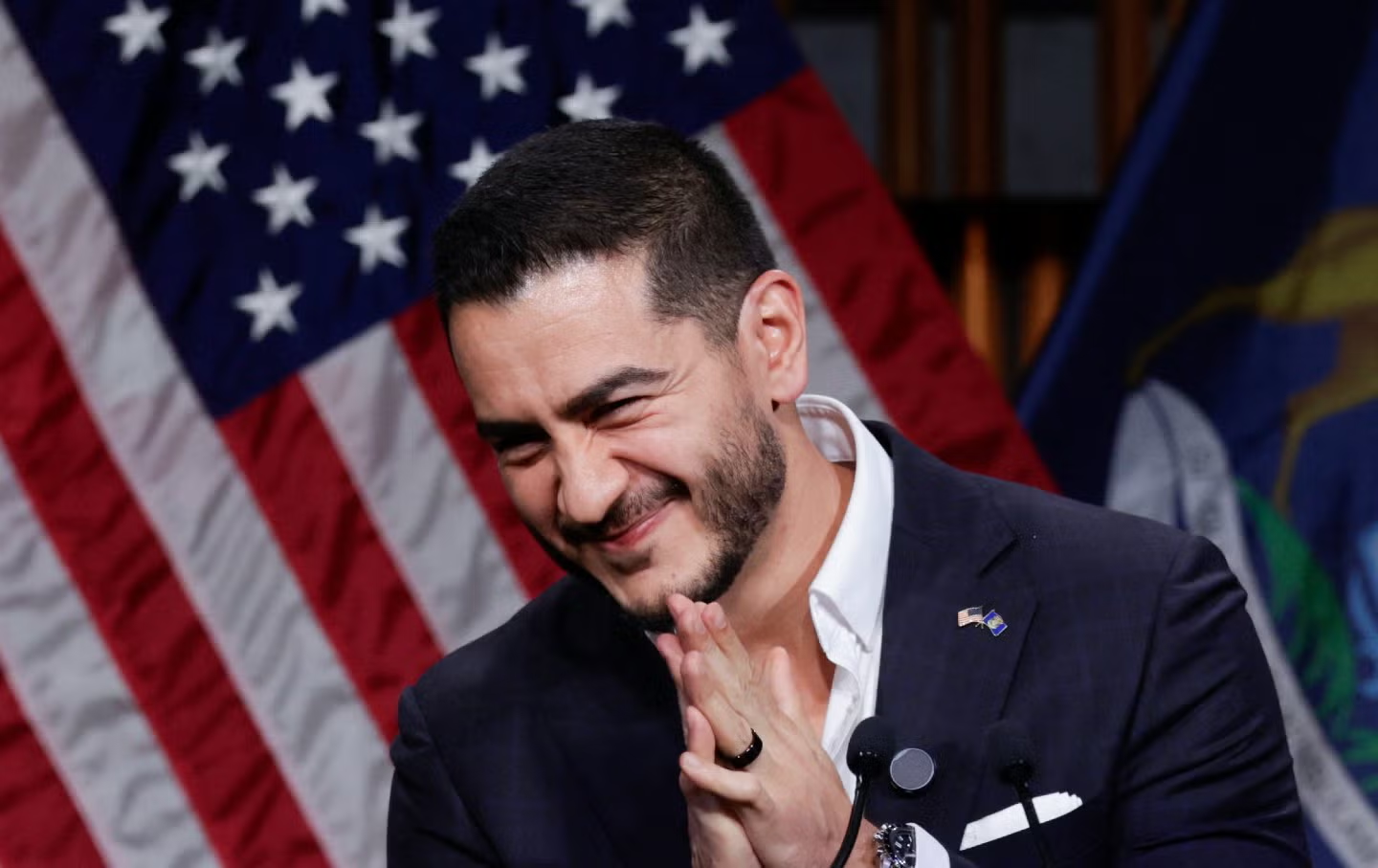
Polls did fail to capture something: the scale of the Democratic wave.
In the days leading up to Tuesday’s election, prognosticators issued the obligatory warning that polls could be subject to systematic error. And indeed, polls did fail to capture something: the scale of the Democratic wave.
Not only did Democrats win the House (as expected), and the Senate (as seemed possible), but they secured a majority of governorships for the first time in 20 years. They swept at least five of the six Senate seats rated as toss-ups by The Cook Political Report (with votes still being counted in Alaska), and even picked off a seat in South Carolina that had been in Republican hands since Strom Thurmond switched parties in 1964.
Not since the waning days of George W. Bush’s disastrous second term has there been a Republican collapse of this scale, nor such a clear set of opportunities to lead for the Democratic Party. The results have upended much of the conventional wisdom that has dominated American politics since Donald Trump himself tore up the rulebook a decade ago.
While the meaning behind the results will surely be debated through the next election, it was a decisive enough evening for a few stories to come into focus almost immediately.
Democrats can—and should—compete everywhere. The party swiftly picked up Senate seats in five states—Iowa, Kansas, Ohio, Texas, and South Carolina—where Donald Trump won by double digits in 2024. But perhaps more remarkable were the states where Democrats came unexpectedly close: In increasingly ruby-red Florida, democratic socialist Angie Nixon fell short of winning a Senate seat by just three points. Even closer was Jamie Davis in hyper-polarized Louisiana—and, as of writing, Scott Colom’s race in Mississippi is still too close to call. All three were Black candidates who put up historic results despite limited investment from the national party. As successful a night as the party had in deep-red territory, Democrats may have approached a supermajority with a little more investment in races dismissed as unreachable.
The generational shift in the Democratic Party is here, and it’s populist. Seven battleground states elected Democratic senators under the age of 50, in Peggy Flanagan (47), Josh Turek (47), Chris Pappas (46), Annie Andrews (46), Abdul El-Sayed (42), Jon Ossoff (39), and James Talarico (37). And it’s not just the candidates themselves that are fresh and new; it’s their ideas. In Colorado’s First Congressional District, 29-year-old democratic socialist Melat Kiros became the first woman from Generation Z elected to Congress. And in Montana, it looks like Sam Forstag, a union leader and former wildland firefighter, will flip MT-1. It’s a far cry from the Democratic Party that, two years ago, hoped to invigorate the youth vote with the vim and vigor of Joe Biden. And the depth of the bench is no accident: It was cultivated by organizations like Run for Something, which not only notched nearly a hundred local victories and counting Tuesday but planted the seeds for statewide wins by backing candidates like Talarico starting nearly a decade ago.
Current Issue

The GOP’s gerrymandering gambit backfired. In Texas, Florida, North Carolina, and Ohio—all of which redrew their maps mid-decade to marginalize Democratic voters—Democrats held on to seats they were projected to lose, and in some cases even picked up seats. What’s more, in another blow for disenfranchisement, Black voters showed up in droves in the wake of the Supreme Court’s gutting of the Voting Rights Act. Among other victories, they helped elect the first Black woman governor in American history. In spite of everything, voters continue to choose their politicians; not the other way around.
Americans do care about foreign policy. President Trump made a surprising final pitch to voters on Election Day, with a dubious vow to suspend $4 billion in aid to Israel and an admission that his administration’s financial support of the country is “a bad talking point” for Republicans. It was an acknowledgment of Americans’ deep opposition to his international agenda—and, with more strikes on Iran potentially coming after the midterms, it’s also a reminder to newly empowered Democrats that voters are demanding a break with the foreign policy status quo. It was just under 20 years ago that Senator Barack Obama launched a presidential campaign built around his opposition to the Iraq War; that could be instructive.
Voters vented their AI agita. Voters weighed in on at least 40 data center measures nationwide, and, overwhelmingly, communities from Maine to Ohio to Kansas voted to regulate and restrict data center construction. Data center industry darling Darline Graham and infamous AI flip-flopper Greg Abbott faltered. Meanwhile, Big Tech already has its eyes on the presidential matchup ahead: “We already know the number-one issue of the 2028 presidential election,” reads a memo by a leading industry lobbyist: “AI.” (One potential candidate—Jon Ossoff—directly addressed those risks in his victory speech.)
Money doesn’t change everything. This was the most expensive midterm election in US history—and no single donor gave more than the world’s richest man, Elon Musk, who funneled huge sums to Republicans in his home state of Texas. Democratic hopefuls James Talarico and Gina Hinojosa made Musk’s attempts to buy their races a centerpiece of the joint rally that closed their campaigns. “Is this going to be a Texas that is by and for the people?” asked Hinojosa, “Or this is the billionaires’ world and we just live here?” In the end, Texans picked the people, not the plutocrat.
MAGA may have reached the end of the line. Many of the issues top of mind for voters amounted to a referendum on Trump’s governance. Gas prices, affordability, and national security have been squeezed by the profoundly unpopular Middle East war he promised he’d never start. His naked self-dealing has thrown the wealth gap into stark relief and made political corruption one of voters’ chief concerns. And with countless jobs and the health of the economy riding on the whims of a few increasingly unaccountable tech companies, Trump’s failure to regulate AI has sounded yet another sour note with the public. He also handpicked a number of disastrous candidates who fumbled winnable races: the corrupt Ken Paxton, the shameless Vivek Ramaswamy, the grossly underqualified Darline Graham, and on and on. In stripping his party of both the House and Senate in such dramatic fashion, Americans may have just rendered their final verdict on Trump—and the MAGA movement at large will stand trial in 2028.
Every party faction had something to celebrate. It remains to be seen if that unity can last. From the insurgent left to the moderate middle, hardly any candidate up or down the ballot underperformed on Tuesday. The factional divides faded away in favor of an unambiguous rebuke of Donald Trump; a rising blue wave lifted all boats. But for a Democratic Party that remains historically unpopular, approaching what will be the first presidential election in 13 years without Trump on the ballot, hard work lies ahead. As one of the new progressive House members texted me late last night, “Wow Wow! I hope Hakeem and Chuck understand how much this is anti-establishment, populist, fed-up energy for change.”
As Robert Reich said before any votes were counted, “We’re going to have to continue to organize, mobilize, and energize everyone around us to put pressure on Congress—even a Congress controlled by the Democrats—to protect and strengthen our democracy.”
More from The Nation
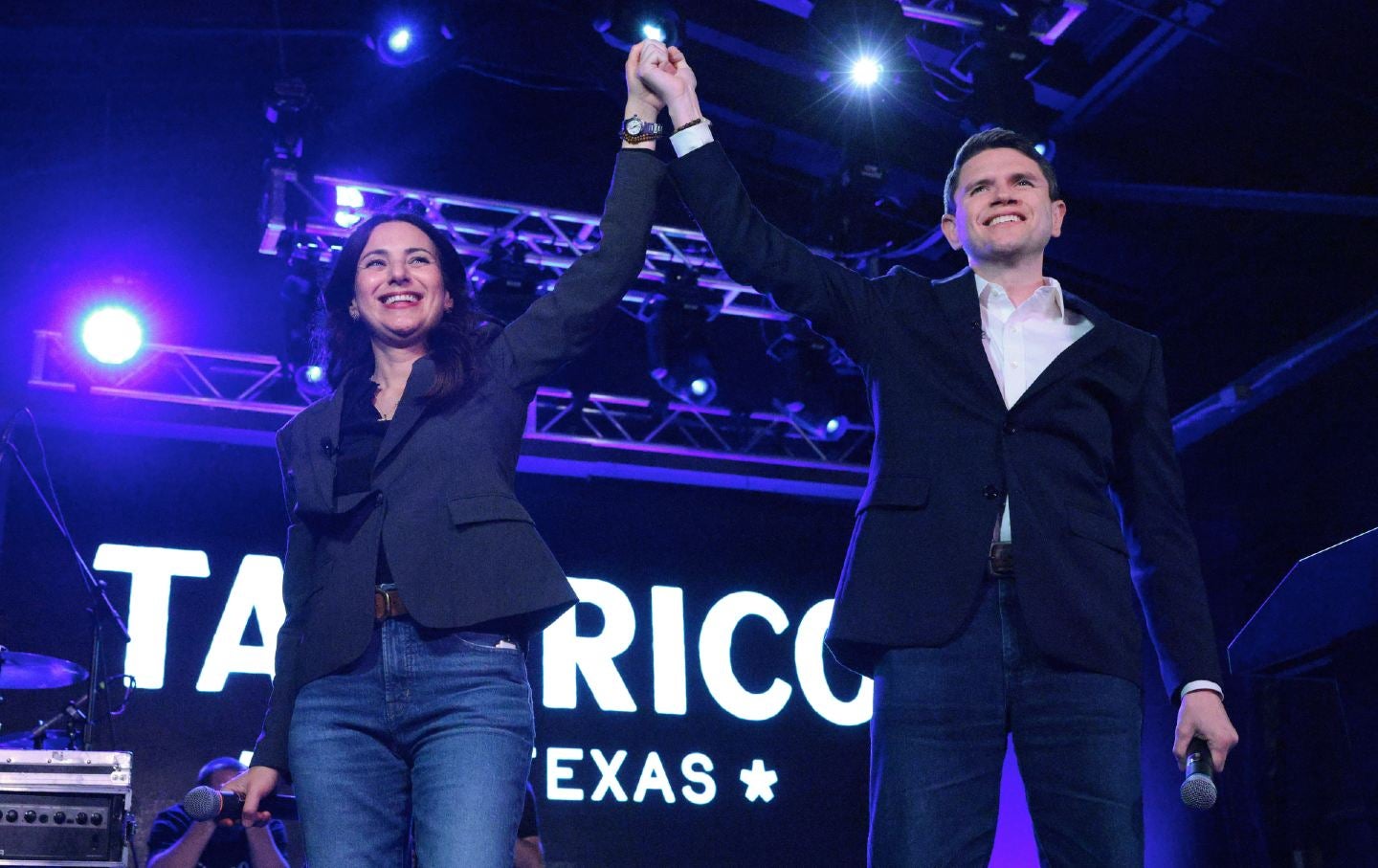
Yesterday’s results showed a full-throated rebuke of Republican dominance—so what does that mean for 2028?
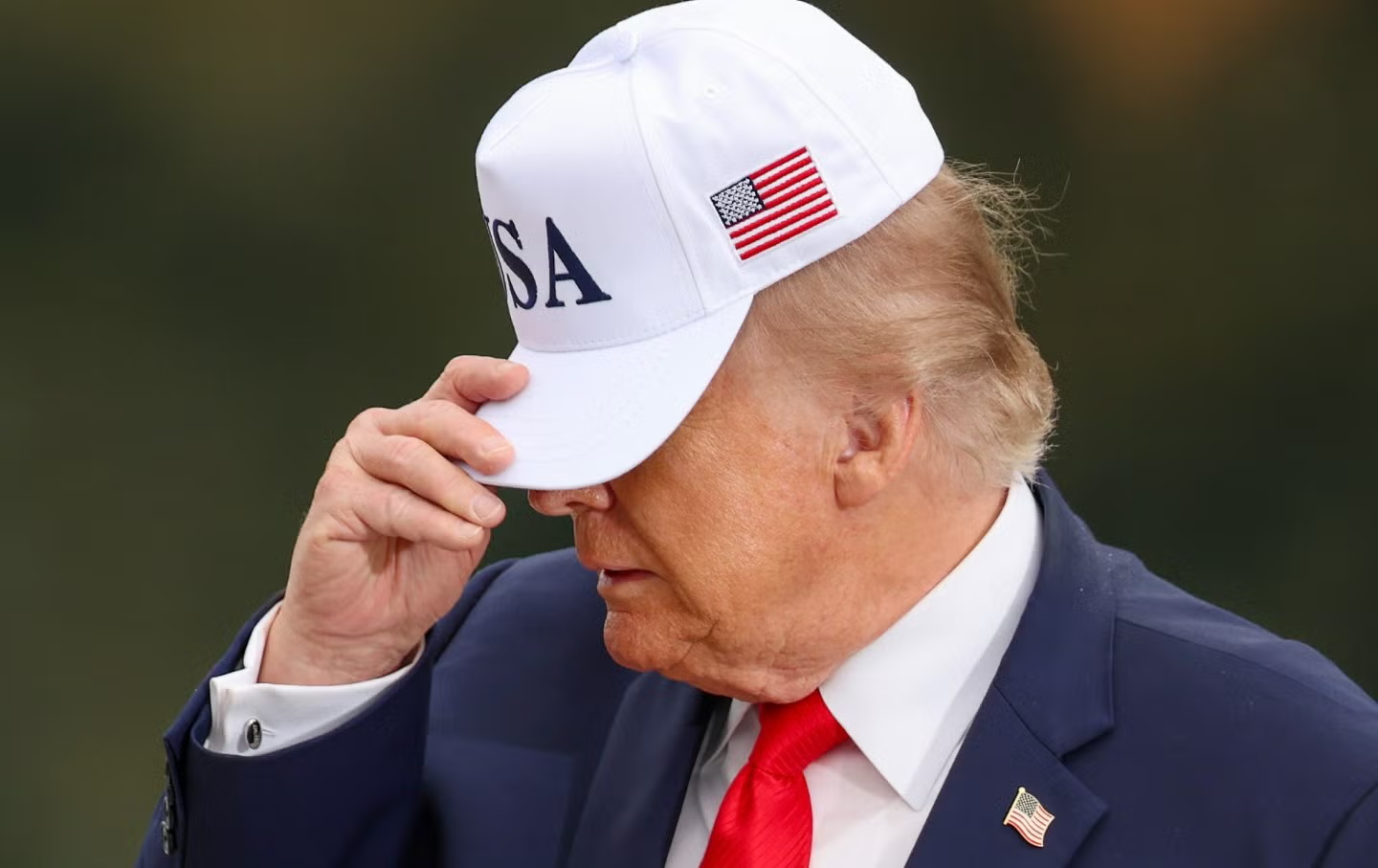
An epic defeat turns the president into a lame duck—and hopefully marks the beginning of the end of the MAGA era.
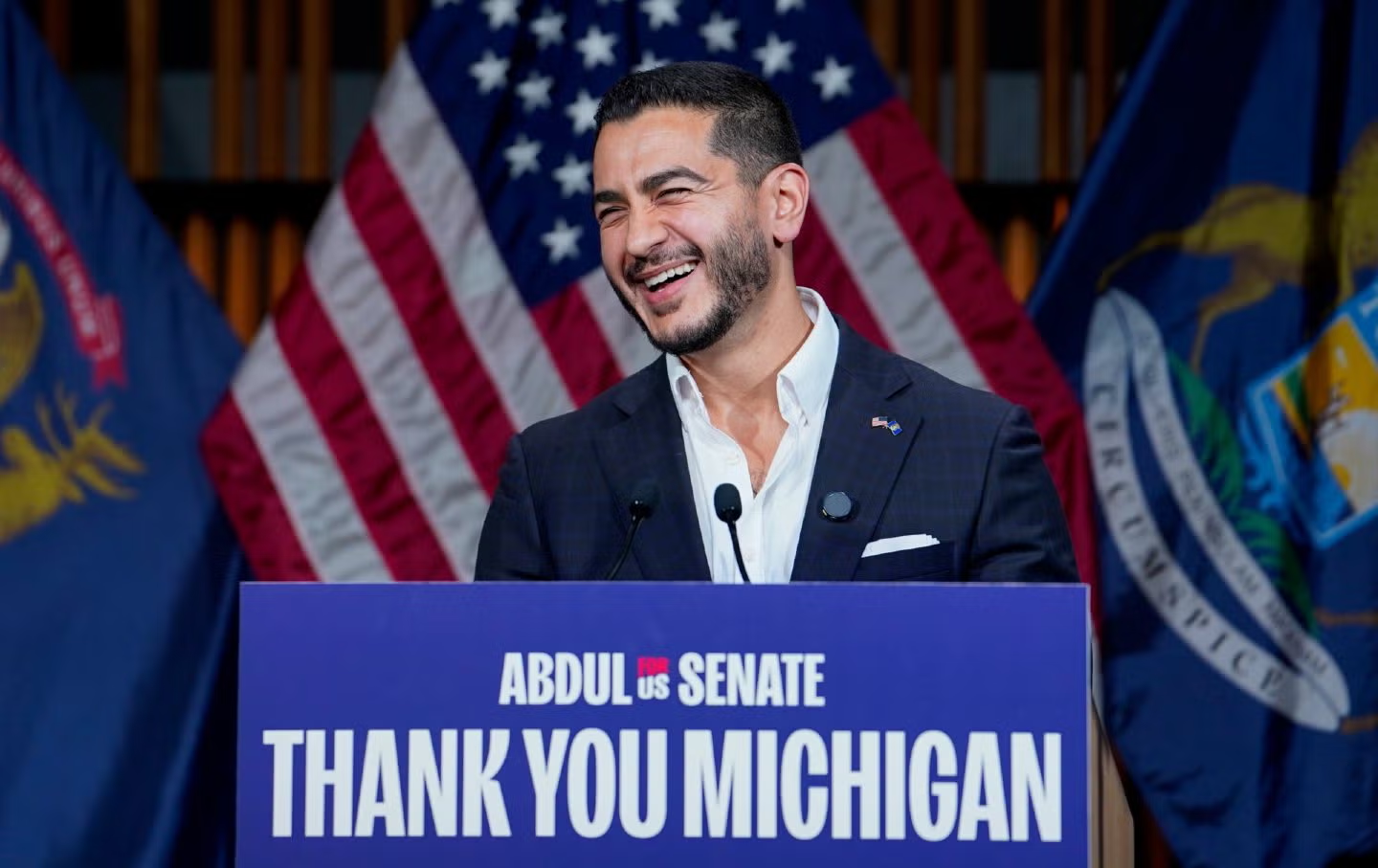
Michigan’s next senator overcame a tidal wave of racism and money—and made history.
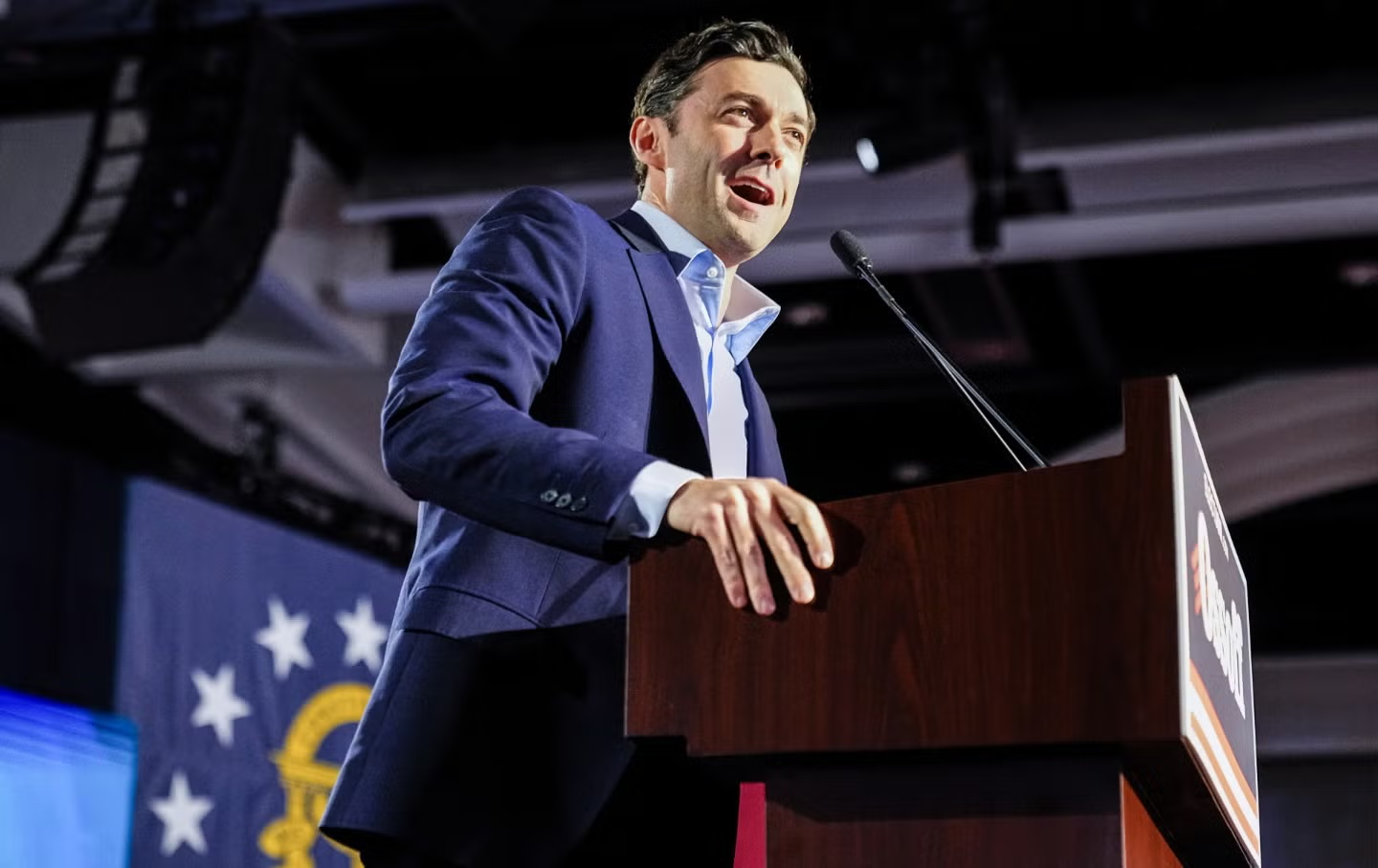
The Georgia Senator was considered the most vulnerable incument this cycle. He cruised to a commanding victory, with lots of lessons for 2028.