
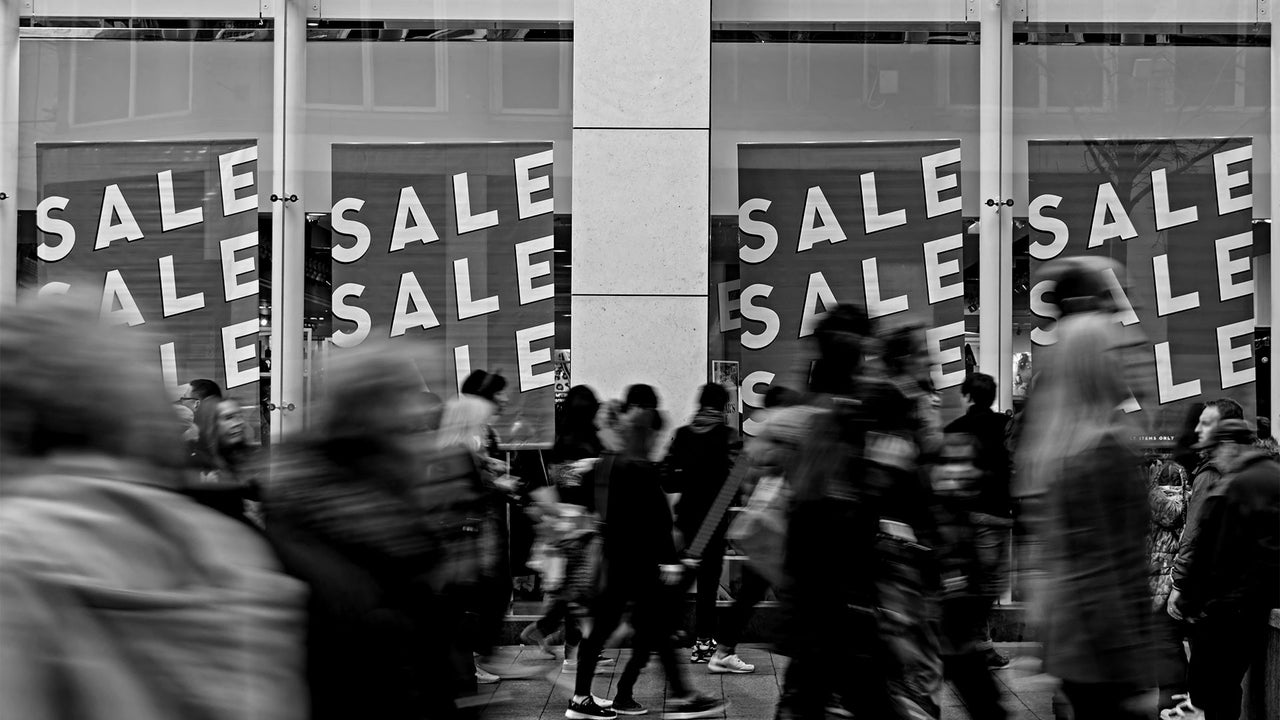
With financial stress mounting for many Americans, scoring deals may be all the more important during the holiday shopping rush.
Over the four-day stretch between Black Friday and Cyber Monday, Americans are projected to spend more than $85 billion, up nearly 9% from 2025, according to a report released Wednesday by Bain & Company. And more than 90% of consumers plan to shop Black Friday, Cyber Monday or another major sales event, according to a survey conducted by the Boston-based management consulting firm.
While some people still crowd into stories in the wee hours of Black Friday to score deals, much of that shopping has moved online in recent years—but that hasn’t quelled the spending frenzy. Black Friday is likely to remain the leading sales day of the holiday season, according to Bain, while Cyber Monday, just a few days later, will likely crack into the top five sales days of 2026.
“Black Friday and Cyber Monday are becoming increasingly important battlegrounds for retailers, especially as U.S. consumers prioritize value and deal-heavy shopping days,” Aaron Cheris, global head of retail at Bain, said in a statement.
Consumers will have some other factors to contend with this holiday shopping season, namely the affordability crisis that’s squeezing their wallets. The latest consumer price index, released Wednesday, showed that inflation rose 3.7% in September on an annual basis, as soaring gas prices are trickling through the broader economy.
Bain expects holiday sales to top $1 trillion this year for the first time, but noted that more than half of consumers plan to change their holiday spending this year, citing higher prices as a main reason why. When the Mastercard Economics Institute released its annual holiday forecast last month, it likewise noted that inflation will be a factor this year—accounting for nearly half of the projected 5.5% gain in U.S. retail sales, excluding automobiles and gasoline, between November 1 and December 24.
HOW RETAILERS ARE LIKELY TO RESPOND
American consumers always seem to find a way to make the holidays festive, even if it’s by adding to their pile of debt. Still, retailers are likely to anticipate that some shoppers are especially price conscious this year.
Indeed, 40% of retailers expect shoppers to be more deal-driven this year, while 26% expect that consumers will prioritize spending on essentials and experiences rather than something discretionary, like a new sweater, according to a report from Narvar, a software platform that manages online shopping experiences.
There are only 29 days between Thanksgiving and Christmas this year—which is on the shorter side of this key holiday shopping stretch—which means that consumers won’t have so many days to score deals. That’s why the four-day period between Black Friday and Cyber Monday could be especially key for retailers, according to Bain.
“Retailers that capitalize on these crucial sales days with personalized promotions, can’t-miss events, and targeted campaigns will set themselves up well for the rest of the holiday shopping season,” Cheris said.