

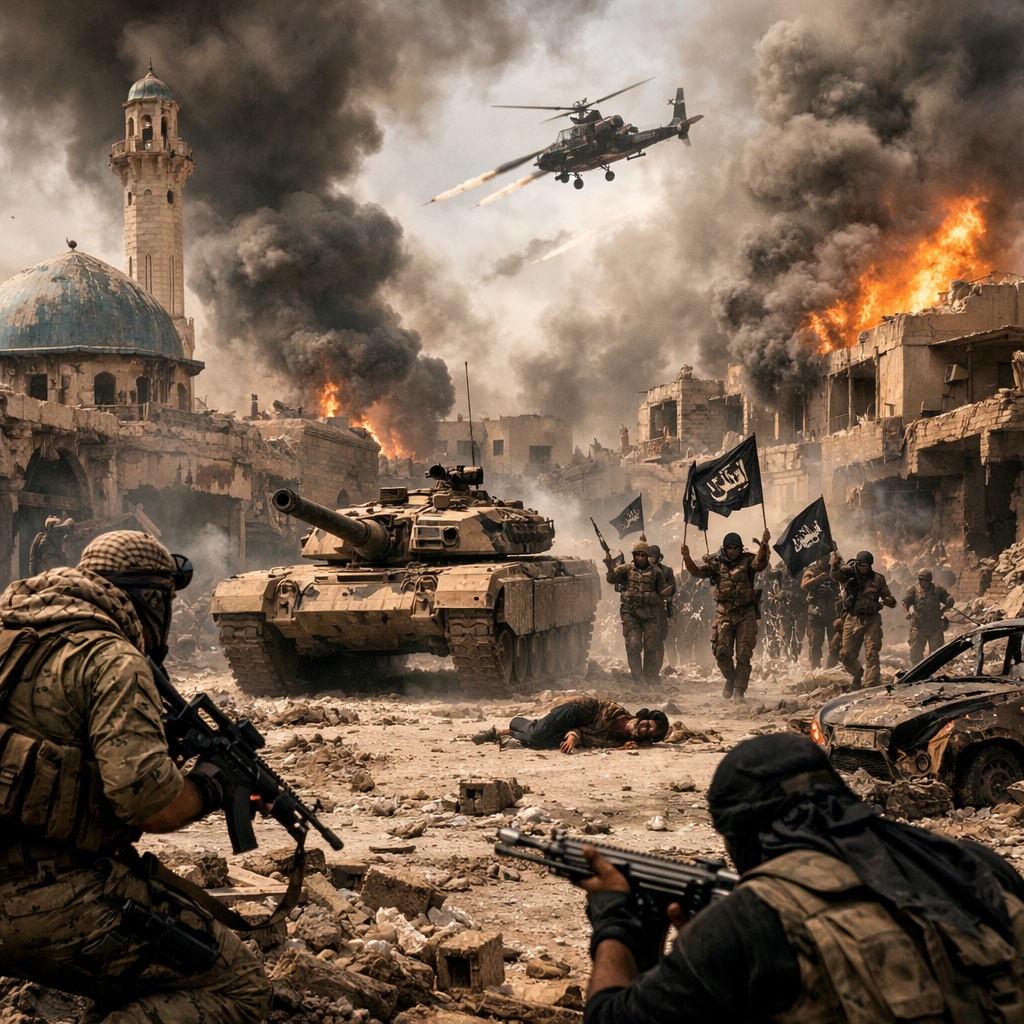
War and sovereign debt are merging into a vicious spiral that will determine which nations survive the coming monetary crisis. Governments entered the conflicts in Ukraine and Iran, along with the escalating confrontation between the United States and China, already buried beneath debt accumulated through decades of fiscal incompetence. Now they are increasing military spending, subsidizing domestic industries, restructuring supply chains, and borrowing even more money to prepare for conflicts their own foreign policies helped create.
The United States, China, France, the United Kingdom, and Japan already carry gross government debt exceeding an entire year of economic output. Russia has drained much of its National Wealth Fund to finance the war in Ukraine while Western governments froze approximately $300 billion in Russian sovereign assets. Gulf states are being forced to expand defense spending amid the conflict with Iran, and Europe has committed itself to raising NATO-related expenditures toward 5% of GDP by 2035. Trump wants to increase annual US defense spending by $500 billion to reach $1.5 trillion, but Washington is already borrowing simply to pay interest on the debt it accumulated before this latest round of wars began.
These people speak about military spending as if the money materializes from thin air without consequences. Government does not possess wealth of its own. Every missile, drone, weapons package, foreign aid program, and military deployment must be financed through taxation, borrowing, or inflation. Taxation drains the productive economy, borrowing competes for private capital, and inflation silently confiscates purchasing power from everyone. Politicians choose debt because it conceals the cost until after the election, allowing them to play emperor today while leaving future generations with the bill.
The yield on the 10-year US Treasury has nearly tripled over five years to 4.3%, which means Washington is financing a vastly larger debt at far higher interest rates. This is elementary mathematics that the political class refuses to confront. A government may survive $10 trillion in debt when rates are near zero, but the same fiscal structure becomes impossible when the debt multiplies and borrowing costs normalize. Every additional dollar devoted to interest is a dollar that cannot maintain infrastructure, reduce taxes, or support genuine economic development. Government then borrows more to cover the interest, increasing the debt that created the problem in the first place.
The attempt to separate national economies from geopolitical rivals will impose another enormous cost. Europe abandoned cheap Russian energy and then wondered why its industries became uncompetitive. The West wants to reduce dependence on Chinese manufacturing and rare earths, but rebuilding those supply chains will require subsidies, tariffs, controls, and years of expensive investment. Iran’s position around the Strait of Hormuz demonstrates how quickly a regional conflict can threaten a route that previously carried roughly one-fifth of the world’s daily oil supply. Every attempt to create economic security through political coercion raises prices, reduces efficiency, and demands still more government borrowing.
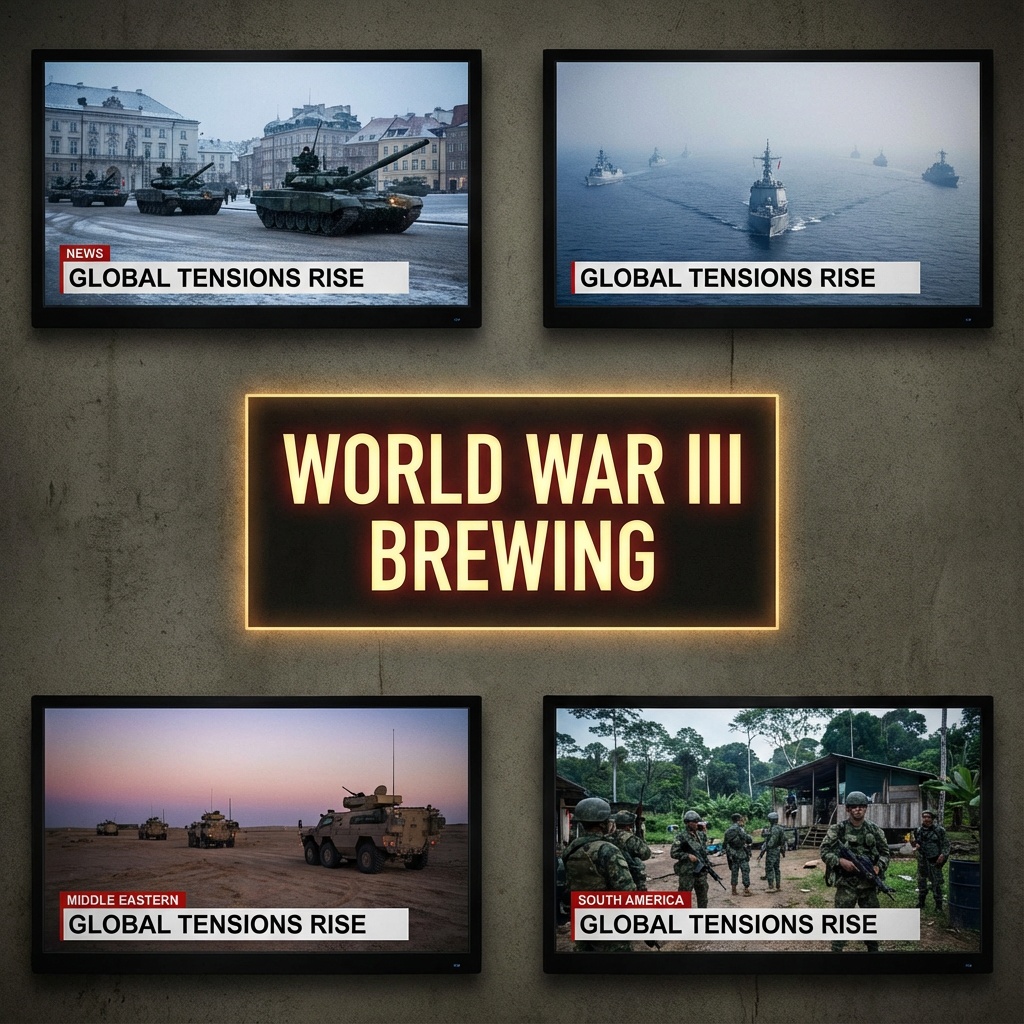
The United States depends on foreign capital after decades of deficits. The value of foreign investments in America exceeds American investments abroad by roughly $27 trillion. Washington’s reserve currency privilege has allowed it to finance military operations, trade deficits, and domestic spending on a scale no other country could sustain. Yet sanctions, the weaponization of payment systems, and the seizure of sovereign assets have encouraged foreign governments to reduce their dependence on the dollar. The United States cannot use the dollar as a political weapon indefinitely while assuming the rest of the world will continue financing its debt without question.
Europe is in an even more desperate position because it has chosen rearmament while its economy stagnates, its population ages, and its welfare state consumes the productive capacity of the private sector. France cannot reform its pension system without civil unrest. Germany destroyed its energy advantage to satisfy Brussels and the climate zealots. Britain is drowning in debt while pretending it remains an imperial military power. These governments cannot finance the promises already made to their citizens, yet they are volunteering hundreds of billions more for a geopolitical confrontation that has no clear objective or exit.
The War Cycle will now intensify the Sovereign Debt Crisis because these are not independent trends. War increases spending and inflation, inflation pushes borrowing costs higher, higher rates worsen the deficit, and deteriorating finances weaken the nation’s ability to sustain the war. Politicians respond by raising taxes, imposing controls, and demanding further sacrifice from the public while refusing to reconsider their own policies. Government becomes more authoritarian as its financial position deteriorates because coercion replaces the confidence it has lost.
The nations that emerge strongest will not necessarily be those possessing the largest armies today. Power will migrate toward the governments capable of financing themselves without destroying their currencies or crushing their domestic economies. The West is entering this struggle with record debt, aging populations, collapsing political trust, and leaders who believe every crisis can be solved with another bond auction. They are preparing for endless war with money they do not have, and the debt required to preserve their power will ultimately become the force that destroys it.