
Close Menu
    Facebook X (Twitter) Instagram
    TRENDING :
    • Leaders shouldn’t toss around the ‘AI’ buzzword in layoffs. Here’s why
    • Unitree’s new robot is like a giant Transformer come to life
    • Want to raise successful kids? Harvard research says it all comes down to 1 simple word
    • Yeti’s wordmark is its best brand asset. It just got rid of it in a new ad
    • Culture is infrastructure—and Stockholm is betting on it
    • Half A Million Waiting In Libya To Invade Europe
    • Anthropic courts mom-and-pop shops with Claude for Small Business
    • They Are LYING About Inflation
    Populist Bulletin
    • Home
    • US Politics
    • World Politics
    • Economy
    • Business
    • Headline News
    Populist Bulletin
    Home»Business»Why your writing practice is failing
    Business 4 Mins Read

    Why your writing practice is failing

    Business 4 Mins Read
    Share Facebook Twitter Pinterest LinkedIn Tumblr Telegram Email Copy Link
    Follow Us
    Google News Flipboard
    Share
    Facebook Twitter LinkedIn Pinterest Email

    I’ve been writing professionally since 2002, and in that time, I’ve experimented with lots of different strategies to keep myself on track. (I’ve been a columnist at Fortune and Fast Company, and am now a contributing writer for The New York Times Opinion Section, in addition to cohosting Slate’s Money podcast, and I’ve been an editor, reporter, and opinion writer for a number of other places.)

    I also have, shall we say, a fragmented attention span, and my therapist likes to routinely bring up how many women my age have undiagnosed ADHD, which I now take as a not-so-subtle hint. So I need systems and routines maybe a bit more than the average person, and it has taken me a while to find the right ones.

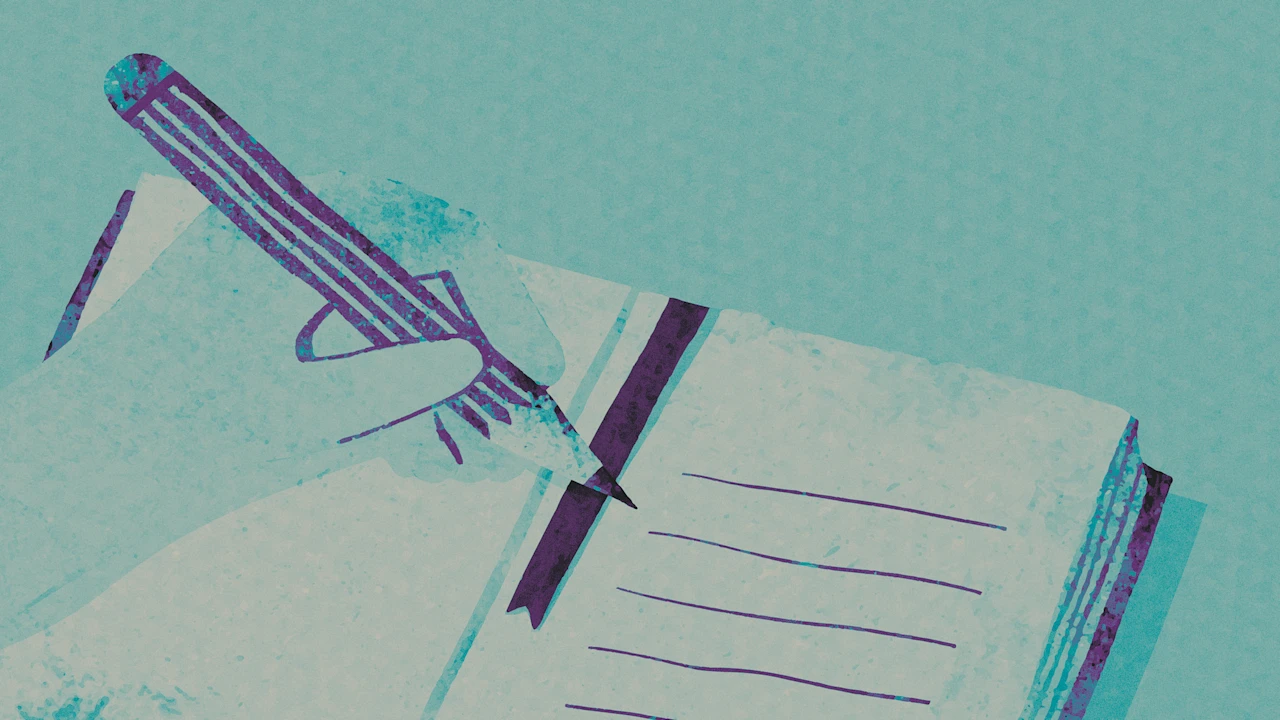
    But I stumbled upon my biggest problem with developing a consistent writing practice by accident when I added a couple of components that focused not on the writing itself, but on idea generation and development. Like most professional writers, I take notes and carry a notebook everywhere, and my journalistic background has primed me to capture details and thoughts even when I’m not on the clock. That said, there was not much consistency to it for a long time, and I didn’t have a process for taking those notes and thoughts and fashioning them into something that might qualify as a good work product, or if I was being really ambitious, art.

    The problem was that I was not giving myself enough raw creative material to work with, and would come up short when I needed to get something onto the page. The system I use now is a combination of physical note-taking, collation, and then review and organization once a month. I am fascinated by and have tried the Zettlekasten method, but it’s way too complicated for me.

    A lightweight solution

    My version is much more lightweight. My physical note-taking is the same, and I added morning pages right when I get up, which more than anything just allows me to clear my head of to-do list items and anxieties so I can think clearly about other things. The nature of my job(s) also means that I can’t stay out of the news cycle or off social, though consuming less of both would certainly enhance my concentration, so I try to cordon it off in time blocks and get much of my writing done before I get sucked into whatever new chaos is brewing in the outside world.

    Once a week, I add notes and references that I think I want to keep to a master file similar to Steven Johnson’s “Spark file” and once a month, I set aside an hour or two on a Sunday to review it and break useful pieces into notes for discrete columns or fiction or wherever I think they belong. As a result, I never really have to sit down to a blank page. There’s always something in progress to work on and new ideas in the pipeline. I don’t have to stare at a screen in an increasing state of despair and desperation until something finally emerges from my addled brain.

    This specific system may not work for everybody, but what I think is generalizable is that it’s hard to keep up a writing practice if you let the well of creativity run dry. It’s important to keep it full, even when you’re not working on anything in particular.

    I’m teaching a Zoom workshop in December on how to make this process work for you and how to set up a creative practice in general, if you’re interested in learning more about how to do this. (Registration and info are here.)

    I’m also interested in what other people do to make their creative practice sustainable, so suggestions and tips are welcome!


    Source link

    Share. Facebook Twitter Pinterest LinkedIn Tumblr Email

    Related Posts

    Leaders shouldn’t toss around the ‘AI’ buzzword in layoffs. Here’s why

    May 14, 2026

    Unitree’s new robot is like a giant Transformer come to life

    May 14, 2026

    Want to raise successful kids? Harvard research says it all comes down to 1 simple word

    May 14, 2026
    Top News
    World Politics 2 Mins Read

    Illegal Alien Convicted Child Sex Offender and Gang Member Discovered Living INSIDE a Daycare in California | The Gateway Pundit

    World Politics 2 Mins Read

    Patrick Divver, Subject Workplace Director for ICE Enforcement and Removing Operations (ERO) in San Diego…

    Cars to AI: How new tech drives demand for specialized materials

    December 11, 2025

    Allbirds has a comeback plan—winning over the fashion crowd

    February 4, 2026

    Mamdani’s Socialist Logic | Armstrong Economics

    December 18, 2025
    Top Trending
    Business 6 Mins Read

    Leaders shouldn’t toss around the ‘AI’ buzzword in layoffs. Here’s why

    Business 6 Mins Read

    Layoffs used to be something that made a company’s stock tank. But…

    Business 5 Mins Read

    Unitree’s new robot is like a giant Transformer come to life

    Business 5 Mins Read

    On May 12, Unitree Robotics founder Wang Xingxing climbed into the chest…

    Business 5 Mins Read

    Want to raise successful kids? Harvard research says it all comes down to 1 simple word

    Business 5 Mins Read

    All writing is autobiographical. Even if you’re not explicitly writing about your own experience, it shows…

    Categories
    • Business
    • Economy
    • Headline News
    • Top News
    • US Politics
    • World Politics
    About us

    The Populist Bulletin was founded with a fervent commitment to inform, inspire, empower and spark meaningful conversations about the economy, business, politics, government accountability, globalization, and the preservation of American cultural heritage.

    We are devoted to delivering straightforward, unfiltered, compelling, relatable stories that resonate with the majority of the American public, while boldly challenging false mainstream narratives that seem to only serve entrenched elitists, and foreign interests.

    Top Picks

    Leaders shouldn’t toss around the ‘AI’ buzzword in layoffs. Here’s why

    May 14, 2026

    Unitree’s new robot is like a giant Transformer come to life

    May 14, 2026

    Want to raise successful kids? Harvard research says it all comes down to 1 simple word

    May 14, 2026
    Categories
    • Business
    • Economy
    • Headline News
    • Top News
    • US Politics
    • World Politics
    Copyright © 2025 Populist Bulletin. All Rights Reserved.

    Type above and press Enter to search. Press Esc to cancel.