
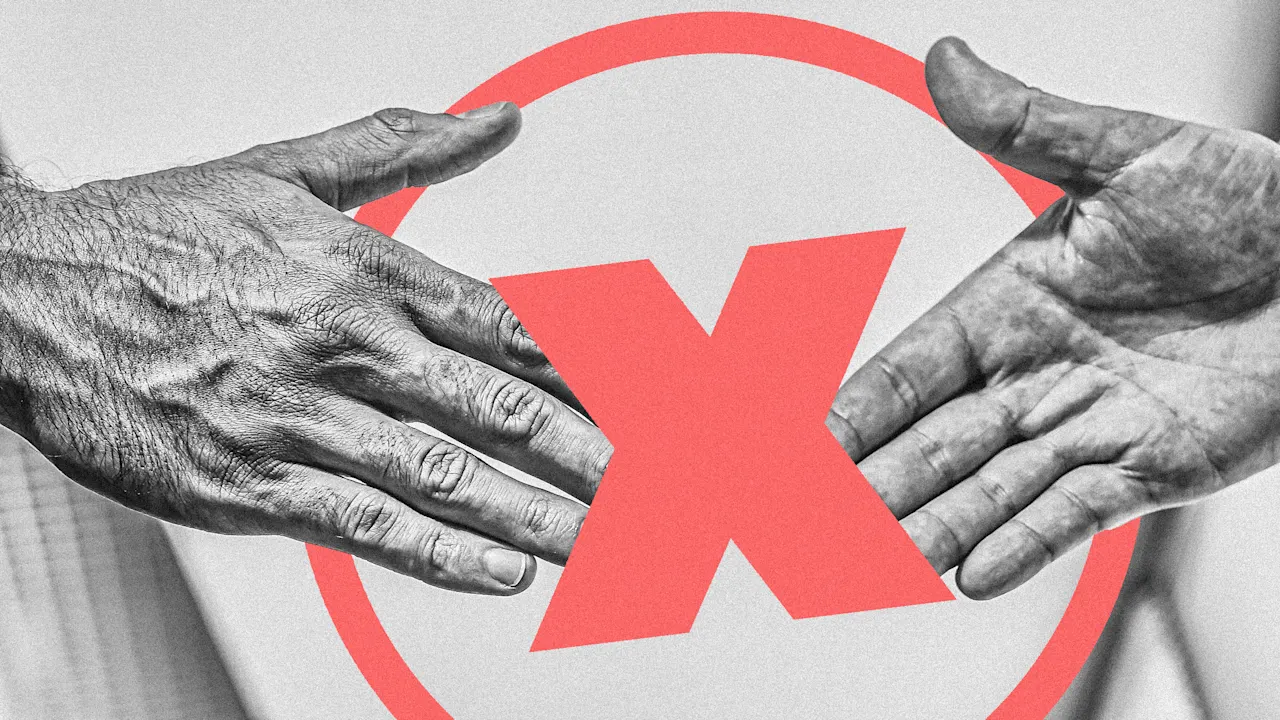
By noon on a recent Tuesday, my calendar had already decided what kind of manager I would be. Back-to-back 1:1 meetings until the end of the day. Nothing was on fire, yet nothing was moving either. That might be fine in a slow cycle. It is not fine when you are releasing new features in real time and your best engineer has three recruiters in her inbox. In this market, teams don’t just compete on comp alone. They compete on how much freedom they have to actually create and build.
We ran a simple test at my company. We canceled the standing 1:1. We kept space for new hires and anything sensitive, like a performance review. Everything else moved to an as needed basis.
The first worry was trust. Would people feel like they lost access to their manager? They did not. Access improved because help arrived at the right moment: in the middle of a decision, during a roadblock, or on a draft that needed real feedback. Not next Tuesday at 2:30.
Leaders I admire do this already. Jensen Huang. Marc Andreessen. Doug Leone.
The weekly 1:1 is a relic of calendar-driven management
The weekly check-in is a habit from an office-first, synchronous work environment. In a remote, product-driven organization, the cost of context switching is high, and most collaboration starts in writing. Recurring 1:1s often slide into status updates or meandering chats. This can be useful at times, yes, but it’s a poor default. I want conversations that are tied to goals, decisions, and growth, within the project timeline.
What replaced the weekly 1:1
We switched to a shared doc and a few well-named Slack channels. Now we use short notes that say what changed, what is blocked, what needs a decision, and tag the right people. Because it is written, we skip the catch-up meeting and we have a record of how and why choices were made.
When we need to make a decision in the moment we jump into a quick huddle. These are small and focused. We leave with one owner and one date. If the topic is fuzzy, we pause and write a brief doc or build a tiny prototype first. Better to spend five minutes getting clear than 30 minutes wandering.
We show work instead of describing it. Rough prototypes carry more information than long explanations. A two-minute screen recording usually gets sharper feedback than a half hour of narration.
I hold open office hours every week for growth, feedback, and sticky problems. People come when they need it instead of me trying to guess who might benefit from the time. It works like a help desk for humans.
Some topics do need group discussion, so we have small group sessions for things like what to prioritize or writing cleaner product requirement documents. We record them so the advice becomes reusable, and people can learn from one another instead of hearing me repeat the same paragraph 10 times.
We also created a simple rubric so everyone knows what kind of communication to use: async for status updates and FYIs, huddle for a decision, office hours for coaching, immediate 1:1 for anything sensitive.
What actually improved
Focus came back first. With fewer standing meetings people had real blocks of time to build. Writing forced clarity and huddles only happened when a live discussion would change the outcome, which meant we got faster at making decisions. Coaching got better. Instead of delivering the same guidance across 10 separate 1:1s I deliver it once at higher quality and make it accessible to all. Documentation improved because conversations start in writing and end with visible decisions.
You can feel these gains. The calendar is lighter. The work moves.
There is a talent angle, too. People choose environments where progress beats ceremony. Protect attention and show up at the right moments, and you keep great teammates. Waste it, and you teach them to take recruiter calls.
Guardrails that keep it human
This only works if it’s humane. New hires keep a weekly 1:1 for the first month or two, then we taper as they find their footing. Anything personal goes straight to a private conversation: performance, compensation, and hard sensitive feedback.
The cadence is variable because the work is variable. Sometimes I need to meet someone three times in two days. Other times, we are on separate tracks, and a check-in every few months is enough, or we cover it in a larger group.
We rotate huddle times across time zones and publish response expectations so access is not personality-based. And the manager’s job does not shrink. You still watch for quiet voices, stuck work, and moments to recognize people. If you miss hallway moments, create them on purpose. Light coffee chats. Demo open houses. The occasional in-person day. Serendipity scales better with a little planning.
This isn’t about being contrarian or cutting meetings for sport. It’s about building a system that gives people time to do meaningful work and gives managers better ways to support them.
Run the 30-day test with your team. Protect the obvious exceptions. Hold yourself to the same standards you set for others. If your calendar feels lighter, your writing is sharper, and decisions aren’t stalling, keep going. If not, bring the weekly 1:1 back.
The point isn’t the ritual. The point is building a way of working where smart people can do their best work and feel supported while they do it.