

Apple was the last champion of the “pay once, own forever” crowd, a safe harbor for some of the creatives fleeing Adobe’s monthly ransom. Now it has introduced Creator Studio, its own subscription-based offering that bundles together tools including Final Cut Pro, Logic Pro, Pixelmator Pro, Motion, Compressor, and MainStage (as well as newly AI-infused productivity apps like Pages and Numbers).
There are already two major creative suites out there: Adobe Creative Cloud and Canva. The former is clearly oriented to the high-end, enterprise, and prosumer spaces, with heavyweight apps like Photoshop, Premiere, and Illustrator. The latter focuses on individuals, small companies, and enterprises, with a strong productivity and template-based creative suite that has recently been expanded with free professional creative tools.
With Creator Studio, however, Apple has put a bunch of tools into a brown paper bag of confusion: The assortment is too complex for the Canva crowd yet underpowered compared to the Adobe suite.
Stiff competition
Adobe CC is the true bundle for creators. It covers every industry: design, publishing, motion design, video, audio, and even office productivity via Acrobat. For $70 per month—no perpetual, one-time-payment licenses available anymore—you get all you need, plus Adobe’s AI, Firefly. In fact, for most people it’s overkill. Not many people do even a third of what Adobe CC covers. This is why so many people are fed up with their subscription model (worth noting: It still has about 41 million paying users).
Canva is an all-in-one bundle for everyday creators: a browser-first suite that makes it easy to design social posts, presentations, simple videos, print materials, and brand kits without needing pro expertise. It’s built around a cloud account with a big free tier, plus paid plans ($15/month for individuals and $10/month per user for the teams version) that include AI tools. For a while, Canva was “enough” for 90% of what people make, and anything heavier—like advanced photo compositing, full motion graphics pipelines, high-end audio—usually lived elsewhere. Now, however, they’ve added free perpetual licenses for the Affinity suite, which competes with Photoshop, Illustrator, and InDesign.
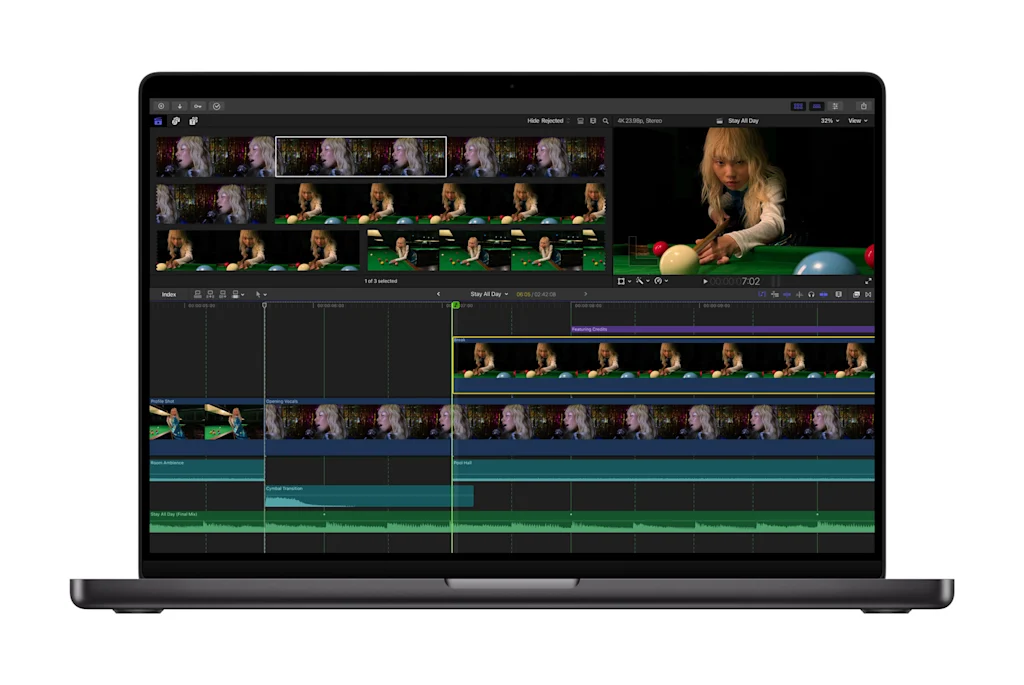
Both of them are coherent in their focus and power in their own way. That’s not really something you can say about Apple’s new $13 monthly subscription package. Apple is asking us to pay for a hodgepodge of apps where the flagship video editor, Final Cut Pro (FCP), may not even be the runner-up anymore. Outside of very high-end video editing—still dominated by Avid—Adobe Premiere Pro sits comfortably at the top of the market share charts with an estimated 30 million users in 2024. I say “estimated,” because Adobe hasn’t released official numbers. Like Apple, which last claimed Final Cut Pro had 2.5 million users in 2018. A lot has changed since that year, and many video editors now argue that Blackmagic Design’s Resolve is the best video editor (and it is free).
Another main plate in the Creator Studio is the newly acquired Pixelmator Pro, which Apple is seemingly positioning as its Photoshop killer. If you want a potential Adobe killer, you look at Affinity. Now owned by Canva, the Affinity suite (Photo, Designer, Publisher) is a genuine triple-threat that rivals Photoshop, Illustrator, and InDesign with a free (again, there are free options for most of the Apple and Adobe apps) price tag.
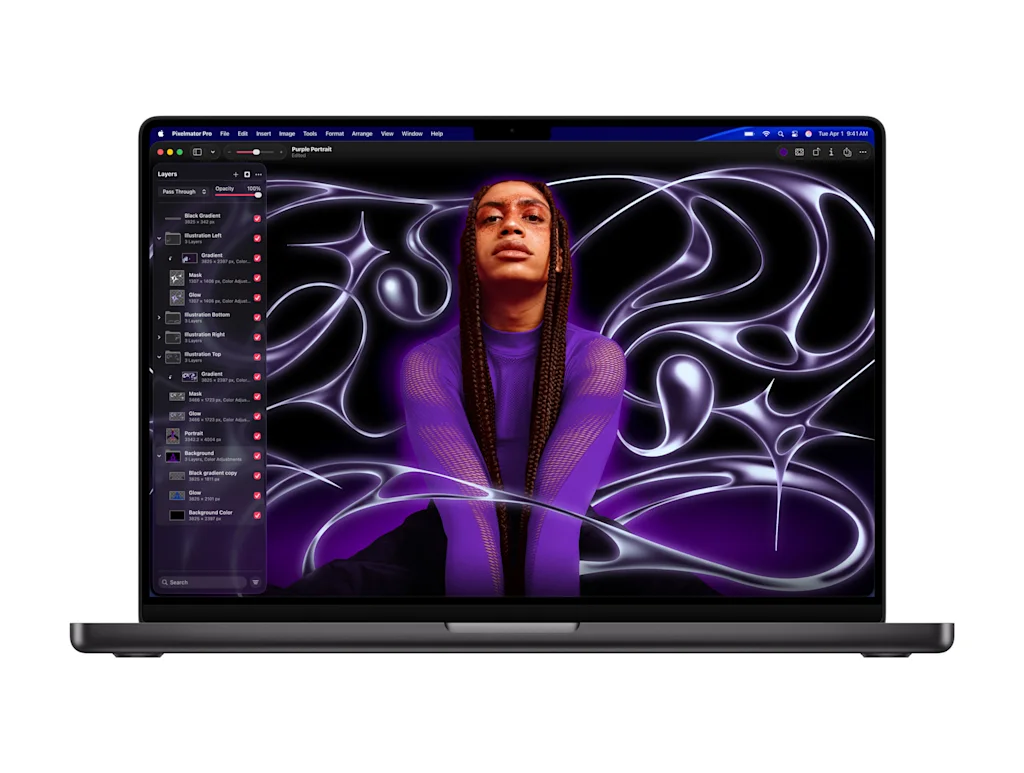
Affinity reportedly added 1 million users in a single week. Pixelmator Pro just can’t compete with that. It’s a lovely app, but pretending it replaces Adobe’s pro design tools or Affinity is like saying a go-kart can replace a Formula 1 car because they both have wheels. (By the way, if you own Pixelmator Pro, you will be forced to subscribe to Creator Studio because Apple says that your license will not receive any updates. A hint of what’s to come.)
The AI card doesn’t cut it
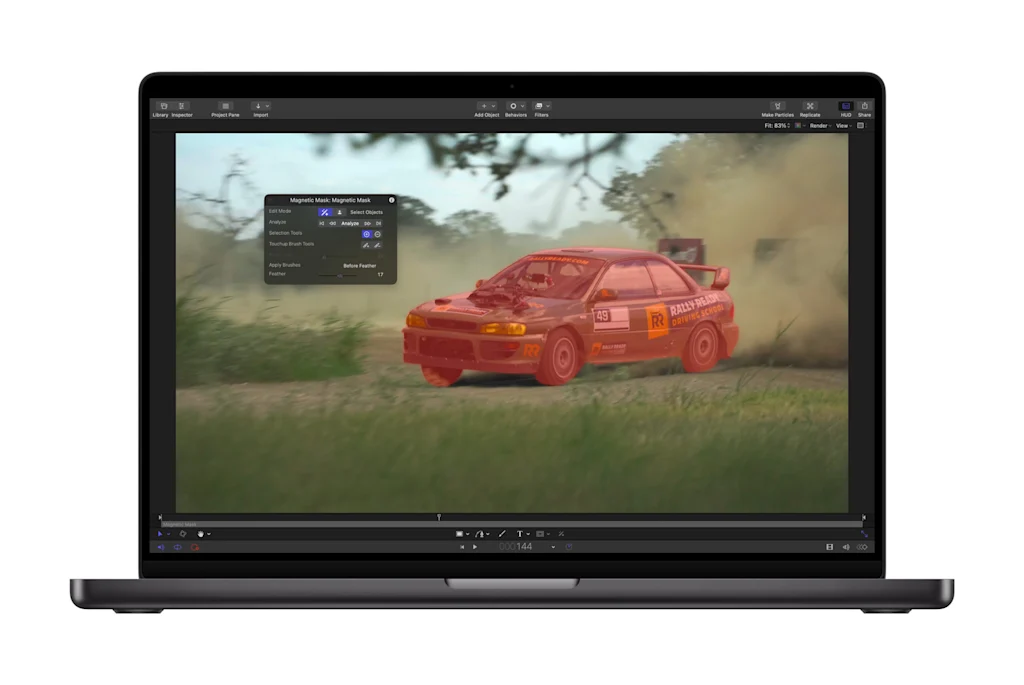
To compensate, Apple is dangling “exclusive intelligent features” as the primary reason to subscribe, locking automated tools—like Logic Pro’s new session players and Final Cut’s magnetic mask—behind the paywall. It’s a weak card to play, especially when you consider how far behind Apple has fallen in the AI races. Are people going to value access to these AI tools enough to justify Creator Studio’s $13 monthly payment? Time will tell.
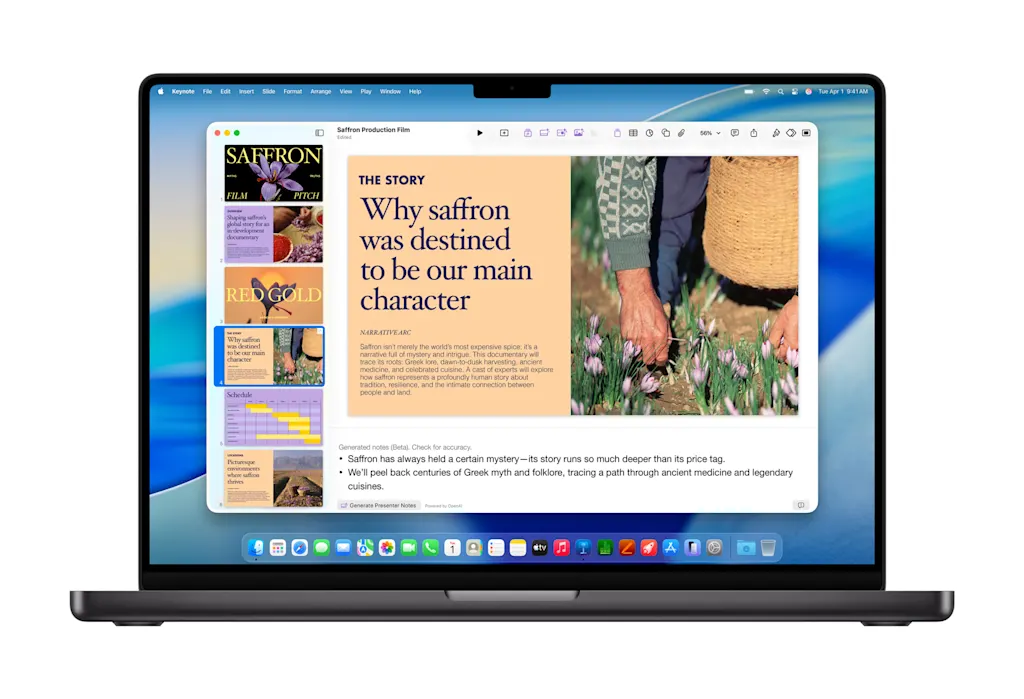
And what in the world are Pages, Numbers, and Keynote doing here? These productivity apps were already free and were never pro, no matter how many AI features you add to them. Why would a creative person pay for a free word processor that hasn’t meaningfully evolved in years? Or a spreadsheet that is a joke compared to Excel? And sure, Keynote is slick, but have you heard about Canva? Or Google Slides, for that matter?
Who is Creator Studio actually for?
The only logical customer I can think of is someone like a YouTuber—your typical solo creator who edits videos, can cook something in Logic Pro, and needs to slap together a thumbnail in Pixelmator. For them, paying $129 a year is a steal compared to Adobe’s $600. But that’s a narrow slice of the $56-billion creator economy Apple claims to target.
Musicians using Logic Pro (perhaps the only Creator Studio tool that still has the crown in its respective industry) probably don’t need a video editor. Video editors using Final Cut don’t need a spreadsheet app. And so on.
Judging by this thread on Reddit or this one in an Apple user forum, people seem to agree that this is a bad move—people are tired of subscriptions. Even fan publications like Apple Insider have slammed the move. Apple users fear that eventually the company will kill the one-time-only licenses and force everyone into the subscription model. While Apple hasn’t replied yet to questions about the potential future end of licenses (we will update the article when/if they do), it’s the shareholder-friendly thing to do.