
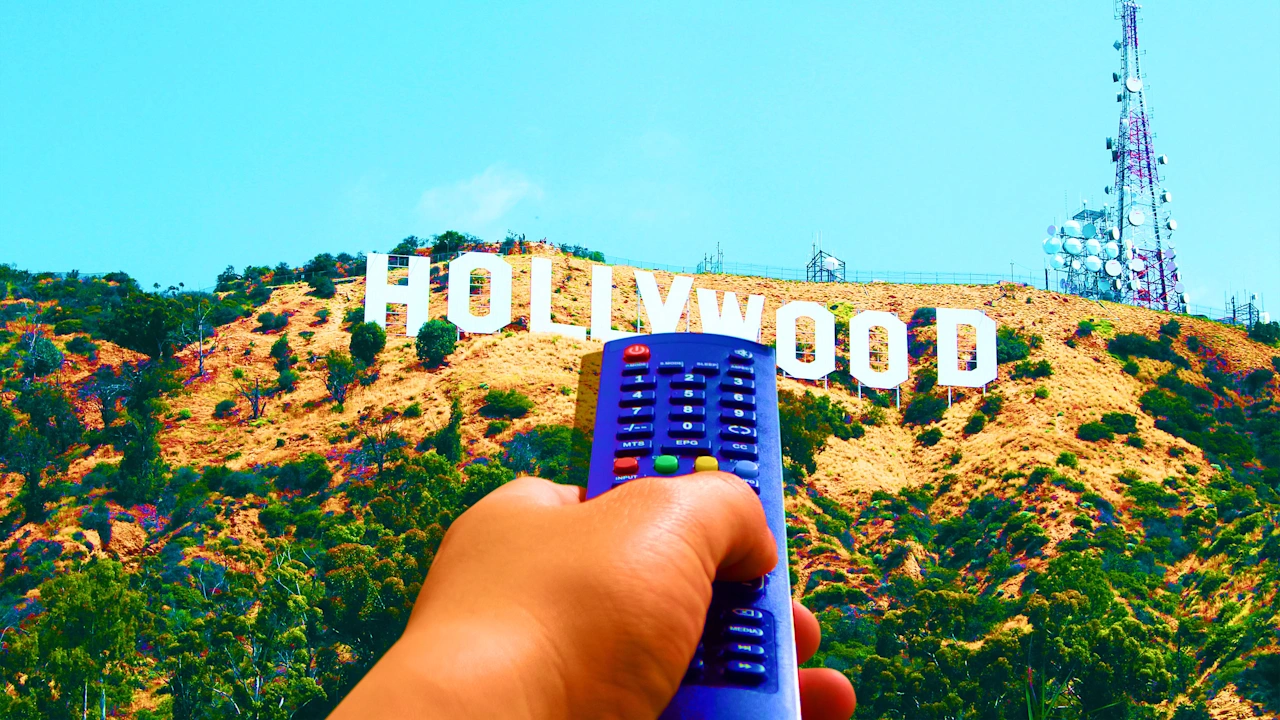
One of Hollywood’s crown jewels is on the block: WarnerBros. Discovery, the parent company of HBO, CNN, and major movie franchises like Harry Potter and the D.C. universe, officially confirmed this week that it is open to a sale. The company has already received multiple offers, but wouldn’t disclose any of the parties bidding for its assets; potential acquirers reportedly include Paramount Skydance, Netflix, Comcast, Amazon and Apple – a who’s who of the modern streaming landscape.
The disclosure followed public overtures from Paramount, which reportedly was willing to pay as much as $24 per share, or around $60 billion total, for the publicly traded media company. WarnerBros. Discovery rejected that offer as too low, and hopes to drum up additional interest by publicly putting itself up for sale. Any potential deal, regardless of the ultimate identity of the winning bidder, will almost inevitably reshape the streaming landscape, which in turn could have major consequences for consumers.
The proposed sale is also a testament to how much the media landscape has changed since the pandemic, when consumers flocked in droves to streaming, abandoning traditional pay TV in the process. 83% of consumers now watch streaming TV, according to a recent Pew survey. Within just a few years, streaming has become ubiquitous – and at the same time a victim of its own success, with little room to grow any further.
“A lot of the major streaming services are looking at slowing subscriber growth,” says Omdia media & entertainment analyst Paul Erickson. “If you really are looking to substantially grow your presence, you’ll have to make a big move.” Like buying a $60 billion entertainment giant, for instance.
This won’t stop the decline of traditional TV
Not all potential bidders are willing to pay as much as Paramount, or take over all of Warner Bros. Discovery, for that matter. “We have no interest in owning legacy media networks,” said Netflix co-CEO Ted Sarandos during his company’s earnings call this week. Sarandos didn’t directly comment on his company’s talks with WarnerBros. Discovery, but the streamer is said to be interested in getting its hands on big HBO shows and movies and the studio that produces them, not the company’s TV networks.
The same is likely true for potential big tech buyers like Apple and Amazon, and for good reason. Traditional TV networks have been shedding viewers for years, and are increasingly losing advertisers to streaming as well. That’s why WarnerBros. Discovery had planned to spin off its own TV networks into a separate company next year, something that Comcast subsidiary NBCUniversal is also doing.
Paramount Skydance CEO David Ellison has expressed more confidence in the future of traditional TV. “Ellison has said that he wants to revitalize the linear side of the business at Paramount,” says Erickson.
But even that likely wouldn’t change the broader shifts in the entertainment industry. Media companies have already begun to consolidate and shutter a number of traditional TV networks — WarnerBros. Discovery closed four networks this summer alone. UniversalKids, a network run by Comcast subsidiary NBCUNiversal, shut down earlier this year, and Paramount will shutter five MTV channels in the UK by the end of the year. Additional closures are likely as eyeballs and investments continue to move to streaming.
Apps may also start to disappear
But consumers shouldn’t just get ready for TV networks to disappear from their program guide. Any acquisition of WarnerBros. Discovery will likely also lead to some streaming services consolidation, with fewer app icons vying for our attention when we turn on the TV.
All of the reported bidders already operate their own streaming services. The company they’re looking to buy, WarnerBros. Discovery, not only runs HBO Max, but also Discovery+, with both services already sharing overlapping catalogs. It’s unlikely that any buyer would want to operate three or more paid services that all compete with each other.
“Financially, it makes sense to not maintain development staff for separate apps,” says Erickson. “It would be better, long-term, to merge them together. If not merging the brand, at least functionally merging [the services] within a single experience, a single app.”
Instead of having a separate HBO Max app on their TV, consumers may in the future find all of HBO’s content within a dedicated section of another streaming service. However, getting such integrations right can be challenging as well.“Easy to say, hard to do,” , Erickson concedes.
A merger could make TV viewing more confusing
WarnerBros. Discovery is itself no stranger to those challenges. Back in 2020, when the company was still known as WarnerMedia, it launched the HBO Max streaming service as a way to more directly compete with Netflix. The thinking at the time was to position HBO’s brand, and hugely successful shows like Game of Thrones, as the service’s crown jewels, while also adding a bunch of other stuff from the company’s other TV networks and massive back catalog – shows like Friends, South Park and Rick & Morty. HBO, and then some: That’s what the Max part of the branding was supposed to stand for.
Following the merger with Discovery in 2022, HBO Max’s value proposition got even more muddled, as the service also started to stream reality TV fare from HGTV and TLC, documentaries from the Discovery Channel and cooking competitions from the Food Network – all formats that had little in common with HBO’s trademark high-profile dramas.
The company tried to reflect that change by dropping HBO from the service’s name, rebranding it as just Max. “WarnerBros. Discovery tried to unite too many worlds,” says Tracy Swedlow, co-producer of The TV of Tomorrow Show (TVOT). “Stretched thin and without a clear vision, it became a patchwork of brands with no identity.”
Consumers were extremely confused by the name change, with some wondering whether they had lost access to HBO altogether. WarnerBros. Discovery also realized that most subscribers just didn’t care all that much about the non-HBO content hosted on the service. This May, WarnerBros. Discovery backpedaled and renamed the service HBO Max again, with executives committing to refocus on HBO as its core strength.
An acquirer will have to walk a fine line between maximizing the value of the HBO brand while keeping things simple for consumers. “There is considerable brand equity in the HBO brand,” says Erickson. “It could be that the HBO Max service goes away, but the HBO brand lives on.”
“I am hopeful we’ll see a reinvention of this legendary brand’s remaining extraordinary assets,” Swedlow adds.
Streaming is bound to get more expensive
Any potential buyer will have to put up a lot of money for WarnerBros. Discovery – money that shareholders will ultimately want to see recouped. That will almost inevitably lead to further price increases for streaming services. “There’s a lot of upward pressure on pricing in streaming,” Erickson says.
Consumers have already faced multiple price increases in recent months. HBO Max announced just a few days ago that it is raising the cost of its streaming plans by $1-$2 per month. Prices for Disney+ went up by $2-$3 per month this week; Apple and Netflix also increased prices for their services this year.
A lot of those price increases are due to increased investments in live sports, which tends to be one of the most expensive content segments for streamers and TV networks alike. However, with streaming services reaching a point of market saturation, and consumers still feeling the pinch from inflation, there’s a limit to what any acquirer will be able to pay for a future streaming service that includes HBO’s shows.
“Price rises will have to stop someplace, before they alienate consumers,” Erickson says.