
Close Menu
    Facebook X (Twitter) Instagram
    TRENDING :
    • The speed of change splintered Gen Z into micro-generations
    • Tech layoffs this week: Cloudflare, Coinbase, Upwork, and others point to AI as they slash jobs
    • Advanced Trading Webinar Returns June 26–27 After Sellout Demand
    • There’s a reason data centers don’t look like castles, the Shire, or a spa
    • Reflections on Hungary as Viktor Orbán Exits
    • Kalshi’s $22 billion problem 
    • Google used to be a search engine. Now it wants to be everything
    • If you’re looking for a modern BlackBerry-style phone, this is the one to beat
    Populist Bulletin
    • Home
    • US Politics
    • World Politics
    • Economy
    • Business
    • Headline News
    Populist Bulletin
    Home»Business»‘We stole Lululemon’s designs and made them less terrible for the environment’
    Business 4 Mins Read

    ‘We stole Lululemon’s designs and made them less terrible for the environment’

    Business 4 Mins Read
    Share Facebook Twitter Pinterest LinkedIn Tumblr Telegram Email Copy Link
    Follow Us
    Google News Flipboard
    Share
    Facebook Twitter LinkedIn Pinterest Email


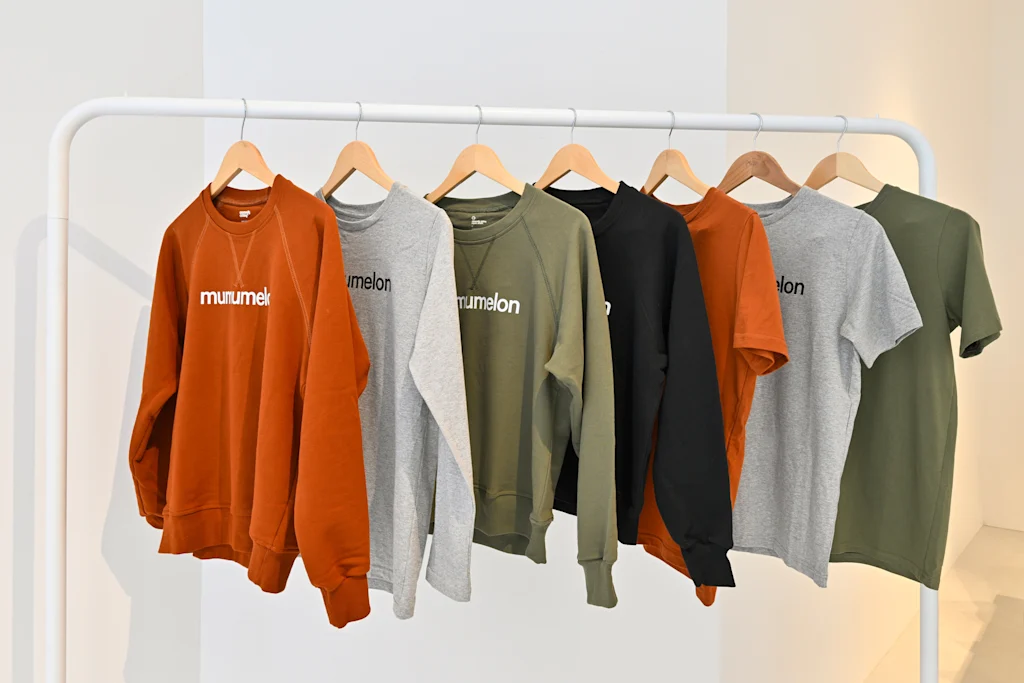
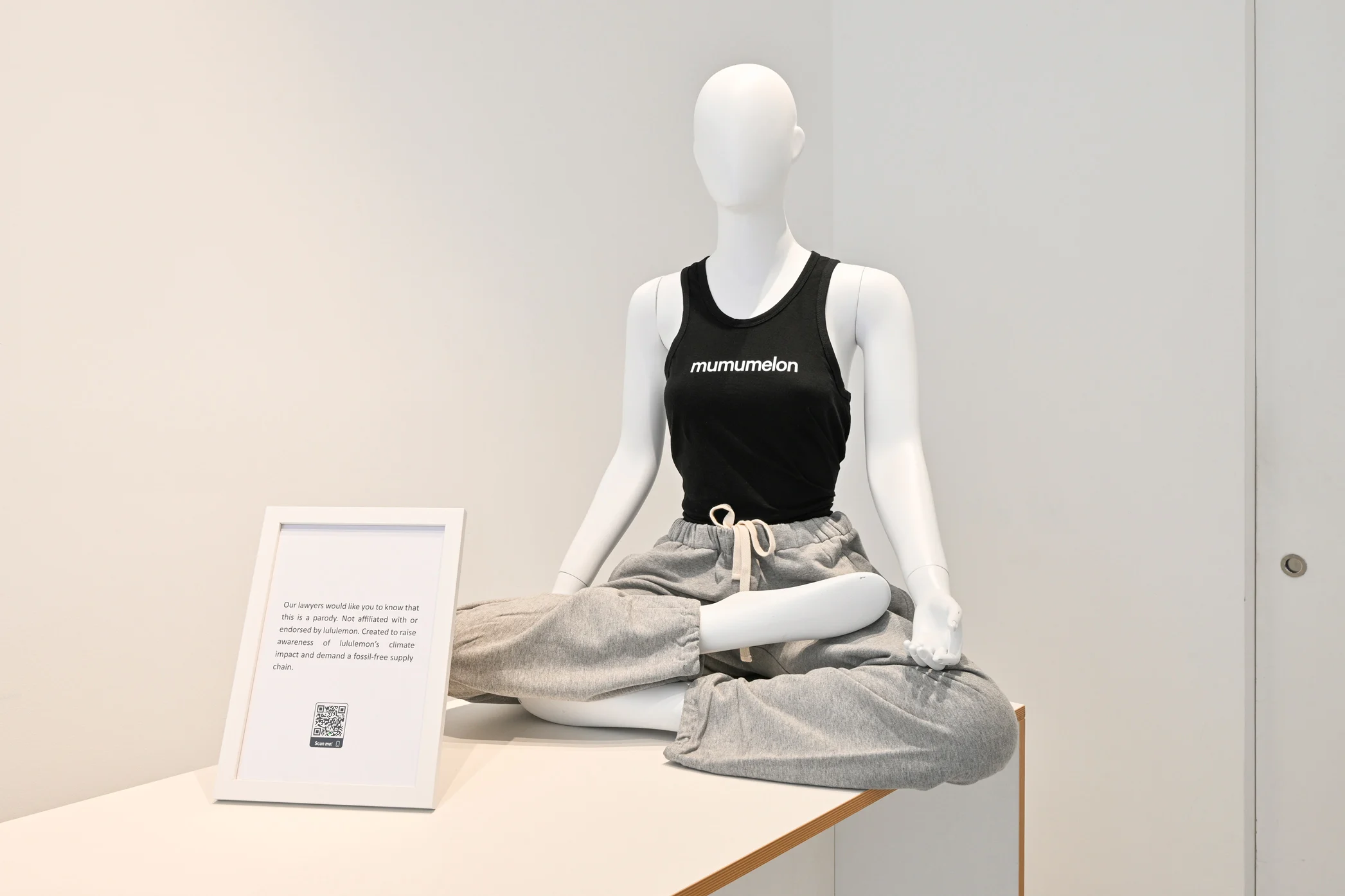
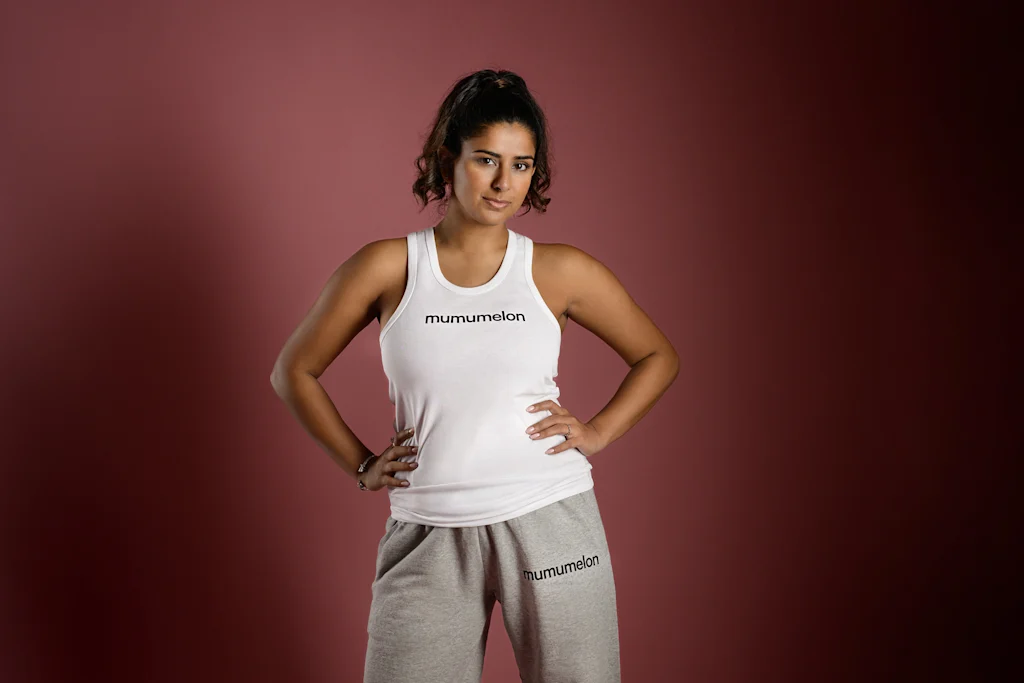
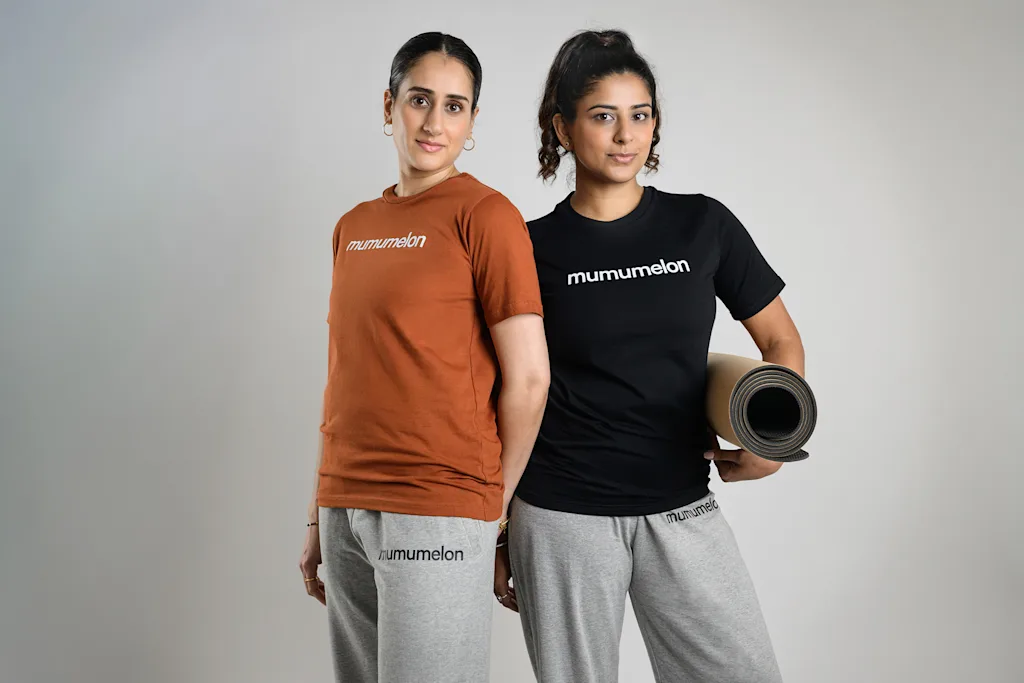
    “Same soulless vibes. Fewer fossil fuels.” So says the website for Mumumelon, a new project that made exact dupes of Lululemon staples like hoodies and yoga pants—but with renewable energy and a detailed plan to cut emissions.

    Inside a fake pop-up store in London in late March, a fake employee gave customers the pitch: “We stole Lululemon’s designs and made them less terrible for the environment.”

    “We’ve been campaigning on Lululemon for a few years now to push them to invest in the renewable energy transition and phase out fossil fuels from their supply chain,” says Ruth MacGilp, a climate campaigner at the advocacy group Action Speaks Louder. “We wanted to do something a bit more creative.” (Lululemon said in a statement that it was “disappointed” with the nonprofit’s approach.)

    [Photo: courtesy Action Speaks Louder]

    The website lays out the basic challenge: like most clothing brands, Lululemon’s emissions keep going up. The company committed to transition to renewable electricity at factories, in part after pressure from Action Speaks Louder. But it has moved slowly, and missed a goal to reach 25% renewable electricity last year. Electricity also isn’t the only problem. The majority of its emissions actually come from heat used in industrial processes at factories, MacGlip says, including boilers that run on coal.
    [Photo: courtesy Action Speaks Louder]

    “The majority of energy is actually in the form of process heat, and in fashion generally that comes from burning fossil fuels to generate hot water and steam,” she says. “The alternative to fossil fuels for heat is using electricity, but what has to happen first is those processes have to be electrified through technologies like heat pumps and electric boilers. And that’s not yet common practice in the fashion industry. It’s commercially available technology, but it hasn’t yet scaled.”

    The group argues that as a major brand, with $11 billion in sales last year, Lululemon can afford to move faster. The company positions itself as committed to sustainability, and it’s something that its core customers care about. The campaign targeted yoga influencers, who’ve started tagging the company in posts saying how disappointed they are.
    [Photo: Karen Yeomans/courtesy Action Speaks Louder]

    “We hope that helps put it higher up the priority list than if it was just us as a nonprofit saying the same thing,” says MacGlip, who says that she’s had a meeting with the company since the campaign launched.

    In its statement, Lululemon defended its sustainability work, saying that it is “continuing to make meaningful progress” on its goals. “Climate action and worker wellbeing are key focus areas for us, and we have achieved a 60% absolute reduction of greenhouse emissions in our owned and operated facilities. We recognize most of our climate impact comes from emissions in our broader supply chain. We are investing in scaling environmental solutions across our shared supply chain and advancing circular innovation with a focus on making our products with preferred materials, such as recycled nylon and polyester.”
    [Photo: Karen Yeomans/courtesy Action Speaks Louder]

    A creative agency called Serious People created the fake brand and store for the campaign as a way to engage people more than a typical dry report. “It’s hard for someone online to share a piece of content that says, ‘This company is really bad for the environment,’” says Oli Frost, the satirist behind the campaign. “It’s easy to share something that just says, ‘Hey, they did this thing—Mumumelon.”

    [Photo: courtesy Action Speaks Louder]

    The biggest challenge, he says, is that people actually wanted to buy the clothing when they found out how it was made. “They were a little bit disappointed when I said they couldn’t buy anything,” he says. “But obviously, for legal reasons, we were advised not to place the clothing on sale.”


    Source link

    Share. Facebook Twitter Pinterest LinkedIn Tumblr Email

    Related Posts

    The speed of change splintered Gen Z into micro-generations

    May 8, 2026

    Tech layoffs this week: Cloudflare, Coinbase, Upwork, and others point to AI as they slash jobs

    May 8, 2026

    There’s a reason data centers don’t look like castles, the Shire, or a spa

    May 8, 2026
    Top News
    World Politics 6 Mins Read

    West Virginia, South Carolina, Ohio to Deploy National Guard in Support of DC Crime Crackdown

    World Politics 6 Mins Read

    This article was originally published  by The Epoch Times: West Virginia, South Carolina, Ohio to…

    7 Essential Craft Resources for Every DIYer

    April 25, 2026

    What fog and gravity can teach us about urbanism

    October 10, 2025

    Mamdani Touts a Stunning View of the City, but Struggles to Clear the Sidewalks

    February 5, 2026
    Top Trending
    Business 5 Mins Read

    The speed of change splintered Gen Z into micro-generations

    Business 5 Mins Read

    It made sense 50 years ago to market to entire generations as…

    Business 4 Mins Read

    Tech layoffs this week: Cloudflare, Coinbase, Upwork, and others point to AI as they slash jobs

    Business 4 Mins Read

    April was not a good month for the tech industry in terms…

    Economy 2 Mins Read

    Advanced Trading Webinar Returns June 26–27 After Sellout Demand

    Economy 2 Mins Read

    Sold Out — Due to Overwhelming Demand, A Second Advanced Trading Webinar…

    Categories
    • Business
    • Economy
    • Headline News
    • Top News
    • US Politics
    • World Politics
    About us

    The Populist Bulletin was founded with a fervent commitment to inform, inspire, empower and spark meaningful conversations about the economy, business, politics, government accountability, globalization, and the preservation of American cultural heritage.

    We are devoted to delivering straightforward, unfiltered, compelling, relatable stories that resonate with the majority of the American public, while boldly challenging false mainstream narratives that seem to only serve entrenched elitists, and foreign interests.

    Top Picks

    The speed of change splintered Gen Z into micro-generations

    May 8, 2026

    Tech layoffs this week: Cloudflare, Coinbase, Upwork, and others point to AI as they slash jobs

    May 8, 2026

    Advanced Trading Webinar Returns June 26–27 After Sellout Demand

    May 8, 2026
    Categories
    • Business
    • Economy
    • Headline News
    • Top News
    • US Politics
    • World Politics
    Copyright © 2025 Populist Bulletin. All Rights Reserved.

    Type above and press Enter to search. Press Esc to cancel.