
Close Menu
    Facebook X (Twitter) Instagram
    TRENDING :
    • The Real Product Isn’t What You Sell. It’s What Comes After.
    • SICK! Red Cross DELETES Documentary Pushing Afghan Migrant “Success Story” After He is Arrested for STUFFING Body of British Aid Worker in a Suitcase
    • Business Helping Employees See Hazards Makes Millions: COVE
    • “I Have a Gift For You” – Knife-Wielding 15-Year-Old Dressed in Creepy Clown Costume Goes Door-to-Door, Fatally Stabs Elderly Neighbor (VIDEO)
    • The 70/20/10 Rule That Keeps Your Marketing Budget From Going Stale
    • WATCH: Trump Points to Bannon and Navarro Prosecutions When Asked if Fauci Should be Indicted for Contempt, Says Fauci’s Crimes Were “Far More Serious Than a Lot of Crimes”
    • How Google Is Rewriting Search — and What Entrepreneurs Must Do Before Their Competitors Do
    • GOING VIRAL: Delivery Driver Carelessly Hurls Amazon Package Onto Porch (VIDEO)
    Populist Bulletin
    • Home
    • US Politics
    • World Politics
    • Economy
    • Business
    • Headline News
    Populist Bulletin
    Home»Business»The rise of fake online shopping platforms that let you pretend to buy things: Would you use a ‘dopamine site’?
    Business 3 Mins Read

    The rise of fake online shopping platforms that let you pretend to buy things: Would you use a ‘dopamine site’?

    Business 3 Mins Read
    Share Facebook Twitter Pinterest LinkedIn Tumblr Telegram Email Copy Link
    Follow Us
    Google News Flipboard
    Share
    Facebook Twitter LinkedIn Pinterest Email

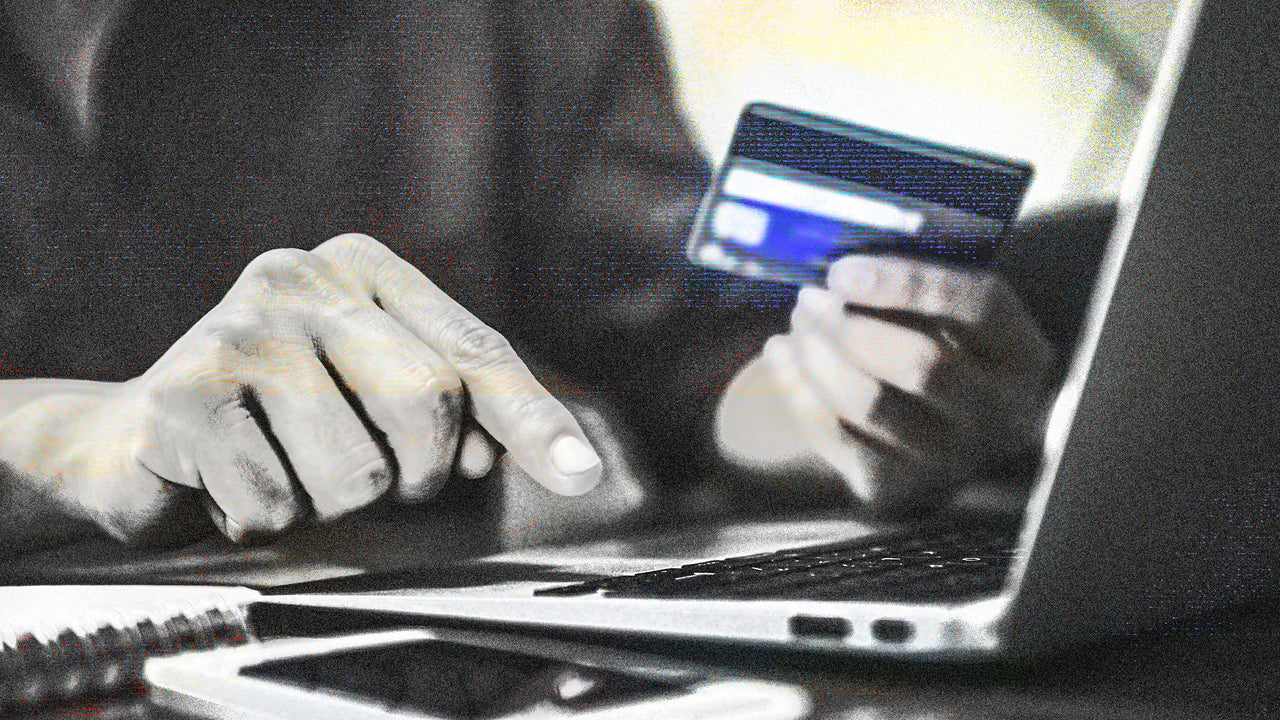
    FoodNeverComes has all the trappings of a food delivery app. You can scroll through a list of restaurants, select your items, and make modifications, then enter your address and method of payment and track the courier as they bring the food to your door. The only catch? As the app’s name implies, the food never actually comes.

    FoodNeverComes features no real transactions or deliveries. Instead, it’s part of a growing trend of fake online shopping sites spreading from South Korea. On so-called “dopamine sites,” users can simulate retail therapy without the actual retail, getting the buzz that comes from purchasing something without any actual financial cost.

    The science behind the concept adds up: Dopamine is generally released in the brain in anticipation of a reward, not when it’s received. That means clicking a “buy” button should feel good even without a real product attached to it—but skeptics on social media aren’t so sure.

    The app’s origin story

    FoodNeverComes was created by a South Korean developer named Malhee, who shared on social media that the idea came to them on “one of those nights when I kept opening and closing delivery apps.”

    “I started it as a joke at first, but surprisingly, just satisfying that urge to ‘order something’ made it weirdly fulfilling without actually ordering,” Malhee wrote in Korean, translated to English.

    “Everyone’s like that these days, right? Not because you’re hungry, but out of habit, boredom, your hand just opens the delivery app first. This app’s made to break that pattern, just once,” they continued. “Anyone who wants to quit delivery apps but can’t, who’s on a diet but keeps reaching for the app, or just wants to check out a quirky app—you’re all welcome.”

    “Playing pretend for adults”: Social media weighs in

    Though dopamine sites are reportedly growing in popularity among South Korean Gen Zers, the broader internet isn’t as sold on the concept. When posts about FoodNeverComes and other dopamine sites went viral over the weekend, users on apps like X decried the concept as a sad reflection of late-stage capitalism.

    “The world is such a depressing place, man,” reads one viral response. Another user joked that simulating online retail is like “window shopping for people who can’t touch grass.”

    Though apps like FoodNeverComes may lack broad appeal, they could serve specific communities like those suffering from online shopping addiction. On a subreddit for shopping addicts, users debated the merits of the app for keeping them away from actual online stores. 

    Some were on board, like one user who likened the app to how nonalcoholic beer can help recovering alcoholics. “Scratches the itch, especially in the beginning,” they wrote. “You end up moving on from it, but it can be a really helpful stepping stone.”

    But others said the app would be more aggravating than helpful. “This would not work for me,” one user wrote. “It would just piss me off knowing nothing is actually coming.”

    A third user said the app is like “playing pretend for adults,” adding, “We’re basically experiencing play shopping like a child again.”

    “There are a lot more important things we can be doing with our time and attention,” agreed another commenter. “But if playing pretend keeps you from spending your money and cluttering your house up, maybe the time invested is worth it.”


    Source link

    Share. Facebook Twitter Pinterest LinkedIn Tumblr Email

    Related Posts

    The Real Product Isn’t What You Sell. It’s What Comes After.

    August 7, 2026

    Business Helping Employees See Hazards Makes Millions: COVE

    August 7, 2026

    The 70/20/10 Rule That Keeps Your Marketing Budget From Going Stale

    August 6, 2026
    Top News
    Business 2 Mins Read

    Gold and silver prices fall as Trump names Kevin Warsh as his Fed Chair pick. Why are precious metals down?

    Business 2 Mins Read

    Gold and silver have had an exceptional year, breaking record high prices on what’s felt…

    You don’t need Sam Altman or his big, beautiful LLM

    December 5, 2025

    South Carolina Supreme Court Issues Death Warrant for Killer in 2004 Case, Must Choose Method of Execution by October 31st | The Gateway Pundit

    October 18, 2025

    Xi Questions Whether The West Will Choose Peace Or War

    September 4, 2025
    Top Trending
    Business 6 Mins Read

    The Real Product Isn’t What You Sell. It’s What Comes After.

    Business 6 Mins Read

    Opinions expressed by Entrepreneur contributors are their own. Key Takeaways Your biggest…

    World Politics 4 Mins Read

    SICK! Red Cross DELETES Documentary Pushing Afghan Migrant “Success Story” After He is Arrested for STUFFING Body of British Aid Worker in a Suitcase

    World Politics 4 Mins Read

    Sharif Ahmadzai. Pic: Instagram/force1.shop The International Federation of Red Cross and Red…

    Business 7 Mins Read

    Business Helping Employees See Hazards Makes Millions: COVE

    Business 7 Mins Read

    Key Takeaways The Toledo Museum of Art in Ohio launched COVE in…

    Categories
    • Business
    • Economy
    • Headline News
    • Top News
    • US Politics
    • World Politics
    About us

    The Populist Bulletin was founded with a fervent commitment to inform, inspire, empower and spark meaningful conversations about the economy, business, politics, government accountability, globalization, and the preservation of American cultural heritage.

    We are devoted to delivering straightforward, unfiltered, compelling, relatable stories that resonate with the majority of the American public, while boldly challenging false mainstream narratives that seem to only serve entrenched elitists, and foreign interests.

    Top Picks

    The Real Product Isn’t What You Sell. It’s What Comes After.

    August 7, 2026

    SICK! Red Cross DELETES Documentary Pushing Afghan Migrant “Success Story” After He is Arrested for STUFFING Body of British Aid Worker in a Suitcase

    August 7, 2026

    Business Helping Employees See Hazards Makes Millions: COVE

    August 7, 2026
    Categories
    • Business
    • Economy
    • Headline News
    • Top News
    • US Politics
    • World Politics
    Copyright © 2025 Populist Bulletin. All Rights Reserved.

    Type above and press Enter to search. Press Esc to cancel.