
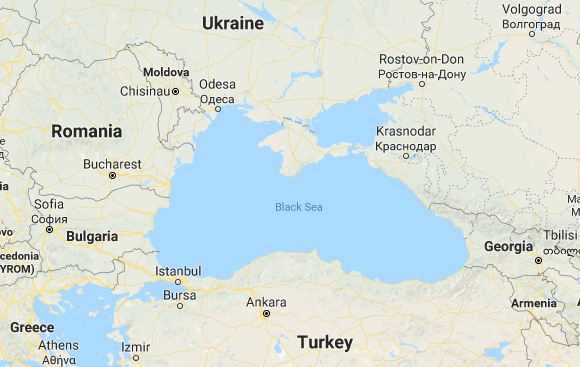
The Black Sea is rapidly becoming too dangerous for international commerce. Commercial vessels have been attacked near Romania, Bulgaria, Ukraine, and Russia within days of one another. Ships carrying agricultural products and petroleum are being dragged into a war. Politicians seem to forget that global trade depends on moving goods safely between nations. Once commercial shipping becomes a target, the economic consequences extend far beyond Russia and Ukraine. Insurance premiums rise, freight rates increase, and eventually those additional costs are passed directly to consumers who have absolutely nothing to do with this war.
On October 5, a commercial vessel caught fire and sank off Romania, killing two people. The following day, two additional merchant vessels were struck by drones inside Bulgaria’s exclusive economic zone, with one reportedly sinking. Another vessel carrying agricultural oil was attacked near Odesa, while an oil tanker was struck off Russia’s Black Sea coast. Responsibility for some of these incidents remains disputed, but the economic consequences do not depend on which side launched the drones. Shipping companies must now calculate the possibility of losing an entire vessel and its cargo. Insurers must price that risk, and nobody in this business operates on charity.
People do not understand how quickly the cost of war moves through the global economy. A ship owner facing increased war-risk insurance premiums will demand higher compensation to enter dangerous waters. Charter rates rise, cargo owners seek alternative routes, and ports become increasingly expensive to operate. If insurance becomes unavailable at a commercially reasonable price, vessels simply stop sailing certain routes. Every additional expense becomes part of the final price, whether that means wheat, cooking oil, gasoline, or the thousands of other products.
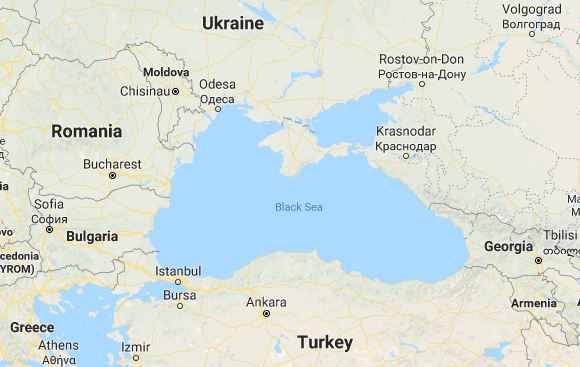
The Black Sea is particularly important because Russia and Ukraine are major agricultural exporters. Egypt, Turkey, and numerous countries across Africa and the Middle East depend on grain moving through this region. These governments cannot simply replace millions of tonnes of wheat overnight without paying more. We have already seen how disruptions to food supplies can contribute to political instability. The Arab Spring was not merely some spontaneous movement for democracy. Rising food prices, unemployment, and deteriorating living standards helped create the conditions for unrest. When people cannot afford to feed their families, political stability becomes impossible.
The Black Sea provides access to important oil terminals and shipping routes, fueling the energy crisis. Attacking tankers and energy infrastructure increases the cost of transporting petroleum regardless of whether the underlying supply has been destroyed. Insurance companies do not distinguish between political propaganda and the actual probability of a vessel being struck.
What makes this especially absurd is that Europe is already struggling with the consequences of its own energy policies, sanctions, and declining industrial competitiveness. Germany has watched energy-intensive industries suffer while Brussels continues demanding greater military expenditure. Now the same geopolitical confrontation threatens to increase the cost of transporting energy and agricultural commodities. The public is expected to pay higher taxes to finance the war, higher energy bills because of the war, and higher food prices as the commercial consequences spread. These people in government never seem to consider that ordinary citizens must somehow pay for all of this.
The Black Sea does not have to be formally closed for the economic damage to become serious. It only has to become dangerous enough that commercial operators begin questioning whether the profits justify the risks. Once that happens, the market will make decisions that politicians cannot reverse with another press conference. The War Cycle is intensifying, and the consequences will not remain confined to the battlefield.