
It’s easy, for me at least, to be cynical about the state of design. Our visual environment can feel bland, everything from brands to buildings homogenized around similar styles. The ever-impending AI takeover can make the future of this work uncertain. My reading around design this year tended to focus on two things: looking back and looking ahead.
In looking through design history, I was looking for glimpses of alternative ways of designing: the experimental, the absurd, the weird. And in looking forward, I was searching for hope in a dark time, for answers on how design, and the design industries, move beyond the stasis I feel like we’re in. The intersection of these interests is an attempt to understand what design is, what it has been, and what it could be next. The books that were my favorite this year are the books that show design as something fun, experimental, future-looking, and constantly in flux.
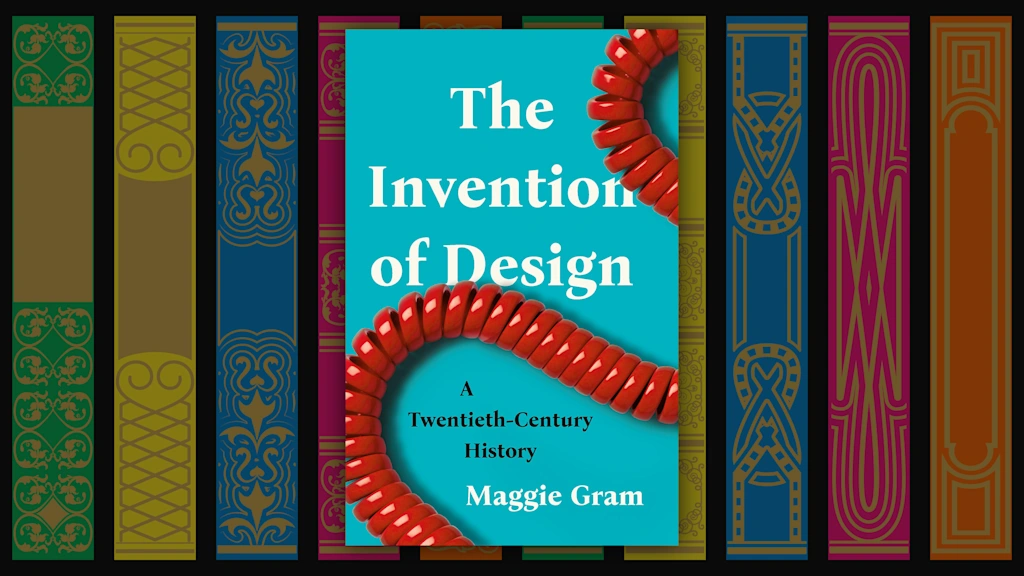
The Invention of Design by Maggie Gram
Maggie Gram’s excellent new book, The Invention of Design, is one of those books I’m surprised didn’t already exist, and now I don’t know how I’ve lived without it for so long. This is not a history book of famous designers or trends or movements but rather an intellectual history of how the “idea” of design came to be what it is today. Charting the major conceptions of design from beauty to problem solving, thinking to experience, Gram, a designer and historian, presents design as an inherently optimistic endeavor but one that often fails to live up to its promises.
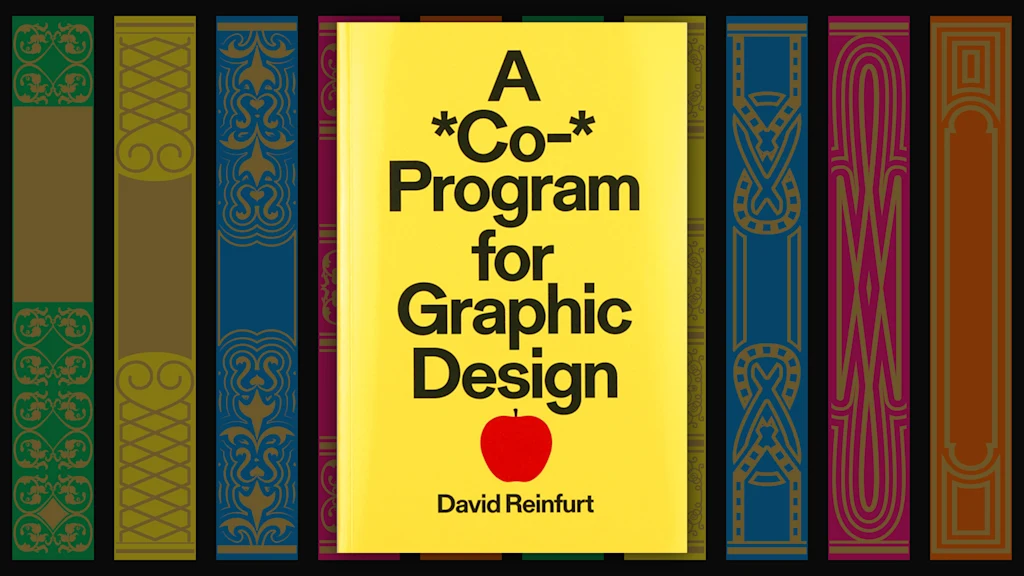
A *Co-*Program for Graphic Design by David Reinfurt
What does it mean to teach graphic design today? Or better yet: what does graphic design even mean today? The designer and educator David Reinfurt thinks through these questions in this casual and conversational book built around three courses he’s taught and developed at Princeton University over the last decade. Jumping back and forth through design history, moving across formats and mediums, and inviting a range of voices to participate in the conversation, Reinfurt shows that graphic design continues to be an expansive, ever-shifting space in which to think about ideas and how they move through the world giving us a flexible framework to think through teaching the next generation of designers.
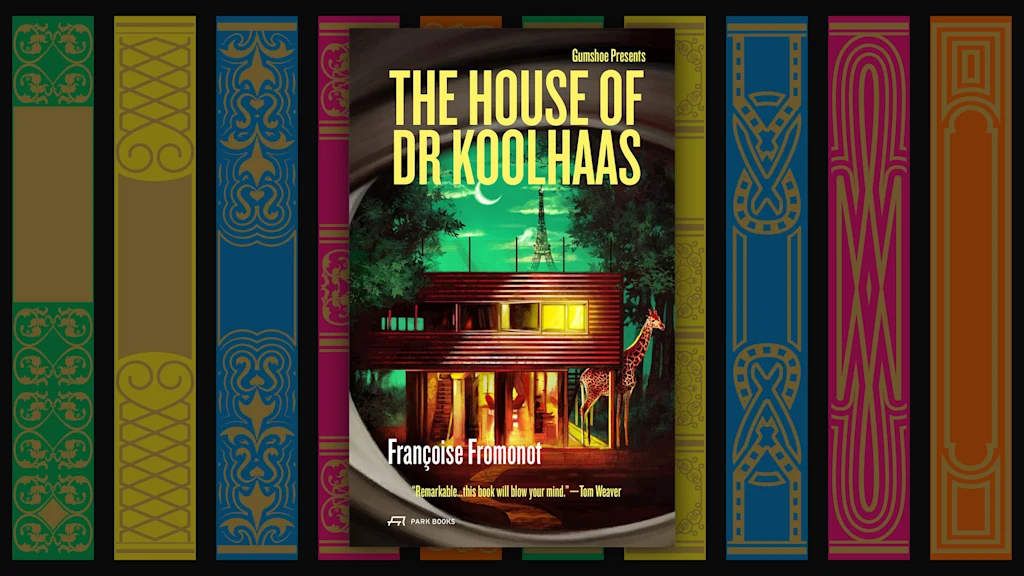
The House of Dr. Koolhaas by Francoise Fromonot
Perhaps the strangest book I read this year but also most delightful, Francoise Fromonot’s The House of Dr. Koolhaas is the first book from Gumshoe, a new series from Park Books that approaches architecture criticism as if it were a detective novel. Written and packaged like the pulpy genre—complete with over-the-top illustrated covers and cliff-hanging chapters—Fromonot does a close reading of Rem Koolhaas’s Villa Dall’Ava, untangling its place both in Koolhaas’s work and in the larger architectural media context. Propulsive, insightful, expansive, and highly illustrative, I can’t wait to see what buildings the series tackles next.
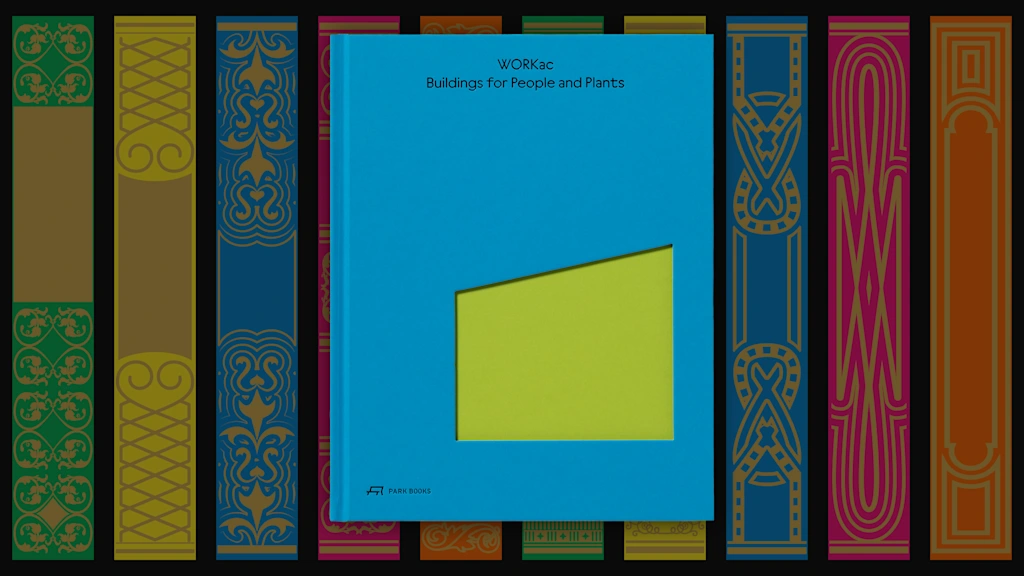
Buildings For People and Plants by WORKac
In this focused, highly visual monograph, the New York-based architecture office WORKac presents ten built projects that together can be read as the thesis for the firm’s ideas. Founded in 2003 by Amale Andraos and Dan Wood, WORKac has worked across scales and contexts and styles but in this book, a coherent body of work emerges, showing how the studio has engaged with color and form, civic interests, and sustainability. Sparse on text and heavy on photographs (almost 200, total), Andraos and Wood make the case for an architecture that engages with the world—an architecture for people and plants, if you will—and they show us how they’ve done just that.
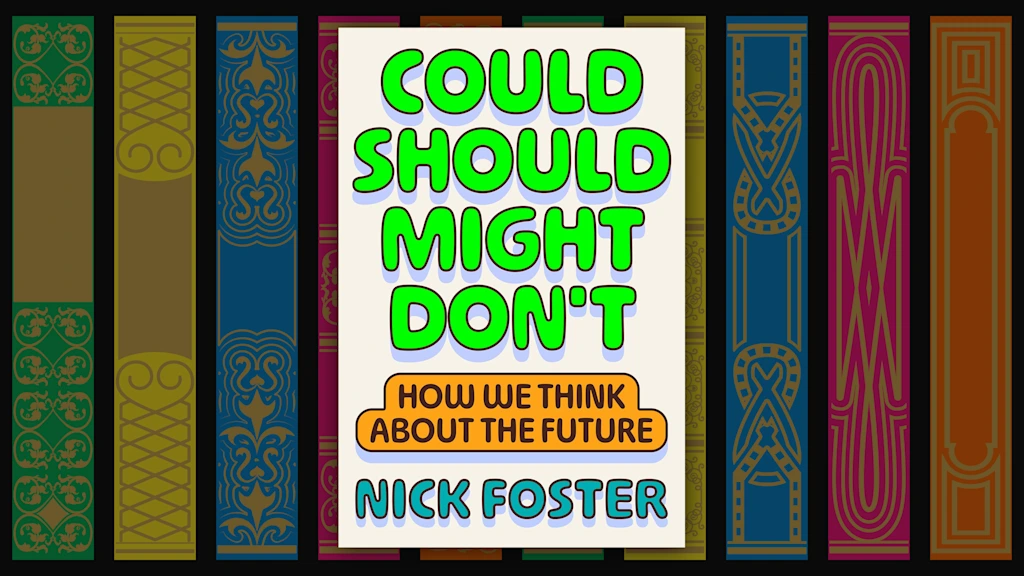
Could Should Might Don’t by Nick Foster
Nick Foster, futures designer, former design director of Google X, and self-described “reluctant futurist” writes in his great book that when we imagine the future, we often imagine images made by other people and those images have become strangely homogenized. Foster thinks that’s a problem. Through breezy chapters, he probes how we imagine the future, how it becomes reality, and most importantly, who has a stake in that future. In doing so, he makes the case for a more rigorous, thoughtful, and provocative way to think about the future and how we get there.
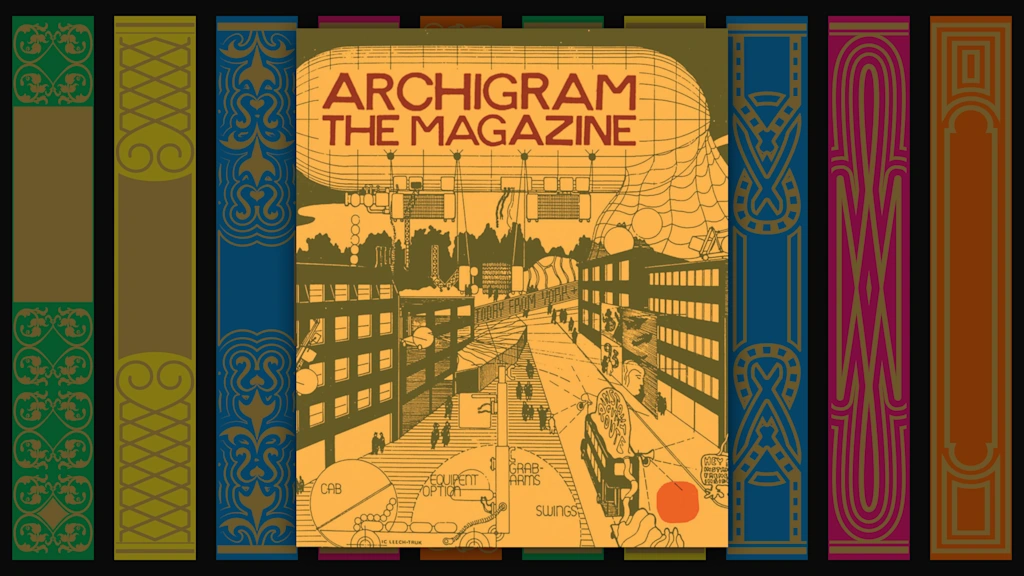
You can’t talk about avant-garde architecture without talking about Archigram, the British collective that drew upon their interests in everything from pop art to Buckminster Fuller. Over 15 years, the collective also published Archigram, a lo-fi, experimental, and freewheeling magazine to share their ideas. Long hard to find, this gorgeously packaged box set includes facsimiles of all ten issues, including flyers, pockets, and pop-ups, alongside an excellent reader’s guide that features writing from Archigram founder Peter Cook, architecture writer Reyner Banham, and tributes from Kenneth Frampton, Norman Foster, and more. It might be a stretch to call this a “book” but it’s a worthy collectable for anyone interested in experimental architecture, design history, publishing, and zine culture.

Enshittification by Cory Doctorow
In 2023, the science fiction writer and pioneering blogger Cory Doctorow coined a term that seemed to perfectly describe the moment we seem to be stuck in: “enshittification.” Writing about online platforms, Doctorow described enshittification as the gradual worsening of so many services we’ve come to rely on. Two years later, he’s expanded that into a full book, looking at everything from Facebook to the iPhone App Store, to Twitter while also making the case that we, as users, can take back the internet we are losing. Though not explicitly a book about design, designers will certainly see themselves in these pages as Doctorow shows how the design of so many services have shifted from solving problems for users to padding the pockets of shareholders