
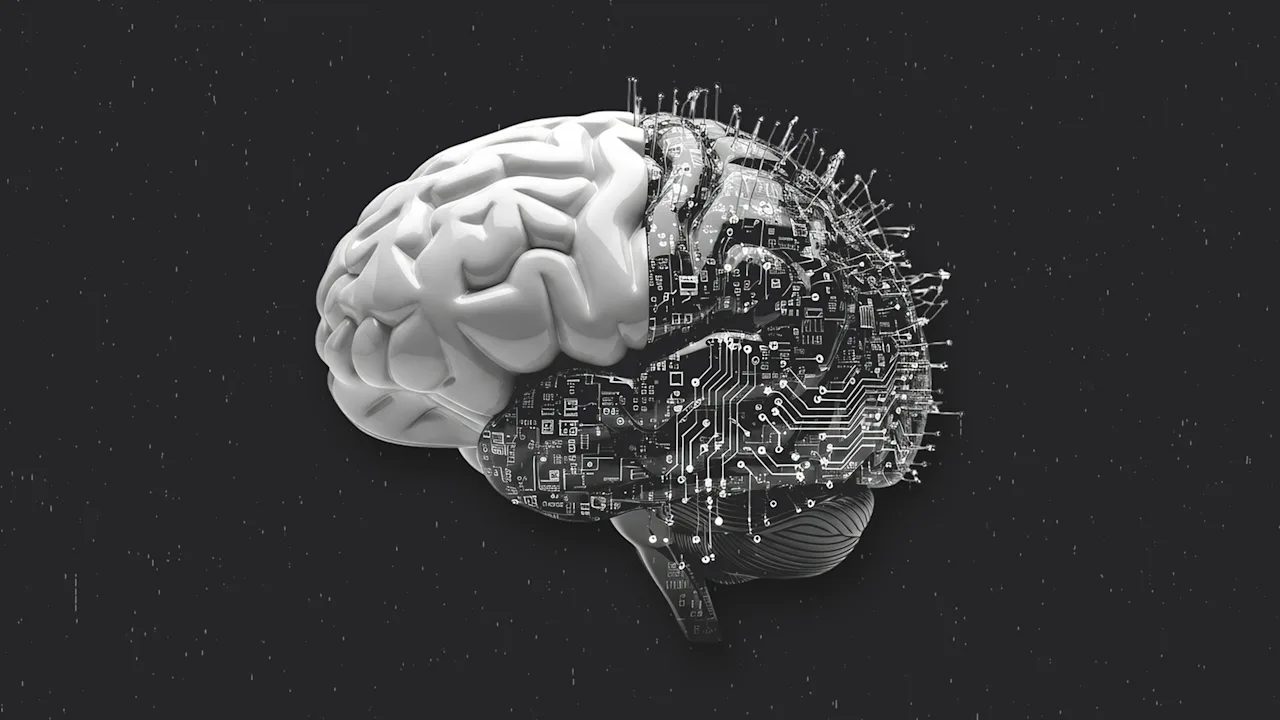
In the world of earnings reports and pitch decks, the ultimate goal of our current AI boom is usually called something like artificial general intelligence (AGI), superintelligence, or—if you’re really nerdy—recursive self-improving AI. But in the real world, we’re all just looking for the Enterprise computer: a digital assistant you can talk to that doesn’t just fully understand you, but can do things for you instantly.
The last couple of months have seen a lot of progress on this front. While I was at CES, I attended Lenovo’s keynote, which unveiled Qira, an always-on AI that will be built into its devices going forward. As I wrote about at The Media Copilot, the innovation with Qira is that the assistant is now an “orchestrator of agents,” seamlessly passing off the user to other services like ChatGPT, Perplexity, or others, depending on the user’s request.
The reason a device maker like Lenovo can do that is because it doesn’t compete with those services—Qira is a facilitator, not a do-everything AI service. It appears Apple has also finally woken up to that strategy now that it’s announced a multi-year deal to integrate Google’s Gemini models into a revamped Siri later this year.
{“blockType”:”mv-promo-block”,”data”:{“imageDesktopUrl”:”https://images.fastcompany.com/image/upload/f_webp,q_auto,c_fit/wp-cms-2/2025/03/media-copilot.png”,”imageMobileUrl”:”https://images.fastcompany.com/image/upload/f_webp,q_auto,c_fit/wp-cms-2/2025/03/fe289316-bc4f-44ef-96bf-148b3d8578c1_1440x1440.png”,”eyebrow”:””,”headline”:”u003Cstrongu003ESubscribe to The Media Copilotu003C/strongu003E”,”dek”:”Want more about how AI is changing media? Never miss an update from Pete Pachal by signing up for The Media Copilot. To learn more visit u003Ca href=u0022https://mediacopilot.substack.com/u0022u003Emediacopilot.substack.comu003C/au003E”,”subhed”:””,”description”:””,”ctaText”:”SIGN UP”,”ctaUrl”:”https://mediacopilot.substack.com/”,”theme”:{“bg”:”#f5f5f5″,”text”:”#000000″,”eyebrow”:”#9aa2aa”,”subhed”:”#ffffff”,”buttonBg”:”#000000″,”buttonHoverBg”:”#3b3f46″,”buttonText”:”#ffffff”},”imageDesktopId”:91453847,”imageMobileId”:91453848,”shareable”:false,”slug”:””}}
Apple has colossally overpromised and underdelivered on AI over the past two years, partly because of its reluctance to rely on partners for parts of its AI experience. Now that there’s more clarity on the orchestrator vision—and on how AIs talk to each other—it looks like we’re past concerns over empowering competitors.
Assistants evolve into agents
Into all this come agentic tools like Claude Code and Claude Coworker. The buzz around these tools in the AI world has been insane, and a big part of the reason is they can do much more than code and build websites. They are effectively agents, able to take instructions, turn them into plans, and then execute on them, often with minimal guidance from the user. Whether it lives in the OS (Qira/Siri) or in a desktop app (Cowork), the effect is the same: decision-making moves closer to the interface people actually use.
Several people on X say the experience using Coworker is closer to working with a colleague rather than prompting an AI. But there are new worries, too: Anthropic is warning users about safety risks—like unclear instructions leading to file deletion—because that’s what happens when the model can act, not just talk.
All this is pointing in the same direction. Sometime soon, it seems likely that a significant and growing amount of device interactions will be essentially telling agents what to do. No apps, no browser—just the answer, output, or outcome you were looking for. It’s the Enterprise computer, just not on the bridge of a starship but in millions of pockets worldwide.
There are huge implications for the media, brands, and other content providers. In my Qira piece, I talked about how the battle for context is going to play out in the information space in the coming year, but agent-based work will also have an effect on information-based work itself, especially journalism. Embedding an agent—essentially a decision-making computer—into your workspace is potentially a huge accelerant, but it poses difficult questions around attribution, access, and how it treats sensitive data.
Auditability in the agent era
Sounds serious, and there’s a simple solution to those concerns: don’t use it. But that’s not a strategy. Like any tool, those who learn it, use it, and master it will have an advantage over those who don’t. As agentic work grows in popularity, the workplaces that figure out how to implement it safely and securely will have the best chance of success.
The media is particularly challenged, though, since information is their business. We’ve already seen this play out with regard to hallucinations. The propensity of AI systems to make things up out of the blue continues to persist, and it keeps many newsrooms from adopting AI, at least in any way that touches content.
The danger of a workplace agent is more insidious. The AI isn’t creating content per se, but it is making decisions such as what information sources to use, what services to help with a task, and what company knowledge to apply to any specific request. But if an agent is going to make decisions in a newsroom, it can’t be a black box.
Even without the AI making a mistake per se, the question of how the AI makes its decisions matters. Look at the corollary in search: When Google made a deal with Reddit, which led to Reddit appearing at the top of many more search results. That unquestionably had an influence on where people got their information, especially since Google is an effective monopoly on search.
Well, a device or workplace agent will have a similar monopoly. How an agent goes down a tree of decisions can’t be a black box. Certainly, steering workers toward sanctioned services and company software is an obvious first step. Following style guides and company policy in the actions it takes is another. But it’s in the parts of workflows that aren’t covered by that where things get strange. This isn’t just about getting information—it’s about the context it relies on when taking action.
The need for AI governance
While actions need to be seamless to the user, there needs to be an auditable paper trail for them. How the agent gets context from the web, and from which services, should be clear and traceable. When asked, in plain language, why it took a specific action, there should be a rabbit hole the user can go down if they wish, along with a method to correct any problems in its thinking (including bias). Disclaimers won’t cut it on agents—training how to both use them and audit your own use, should be standard.
In other words, governance matters. Agents like Qira and Claude Coworker might deliver on the dream of true AI assistants. But the potential they promise to unlock requires an equal amount of deference. If AI has shown anything over the past few years, it’s that it can do incredible things, but it can’t be trusted to always get it right. For organizations to truly advance into the agent era, they’ll need to adopt an old adage: trust, but verify.
{“blockType”:”mv-promo-block”,”data”:{“imageDesktopUrl”:”https://images.fastcompany.com/image/upload/f_webp,q_auto,c_fit/wp-cms-2/2025/03/media-copilot.png”,”imageMobileUrl”:”https://images.fastcompany.com/image/upload/f_webp,q_auto,c_fit/wp-cms-2/2025/03/fe289316-bc4f-44ef-96bf-148b3d8578c1_1440x1440.png”,”eyebrow”:””,”headline”:”u003Cstrongu003ESubscribe to The Media Copilotu003C/strongu003E”,”dek”:”Want more about how AI is changing media? Never miss an update from Pete Pachal by signing up for The Media Copilot. To learn more visit u003Ca href=u0022https://mediacopilot.substack.com/u0022u003Emediacopilot.substack.comu003C/au003E”,”subhed”:””,”description”:””,”ctaText”:”SIGN UP”,”ctaUrl”:”https://mediacopilot.substack.com/”,”theme”:{“bg”:”#f5f5f5″,”text”:”#000000″,”eyebrow”:”#9aa2aa”,”subhed”:”#ffffff”,”buttonBg”:”#000000″,”buttonHoverBg”:”#3b3f46″,”buttonText”:”#ffffff”},”imageDesktopId”:91453847,”imageMobileId”:91453848,”shareable”:false,”slug”:””}}