
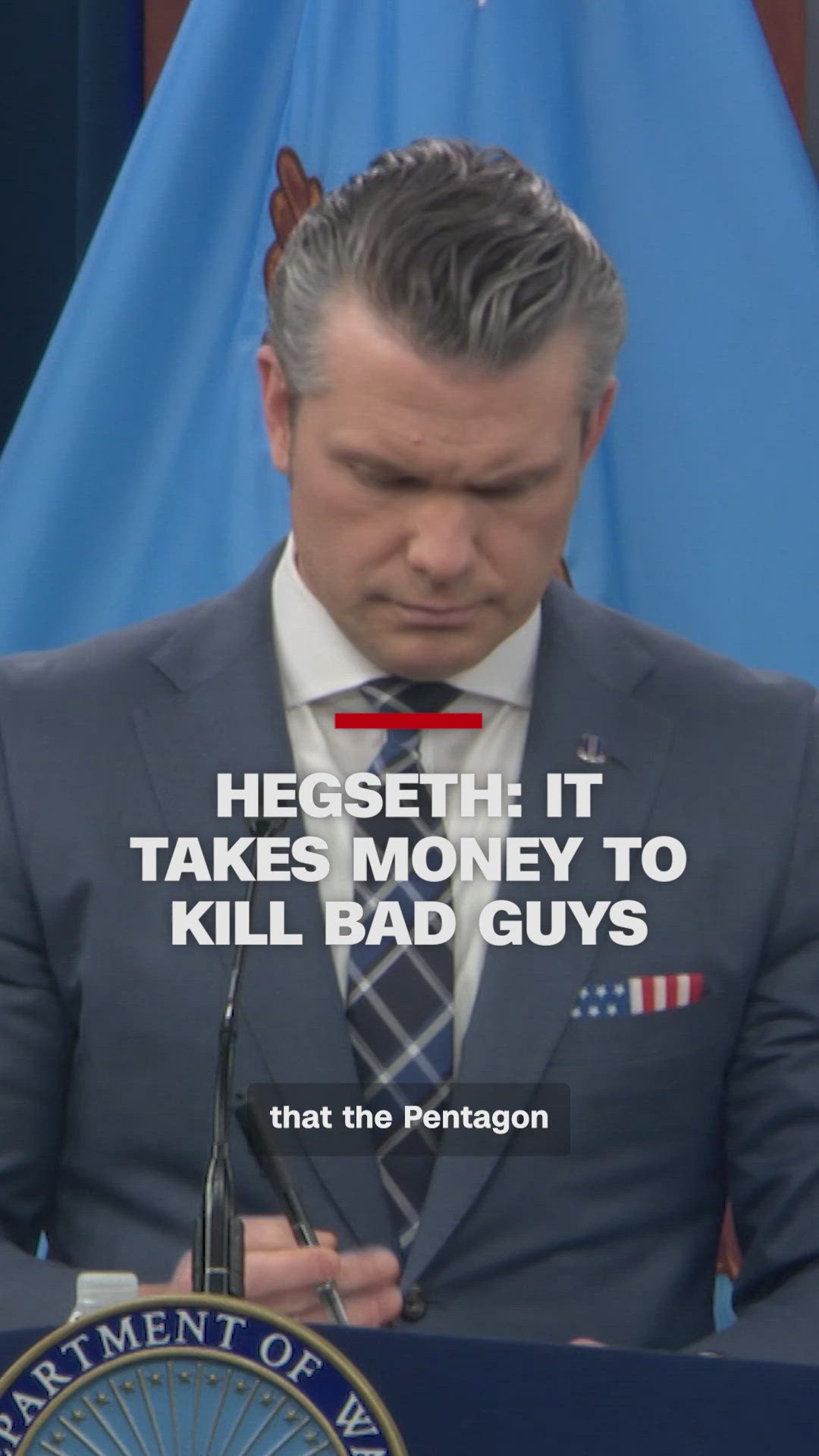
The Pentagon is now requesting more than $200 billion in additional funding tied to the war with Iran, and the Secretary of Defense stated plainly that “it takes money to kill bad guys.” That statement may sound crude, but it is one of the rare moments where Washington actually tells the truth about war, because war has always been about capital, and the numbers now emerging are already confirming the pattern that has unfolded in every major conflict.
Within the first week alone, the United States spent approximately $11.3 billion, and more comprehensive estimates quickly pushed that figure toward $12.7 billion and beyond, with daily costs running in the range of $500 million or higher. These figures do not include troop deployment, equipment replacement, or reconstruction of depleted stockpiles, which historically account for the majority of total war expenditures, and that is where analysts always underestimate the true cost. The ripple effect of war through the global economy is another topic.
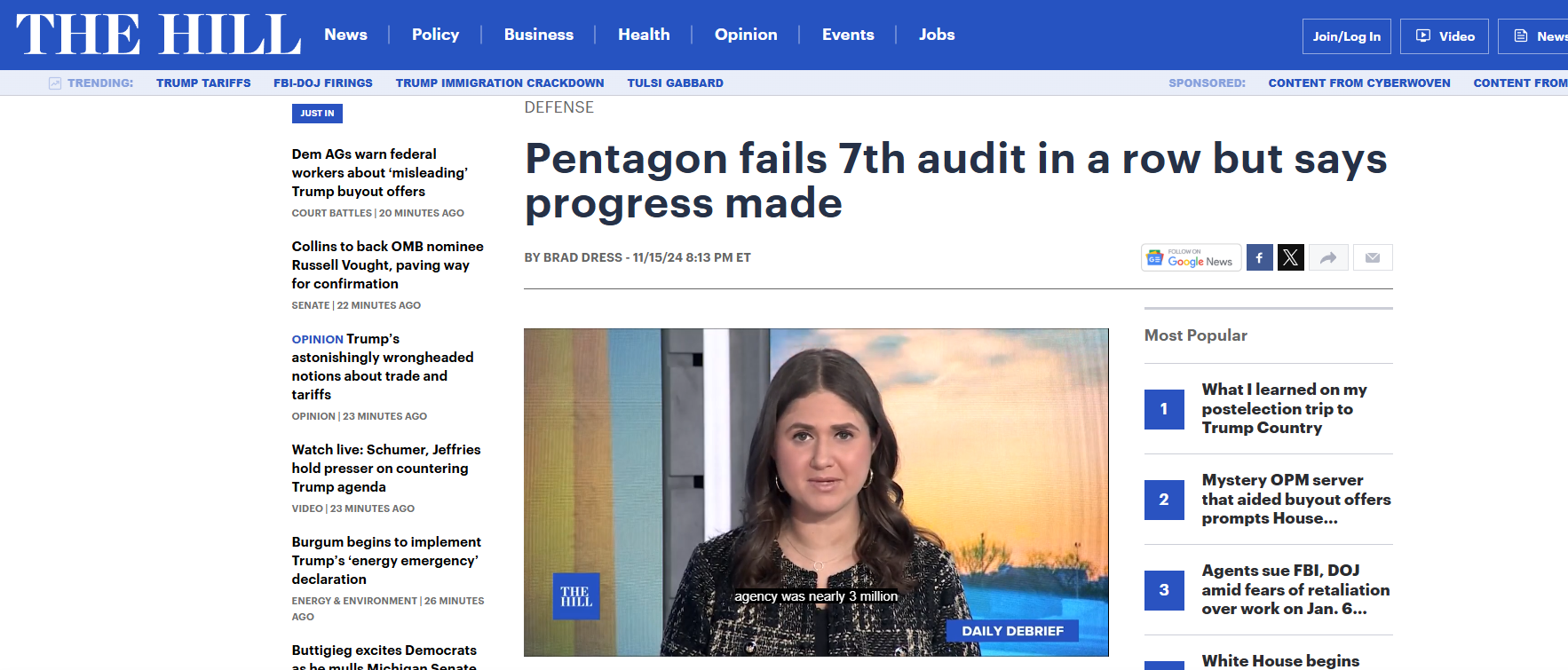
The United States is already operating with a military budget approaching $900 billion to over $960 billion depending on how it is measured under the latest authorization cycles, and that figure alone represents nearly 35% of total global military spending. When a government is already spending at that level before a major conflict escalates, any additional war simply layers on top of an already massive fiscal structure rather than creating a temporary expense.
Another $200 billion is not the cost of the war. That is the opening bid, as first numbers presented to Congress are always understated because they reflect immediate needs. The Iraq and Afghanistan wars followed the same trajectory, beginning with relatively modest projections and ultimately costing trillions.
The data coming out of the current conflict already shows the same dynamic. The Pentagon initially reported costs focused on munitions alone, yet analysts noted that these estimates excluded entire categories of spending, including logistics, personnel, and equipment replacement, which means the actual cost is already far higher than what is being publicly discussed. When high-cost systems such as long-range missiles, interceptor systems, and carrier strike group operations are deployed, the burn rate of capital accelerates dramatically, and those costs compound as the conflict continues.
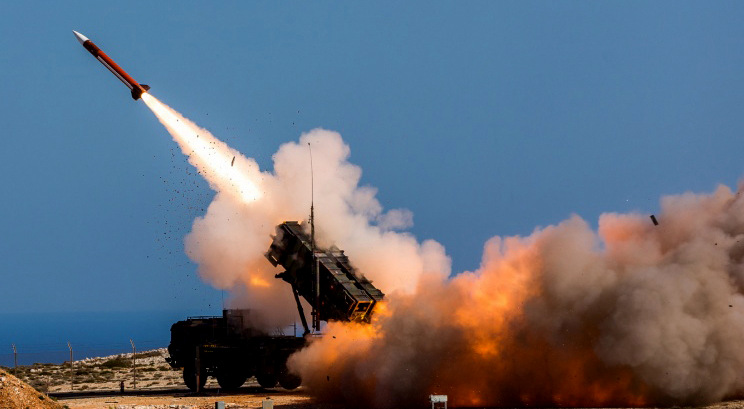
It often costs millions of dollars to intercept weapons that cost tens of thousands to produce. Interceptors such as Patriot and THAAD systems can cost between $4 million and $12 million per unit, while the drones they are designed to destroy may cost a fraction of that.
Can we afford a war? Janet Yellen once said America could afford perpetual warfare. Yet, the US national debt has now exceeded $39 trillion, rising rapidly with deficits well above $1 trillion annually. War does not occur in isolation from fiscal policy. It accelerates existing trends, particularly the expansion of government debt and the diversion of capital away from productive investment.
From the perspective of the Economic Confidence Model, this is exactly what we expect to see at this stage in the cycle. The 2020.05 turning point marked the beginning of a major shift in confidence, where governments expanded aggressively and fiscal discipline deteriorated. By the time we reached the 2024.35 phase, geopolitical tensions were rising across multiple regions, and capital was increasingly moving toward government as uncertainty in the private sector intensified.
Now moving into the 2026 wave, the model has been pointing to rising instability, and war becomes both a consequence and a driver of that shift. Governments expand military spending as confidence declines domestically, and that expansion further concentrates capital within the public sector. The private sector does not benefit from this in any meaningful long-term way. War spending does create economic activity in the short term, but it does not create sustainable growth. It destroys capital and then requires additional capital to rebuild what has been destroyed. Every missile fired, every aircraft deployed, every ship sent into a conflict zone represents capital consumption, not capital formation.
The request for $200 billion to replenish stockpiles illustrates another reality that is always ignored. War does not end when the shooting stops. The financial obligations continue for years through the replacement of equipment, the expansion of industrial production, and the long-term care of personnel. That is why the true cost of war is always measured over decades, not months.