
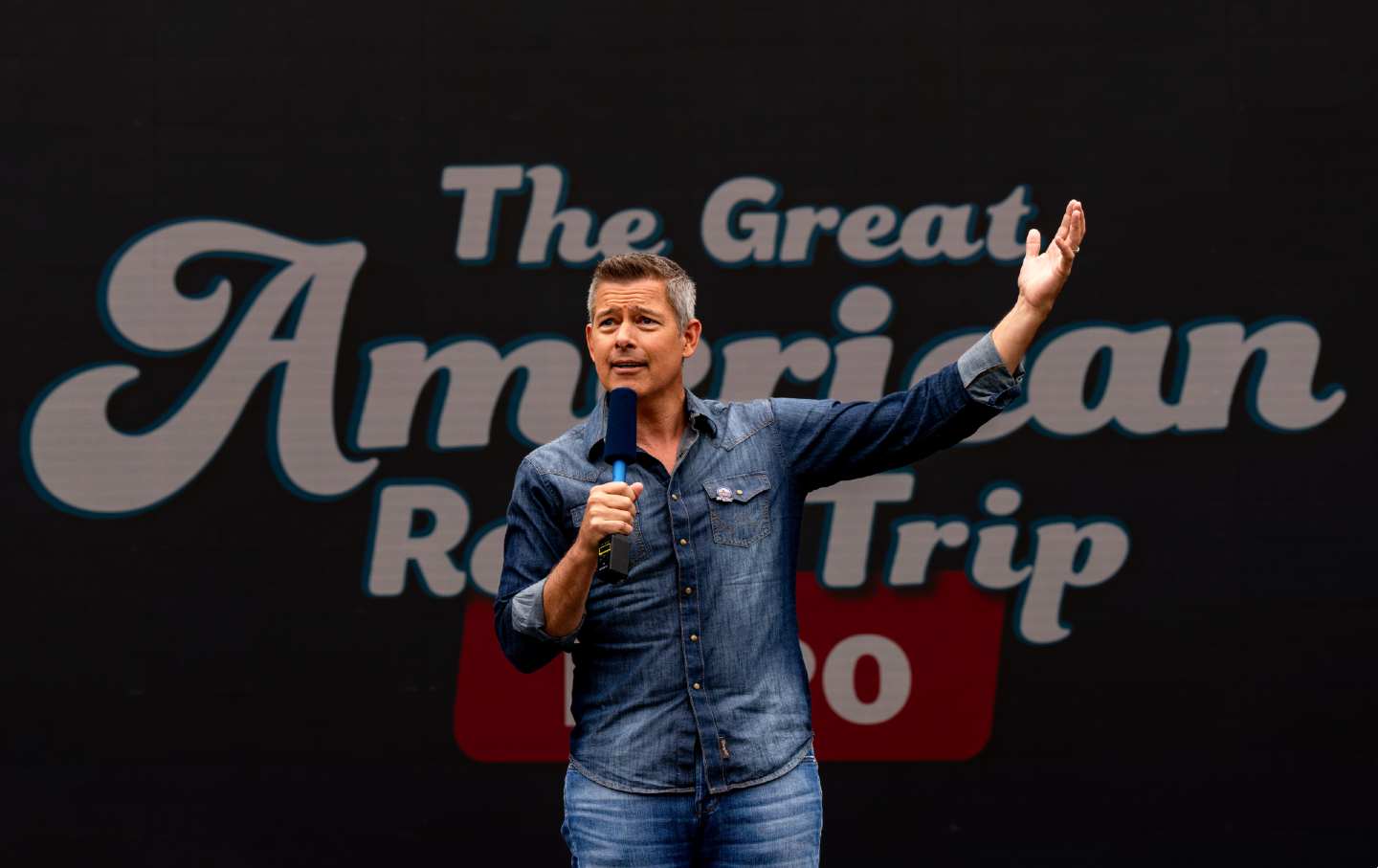
Transportation Secretary Sean Duffy’s reality show is an ungainly mix of corporate corruption and MAGA agitprop.
Secretary of Transportation Sean Duffy launched his career in public life as a reality-TV star, and, in the TV-addled second Trump administration, he’s returning to his roots with last week’s release of his family-vacation reality show, The Great American Road Trip. The series had been initially pegged for a June release on YouTube, but the producers sent it back for edits, apparently to ensure that it wouldn’t go too far afoul of federal ethics rules.
The editors needn’t have bothered. The final product, which chronicles the Duffy family’s travels across the country, is a work of free-floating MAGA agitprop without any real dramatic interest, and remains, like most such undertakings in the second Trump administration, a running breach of basic government ethics.
The vanity project desperately aims to depict the transportation secretary and his wife, Rachel Campos-Duffy, as an ordinary American couple even though they’ve both followed the same decidedly elite celebrity career trajectory, leading from reality-TV stints to the conservative mediasphere. Sean had parlayed that résumé into a seat in the House of Representatives and his cabinet appointment, while Rachel became a Fox News anchor.
If you’re thinking this doesn’t make for relatable TV viewing, you’re right. The Great American Road Trip gamely seeks to gin up some right-wing intergenerational frisson by having the Duffys’ adult daughter Evita tag along as part of the show’s contingent of eight Duffy offspring. She’s a wannabe conservative influencer; she’s accompanied by her husband, Michael Alfonso, the former producer for Dan Bongino’s podcast and current Republican nominee for Congress in Duffy’s former seat in Wisconsin’s seventh district. The high jinks and scrapes that this quartet of media-savvy ideologues encounter come across less like the fare on the Real Housewives franchise or The Jersey Shore than a CPAC breakout panel on wheels.
The Great American Road Trip is also a puzzling effort to chronicle the daily life of a powerful cabinet secretary. True to the time-honored goofy-dad conventions of television programming, Duffy comes off as a happy- go-lucky husband and father, but the show depicts his cabinet position as consisting of little more than the offscreen job duties of a sitcom paterfamilias. As the Duffys tool through the American interior, Sean stages a series of meet-and-greets at various factories and cultural events. If this is his core approach to overseeing the nation’s transportation infrastructure, it’s little wonder that the airline industry has faced a historic volume of delays and flight cancellations under his lax supervision.
But the show’s quasi-documentary ambitions are a slapdash afterthought; like most undertakings of this White House, The Great American Road Trip is an opportunity for well-heeled patrons to buy their way into the Trump administration’s good graces. Funded by a number of large corporations regulated by the Department of Transportation (DOT), the series includes entire segments in which Duffy essentially auditions as a spokesperson for the very firms lobbying his agency.
Current Issue
Such set pieces speak volumes about the conduct of regulatory policy in the second Trump White House. The DOT insists that the show wasn’t financed with taxpayer dollars—but on closer examination, that proves to be an empty disclaimer. By structuring so many of the stops along the trip around Duffy’s photo-ops, the show allows Duffy essentially to double dip–using DOT resources on the pretext that he’s performing his job duties before the TV cameras. As a DOT spokesperson described it to me, “On these brief stops, the Secretary also often conducted additional visits like touring air traffic control towers and assessing port infrastructure. Like with any other official engagements, the Department covered the flight.”
And like so many Trump-branded celebrations of the nation’s semiquincentennial, The Great American Road Trip is steeped in dark money. The show’s expenses—including the travel costs incurred by the other members of the Duffy clan—were mostly covered by a 501(c)(4) organization also called the Great American Road Trip, set up by Tori Barnes, a former lobbyist for the American Travel Association. The 501(c)(4) was sponsored by a number of large corporations regulated by Duffy’s DOT including Boeing, Toyota, Shell, the Electronic Payments Coalition, CRH, Google, Royal Caribbean, Chase, Lyft, the American Bus Association, United Airlines, and more. In return for their sponsorship, these companies were promised prominent branding in the show, and VIP access to the secretary. In the first few episodes, you mostly see these sponsors called out in the end credits—but as the series progresses, they’re accorded much more prominent airtime.
Even so, it’s clear that these exercises in product placement are a dim shadow of what was originally envisioned for the show. The promotional trailer, released in May, teased a stop by the Duffy family at the Royal Caribbean cruise line’s Icon of the Seas, where they tried out the ship’s waterslides and other amenities. Yet none of the actual episodes include even a mention of this visit or the cruise company. Another sponsor, Toyota, also gets some premium airtime in the trailer via close-ups displaying the company’s emblem on the car the Duffys drive, but these visual callouts were evidently scrubbed from the final version of the series. (Neither Toyota nor Royal Caribbean responded to requests for comment on their disappearance from the show.).
The series kicks off exactly as you’d expect, with the Duffy clan stopping by the White House to receive Donald Trump’s blessing before departing for Philadelphia. After stopping for cheesesteaks, the family tours historic sites alongside Secretary of the Interior Doug Burgum—you know, just like any American family does. The children hear about the Liberty Bell and Independence Hall from park rangers before moving on to the National Constitution Center, where Secretary Duffy goes out of his way to give a shout-out to billionaire hedge fund manager Ken Griffin, an implaccable foe of New York Mayor Zohran Mamdani who’s currently lavishing $40 million on Republican midterm campaigns.
In the ensuing episodes, the largely perfunctory road-trip footage gives way to conservative culture-war messaging. The second episode opens with a conversation about where Paloma, Duffy’s 17-year-old daughter, will attend college. Sean and Rachel are extremely leery about the prospect that she could end up at Havard. As Sean soberly explains to Paloma before the camera, Harvard has “professionalized figuring out how they can take good young girls like you and, I think, corrupt their minds.” The goofy dad has reverted to high-paranoid Fox News form, calling to mind the CIA control freak played by Robert DeNiro in Meet the Parents.
The rest of the episode takes place in Boston, but features none of the historic destinations that a family marking the country’s anniversary would take in there. In a fitting gloss on the Trumpian vision of White House power as a glorified branding endeavor, the Duffys visit the house Sean lived in during his stint on MTV’s Real World Boston. Then it’s on to the Harvard Catholic Center to have a spiritual authority weigh in on Sean’s fears that Paloma would be corrupted by attending the dangerously liberal institution. The Boston episode wraps with Sean taking his kids to watch a football game between the US Maritime Academy and the US Coast Guard Academy at Fenway Park. (Scenes with then–Secretary of Homeland Security Kristi Noem, who attended the game alongside the Duffys, seem to have been left on the cutting-room floor.)
As the show progresses, sponsors’ screentime picks up. In the family’s visit to Charleston, they visit Boeing’s factory, where Duffy praises the company’s high-tech aviation innovations—making no note, as a more conscientious transportation secretary might, of Boeing’s irresponsible recent safety record, let alone Duffy’s actions to relax oversight of the company.
Not all the show’s celebrations of its corporate sponsors are quite this crass. In an anything-but-spontaneous encounter, onetime reality star Naomi Olindo happens on the Duffys at a restaurant in Charleston, South Carolina. As she makes small talk with them, she exults in the benefits of credit card reward points—a mention surely savored by two of the series’s sponsors, Chase Travel and the Electronic Payments Coalition. (Like Royal Caribbean and Toyota, the two companies did not respond to requests for comment.)
In the fifth episode, during the family’s stop in Fort Worth, Texas, Sean Duffy conducts a solo tour of a local asphalt plant owned by CRH, a multinational building materials corporation that was a major sponsor of the show. CRH is heavily dependent on DOT grants for its revenue and stands to benefit from Duffy’s policies. In the final episode, the Duffys visit Rachel Campos-Duffy’s parents in Arizona and the chapel on Arizona State University’s campus where the elder Duffys got married; from there, the clan decamps for the Grand Canyon. But first Sean takes his children with him to meet up with Waymo’s chief marketing officer, who treats them all to a ride in the company’s autonomous vehicles, providing the perfect opportunity for the secretary to extol the accomplishments of yet another sponsor who operates under Duffy’s regulatory authority.
Popular
“swipe left below to view more authors”Swipe →
While the central conceit of The Great American Road Trip is to make the Duffys come across as an ordinary family learning cool things about the country’s past, they’re clearly the very thing that they routinely demonize and dread: out-of-touch cultural elitists. Road trips, once the cheap option for vacationing families, are increasingly expensive, with Trump’s disastrous war with Iran driving up fuel costs and the price of daily essentials. (Not surprisingly, the Duffys’ version of the road trip is pointedly insulated from such pressures; thanks no doubt to the generous subsidies they’ve raked in from the government and 501(c)(4)s, they seem to book flights to most of their appointed stops, and rent a car upon their arrival.) Even the show’s treatment of traditional rites of passage in family life, such as Paloma’s search for the right college, is a study in acute privilege. For most middle-class families, the central question about a college education is how to pay for it—not the specter of corruption at the hands of Harvard faculty bearing an over=woke agenda. Indeed, the only glancing mention of any sort of real-world financial concern in the series is the choreographed callout to the wondrous boon of credit card reward points—a mention that typically advanced the self-interest of the show’s sponsors.
In all this clumsy elite cosplaying of the trials of normal family life, The Great American Road Trip most closely resembles 2010’s Sarah Palin’s Alaska. That ludicrous offering likewise presumed to show Palin and her family as ordinary folk savoring the libertarian pleasures of life on the Alaskan frontier; it doubled as an effort to rehabilitate Palin’s political career in the wake of her poor performance on the campaign trail as John McCain’s 2008 running mate. It speaks volume about the everyday corruption of the second Trump term that Palin’s show now seems almost quaint and charming in comparison to the Duffy clan’s unseemly rush to cash in on the parents’ political renown with a host of corporate sponsorships and photo-ops for the companies and lobbyists that Sean Duffy is currently charged with regulating. It’s all a grim reminder that reality-TV—a format that MTV jokingly called The Real World when the network launched the careers of the elder Duffys—has now become our reality, and devoured all the basic operations of our government.
More from The Nation
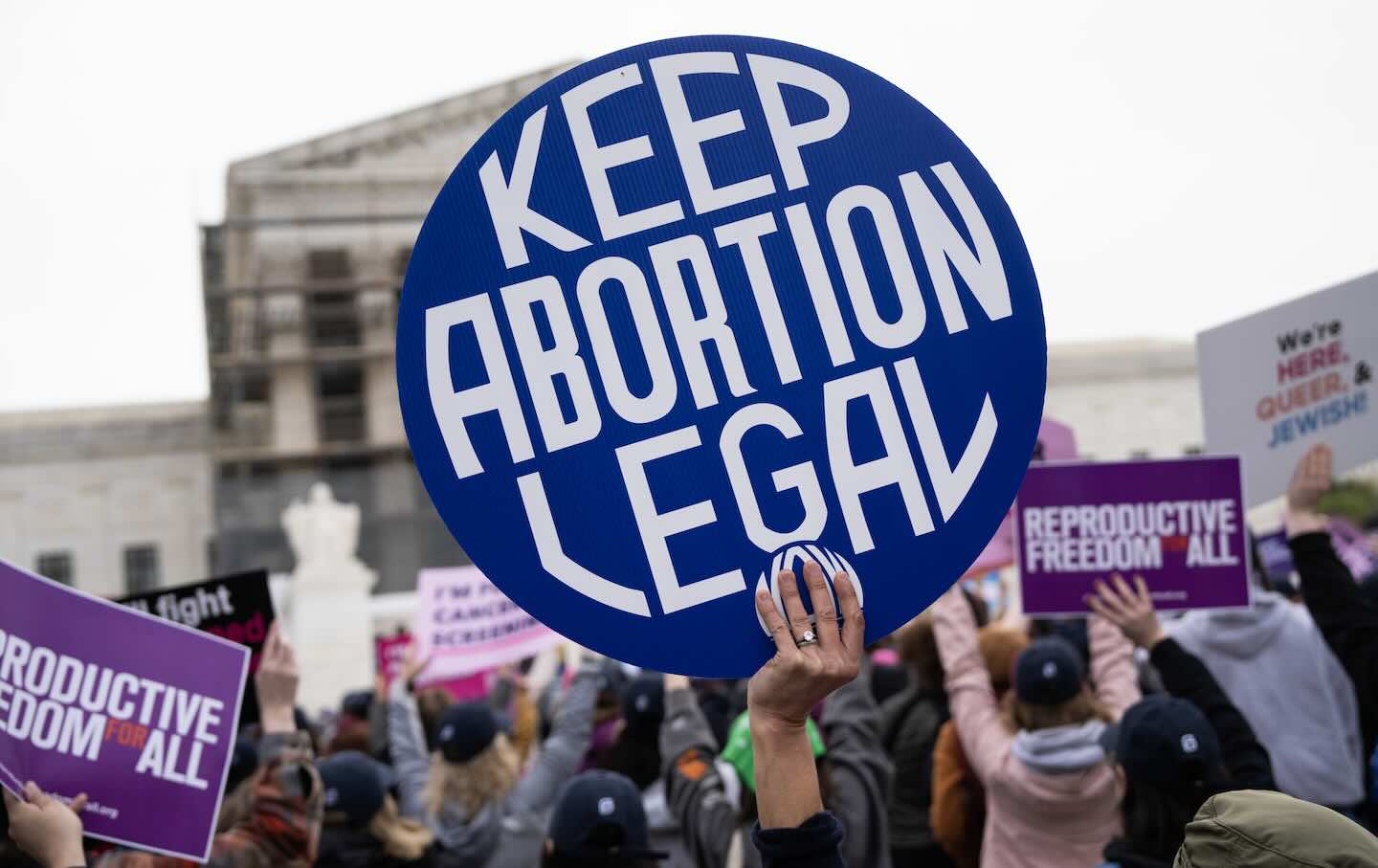
Melanie Folwell writes that a post-viability limit is the right choice for a citizens’ initiative in Idaho, but Erika A. Christensen argues that restrictions are never acceptable….
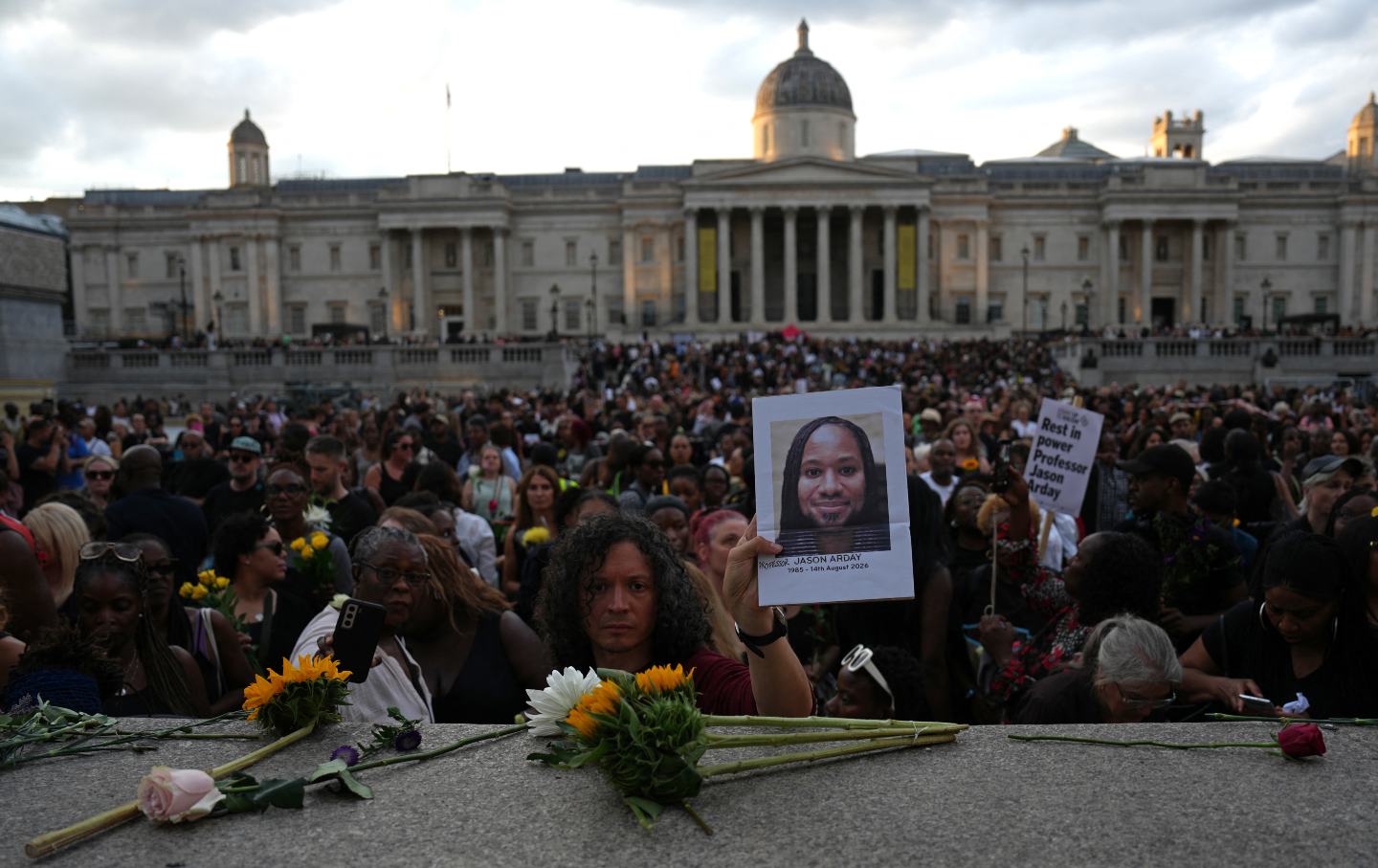
I was one of the few Black scholars at both institutions. I understand—and loathe—how their tendency to undermine the suffering of Black people led to Jason Arday’s demise.
The proposed Paramount/Warner Bros. merger does not just represent media monopoly—it is another form of gerrymandering, of rigging the rules to limit who has power.