
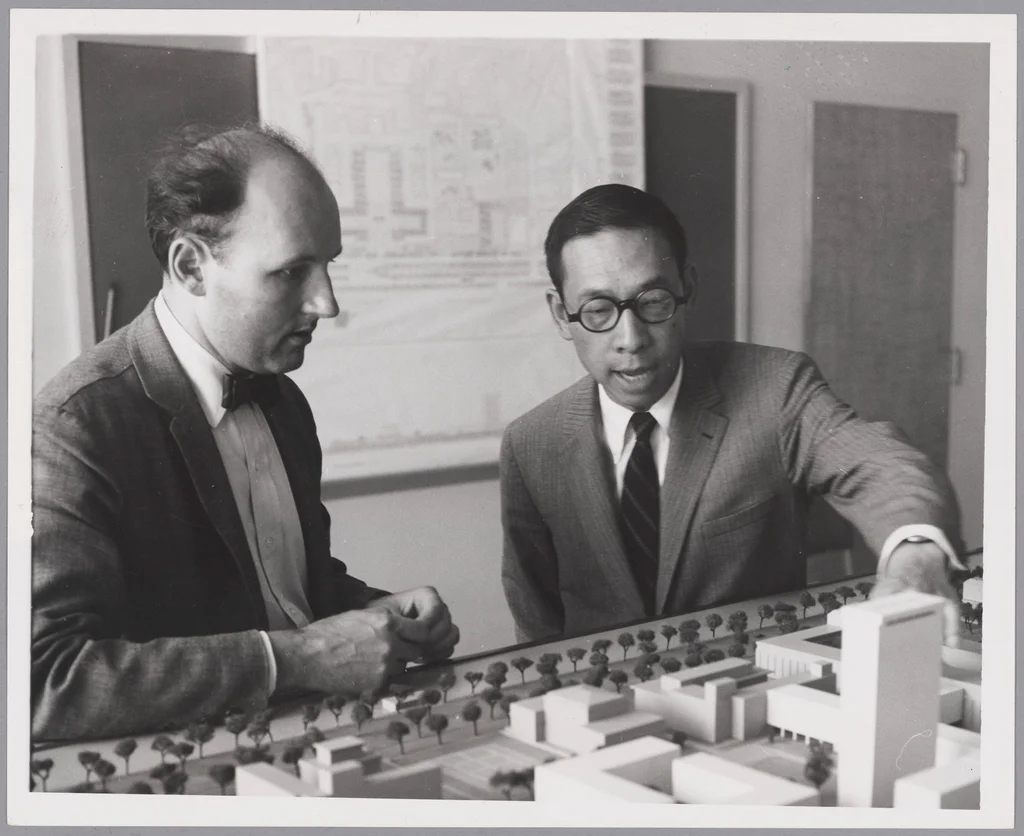
The archives of one of the Massachusetts Institute of Technology’s most masterful architecture graduates, I.M. Pei, are heading back to the university.
MIT has just acquired the full archive of Pei, who graduated from MIT’s Bachelor of Architecture program in 1940 and went on to design such notable buildings as Dallas City Hall, the glass pyramid at the Louvre, the Rock & Roll Hall of Fame, the John F. Kennedy Presidential Library and Museum, and several buildings on MIT’s campus. Pei, who died in 2019 at age 102, was awarded the Pritzker Architecture Prize and is regarded as one of the most significant architects of the 20th century.
The archives heading to MIT include 1,500 rolls of architectural drawings, 50 architectural models, and 1,000 linear feet (305 meters) of manuscripts and other archives spanning 60 projects from Pei’s six-decade professional career at the firm he founded, known since 1989 as Pei Cobb Freed & Partners. The firm selected MIT and its museum from a handful of applicants to steward and activate Pei’s extensive archives, creating opportunities to integrate his work into the school’s teaching, research, and exhibitions.
“You can really tell the story of a career,” says Jonathan Duval, assistant curator of architecture and design at the MIT Museum. “You get the whole arc from start to finish.”
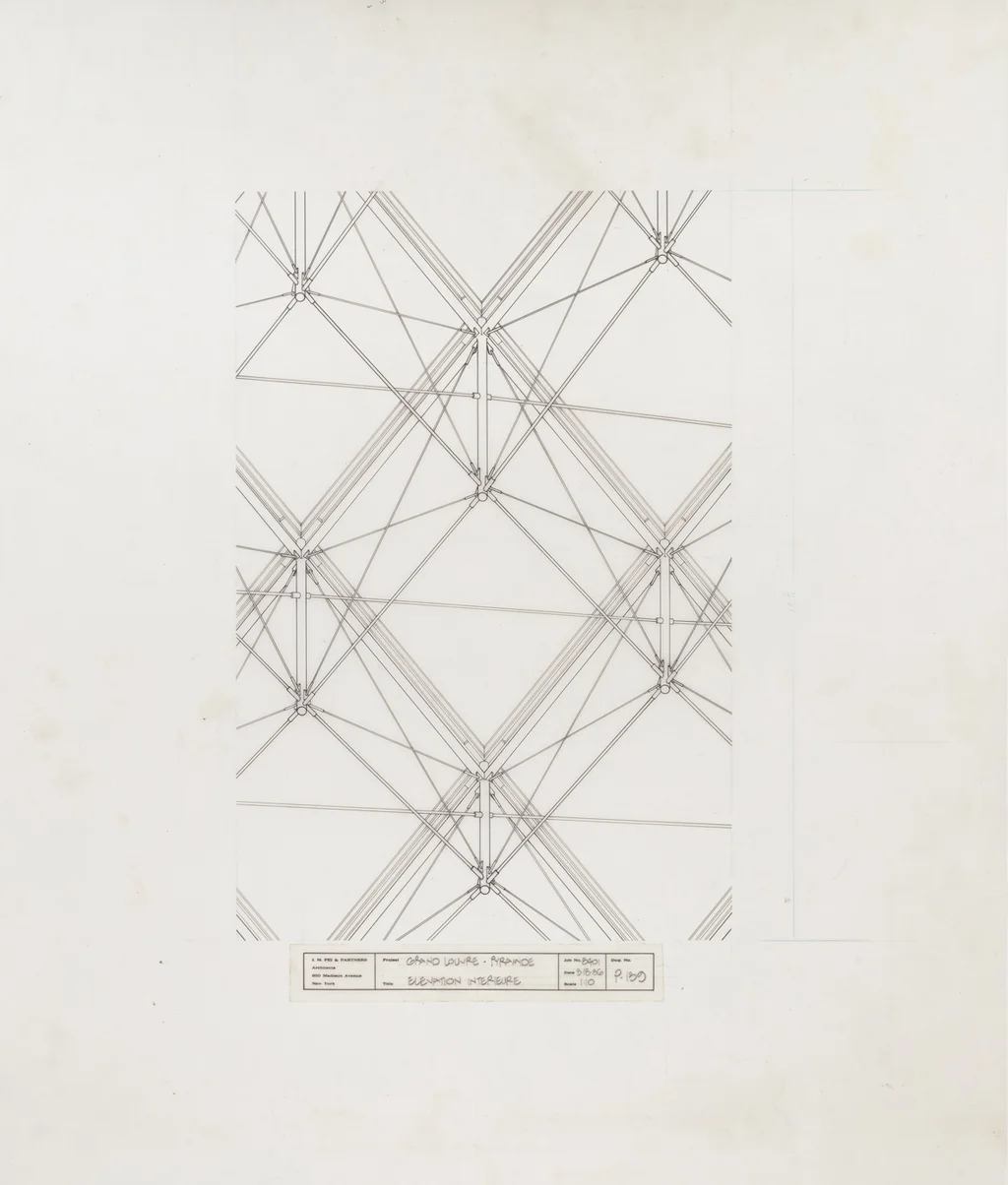
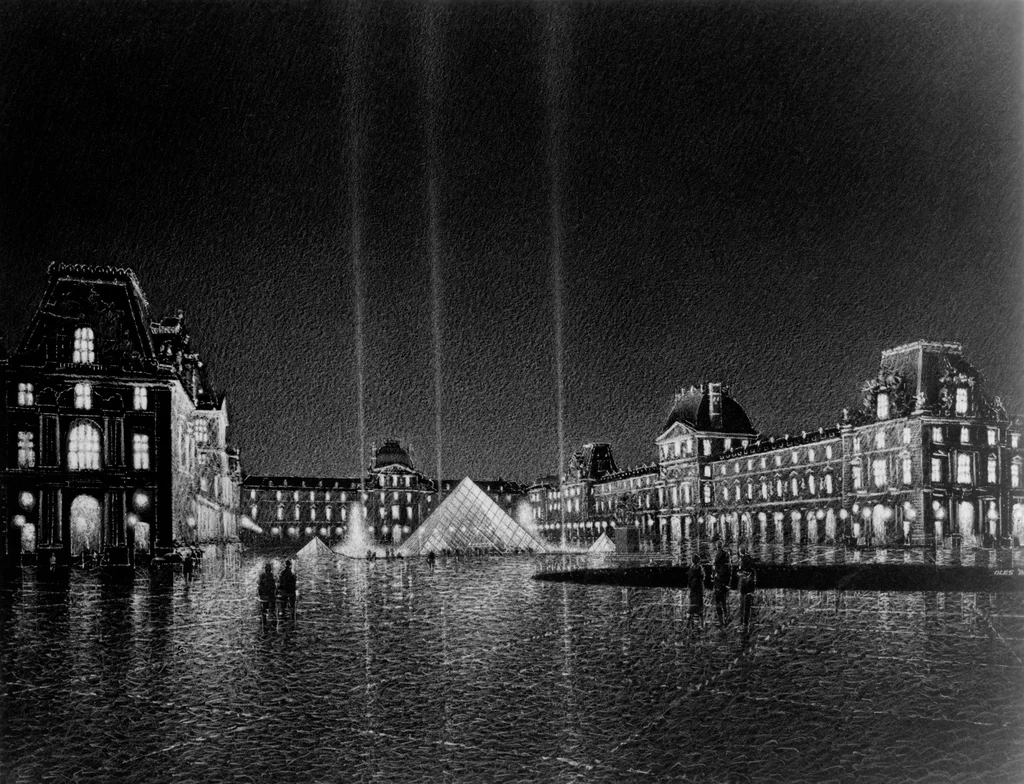
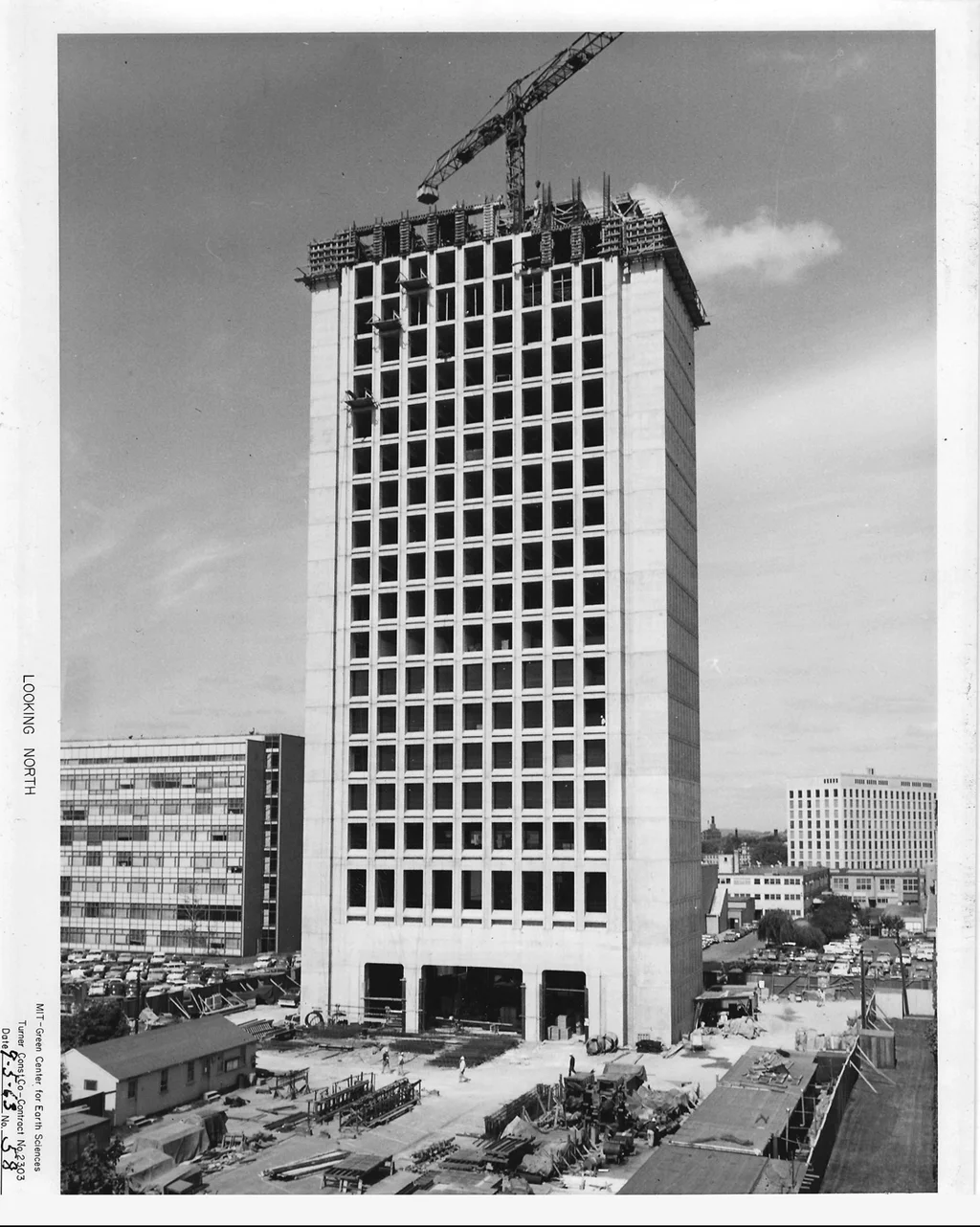
The collection will be the largest single repository of works by Pei. It includes the delicate hand sketches he made for projects like the Kennedy Library and the Louvre, as well as the detailed construction drawings from MIT’s own Green Building, a 21-story Pei tower from 1962. Duval says the archive will offer MIT students and professors the opportunity to more deeply understand one of the university’s most significant buildings.
“An archive like this can show the sort of social production of architecture. It shows that architecture is a process and not a product,” Duval says. “It can . . . show these negotiations and debates and back and forth that are happening in the design of a building. It’s not just a design sketch on a napkin and then suddenly the building is built.”
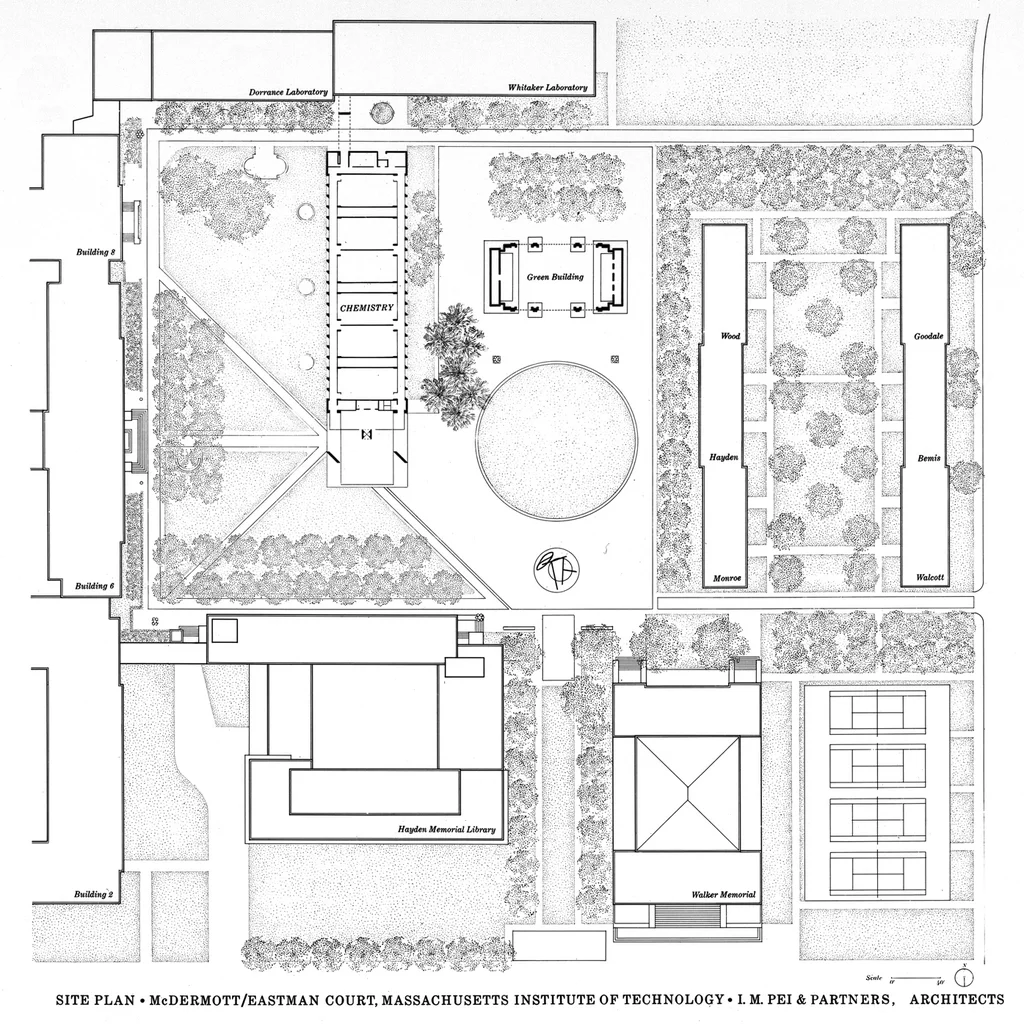
Duval says Pei’s archive is a unique acquisition for MIT, which doesn’t have any other architect’s full body of work. But at the same time, it’s familiar ground for MIT’s architecture school, which has been collecting the works of its students for more than a century. That includes works by Pei himself.
“His work does stand out from the work of his peers at the time. And the faculty saw that,” Duval says. “We have more student work saved by the department from I.M. Pei than I think any other student.”
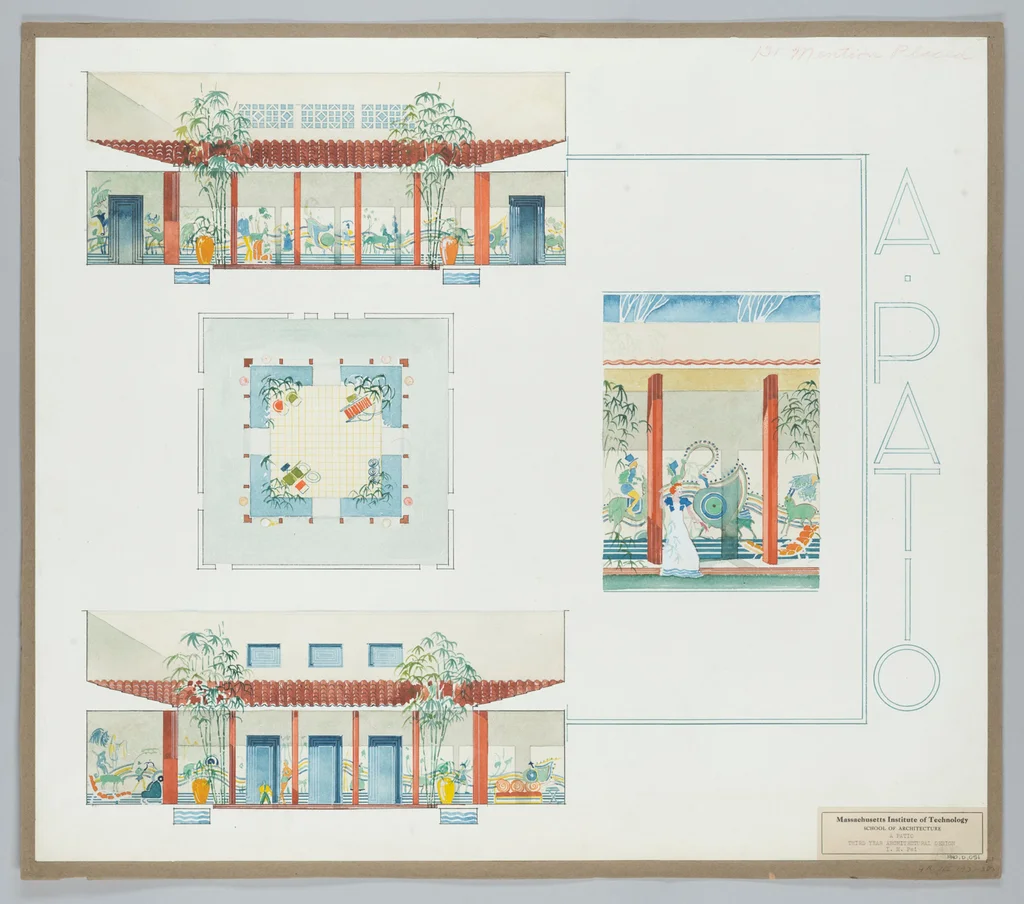
These early drawings, which Pei produced in the late 1930s after moving to the U.S. from China, may be the archive’s most enchanting, including highly artistic compositions that double as architectural plans and sections.
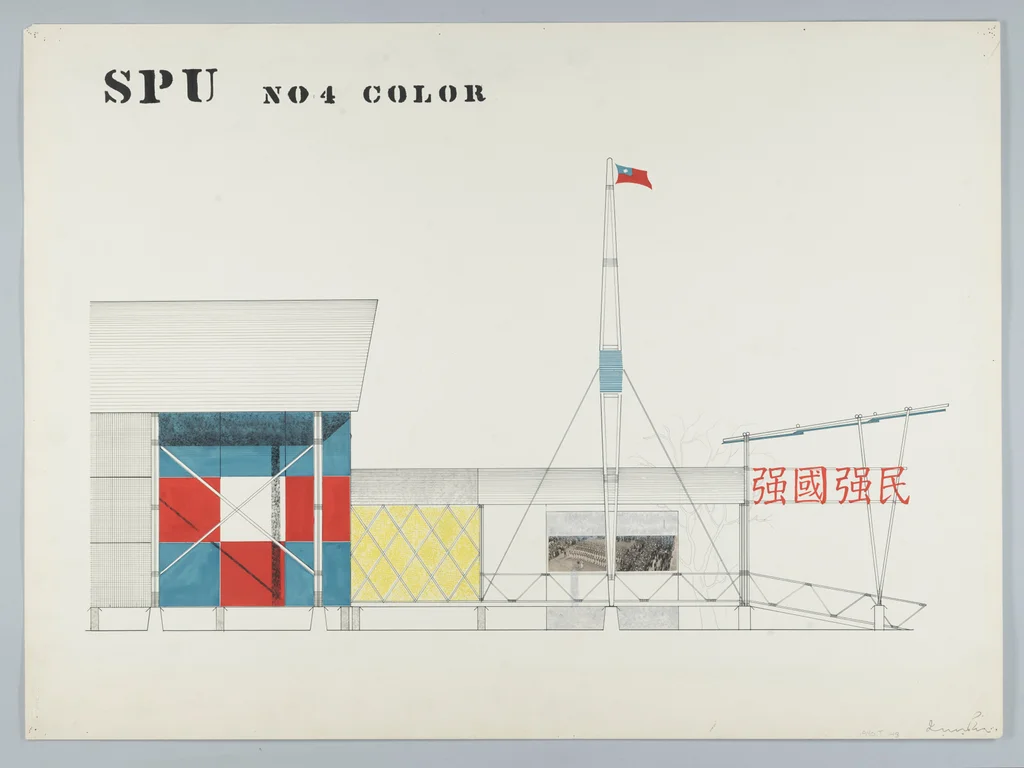
These fanciful drawings, including Pei’s thesis project on modular cultural pavilions called “standardized propaganda units,” will soon be complemented with the more practical and quotidian works of a corporate architecture firm. But, as Duval notes, there will also likely be some whimsy among the tens of thousands of drawings heading to MIT. He’s especially interested in delving into the archive to find Pei’s unbuilt works—designs that reflect more of the curiosity and imagination of Pei the student than Pei the corporate architect.
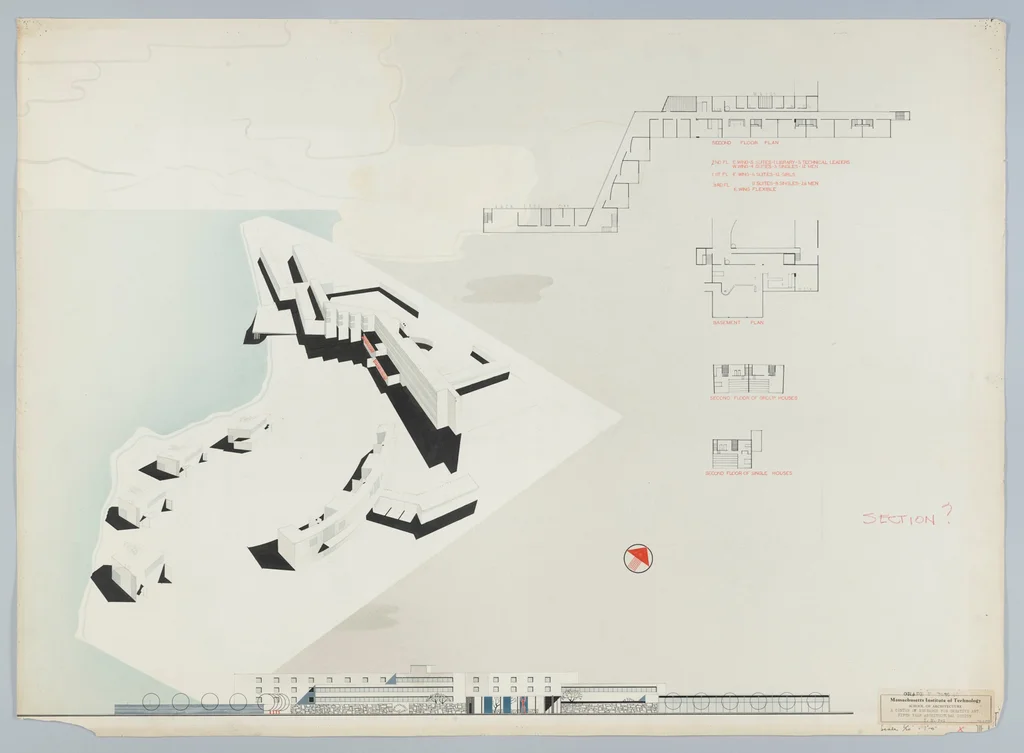
“I think there’s something really fascinating about architectural projects that are not necessarily burdened by the realities of building. Those are moments where you can really see what an architect’s priorities and intentions might have been,” Duval says. “So that’s one main area where this archive, to me, is particularly exciting.”