
If you think memory prices are high now, just wait.
A new report from Citrini Research forecasts that Nvidia’s next-generation Rubin AI platform will require more than 6 billion GB of Low-Power Double Data Rate memory (LPDDR) in 2027. LPDDR is the low-power memory used in devices like smartphones, tablets, and ultra-thin laptops.
If Citrini is correct, Nvidia could consume more LPDDR memory than Apple and Samsung combined. That could spell bad news for consumers looking to upgrade phones and other personal devices, especially as rising memory costs are already affecting prices across consumer electronics.
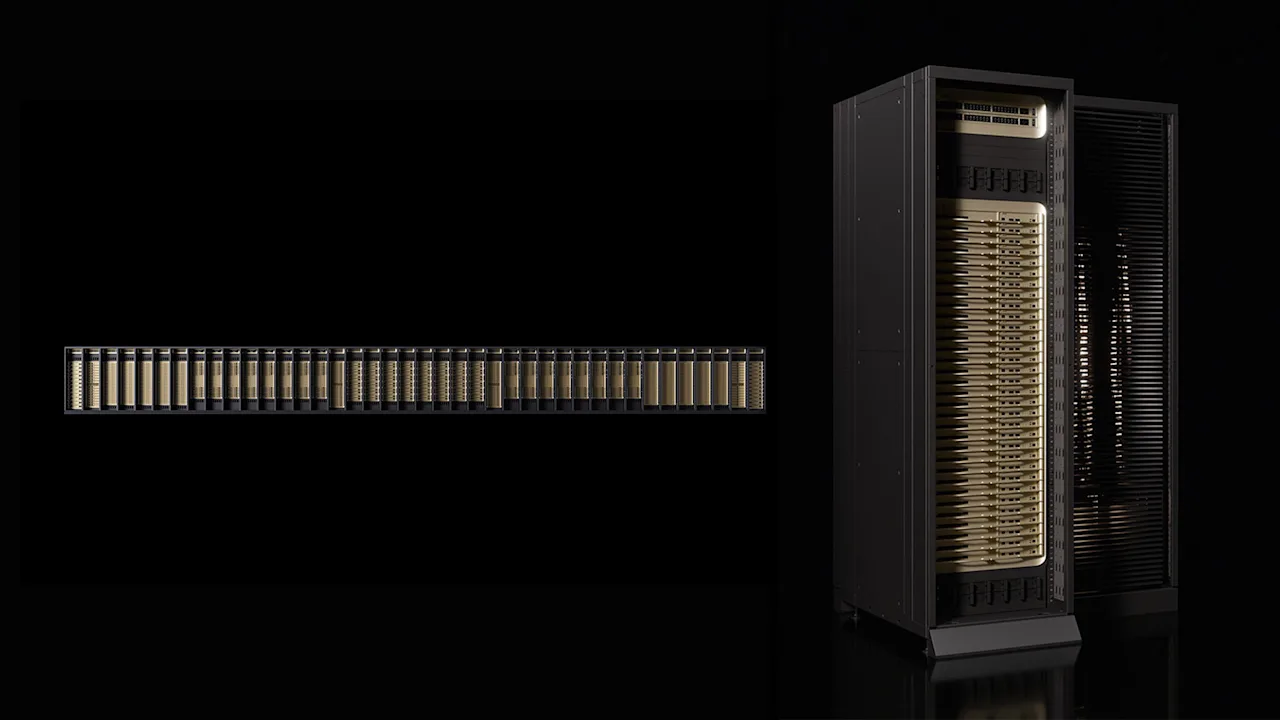
Rubin, named after astronomer Vera Rubin, is a big bet for Nvidia. The company says the chips are designed to meet generative AI’s growing demand for real-time reasoning and will be twice as fast as Blackwell, Nvidia’s current flagship AI platform.
Between Blackwell and Rubin, Nvidia has locked in $1 trillion in orders through the end of 2027, according to an announcement the company made in March. That’s great news for Nvidia and its investors. But for consumers already feeling the downstream effects of AI-driven demand, though, the timing could hardly be worse.
The refresh cycle
One of the pandemic’s side effects was a surge in consumer electronics purchases, as people stocked up on devices to stay entertained and connected while isolated at home. Now, six years later, many of those products are coming due for refresh.
Televisions, for instance, are typically replaced every 6.6 years, according to Circana. That puts more than 20% of the sets in use globally in that upgrade zone, but the integration of smart services increases the need for onboard memory.
PCs are also in the middle of an upgrade cycle, but RAM prices have risen anywhere from 150% to more than 200% over the past year. Storage prices, or what consumers pay for hard drives and SSDs, have followed a similar trajectory. And video card prices also remain high, as Nvidia continues prioritizing AI demand over the PC market.
Even video game systems are feeling the squeeze. For the first time in nine generations of gaming hardware, console prices are going up instead of down on systems that have been out for a while. Nintendo raised the price of the Switch 2 from $450 to $500 in the U.S. earlier this month. In March, Sony increased the price of the PlayStation 5 by as much as $150, with the high-end PS5 Pro now selling for $900. And last October, Microsoft increased the prices of the Xbox Series X and Series S for the second time in six months. Those systems now cost $650 and $600.
If smartphones and tablets see similar price hikes, the effect on consumer spending could be significant, especially during the holiday shopping season, when manufacturers roll out new devices and consumers are most likely to upgrade.
Sustained demand
Nvidia’s use of LPDDR is expected to surpass that of either Apple or Samsung individually this year, though not both companies combined. By next year, however, Nvidia is projected to consume 6.041 billion GB of LPDDR memory. For comparison, Apple’s projected capacity is 2.966 billion GB, while Samsung’s is expected to reach 2.724 billion GB.
Nvidia is hardly alone in ramping up LPDDR usage. Google and AMD are also leaning more heavily on the memory, though at lower projected levels than Nvidia. Still, the broader AI industry’s growing appetite for LPDDR is likely to further tighten supply and push prices higher. While Samsung and Apple remain major customers for memory manufacturers, they are unlikely to commit to purchase volumes on the same scale as AI chipmakers.
Demand for memory isn’t likely to let up anytime soon as U.S. companies are in a race against China for AI supremacy. In January, Nvidia founder and CEO Jensen Huang acknowledged the competitive nature of the industry. “The number of startups that have emerged in China … speaks to the vibrancy and capability of the Chinese technology industry,” he said.
That could sustain pressure on memory supply manufacturers, which will continue to trickle down to consumers in the form of higher prices.