
Close Menu
    Facebook X (Twitter) Instagram
    TRENDING :
    • Where are new grads finding job opportunities?
    • Starbucks’s ChatGPT experiment could quietly reshape how people order coffee
    • Duolingo was evaluating its workers’ AI use. Workers pushed back.
    • Is organic music discovery dead? Geese ‘psyop’ debate leaves artists frustrated by growing barrier to entry
    • SantaCon president stole millions in charitable donations to fund luxury lifestyle, says FBI
    • Target’s new retro-inspired Pokémon collection was made for superfans, by superfans
    • The future of AI in schools isn’t personalized learning
    • How new perspectives come from moonwalking
    Populist Bulletin
    • Home
    • US Politics
    • World Politics
    • Economy
    • Business
    • Headline News
    Populist Bulletin
    Home»Economy»New Homeland Security Secretary Cracks Down On Sanctuary Cities
    Economy 3 Mins Read

    New Homeland Security Secretary Cracks Down On Sanctuary Cities

    Economy 3 Mins Read
    Share Facebook Twitter Pinterest LinkedIn Tumblr Telegram Email Copy Link
    Follow Us
    Google News Flipboard
    Share
    Facebook Twitter LinkedIn Pinterest Email


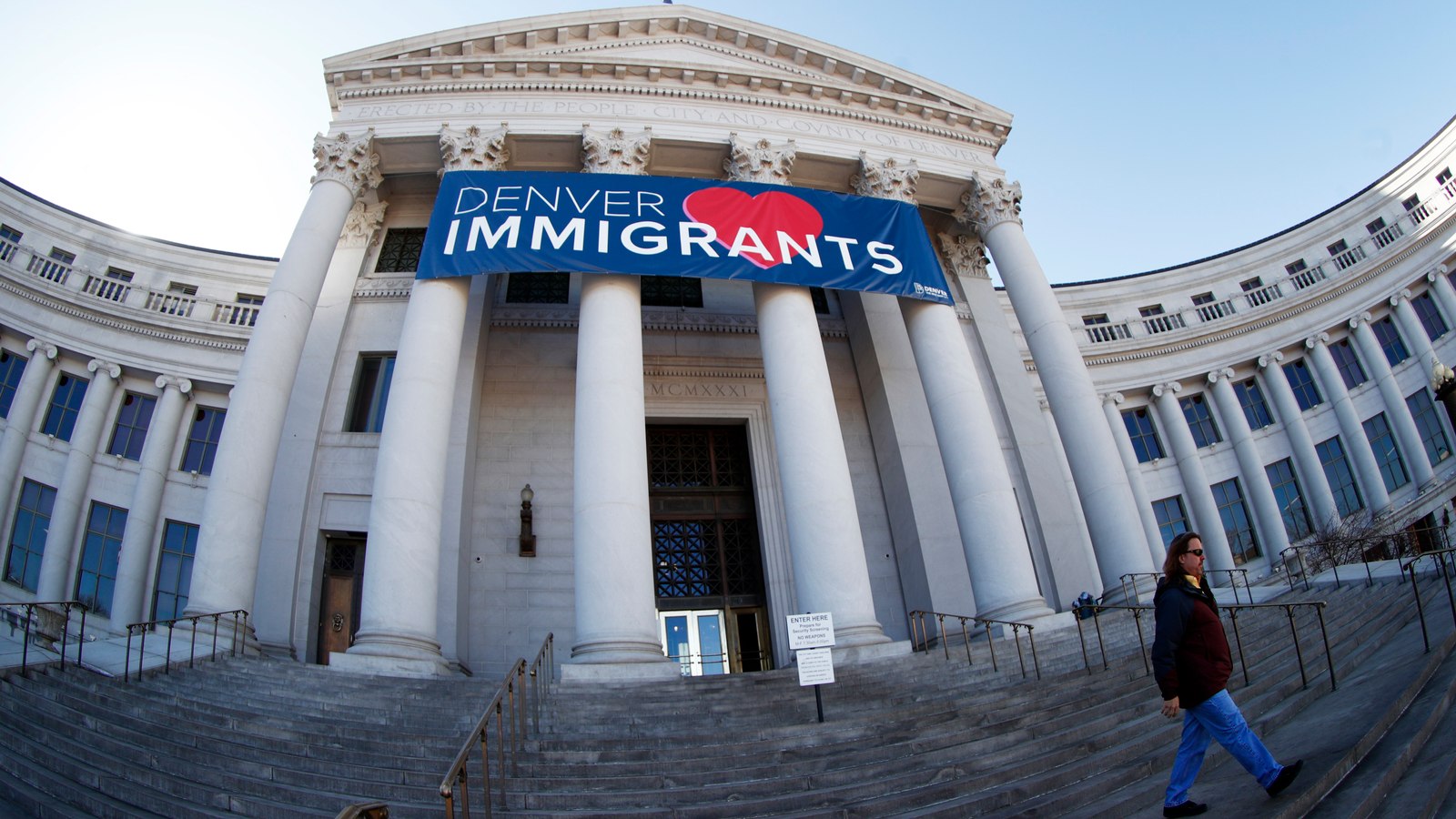
    What we are now witnessing with sanctuary cities is not simply a political disagreement, it is the breakdown of the rule of law at the structural level. The federal government is now openly questioning whether it should continue providing core services, including customs processing at international airports, to cities that refuse to comply with federal immigration law.

    Homeland Security Secretary Markwayne Mullin has made that position clear in direct terms, stating, “If they are a sanctuary city, should they really be processing customs into their city?” and further pressing the issue by pointing out the contradiction, “If they’re a sanctuary city and they’re receiving international flights… but once they walk out of the airport, they’re not going to enforce immigration policy?”

    Sanctuary cities are, by definition, jurisdictions that limit cooperation with federal enforcement, effectively creating a dual system of governance within the same country. Once you reach that point, you are no longer dealing with a unified legal framework, you are dealing with fragmentation.

    Mullin has also made it clear that the federal government is being forced into difficult decisions, stating that “we’re going to have to start prioritizing things at some point” as funding battles intensify. That statement is critical because it signals a shift from negotiation to enforcement.

    This is precisely the type of breakdown that unfolds during periods of broader systemic stress. The sovereign debt crisis, rising geopolitical tensions, and internal political divisions are all converging at the same time, and governments respond to that pressure by attempting to reassert control.

    Sanctuary cities represent a direct challenge to that control, and the response is now escalating accordingly. The implications extend far beyond immigration because once the federal government begins selectively withdrawing services, whether it is funding, enforcement, or infrastructure support, it creates a chain reaction. Major cities like New York, Los Angeles, Chicago, and San Francisco are not isolated municipalities, they are economic hubs that handle millions of international travelers and billions in trade. Any disruption to customs operations alone would ripple through tourism, supply chains, and business activity, amplifying economic pressure at a time when the system is already under strain.

    This is where the situation becomes dangerous because it introduces a new layer of uncertainty into the economy. Businesses and capital do not respond well to fragmented legal systems or political conflict between levels of government. Capital flows toward stability, and when stability is questioned, it begins to move. That is the core principle that has driven every major financial shift throughout history.

    What Mullin has effectively done is put consequences on the table. For years, sanctuary cities have operated with limited federal pushback, but that appears to be changing. Once consequences are introduced, whether through funding cuts, service withdrawal, or legal action, the dynamic shifts entirely. Cities are forced to choose between maintaining their policies or preserving access to federal resources, and that is where the real conflict begins.

    This is no longer about immigration alone. It is about who governs and enforces, and whether a nation can function with competing systems of authority.


    Source link

    Share. Facebook Twitter Pinterest LinkedIn Tumblr Email

    Related Posts

    Hungary 3rd Time A Charm?

    April 15, 2026

    The Oil Conspiracies | Armstrong Economics

    April 15, 2026

    China’s Gold Strategy Is A Long-Term Move Against The Monetary System

    April 15, 2026
    Top News
    World Politics 3 Mins Read

    Hillary Clinton Encourages Followers to Join Radical Nationwide ‘No Kings’ Protests Against Trump This Weekend | The Gateway Pundit

    World Politics 3 Mins Read

    Failed presidential candidate Hillary Clinton has encouraged her followers to join the “No Kings” protests…

    Zohran Mamdani’s Internationalism Is Not an Afterthought

    November 14, 2025

    Chipotle stock price crashes as Gen Z and millennials burdened by student debt and unemployment stay away

    October 30, 2025

    Hillsdale College President Dr. Larry Arnn Gives Honorary Degree to Charlie Kirk (VIDEO) | The Gateway Pundit

    September 21, 2025
    Top Trending
    Business 3 Mins Read

    Where are new grads finding job opportunities?

    Business 3 Mins Read

    It’s a brutal hiring market for new grads. Hiring has slowed across…

    Business 3 Mins Read

    Starbucks’s ChatGPT experiment could quietly reshape how people order coffee

    Business 3 Mins Read

    Not sure what to order on your next Starbucks run? Now, ChatGPT…

    Business 3 Mins Read

    Duolingo was evaluating its workers’ AI use. Workers pushed back.

    Business 3 Mins Read

    After introducing a new strategy for performance reviews to include evaluations of…

    Categories
    • Business
    • Economy
    • Headline News
    • Top News
    • US Politics
    • World Politics
    About us

    The Populist Bulletin was founded with a fervent commitment to inform, inspire, empower and spark meaningful conversations about the economy, business, politics, government accountability, globalization, and the preservation of American cultural heritage.

    We are devoted to delivering straightforward, unfiltered, compelling, relatable stories that resonate with the majority of the American public, while boldly challenging false mainstream narratives that seem to only serve entrenched elitists, and foreign interests.

    Top Picks

    Where are new grads finding job opportunities?

    April 16, 2026

    Starbucks’s ChatGPT experiment could quietly reshape how people order coffee

    April 15, 2026

    Duolingo was evaluating its workers’ AI use. Workers pushed back.

    April 15, 2026
    Categories
    • Business
    • Economy
    • Headline News
    • Top News
    • US Politics
    • World Politics
    Copyright © 2025 Populist Bulletin. All Rights Reserved.

    Type above and press Enter to search. Press Esc to cancel.